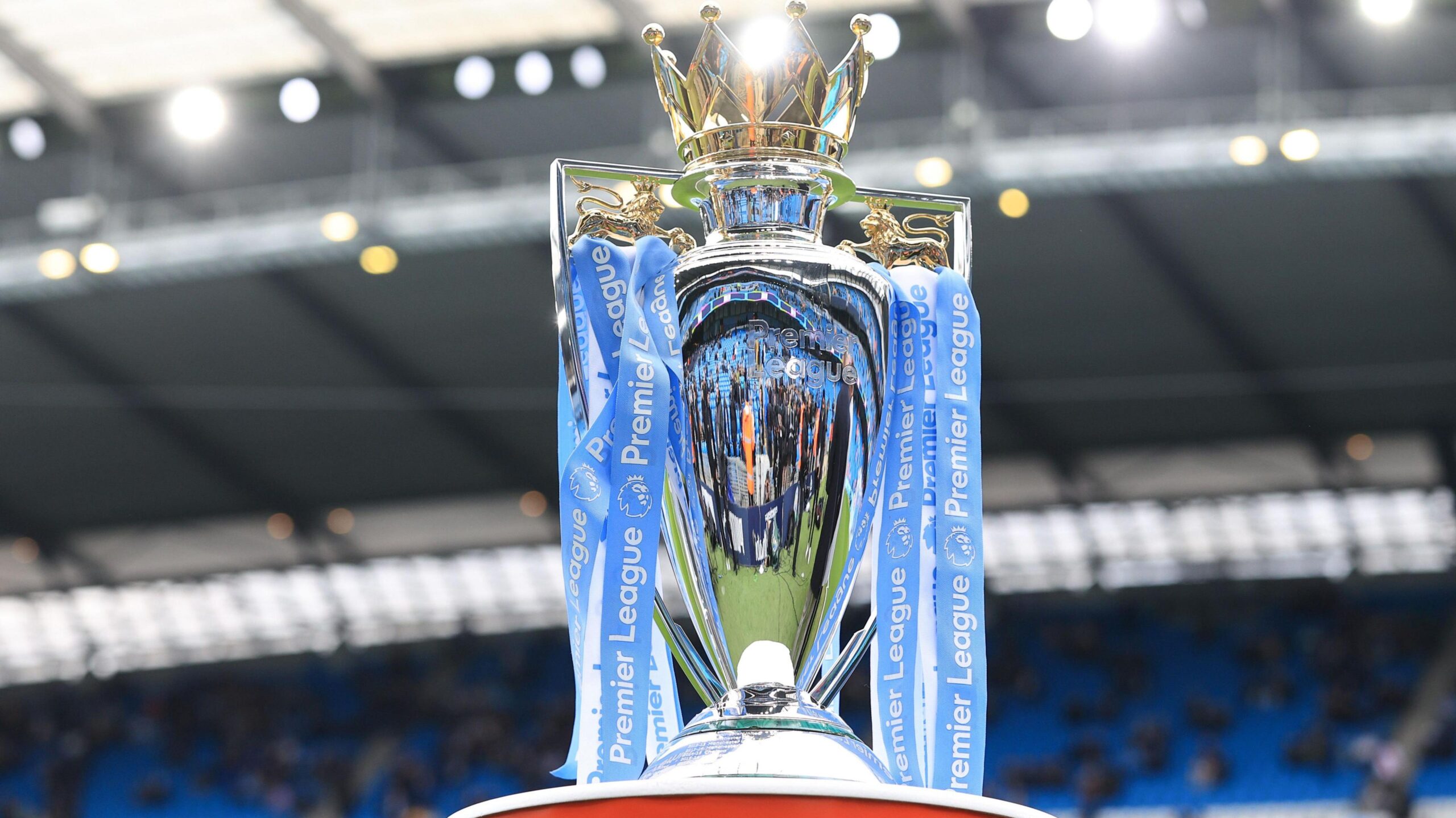
The English Premier League, one of the biggest and most popular football leagues in the world, is actively looking to push its own streaming platform to consumers. The league is using Singapore as the platform’s launchpad.
The launch of Premier League + in Singapore is officially a “pilot project,” but for the league’s power players, it could be a dress rehearsal for a much larger stage.
It is estimated that the Premier League currently earns around £2.2bn annually from international broadcasters and £1.8bn from its domestic partners.
Sub-Saharan Africa, a region with over 1.2 billion people and a fanatical devotion to the English game, represents the ultimate high-risk, high-reward territory for a “Premflix” future.
The SuperSport Stronghold
For nearly three decades, the Premier League’s presence in Africa has been synonymous with SuperSport, the crown jewel of the MultiChoice Group.
Under the current cycle running through 2028, SuperSport remains the exclusive gatekeeper, funneling hundreds of millions of dollars into the league’s coffers for the right to beam matches via satellite to millions of African households.
DStv has around an estimated 14.5 million total subscribers in Africa as of early 2026. However, its subscriber base has been shrinking due to economic pressures, high inflation, and competition.
However, the Singapore model — a joint venture with existing partner StarHub — offers a blueprint that could dismantle this monopoly.
If the league can successfully share customer data, billing, and marketing with a local partner while owning the digital “pipe,” the argument for a total sell-off of rights to a single broadcaster weakens.
The “Mobile-First” Continent
The biggest indicator that Africa is ready for its own version of Premier League + isn’t found in living rooms, but in pockets.
Africa is the world’s most mobile-savvy football market.
Current trends already point this way. MultiChoice has already launched a mobile-only Premier League service, proving that a standalone digital product for the region isn’t just viable — it’s already here.
The primary hurdle remains the “data tax.”
Unlike Singapore’s high-speed fiber networks, streaming 90 minutes of football in HD can cost a fan in Nigeria more than the subscription itself.
But with undersea cables and satellite internet (like Starlink) expanding across the continent, those infrastructure barriers are slowly eroding.
A Hybrid Future?
Although the concept looks promising, don’t expect the Premier League to pull the plug on SuperSport just yet.
In many parts of Africa, linear satellite TV remains the only reliable way to reach rural audiences, where 5G is a distant dream.
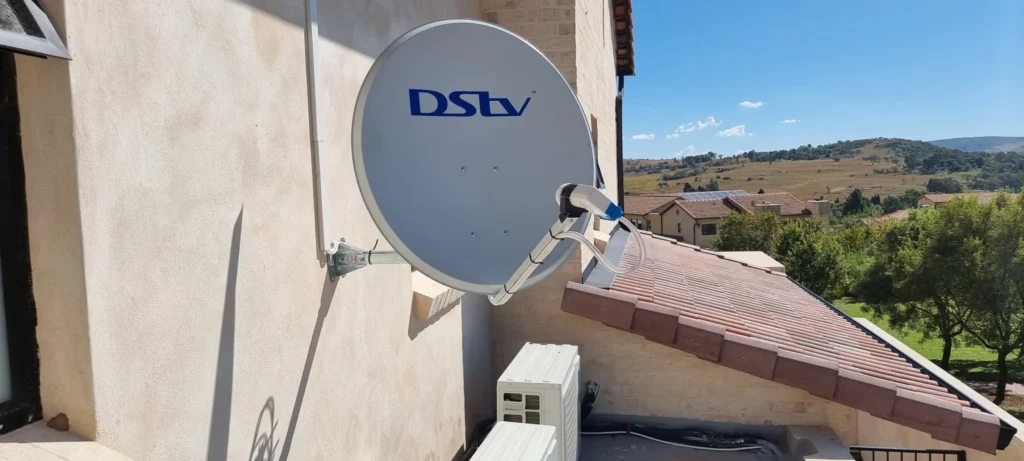
The more likely scenario is a hybrid model where customers could sign up for both DSTV subscription and a Premier League subscription.
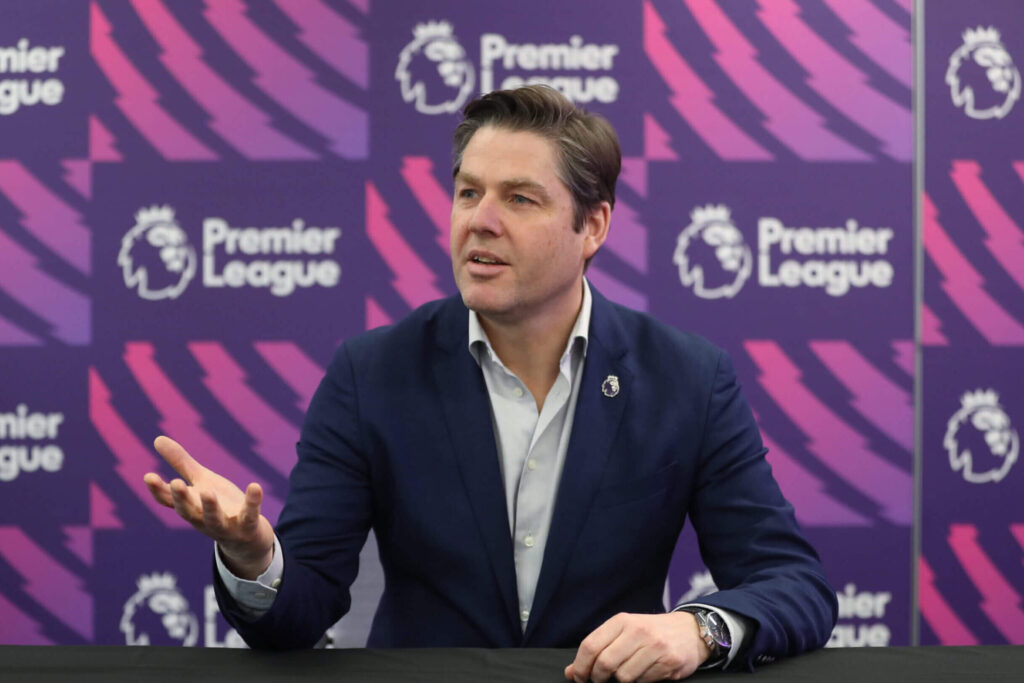
As Richard Masters, CEO of the Premier League, noted in London on the launch of Premier League+, the goal is “optionality.”
The Labari Journal emailed the Premier League for comment on a possible expansion to Africa. We did not receive a response at the time of this publication.
By 2028, when the current African rights cycle expires, the Premier League will have two years of Singaporean data to decide if they are ready to become their own broadcaster in the world’s fastest-growing football market.
For the African fan, the prospect is enticing: a cheaper, app-based subscription that doesn’t require a bulky satellite dish.
This article was edited with AI and reviewed by human editors