STORY HIGHLIGHTS
- Canada initially denied Thomas Partey a Visa over seven counts of rape and one count of sexual assault charges in the UK, which he denies
- Ghana’s government formally protested the denial, calling it “high-handed and extremely unfair”
- An emergency Federal Court hearing concluded Tuesday with the judge denying Partey’s appeal
- Partey’s legal team argued the visa process was “unfair and incomplete” and that previous high-profile figures have received Temporary Resident Permits despite legal issues
Thomas Partey was left behind in the United States when the rest of Ghana’s squad travelled to Toronto on Monday, reduced to a spectator role as his teammates boarded for what should have been a triumphant arrival at a FIFA World Cup co-hosted by three nations.
FIFA confirmed Partey was unable to travel from Ghana’s US base in Boston to Toronto after his visa application was refused by the Canadian government.
The decision thrust one of Africa’s most prominent footballers into a legal and diplomatic crisis that now extends far beyond the football pitch.
Ghana filed an appeal against the visa denial. On Tuesday, a Canadian judge officially dismissed the appeal, barring the Ghanaian midfielder from entering Canada for the team’s match against Panama.
The Charges and Canada’s Legal Standard
The basis for the denial was Partey’s ongoing criminal proceedings in England. He was charged in July 2025 with five counts of rape and one allegation of sexual assault, dating back to 2021 and 2022.
In February this year, two additional rape allegations were added, dating back to December 2020. The former Villarreal midfielder faces allegations involving four women. His trial over the original allegations is scheduled for November 2, 2026. Partey denies all charges.
Canada’s immigration laws allow border officials to deem a foreign national inadmissible based on “reasonable grounds” of serious criminality, even without a formal conviction.
That threshold — lower than proof of guilt — is what Canadian authorities applied in refusing Partey’s Visa. Immigration, Refugees and Citizenship Canada stated that hosting major events does not change Canada’s immigration laws and that decisions are made on a case-by-case basis.
Ghana’s Diplomatic Protest
Accra’s response was swift and blunt. Ghana’s government urged Canada to review what it called a decision made on “very flimsy grounds”, with Sports Minister Kofi Adams telling local media the government had communicated through appropriate channels to request a review.
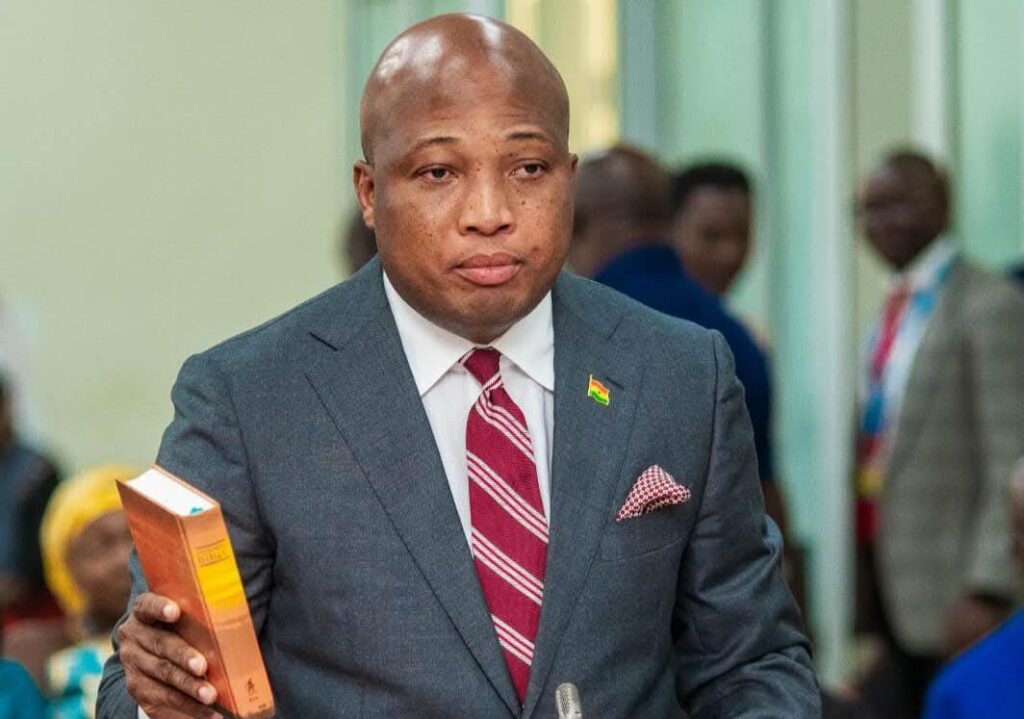
Ghana’s foreign ministry issued a statement describing Canada’s decision as “high-handed and extremely unfair,” and called on Ottawa to rescind it “in the interest of fairness and cardinal principles of common law.”
The ministry noted that Ghana and Canada are both signatories to international conventions underpinning the presumption of innocence — a principle Ghana’s government argued Canada had violated.
Ghana coach Carlos Queiroz had already staked his own position when naming the squad, citing the presumption of innocence as justification for Partey’s selection.
Emergency Hearing in Federal Court
Ghana and Partey’s legal representatives took the matter to court. The hearing took place on Tuesday, June 16, convened to determine whether Partey could enter Canada for Wednesday’s Group L clash at BMO Field in Toronto.
Partey’s legal team argued that the visa process was “unfair and incomplete,” with his lawyer contending that the application was filed by a secondary party on his behalf, and that he should not be held liable for the absence of information regarding his UK charges.
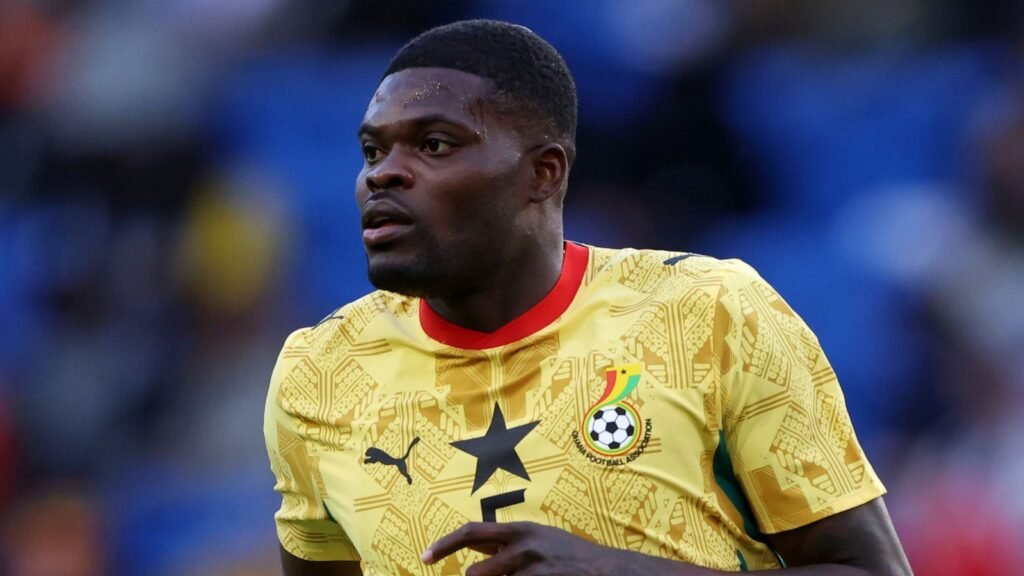
The defence also drew on precedent. Partey’s lawyers pointed to previous cases in which artists, actors, and other public figures were granted Temporary Resident Permits despite facing legal or immigration issues, and urged the court to deliver a ruling as quickly as possible given the time constraints.
His lawyers further told the court that Partey is willing to comply with any conditions imposed, including signing a formal undertaking, if permission to enter Canada is granted.
Canada’s Counter-Arguments
The Canadian government pushed back firmly. The court heard from a Canadian immigration lawyer who argued that Partey should not receive preferential treatment and that a criminal conviction is not necessary to justify the visa denial.
The judge dismissed a late affidavit submitted by Partey’s team and pressed his counsel for case law to support an expedited process.
The government’s broader position, articulated across multiple submissions, was that Canada’s immigration obligations do not yield to the pressures of a sporting event — however globally significant.
Ruling Against Partey
After hearing arguments from both sides, the judge adjourned to consider his decision.

He later ruled against the Ghana midfielder, effectively denying him a visa to play in Ghana’s opener against Panama at BMO Field, which is scheduled for Wednesday, June 17.
What It Means Beyond the Pitch
The Partey affair has exposed an under-examined fault line in the 2026 World Cup’s tri-nation hosting structure: the three co-hosts — Canada, the United States, and Mexico — each maintain sovereign immigration regimes.
A player cleared to enter one jurisdiction may be barred from another, with no unified framework to govern athlete admissibility across the tournament.
Partey entered the 2026 tournament as vice-captain of the Black Stars, with 57 international caps and a career spanning Atlético Madrid, Arsenal, and now Villarreal.
This article was edited with AI and reviewed by human editors