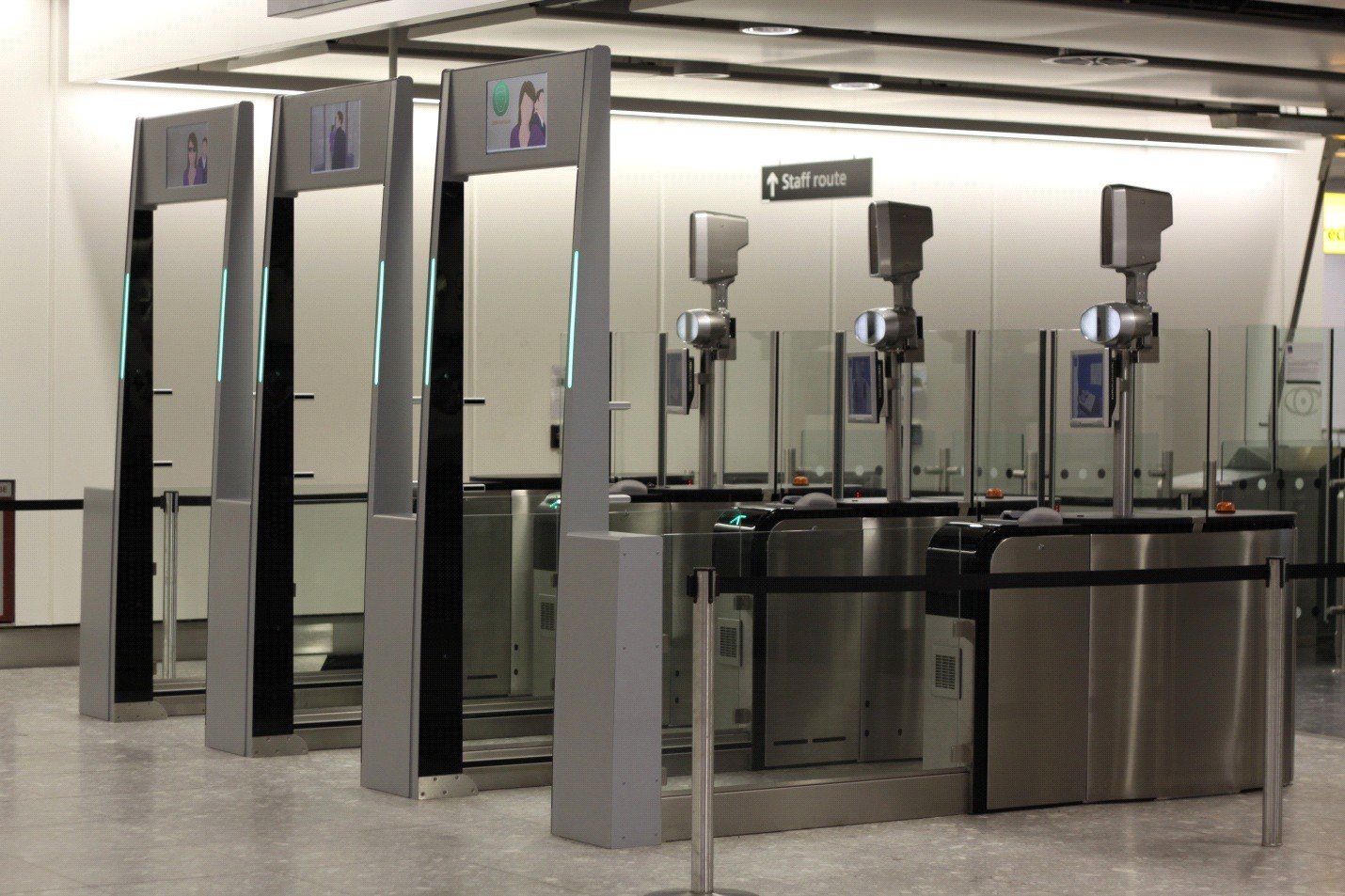
Story Highlights
- Ghana will waive visa fees for all African nationals starting May 25, 2026 — Africa Day
- Fee waivers do not bypass screening; a full application process and vetting remains mandatory.
- A new e-Visa platform for all global applicants launches next month, linked to crime databases
ACCRA — President John Dramani Mahama announced last week that Ghana would offer free visas to all African nationals.
Africa Day (May 25, 2026) is now the launch date for what the government is calling a landmark step toward pan-African integration.
But the policy, officials are at pains to clarify, is not a free pass. It is a fee waiver — and the difference matters enormously.
Free of Charge. Not Free of Scrutiny
The core of the announcement is straightforward: African citizens will not pay visa application fees.
What it does not mean, the government stressed repeatedly, is that Africans will bypass the visa process altogether.
Every applicant from the continent will still complete a visa application — the same process as any other foreign national — with the sole distinction being that the financial charge is waived.
“Not paying visa fees is not the same as automatic entry into Ghana,” Ministry of Foreign Affairs Sam Okudzeto Ablakwa said in an X thread.
“There shall be no automatic and unvetted entries.”
The language was deliberate — aimed squarely at pre-empting the misconception that the policy amounts to open borders or that Africa’s diaspora can simply arrive without documentation.
Upcoming Launch of e-Visa Platform
Embedded within the free visa announcement is a larger technological overhaul.
Next month, Ghana will launch a national e-Visa platform — a digital portal through which all visa applications, from every country in the world, must be processed.
The free visa for Africans is not a stand-alone measure; it is a component of this broader digitisation drive.
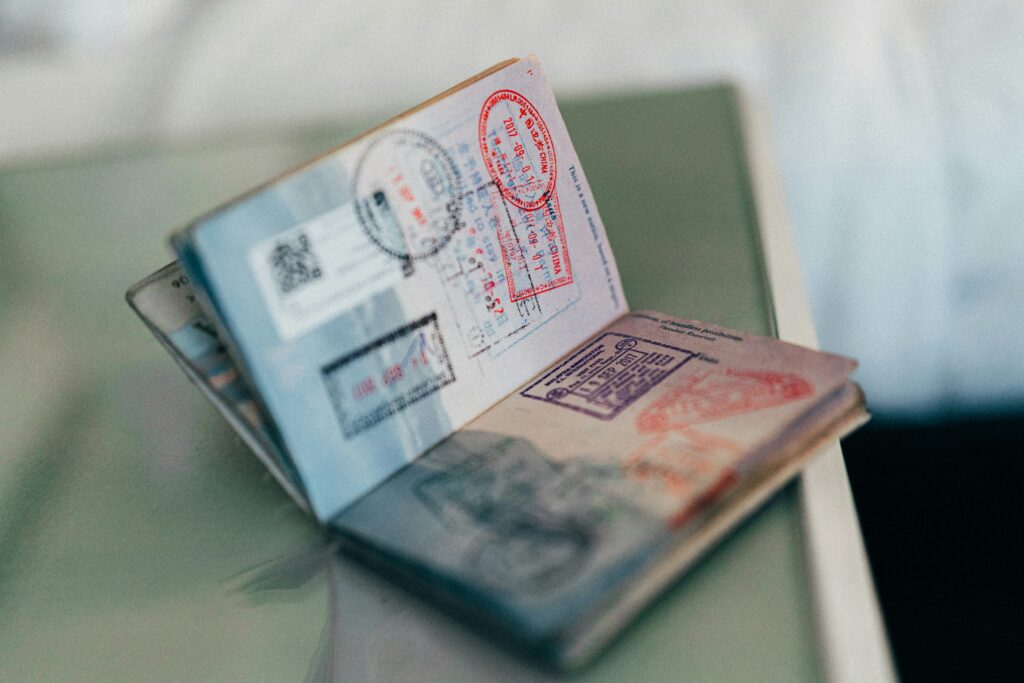
What makes the platform notable is its back-end integration. The e-Visa system will be connected to Ghana’s newly established API-PNR system — the Advance Passenger Information and Passenger Name Record database, a tool used by immigration authorities globally to cross-check traveller data before arrival.
More significantly, it will also be linked to international crime databases, giving Ghanaian consular officers real-time capability to vet applicants for criminal records or other disqualifying flags.
Applicants with criminal or otherwise unsatisfactory records will be denied entry, regardless of where they are from. The free visa offer does not change that calculus for African applicants.
A Promise Deferred
Former President Nana Akufo-Addo announced an almost identical policy in 2024 — free visas for Africans — and it, too, generated headlines. But the policy never launched.
The reason, as Mahama’s government now explains publicly, was that “the mechanisms and security safeguards had not yet been put in place.”
It is a gentle but unmistakable criticism. The Mahama administration is framing its version of the policy as the substantive follow-through on a promise its predecessor was unable — or unready — to keep.

Whether that is seen as a diplomatic jab or a fair accounting of the facts will likely depend on which side of Ghana’s political divide one sits.
What is harder to dispute is that the 2024 announcement left Africa-focused travel and business communities in limbo — and that the absence of implementation fuelled skepticism about the seriousness of the policy commitment.
What It Means for the Continent
If the policy launches as described, Ghana will join a relatively small club of African nations that have meaningfully liberalised visa access for their continental neighbours.
The African Union’s Agenda 2063 and the African Continental Free Trade Area both implicitly depend on the easing of human movement across borders — a goal that has been repeatedly acknowledged but slowly implemented across the continent.
This article was edited with AI and reviewed by human editors