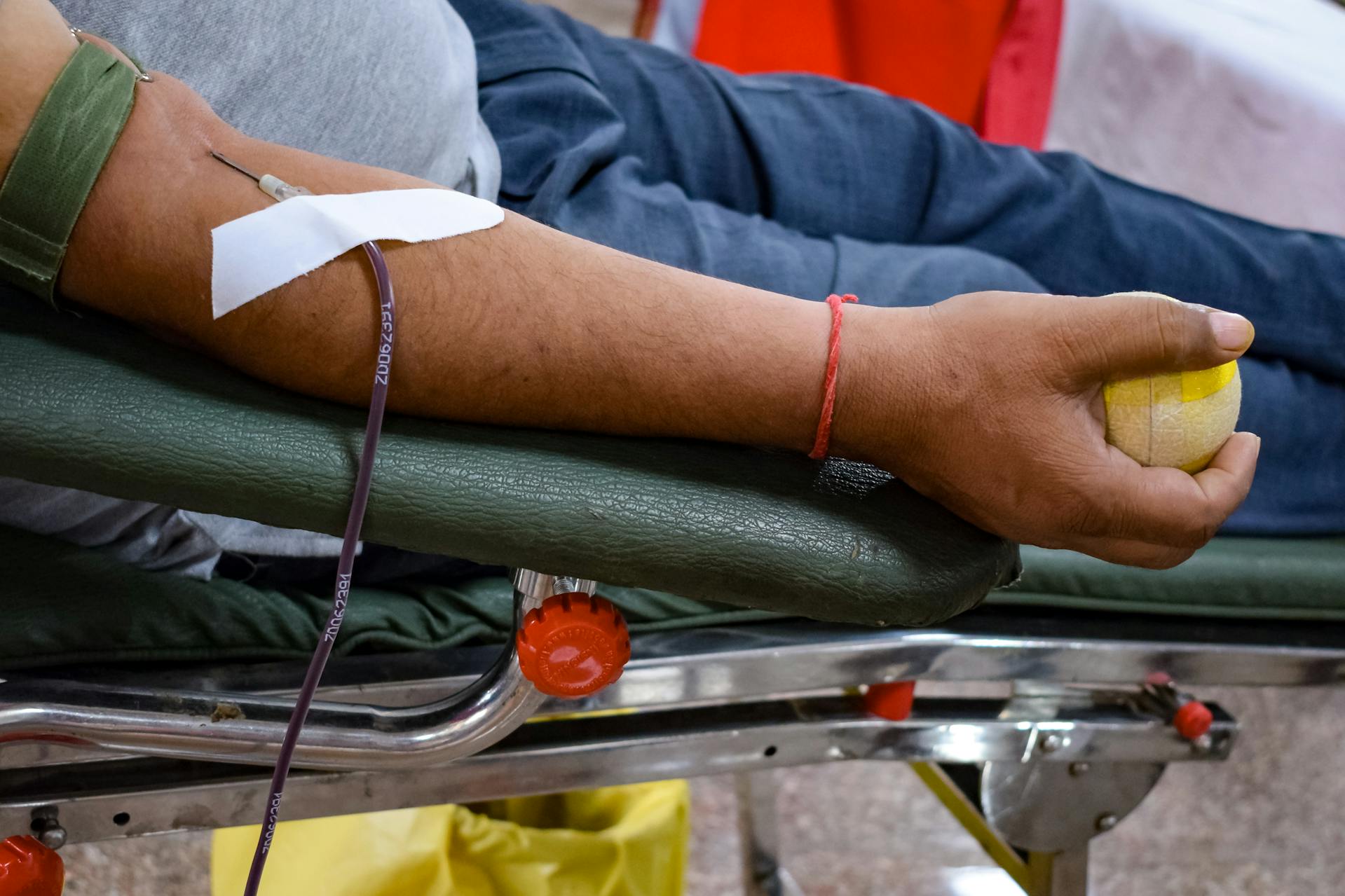
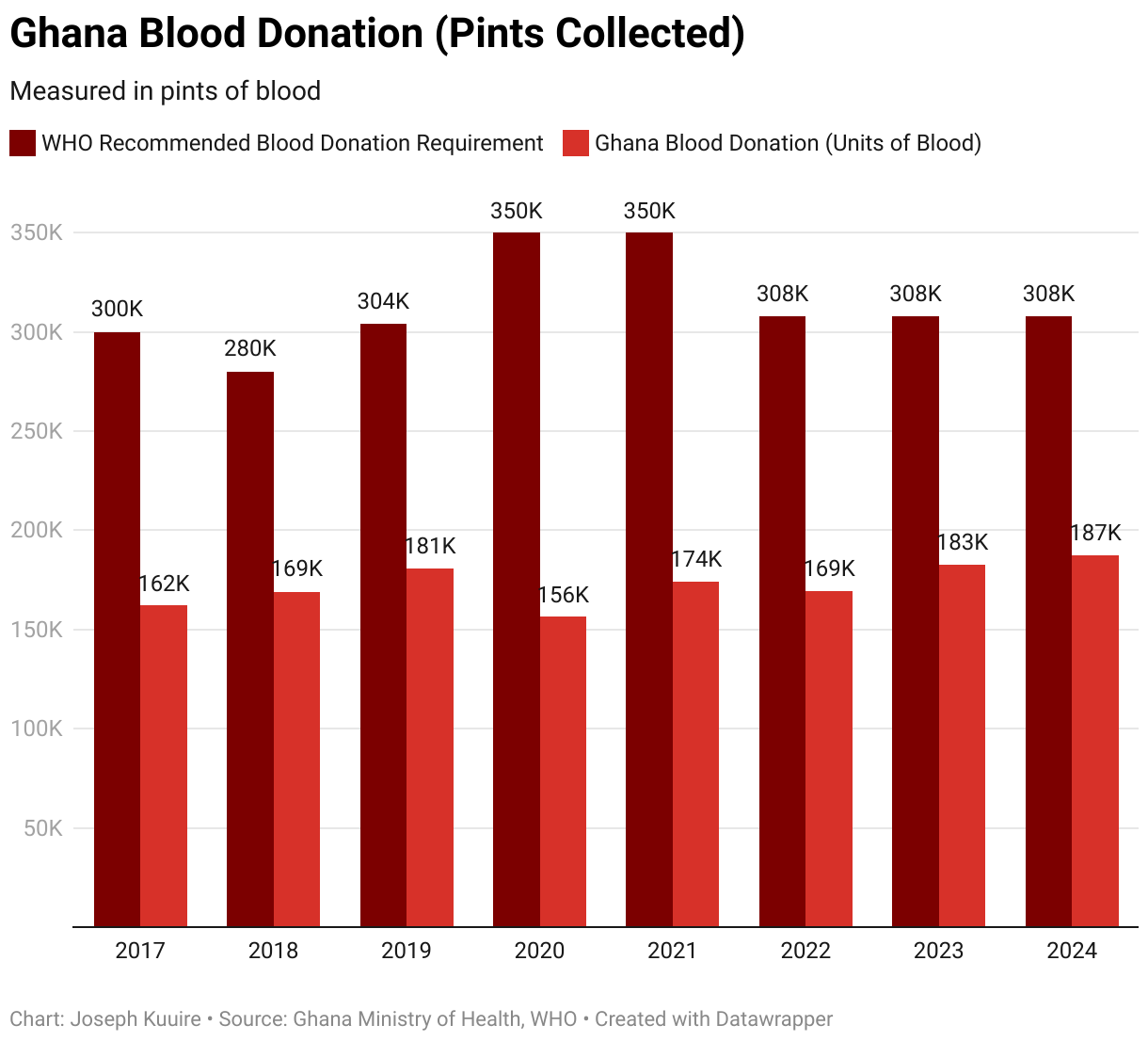
According to the National Blood Service (NBS), Ghana collects fewer than 200,000 units of blood annually, falling short of the roughly 300,000 units needed each year. This is despite having a population exceeding 30 million.
Voluntary, unpaid donations — considered the safest and most sustainable source worldwide — make up less than 30 percent of the supply in many regions, forcing hospitals to rely on “replacement” donors: family members pressured to give blood when a loved one is in need.
“If just 1 percent of the population donated blood regularly, Ghana would comfortably meet its national demand,” said Dr. Dilys John-Teye, acting head of the Southern Zonal Blood Centre, during a recent campaign launch.
Yet voluntary donors account for less than 1 percent of Ghanaians.
Consequences of Low Donations
According to reports, postpartum hemorrhage remains a leading cause of maternal mortality in Ghana, contributing to a rate that hovers around 310 deaths per 100,000 live births — far above the World Health Organization’s targets.
In emergencies, from road accidents to routine surgeries, the lack of readily available blood turns treatable conditions into tragedies.
Provisional data from the National Road Safety Authority (NRSA) show that from January to August 2025 alone, 2,180 people were killed and 12,362 were injured in 10,734 reported crashes.
Many of those injuries are severe, requiring massive transfusions that the country’s blood supply may not meet.
Ghana’s Blood Collection Index, a measure of units per 1,000 people, stood at just 6.1 in 2024, below the W.H.O.’s recommended minimum of 10. In 2024, the NBS collected 187,280 units against a target of 190,000 and a national need of over 308,000, leaving a shortfall that forces desperate measures.
Barriers to Donations
Widespread misconceptions about blood donations persist in Ghana. Some believe that donating blood weakens the body permanently, causes impotence, or rapid aging. Others believe that donated blood is sold for ritual purposes or “juju.”
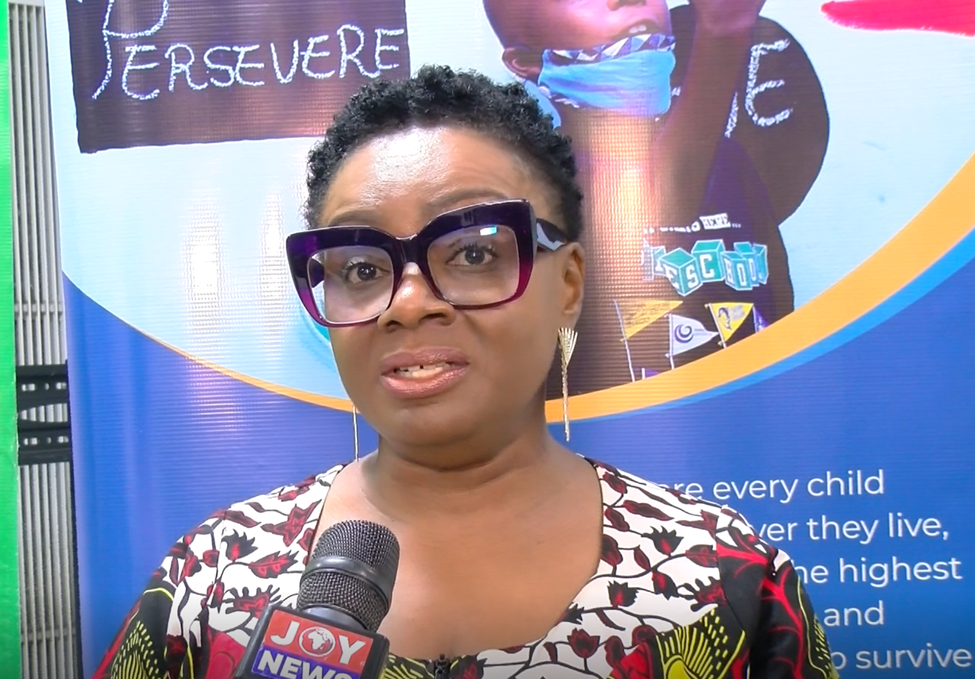
“Every unit of blood donated is fully traceable from the point of donation to the recipient,” said Dr. Shirley Owusu-Ofori, the NBS chief executive, in recent statements aimed at debunking these fears.
“Even discarded units are properly accounted for. The National Blood Service does not collaborate with any spiritual or non-clinical entities.”
Religious interpretations in some communities view giving blood as a sin or a violation of spiritual purity.
In rural areas, fears of witchcraft or that blood carries a person’s character add to the reluctance.
Lack of awareness compounds the problem. Many Ghanaians simply do not know where or how to donate safely, or they fear needles.
Glimmers of Progress
The NBS, established to centralize and standardize blood services, has made strides. In June 2025, Ghana eliminated processing fees for blood, easing the financial burden on patients.
Corporate partnerships have helped. The Melcom Group’s annual drive in July 2025 collected nearly 8,000 units across schools, malls, and branches.
Yet challenges remain acute. Infrastructure gaps, such as limited regional centers, make donations inconvenient outside major cities.
“Voluntary donations alone are not able to meet even half of the collections,” Dr. John-Teye noted.
In Greater Accra, the most resourced area, voluntary blood accounts for less than half the supply.
A Call to Action in a Nation of Potential Donors
Health officials insist the solution lies in culture change. Intensified education campaigns, school programs, and media outreach are underway to dispel myths and highlight the lifesaving impact of donation.
A digital management system to track donors and stocks nationwide, alongside more mobile drives, could help alleviate the situation.