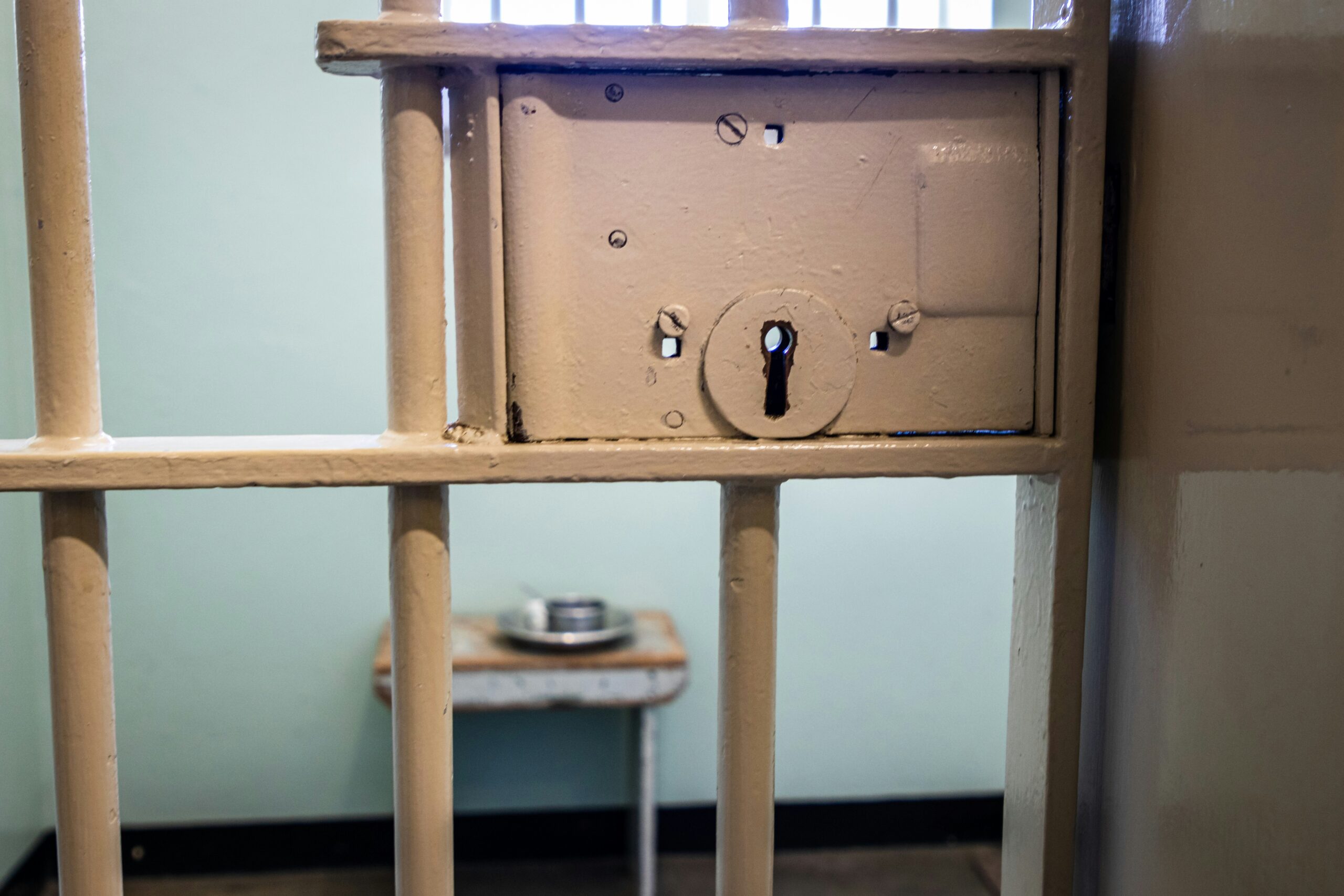
ACCRA, Ghana — In the overcrowded corridors of Nsawam Medium Security Prison, the concept of “social distancing” has long been a dark joke.
Built to house roughly 800 inmates, the facility often groans under the weight of nearly 3,500.
Many are not hardened career criminals, but young men swept up for petty thefts or minor offenses, caught in a legal system that, until now, had only one real answer for breaking the law: a prison cell.
That era may finally be nearing its end.
The Ghanaian government has submitted a Community Service Bill to parliament. If successful, the law would fundamentally shift the country’s criminal justice philosophy from one of pure retribution to one of “restorative justice,” allowing judges to trade prison bars for community labor.
The bill was presented by the Minister for the Interior, Mohammed Mubarak Muntaka on Wednesday, 4th March.
“Part of the reason for this bill is to help decongest our prisons and ensure that people who commit minor offences are given non-custodial sentences instead of being incarcerated without proper means to feed and maintain them,” he said on the floor on parliament.
The Cost of a Crowded Cell
The crisis in Ghana’s prisons has reached a tipping point. Current data suggests the nation’s prison population exceeds capacity by over 50 percent.
This congestion has created a humanitarian bottleneck, where the spread of communicable diseases is rampant, and the government’s food budget for inmates is stretched to the breaking point.
Under the current regime, a person convicted of a misdemeanor—such as a minor theft or a breach of peace—is frequently handed a short custodial sentence. While the time served may be brief, the “prison brand” is permanent.

Young offenders often emerge from months in high-security environments having lost their jobs, their family ties, and often, their aversion to more serious crime.
By introducing non-custodial sentencing, the bill would allow offenders to remain with their families and continue working while performing supervised community service—cleaning public spaces, assisting in hospitals, or working on municipal projects.
Potential Roadblocks
Despite the optimism, the path to reform is littered with obstacles. Ghana has a history of “legislative lag”—the Right to Information Act, for instance, took nearly two decades to move from a draft to a functional law.
For community service to work, Ghana will need a robust network of probation officers and a reliable system to track compliance.
In a country where the civil service is already cash-strapped, finding the funds for a new “Non-Custodial Directorate” will be a tall order.
A Test of Political Will
If passed, it would place Ghana at the forefront of a growing African movement toward penal reform, following in the footsteps of countries like Kenya and South Africa.
For the inmates at Nsawam, the news of a Community Service bill offers a distant glimmer of hope—not for them, perhaps, but for the next generation of young Ghanaians who might find themselves on the wrong side of the law.
This article was edited with AI and reviewed by human editors