



A few months ago, during an Uber ride, I explained to the driver why having a guaranteed monthly income after age 60 is important.
He immediately understood and downloaded the SSNIT app to sign up. However, he couldn’t join. The reason wasn’t a lack of motivation or finances; it was his age. He was 46 years old and had missed the entry age for new contributors.
It was painful to see because he wanted to start contributing, but the opportunity had already passed.
This encounter highlights a broader national issue. Ghana’s economy is no longer becoming more formal; it is becoming more entrepreneurial. Across the country and online, young people are selling wigs, creating content, freelancing, delivering food, and driving ride-hailing cars.
Even lawyers and consultants are increasingly operating as independent contractors. These workers are digital natives who earn outside traditional payroll systems and have incomes that fluctuate month to month.

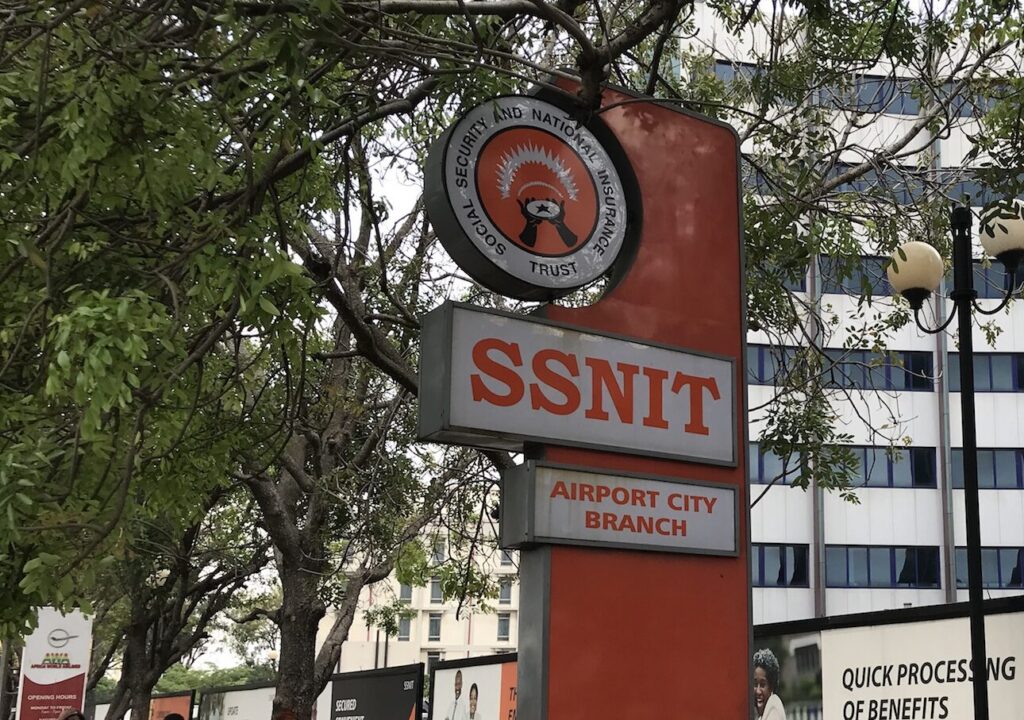
Ghana’s pension system operates on a three-tier structure, comprising two mandatory tiers and a voluntary third tier. The first tier, managed by the Social Security and National Insurance Trust (SSNIT), forms the core of old-age income security.
It offers a monthly lifetime pension to contributors who meet the minimum contribution requirement of 15 years by age 55. This reliable monthly benefit serves as the standard for retirement income in Ghana. It provides a stable, inflation-adjusted income stream that protects older individuals from poverty and reduces behavioural risks associated with lump-sum benefits.
This exclusion is worsened by a behavioural challenge that extends beyond simple forgetfulness. For the entrepreneurial worker, the idea of saving money for 40 years into the future directly conflicts with the immediate, visceral demands of the present.
Savings are not solely for retirement; they serve as capital for reinvestment in a business, a buffer for a bad month, and a means to cover rent and school fees in a high-cost economy.
The pension system, as it currently operates, requires consistent, long-term sacrifices from individuals whose incomes are inherently volatile and whose immediate survival depends on liquidity.
Therefore, the issue is not just a lack of awareness but a fundamental mismatch between a rigid structure and the precarious cash-flow reality faced by the modern Ghanaian entrepreneur.
Do the other tiers of Ghana’s pension system offer a solution?
The second tier, a compulsory occupational scheme, is effectively inaccessible because it is linked to the same formal employer-employee relationship as the first tier.
The third tier, voluntary personal pension schemes, was indeed created for this very audience. However, it might be an inadequate substitute for two main reasons.
First, it mainly provides a lump-sum payment at retirement, lacking the essential, poverty-preventing guarantee of a lifelong monthly income that the first tier offers.
Second, the domestic annuity market, which would enable retirees to convert a lump sum into a steady monthly income, remains underdeveloped.
Therefore, while Tier 3 is a valuable savings tool, it does not address the fundamental problem of ensuring secure income for old age in the informal sector.
The age limit for new entrants exists because the scheme is designed to provide lifetime benefits and requires long contribution periods to remain sustainable.
However, the practical effect is that many people become aware of the importance of pensions just as they are no longer permitted to join. Consequently, entrepreneurs will reach old age without the fundamental protection the system was designed to offer.
Many only start thinking seriously about retirement after age 40, just as the door to the first-tier’s monthly pension effectively closes.
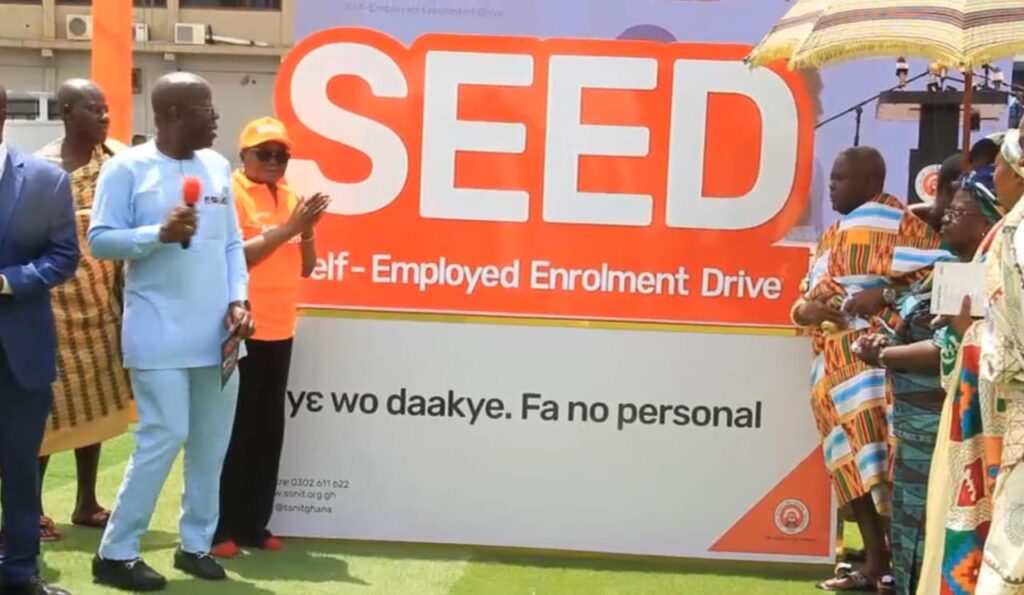
To its credit, SSNIT has acknowledged this issue. The Self-Employed Enrolment Drive (SEED) and mobile money enabled contributions have engaged over 120,000 informal workers since 2023.
However, this is only a small part of the millions in need of coverage. The pace of reform must speed up.
The question is no longer whether the system must change, but how. Ghana needs a pension scheme suited to its modern workforce. If the pension system fails to adapt, the country risks increasing old-age poverty in the coming decades.
For every driver, freelancer, or small business owner who realises too late that a first-tier monthly pension is beyond their reach, the message is clear: time moves quickly, and each month is crucial.
Yet, the deeper truth is that Ghana must develop a pension system that reflects where workers are now, not where the system assumes they are.
The views and opinions expressed in this article are those of the author and do not necessarily reflect the views of The Labari Journal. This content represents the author’s perspective and analysis.


