For two decades, Ghana’s capital has fought a quiet, persistent battle for clean air, making slow but measurable progress by reducing reliance on traditional wood and charcoal fuels.
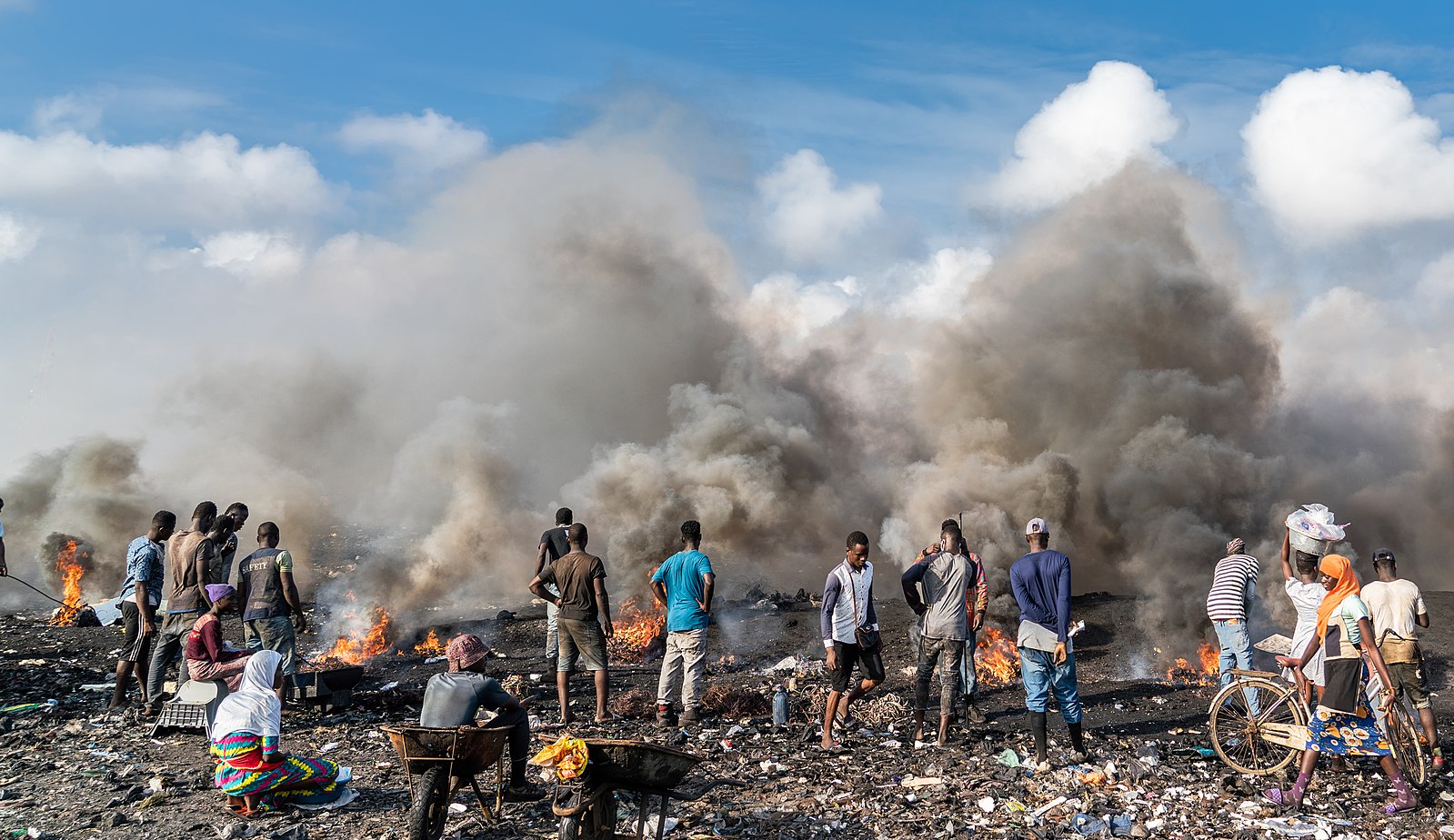
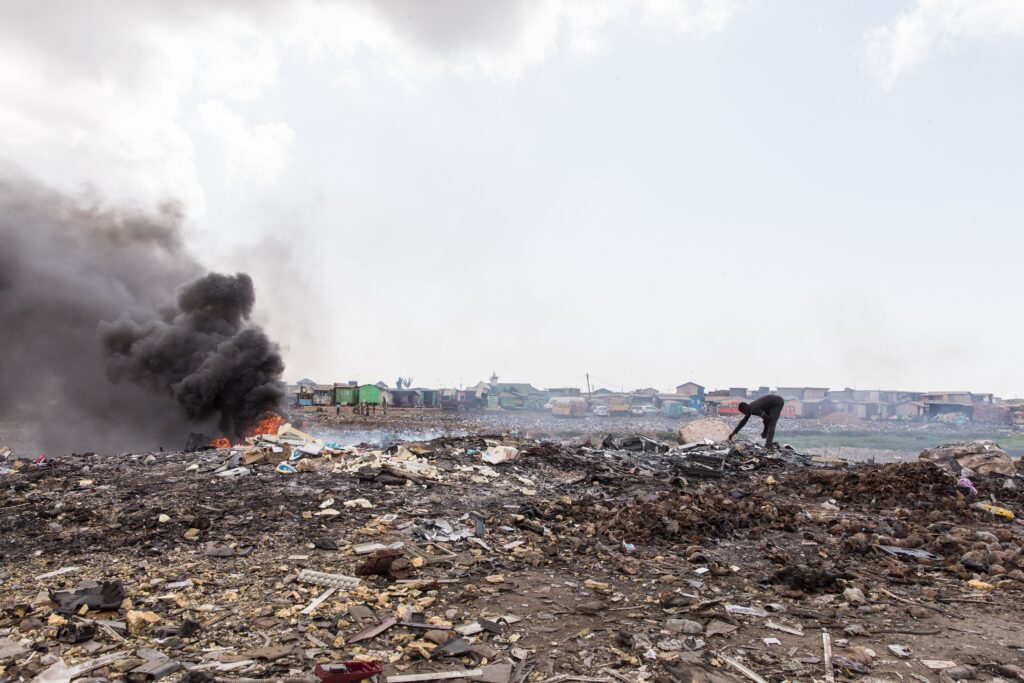
Yet, a new analysis of air quality data reveals that these hard-won gains are being rapidly erased by a pervasive, deadly factor: the mounting problem of uncollected refuse being set ablaze across the sprawling metropolitan area.
The result is a deepening public health catastrophe, centered on three densely populated zones—Jamestown, Labadi, and Abofu—that researchers have identified as Ghana’s new “toxic triangle” of airborne hazards.
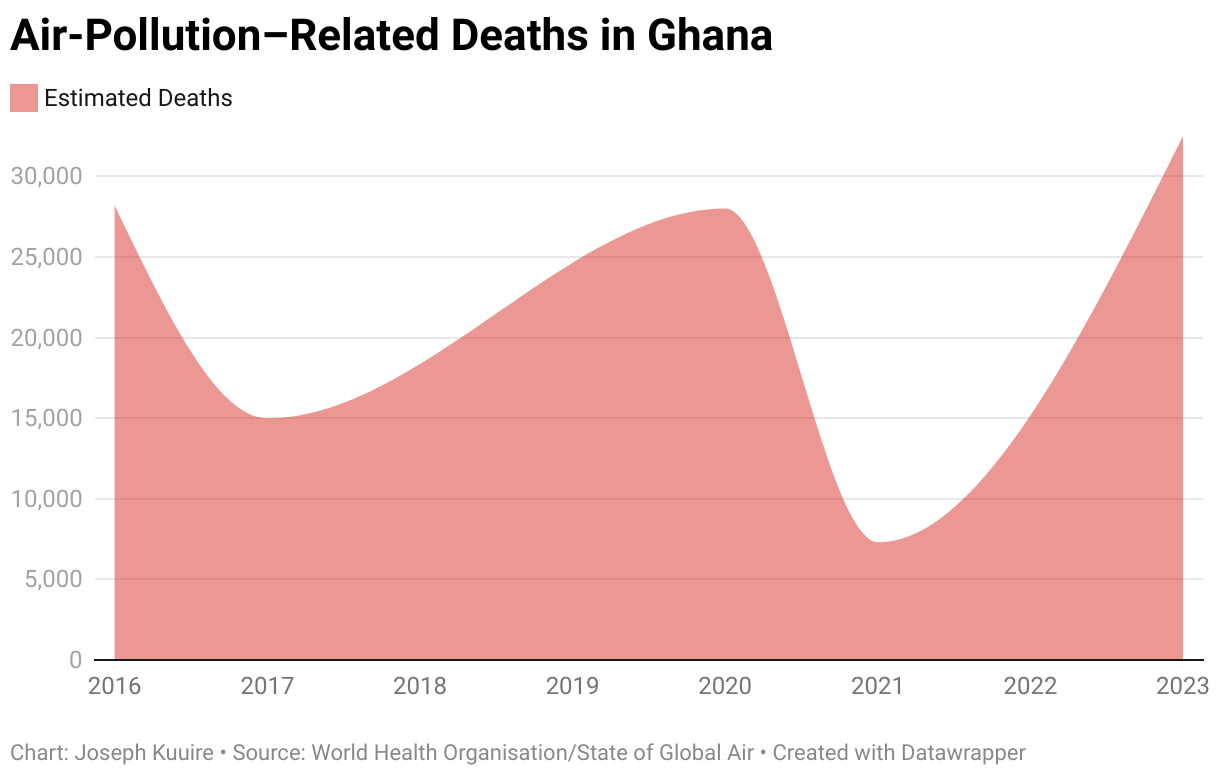
According to findings presented at the recent Breathe Accra National Stakeholder Convening, the city’s air pollution now contributes to an estimated 32,000 premature deaths annually, a figure that tragically surpasses fatalities linked to road accidents, malaria, and H.I.V.
The Peril of Burning Garbage
While traffic emissions have remained a consistent contributor to Accra’s poor air quality, a comprehensive 20-year analysis shows a critical shift in the dominant pollution source.
Dr. Raphael Arku, an associate professor of Environmental Health Sciences who led the monitoring team, explained that the reduction in emissions from biomass burning, while significant, has been overshadowed.
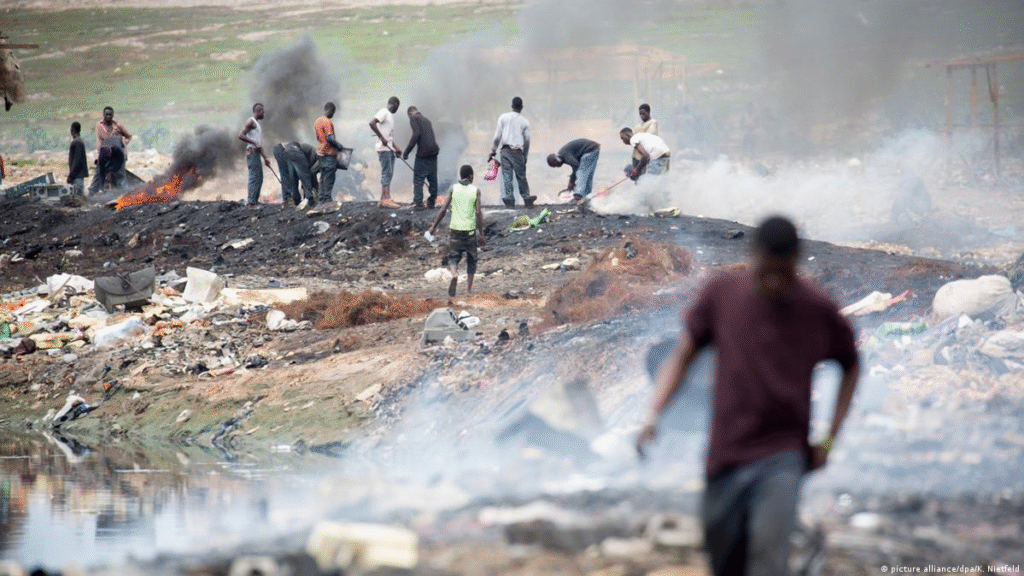
“We are also not doing well in trash collection. So people are now burning the trash,” Dr. Arku noted, “It’s making up for the gains that we make in biomass burning. That means we are not making much progress anymore.”
This unregulated combustion of waste releases a cocktail of harmful pollutants, including fine particulate matter (PM₂.₅) and sulfur dioxide (SO₂), which penetrate deep into the lungs and bloodstream.
Life in the Toxic Triangle
The crisis is acutely felt in the designated high-risk zones, where local industries and poor urban infrastructure compound the danger:
Labadi (La)
Identified as the single highest-risk district, Labadi is characterized by extreme dust exposure. Many school compounds lack protective grass cover, leaving children, one of the most vulnerable groups, directly exposed to airborne particulates.
Abofu
This community, a hub for meat processing, registered alarming spikes in both SO₂ and PM₂.₅. Researchers pointed to the practice of preparing popular local meat products, noting grimly, “We all like wele, but wele is killing us.”
Jamestown
The historic coastal community sees elevated rates of air-quality-related illnesses among women involved in traditional fish smoking, a process that utilizes open fires and biomass.
The Ghana Health Service (GHS) delivered a stark message detailing the growing clinical burden. Health facilities are struggling with high numbers of respiratory illnesses, including chronic coughs, asthma, and acute infections in children.
Furthermore, the GHS highlighted serious reproductive health risks, such as low birth weight and poor fetal growth, facing women exposed to significant biomass pollution.
A Push for Policy and Enforcement
Despite the grim statistics, the convening, supported by the global Breathe Cities initiative, served as a crucial turning point, aligning scientists, health officials, and municipal authorities around the need for urgent policy implementation.
The Ministry of Health was resolute, positioning clean air as a “non-negotiable public health imperative.”
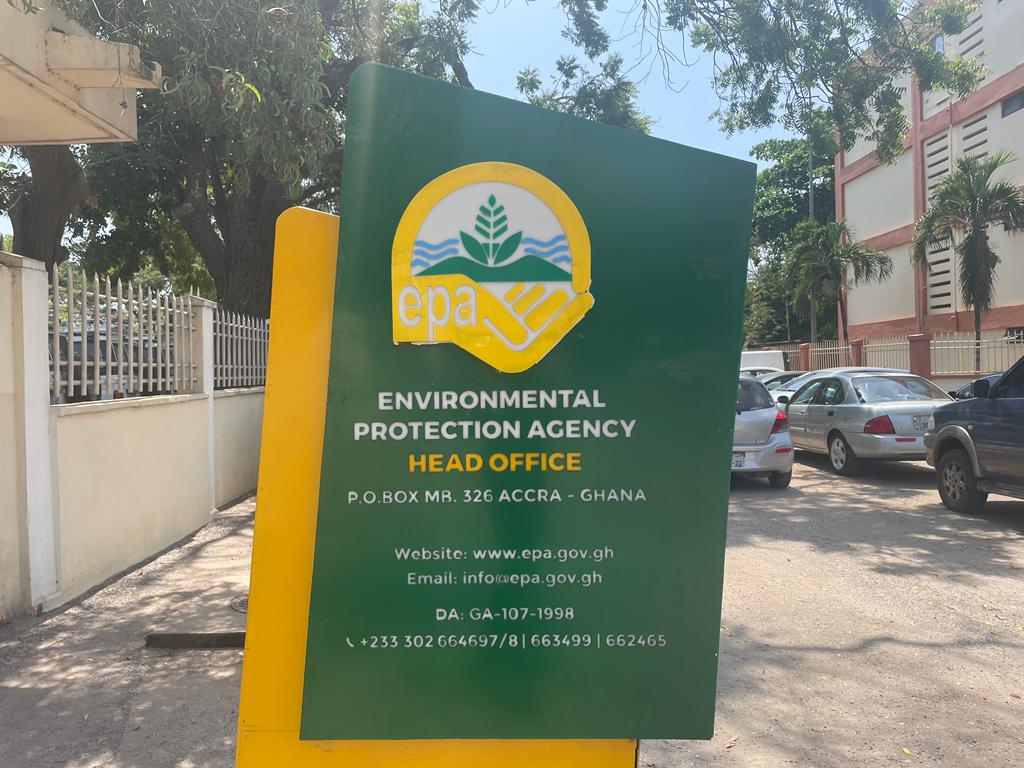
Crucially, the Environmental Protection Agency (EPA) announced major legislative steps designed to address the enforcement deficit.
The new Environmental Protection Act, 2025 (Act 1124), and accompanying Air Quality Management Regulations (L.I. 2507) are intended to expand the EPA’s mandate, granting it broader regulatory and enforcement powers.
The agency is also working to update national ambient air-quality standards and vehicle emissions protocols.
The challenge now shifts from identification to action, requiring swift, coordinated political will to implement the new regulations and invest heavily in modern, efficient waste management systems to finally afford Accra’s residents the fundamental right to breathe clean air.
This article was edited with AI and reviewed by human editors