


Story Highlights
- Nigeria’s broadcast regulator issued a formal notice on April 17 threatening sanctions against stations and presenters for airing “divisive” or “unbalanced” content
- SERAP, Amnesty International, and former Vice President Atiku Abubakar have condemned the directive as unconstitutional censorship
- The backlash comes as Nigeria moves into an increasingly charged pre-election period ahead of the 2027 general elections
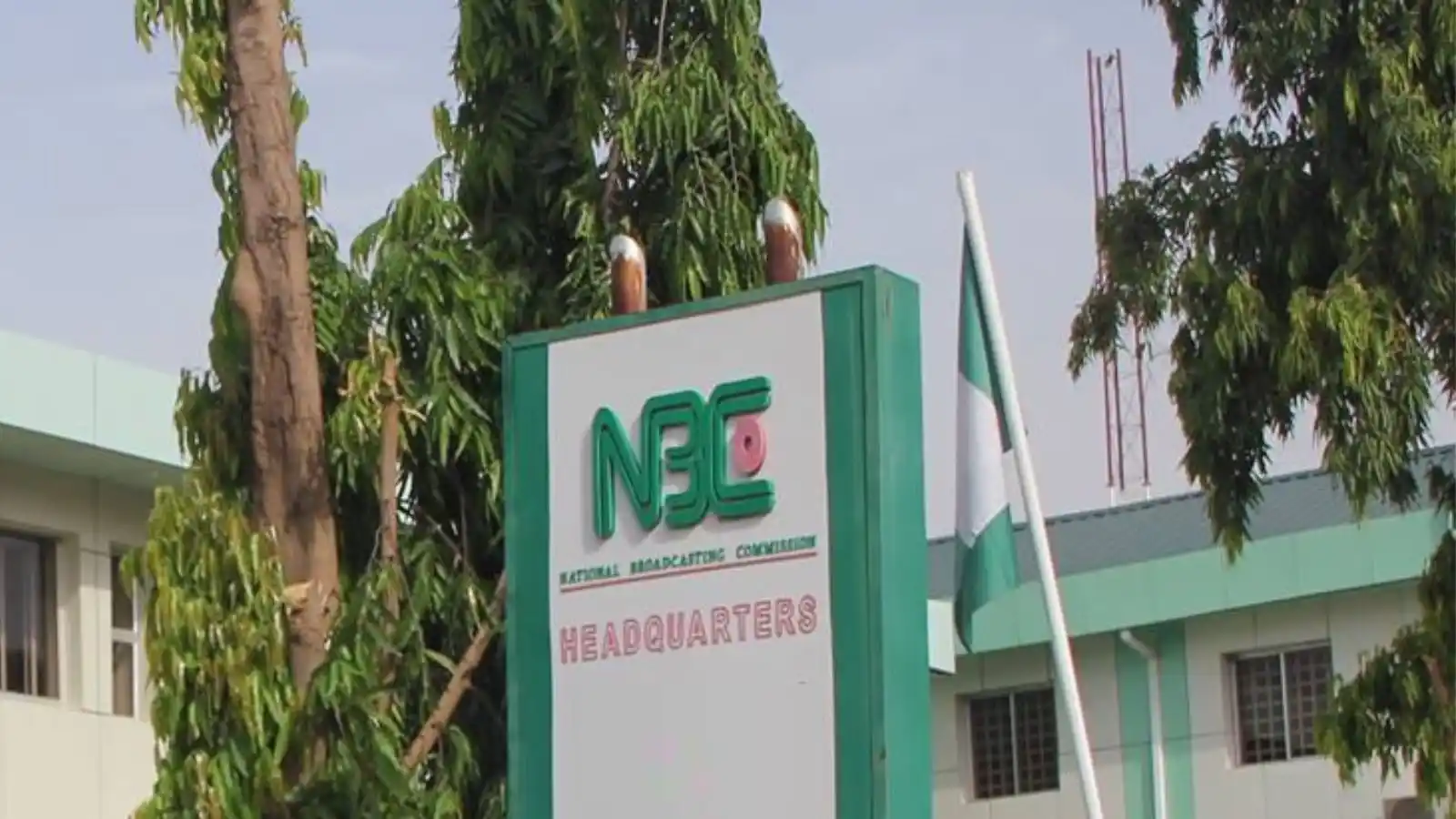
Nigeria’s National Broadcasting Commission issued a formal notice to broadcast stations across the country, warning of stricter enforcement of the Nigeria Broadcasting Code following what it described as a sustained rise in ethical and professional breaches, particularly in news, current affairs, and political programming.
The NBC said broadcast platforms are increasingly being used in ways that undermine journalistic ethics, warning that the nation’s airwaves must not become tools for amplifying division or spreading falsehoods.
The commission warned that inflammatory, unverified, or divisive broadcasts would not be tolerated, particularly as the country moves toward the 2027 general elections, and stressed that compliance with the Broadcasting Code is “mandatory, not discretionary.”
What the Commission Said
A major focus of the NBC’s warning is what it described as a “crisis” in professionalism among programme anchors and presenters.
According to the commission, several broadcasters have violated key provisions of the Code by expressing personal opinions as facts, failing to provide balanced viewpoints, and allowing inflammatory content to go unchecked.
Beyond concerns about professionalism, the commission also highlighted what it described as the misuse of broadcast platforms by political actors, noting a rising trend of political content featuring hate speech, inflammatory language, and divisive narratives.
The commission also reiterated that broadcasters retain full editorial responsibility for all content they air, including live programming, and cannot shift accountability to guests or contributors.
Any presenter found to have committed such infractions, including expressing personal opinion as fact, bullying or intimidating a guest, or denying fair hearing to opposing views, shall be deemed to have committed a violation classified as a Class B breach under the Code.
The Backlash
The directive triggered an immediate and forceful response from civil society and political figures.
The Socio-Economic Rights and Accountability Project (SERAP) asked President Bola Tinubu to direct the NBC to withdraw the notice, describing it as unlawful and repressive.

SERAP said the directive “represents a dangerous attempt to impose prior censorship on the media and suppress legitimate journalistic expression.”
The organisation argued that the timing of the directive ahead of the 2027 general elections undermines Nigerians’ democratic rights to receive diverse information, hear competing political viewpoints, and engage in open debate.
It gave the federal government 48 hours to act, warning that it would pursue legal action if its demands were not met.
Amnesty International also faulted the NBC’s notice, with its Nigeria Executive Director, Isa Sanusi, saying the move undermined the independence of the media and violated international human rights standards.
“Broadcasters must continue doing their job fiercely and independently without fear,” the statement read.
Adding a political dimension, former Vice President Atiku Abubakar described the directive as “creeping censorship” and warned of its implications for Nigeria’s democratic process, noting that it represents a troubling pattern of attempts to muzzle the media as elections approach.
A Constitutional Question
At the heart of the controversy is a legal dispute over whether the NBC’s directive conflicts with constitutional free expression protections.
SERAP argued that Section 1.10.3 of the Nigeria Broadcasting Code, which prohibits presenters from expressing opinions, amounts to prior restraint that impermissibly excludes commentary, analysis, and value judgments — described as “the core of journalism and democratic discourse.”
The organisation further contended that the directive violates the right to freedom of expression guaranteed under Section 39 of the 1999 Constitution, as well as international human rights laws, and that journalism inherently involves analysis, commentary, and value judgments — all of which are protected forms of expression.
Amnesty International went further, insisting that the NBC lacked the authority to dictate how journalists carry out their professional duties and called on Nigerian authorities to halt what it described as the misuse of the NBC to stifle independent journalism.
What Comes Next
The NBC has not publicly responded to the backlash. With SERAP’s 48-hour deadline now elapsed and legal action threatened, the dispute is likely to escalate — and could end up before Nigerian courts.
For now, the controversy has placed Nigeria’s broadcast media at a crossroads: between a regulator insisting on professional standards and a press corps — backed by international rights bodies — that sees in the fine print a blueprint for silencing dissent ahead of a consequential election.
Source: Reuters
This article was edited with AI and reviewed by human editors



Follow