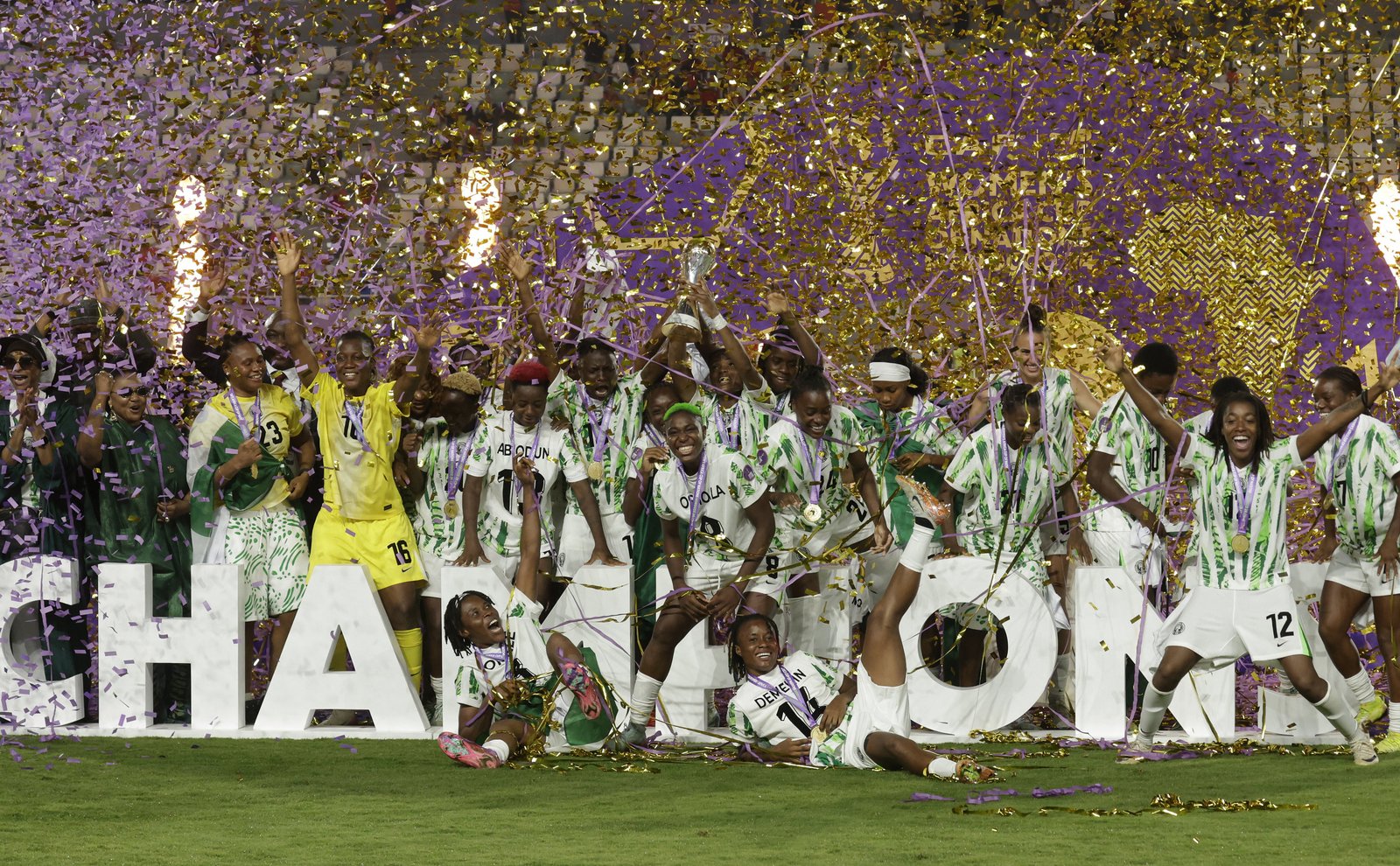
This past weekend, two remarkable events in women’s sports unfolded on opposite sides of the Atlantic.
In Chicago, the WNBA celebrated its 30th season with an All-Star Game that attracted a record crowd of 19,783 people to the United Center. Ticket sales were reportedly 32 percent higher than the previous year’s already record-setting event, with buyers travelling from more than 40 states to attend the annual event.
Even former President Barack Obama was in attendance, with the newly opened Obama Presidential Center hosting special community programming, Media Day, and the Innovation Summit from July 23–25, 2026. The tournament has seen remarkable attendance growth, with crowds increasing by approximately 108.9% in just three years—from 9,472 in 2023 to 19,783 in 2026.
In Morocco, the 2026 Women’s Africa Cup of Nations began with considerably less fanfare. What is supposed to be the largest event on the African women’s sports calendar, and one of the most significant in the African sporting world, kicked off in Rabat, the third year in a row the North African nation plays host to the tournament.
Africa’s best women footballers arrived to compete for the continent’s greatest prize and, in the case of the four semifinalists, direct qualification for the 2027 FIFA Women’s World Cup.
But anyone who has been watching the matches will have noticed one glaringly consistent feature: The football is happening in front of rows and rows of empty seats.
From almost every camera angle, the stands appear deserted, sparsely occupied, if at all. The notable exceptions have been Morocco’s opening match and subsequent game against Algeria that saw the host nation’s fans fill up a good portion of the stands
The now historic game between 10-time champion Nigeria and Malawi, who made an iconic debut thanks to the Chawinga sisters, who also became the first siblings to score in the same WAFCON match.
Yet, even during these matches, as history is being made, the stadium remained far from full. A viral image posted by ESPN Africa has drawn criticism for making a post that could be interpreted as mockery, with women’s sports content creator Coach Jackie J describing it as “rage bait”.
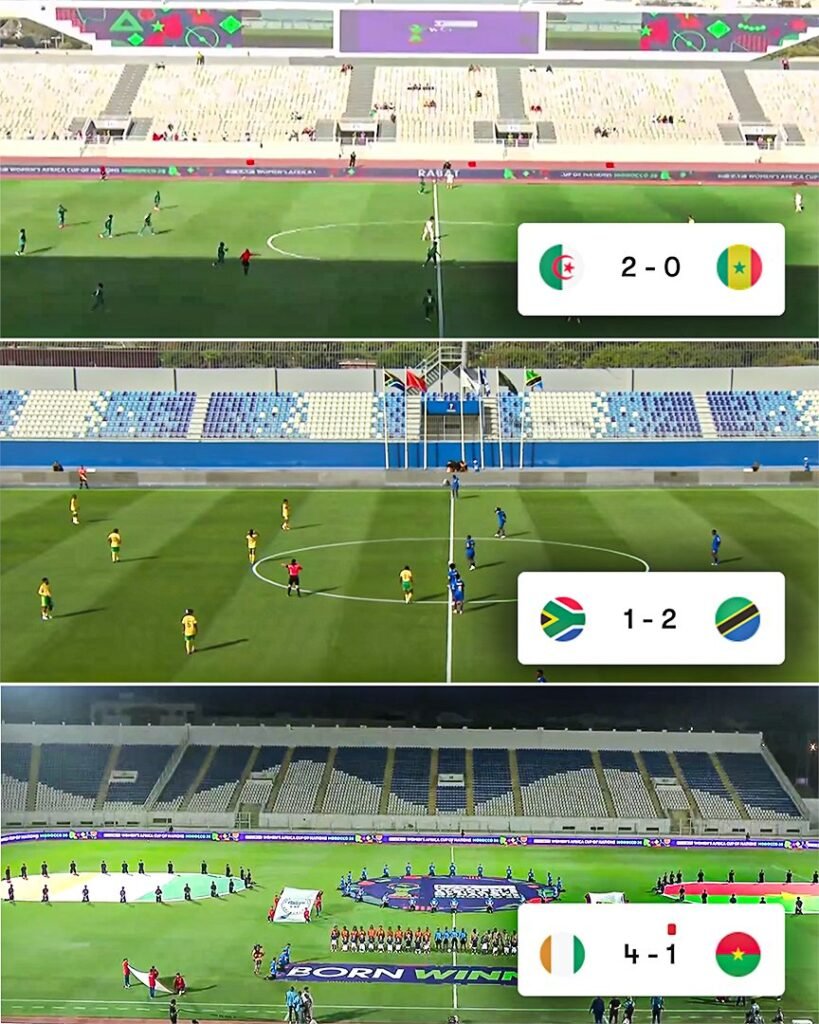
Engagement below the post is full of comments that have reignited the age-old sexist belief that “nobody wants to watch women’s sports”, which couldn’t be further from the truth.
Even amid this backlash, CAF has not put forward any measures to address the lack of crowds at the event, adding to the worry that they essentially do not care about the event’s real or perceived success.
It would be easy to look at these images and conclude that African audiences are not interested in women’s football. That would also be a convenient way for the people responsible for organizing and promoting the tournament to avoid responsibility.
The empty seats are not proof of absent demand. They are the physical result of absent planning.
Then there is the question of Morocco itself. This is the third consecutive Women’s Africa Cup of Nations to be hosted there. Morocco undoubtedly possesses some of the continent’s finest football infrastructure, and its investment in the women’s game deserves recognition.
But infrastructure alone does not make an ideal continental host.
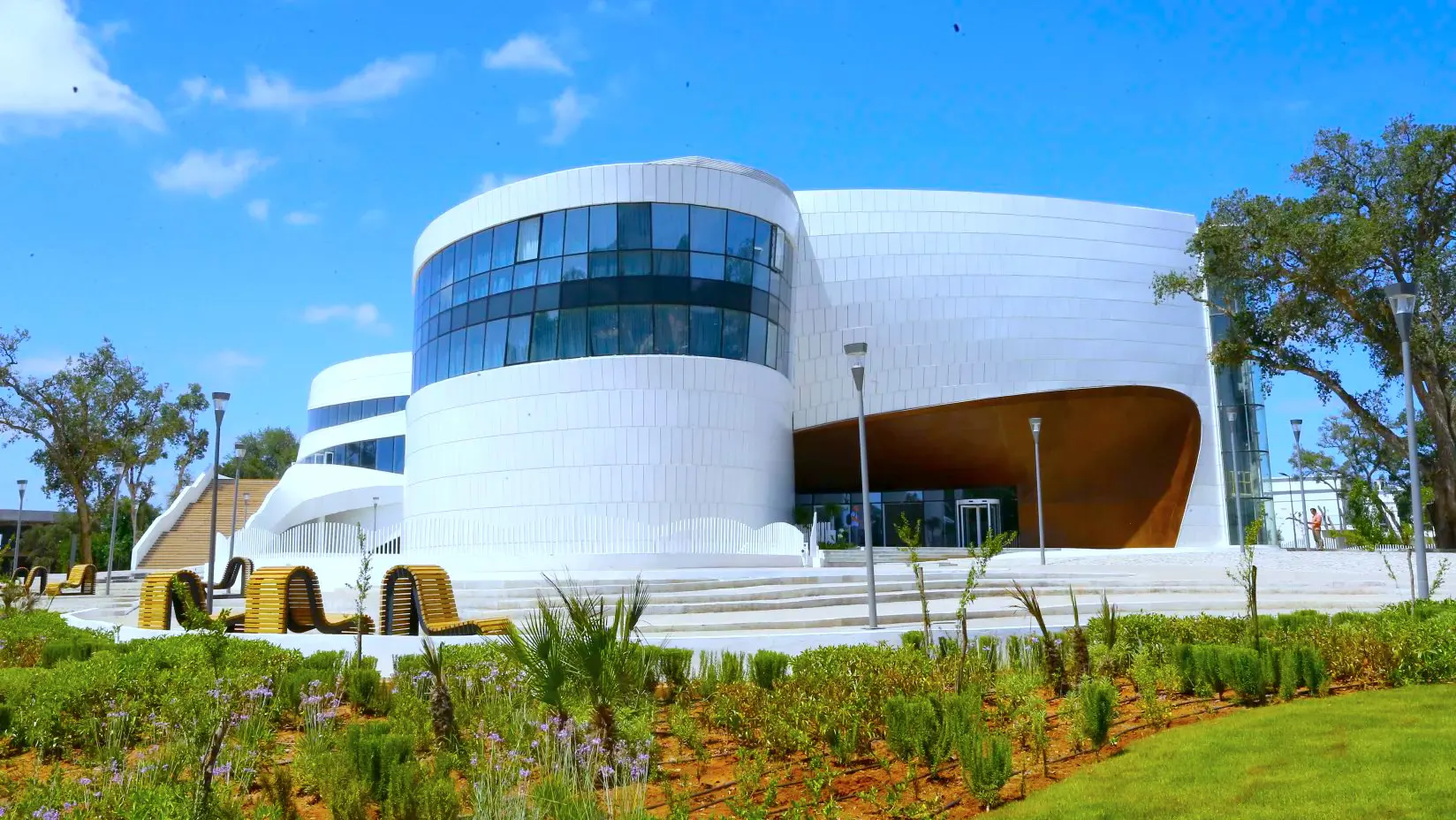
A tournament intended to unite Africa should also be accessible to Africans. For many supporters, Morocco remains an expensive destination requiring indirect flights, significant travel costs and, depending on nationality, a visa application.
For others, documented experiences of racial discrimination against Black Africans have also shaped perceptions of whether the country feels welcoming enough to justify making the journey.
If CAF wants supporters to travel across the continent, accessibility cannot be measured only by stadium quality. It must also be measured by how easy and how comfortable it is for African fans to get there.
The Warning Signs Started Long Before Kickoff
The disorganization surrounding this tournament did not begin when the gates opened.
WAFCON 2026 was supposed to be the competition’s largest and most ambitious edition yet: an expanded field of 16 teams, some of the most recognizable players in global football and six possible African qualification places for the 2027 Women’s World Cup—four direct places for the semifinalists and two opportunities through the inter-confederation playoffs.
Instead, just 12 days before the tournament was originally scheduled to begin in March, CAF postponed it until July and August, citing “unforeseen circumstances.” Teams including Nigeria and South Africa had already begun preparing for the original dates.
And what about the supporters? Morocco is not an affordable destination for many Africans, and for supporters from countries including Nigeria, South Africa, Zambia, and Egypt, travelling also means navigating visa applications, another process requiring both time and money.
A continental championship should make it easier for supporters to follow their teams, not harder. During the 2025-2026 men’s AFCON, Morocco introduced a free electronic visa for supporters through the YALLA app, a welcome recognition that asking Africans to support African football should not involve navigating expensive and time-consuming immigration processes.
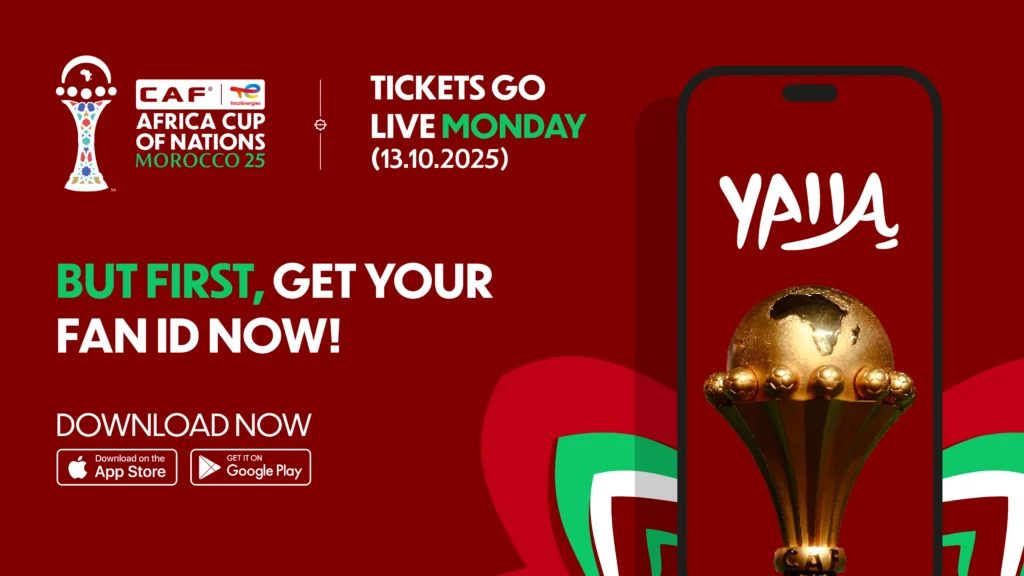
This was, at least, an acknowledgment that visas remain one of the greatest obstacles to intra-African sporting culture. Which begs the question: why wasn’t the same done during the women’s tournament?
Yet even that promising idea was undermined by execution. Technical problems with the platform reportedly prevented some supporters from completing their applications, turning what should have been a wide-open invitation into another administrative hurdle.
Wanting to attend the tournament, I had firsthand experience with this technical glitch and was never able to access the waiver, making the tournament inaccessible to me as a Nigerian passport holder who could not afford to go through the visa process.
Perhaps that is the recurring story of African football: we are not short of good ideas. We are too often short of the institutions capable of delivering them consistently.
A tournament of this scale cannot be treated like a local five-a-side fixture whose date can be shifted in the group chat. National teams plan training camps, player releases, travel, accommodation, medical support and preparation schedules months in advance.
Supporters must arrange flights, time away from work and somewhere to stay. Sponsors and broadcasters need time to develop campaigns. Media organizations must decide where to send reporters and what resources to allocate.
Every late decision reduces the possibility of building the audience the tournament deserves.
That Pattern Continued with Ticketing
Major sporting events are not created during opening weekend. They are built for months through anticipation, storytelling, local engagement and repetition. Supporters do not materialize simply because CAF publishes a fixture graphic. They need to be invited into the story before the first whistle.
For those who could make it to Morocco, they faced an additional hurdle when attempting to secure their attendance. Official tickets reportedly became available only on July 22, five days before the opening matches, with initial sales restricted to Visa cardholders for the first 48 hours, an additional hurdle in the already delayed ticket sales campaign.
For an event that had dates announced in February, three days of general public ticket sales is more than a sign of poor planning.
The cheapest tickets cost roughly $2, eliminating price as the most obvious explanation for the low turnout. But affordable tickets are not the same thing as accessible tickets.
A ticket can cost almost nothing and still fail to sell when people do not know that it exists, have not been given time to organize themselves, or have not been persuaded that the occasion is worth attending.
Even Watching the Tournament Became a Puzzle
The confusion extended beyond the stadiums. Before kickoff, CAF announced that Channel 4 would broadcast the tournament in the United Kingdom, an important development that appeared to promise free access through a major international platform.
Articles and social media posts circulated telling British viewers that every match would be available.
Then kickoff arrived. Viewers searched Channel 4’s television schedule, streaming service and sports channels but could not find the matches they had been told would be available.

Broadcasting is not an administrative detail. It is one of the foundations upon which a sport grows.
Nigerian forward Asisat Oshoala, a six-time African Women’s Footballer of the Year who has played professionally in England, China, Spain, the United States and Saudi Arabia, explained the consequences plainly:
“Better broadcasting would help the game. It would also give players more exposure because agents and clubs could watch from anywhere.”
She added: “If people can’t watch these players, they won’t have opportunities to sign for bigger clubs.”
Her point should be obvious, but it is still treated as though it were an ambitious request.
Visibility is not merely about fame. It affects recruitment, sponsorship, endorsements, transfers and whether the next generation of players can imagine a professional future in the sport.
A player cannot become a household name if the household cannot find the match.
Where Is the Marketing Machine?
This is particularly frustrating because African women’s football already has the personalities, talent, rivalries and history that effective sports marketing requires.
Nigeria are the defending champions and the most successful national team in the competition’s history, having won a record 10 titles.
Equatorial Guinea have won twice. South Africa are former champions. Morocco reached the previous final. Zambia possess some of the most recognizable African players in global football. Malawi’s Temwa and Tabitha Chawinga have become stars beyond the continent.
There are established heroes too.
Perpetua Nkwocha won WAFCON six times with Nigeria, claimed four Golden Boot awards and scored a tournament-record 11 goals during the 2010 edition.
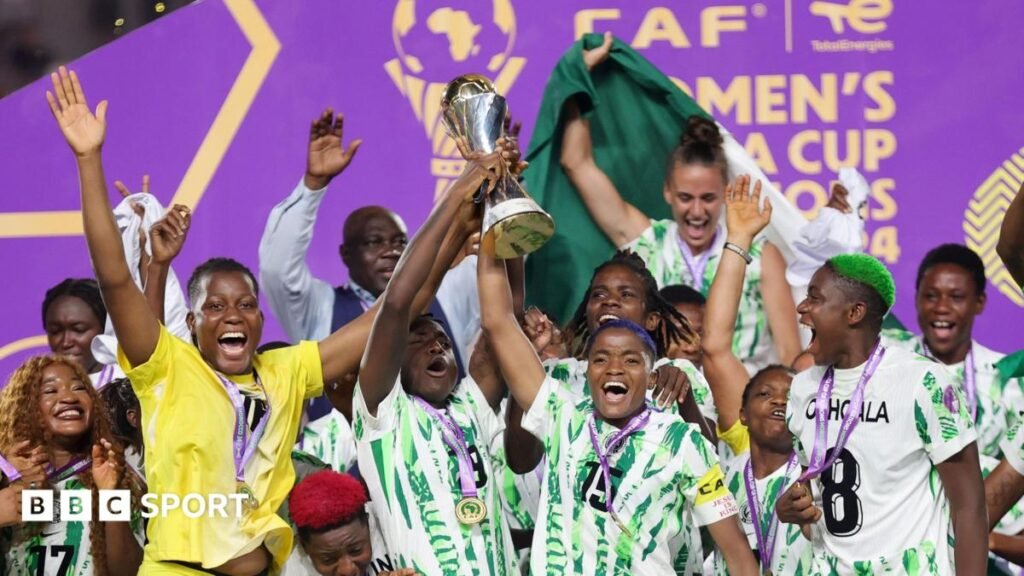
She and other former players should not appear only when someone remembers to make a “legends of the game” post. They should be ambassadors, analysts, campaign faces and storytellers connecting the tournament’s history to its present.
CAF should have been building campaigns around these women months ago.
It could have worked with Nigerian creators to mobilize one of the world’s most active digital cultures. It could have partnered with supporters’ groups and travel companies to develop packages for fans travelling to Morocco.
It could have introduced behind-the-scenes series following players preparing for the tournament. It could have placed former champions in schools, communities and media campaigns across host cities.
Instead, the tournament arrived as though global stars, World Cup qualification and continental pride would market themselves.
They do not.
Other Leagues Are Showing What Investment Looks Like
The contrast between women’s sports in Africa and the rest of the world is difficult to ignore.
In Europe, the 2025 UEFA Women’s EURO, hosted in Switzerland, set a new all-time tournament attendance record of 657,291 spectators, with 29 of 31 matches sold out. That same enthusiasm is building elsewhere.
According to figures released by FIFA, the 2023 Women’s World Cup in Australia and New Zealand generated more than $570 million in revenue, with 2 million fans in attendance, making it the most-attended Women’s World Cup in history.
In Brazil, a recent poll found 62% of respondents interested in women’s soccer, with 60% planning to watch the tournament’s 10th edition.
The same pattern is playing out in the US. First in soccer, and then even more dramatically in basketball.
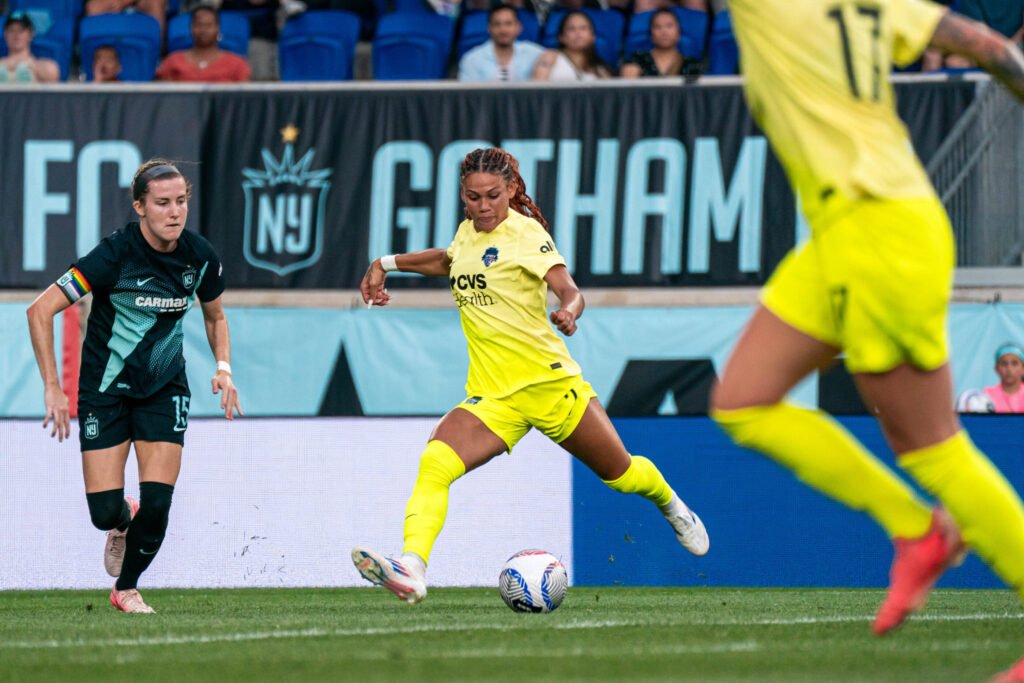
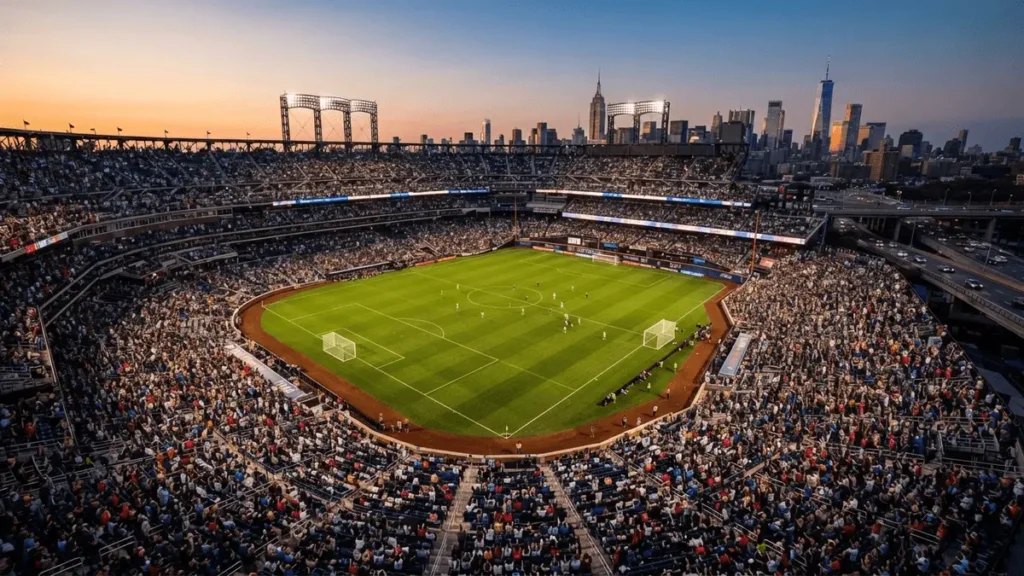
In 2013, the National Women’s Soccer League’s average attendance was approximately 1,656 spectators. In July 2026, Gotham FC and the Washington Spirit drew a sold-out crowd of 42,175 to Citi Field for the Queens Classic, the largest attendance for a women’s sporting event in New York City history, and the second-highest crowd in NWSL history.
Forty-two thousand people did not spontaneously decide to attend a club soccer match.
The occasion was named. It was promoted. It was placed in a major stadium. Star players were centered. The game was transformed into an event that audiences believed they should not miss.
This is what investment does. It does not manufacture interest from nothing. It identifies existing interest, gives it somewhere to gather, and helps it grow.
Basketball tells an even sharper version of this story. The WNBA’s 2026 All-Star Weekend was not successful solely because people suddenly discovered that women could play basketball. The league, its players, commercial partners, broadcasters, and media ecosystem have spent years making the product easier to watch, discuss, and participate in.
The record crowd of 19,783 was only one part of the picture. Ticket demand increased. Dozens of brands created on-site experiences. Reported payment for participating WNBA All-Stars rose from $2,575 in 2025 to $15,000 in 2026, following the league’s new collective bargaining agreement.
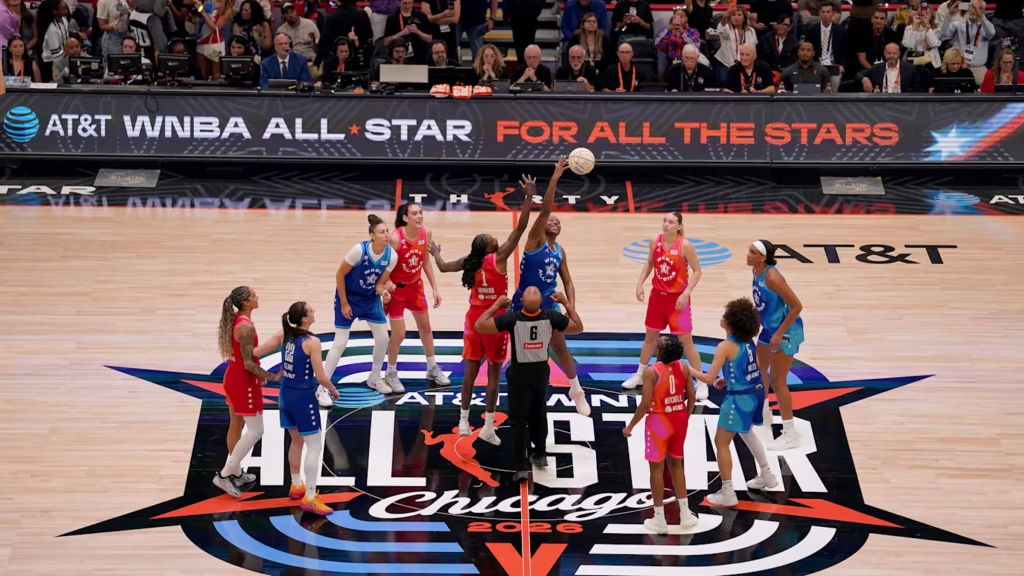
The weekend was treated not simply as a basketball game but as a cultural event worth traveling for, sponsoring, and talking about. Days later, social media accounts dedicated to women’s sports were still buzzing with posts from the weekend.
That progress did not happen overnight, and it remains imperfect. WNBA players have fought publicly and persistently for better compensation, facilities, travel conditions, and investment.
But progress can now be measured.
More people are attending. More brands are spending. Players are earning more. Media organizations are paying closer attention. The league is expanding.
None of this has happened yet at comparable scale on the African continent — which is exactly the gap worth naming before asking what it would take to close it.
Africa Is Not Short of Digital Audiences
The NBA and WNBA recently expanded their relationship with TikTok through a multiyear partnership built around creators, highlights and directing viewers toward live games.
At the center of the partnership is TikTok GamePlan, a collection of tools designed to help leagues, teams and media companies convert social-media discovery into live-game viewership.

TikTok says sports fans are 42 percent more likely to watch a live game after encountering related sports content on the platform. During the 2026 NBA Finals, GamePlan initiatives reportedly generated hundreds of millions of impressions.
Why are similarly ambitious partnerships not being developed around African women’s football?
One recent estimate placed TikTok’s African audience at approximately 189 million users, while another estimated more than 233 million users across the combined Middle East and Africa region.
Exact measurements vary, but the broader point does not: Africa is not short of young, connected audiences consuming culture through their phones.
African creators are already using TikTok to reshape how younger audiences encounter politics, history, agriculture, fashion, music and popular culture. Sport should be no different.
CAF does not necessarily need to reproduce an American partnership word for word. Data costs, connectivity, language differences and the diversity of African media markets require locally specific solutions.
But where are the equivalent experiments?
Where are the official creator programmes? Where are the regional highlight partnerships? Where are the player-led series designed for Nigerian, Moroccan, Ghanaian, South African, Kenyan, Senegalese and Francophone audiences?
Where are the live-game discovery tools, localized commentary feeds, and short-form campaigns that direct fans from a viral goal to the next fixture?
A graphic announcing kickoff is not a digital strategy.
DStv Cannot Be the Entire Plan
Broadcasting within Africa also needs greater competition and imagination. CAF must pursue partnerships that improve affordability, availability and promotion.
DStv and other subscription broadcasters remain important to the African sports ecosystem. Still, access to major women’s competitions cannot depend primarily on customers paying for the most expensive television packages.
A monopoly on meaningful access restricts the audience before the competition has been allowed to develop one.
CAF should combine commercial television deals with free-to-air matches, accessible digital streams, mobile partnerships, public screenings, radio commentary and content that can circulate legally across social platforms.
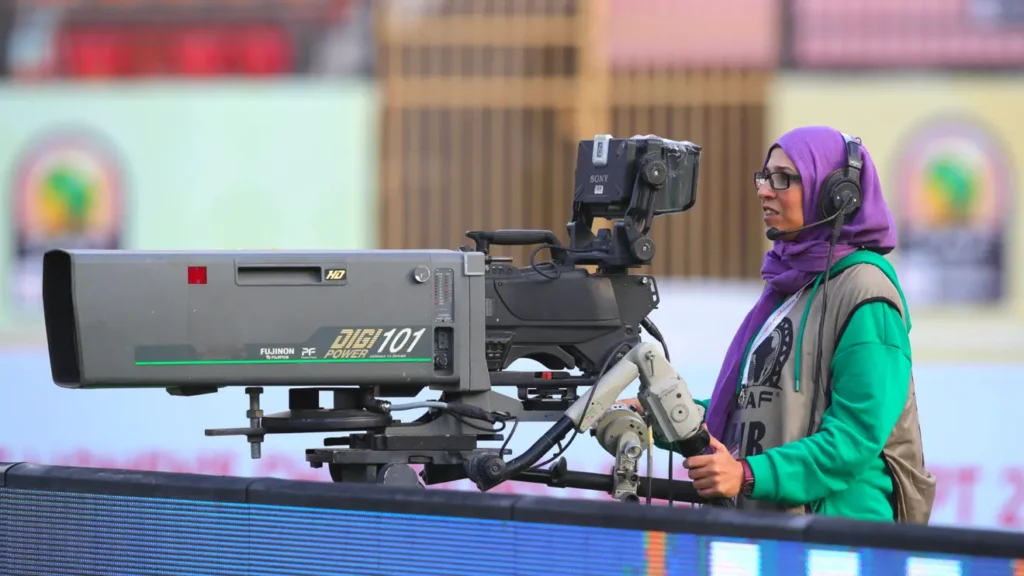
The objective should not be merely to confirm that broadcasting rights have been sold.
It should be to ensure that people can actually watch.
Last season, the WNBA ended on a high of 63 million total unique viewers. This year, about halfway through the season, the league has beaten this number, surpassing it at 73 million.
Yet, for the WAFCON 2024 in Morocco, no official numbers of television or digital viewers were published by the Confederation of African Football (CAF). While the tournament produced memorable moments on the pitch, the absence of this data leaves one of its most important success metrics unknown.
This lack of transparency presents a critical challenge for the long-term commercial growth of the competition. Audience data is the currency that underpins modern sports.
Broadcasters use it to assess the value of media rights, sponsors rely on it to measure return on investment, and brands and institutional investors use it to determine whether a competition is worth backing.
Without credible, independently reported viewership figures, it becomes significantly harder to demonstrate WAFCON’s commercial value, attract larger sponsorships, negotiate stronger broadcast partnerships, or justify increased investment in the tournament.
Beyond commercial implications, the absence of reliable audience data also limits the ability to track the growth of women’s football in Africa over time.
It makes meaningful year-on-year comparisons difficult and deprives stakeholders of the evidence needed to understand which markets are expanding, which broadcast strategies are working, and where future opportunities lie.
As global women’s sport becomes increasingly data-driven, publishing transparent audience metrics is no longer a nice-to-have; it is an essential part of building confidence in the competition and unlocking its commercial potential.
The issue is not necessarily that WAFCON’s audience is small; it may in fact be substantial. The problem is that, without official figures, CAF cannot effectively prove that value to the market. In sports business, perception is often driven by measurable evidence, and what cannot be measured is much harder to monetize.
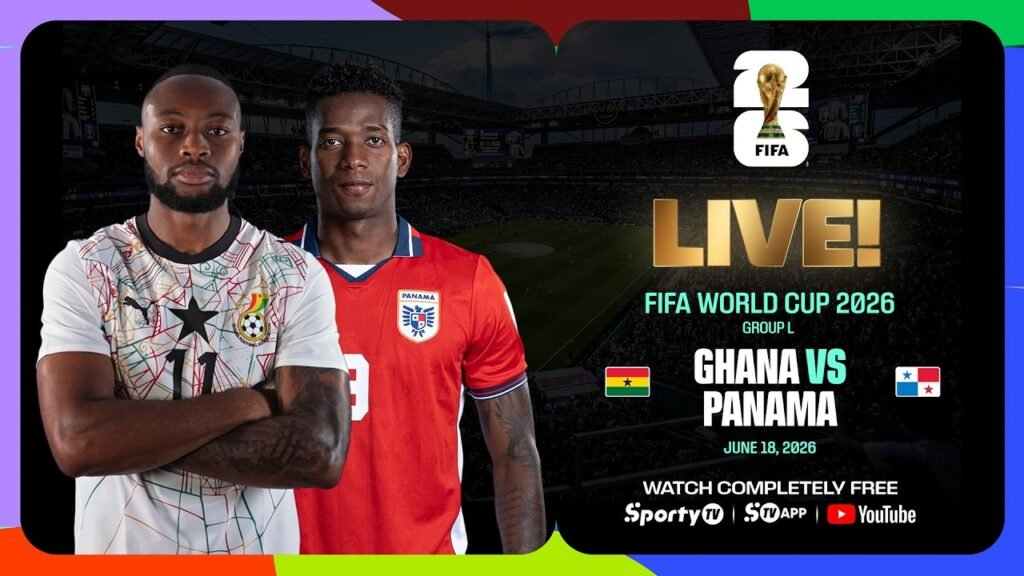
The power of transparent audience data is already being demonstrated elsewhere in African sports broadcasting.
If you lived in Kenya, Ghana, Nigeria or South Africa and tuned into the FIFA World Cup this year, you would have noticed that DStv had, for the first time, a genuine competitor in SportyTV.
After acquiring the broadcast rights in those four markets, SportyTV made the tournament available free-to-air across television, its mobile app and YouTube, dramatically expanding access for fans.
Just weeks after the tournament, the broadcaster published audience figures showing that it was on track to surpass one billion views across its YouTube channel and social media platforms, with mobile devices accounting for 64% of all views.
Those numbers did more than showcase the success of a single broadcaster; they provided tangible evidence of the scale, reach and changing consumption habits of African sports audiences, precisely the kind of data that helps attract advertisers, justify media rights investments and shape future broadcast strategies.
The World Cup Is One Year Away
The consequences extend beyond this tournament.
In less than a year, the FIFA Women’s World Cup will be held in South America for the first time. Brazil will host the competition across eight cities from June 24 to July 25, 2027.
At least four African teams will qualify directly through WAFCON, while two more could reach the tournament through inter-confederation playoffs.
That gives CAF an extraordinary opportunity.
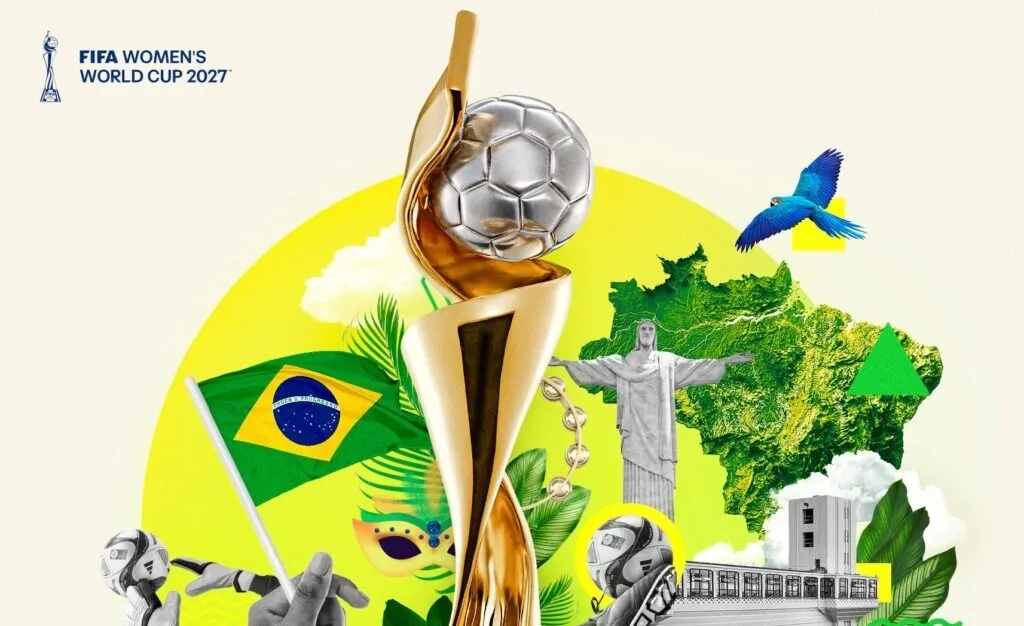
WAFCON should be the beginning of a year-long campaign introducing African teams and players to global audiences before Brazil 2027.
Each match should create stories that continue beyond Morocco: emerging stars, rivalries, tactical identities, supporter cultures and national journeys toward the World Cup.
To their credit, the official CAF social media accounts have done solid work highlighting the tournament, with participating national team accounts and individual athletes adding to that momentum.
It’s also been encouraging to see a genuine uptick in fans talking about and creating content around the tournament, even if some of that energy has come from frustration over accessibility and visibility rather than pure celebration.
Brands like Nike and Versus have also stepped in with content of their own, a signal that the commercial world does see value in promoting the tournament and its players.
The appetite is there. The world is ready for African women to become global superstars, and WAFCON should be the opening chapter of a year-long campaign introducing African teams and players to global audiences ahead of Brazil 2027.
Every match should generate stories that outlive the final whistle in Morocco: emerging stars, rivalries, tactical identities, supporter cultures, and the national journeys building toward the World Cup.
Instead, the tournament risks concluding without many potential fans ever realizing that it was happening.
African Women Have Already Done Their Part
Women’s football in Africa has lived with institutional neglect from its earliest years.
Continental competitions were organized in 1991 and 1995, but both suffered from limited participation and are not always counted in the same way as later editions. The modern competition developed gradually before being renamed the Women’s Africa Cup of Nations in 2016.
That history matters because the same failures keep reappearing in different forms: inconsistent organization, limited investment, poor visibility and the assumption that women’s sport must first prove that it deserves support.
But what more are the players required to prove?
African footballers are winning league titles abroad. They are competing in England, Spain, France, Italy, the United States, China and Saudi Arabia. They are becoming stars for some of the biggest clubs in the world.
African national teams have produced unforgettable World Cup performances. Morocco demonstrated during the 2022 WAFCON that tens of thousands of people will attend women’s football when the occasion is effectively built and promoted.

That means broader distribution, affordable streaming options, free-to-air partnerships where possible, and digital-first strategies that meet audiences where they already consume sport.
The irony is that we’ve already seen what investment can achieve.
The 2022 Women’s Africa Cup of Nations, also hosted by Morocco for the first time, produced a record crowd of more than 50,000 for the final, with the semi-finals drawing over 45,000.
At the same tournament, prize money increased by 150 percent from $975,000 to $2.4 million. It was heralded by some as well-organized and a positive step in the world of African’s football.
Despite these improvements, Africa still seems to lag in the overall development of its women’s sports industry and ecosystem.
We are beyond the stage of asking whether audiences for women’s sports exist. They do.
The question is whether the institutions controlling the sport are prepared to invest in reaching them. Women’s football doesn’t just need broadcasts; it needs visibility. That means broader distribution, affordable streaming options, free-to-air partnerships where possible and digital-first strategies that meet audiences where they already consume sport.
The empty seats in Morocco should not be interpreted as an indictment of African supporters or of the football being played. They are an indictment of a system that continues to stage major women’s competitions without providing the planning, promotion and accessibility expected of major sporting events.
African women deserve packed stadiums. They deserve reliable broadcasts. They deserve marketing campaigns that recognize their cultural and commercial value. They deserve competitions organized with enough care that supporters know when the tournament begins, where to buy tickets and how to watch.
Most importantly, they deserve institutions whose ambition is equal to their own. Now the institutions responsible for the game must match that ambition.
Ultimately, empty seats are not evidence that African fans don’t care about women’s football. They are evidence that organizers still underestimate what it takes to build a world-class sporting event.
Because if women’s football is truly one of the fastest-growing sports in the world, Africa cannot afford to remain a spectator to its own success.