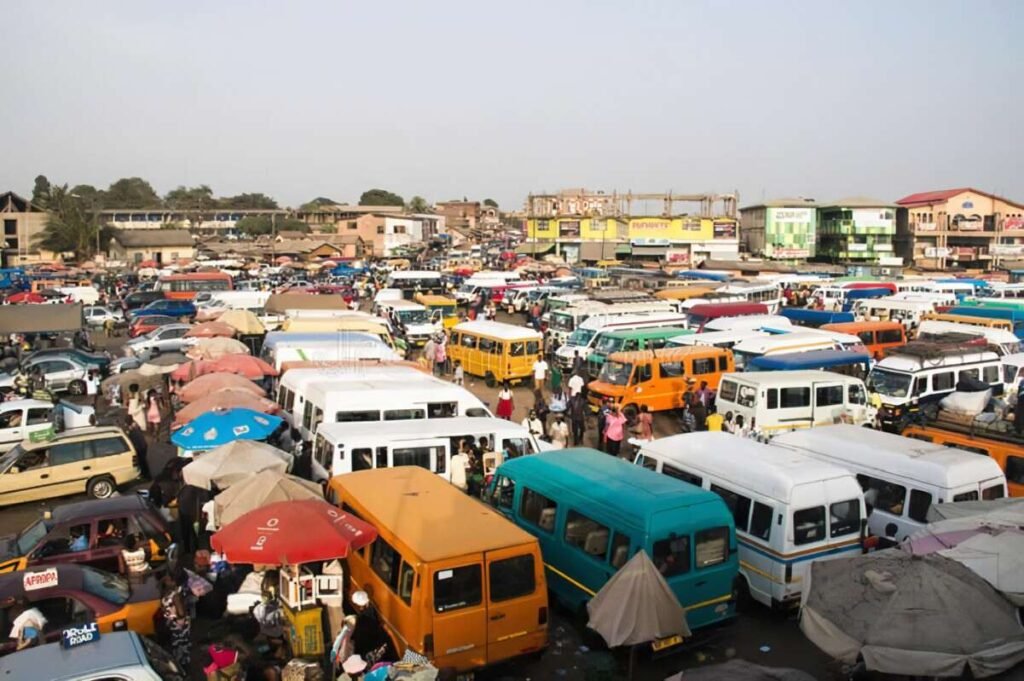
Every morning in Accra, before most people have had their first cup of tea, the Ghana Private Road Transport Union is already at work.
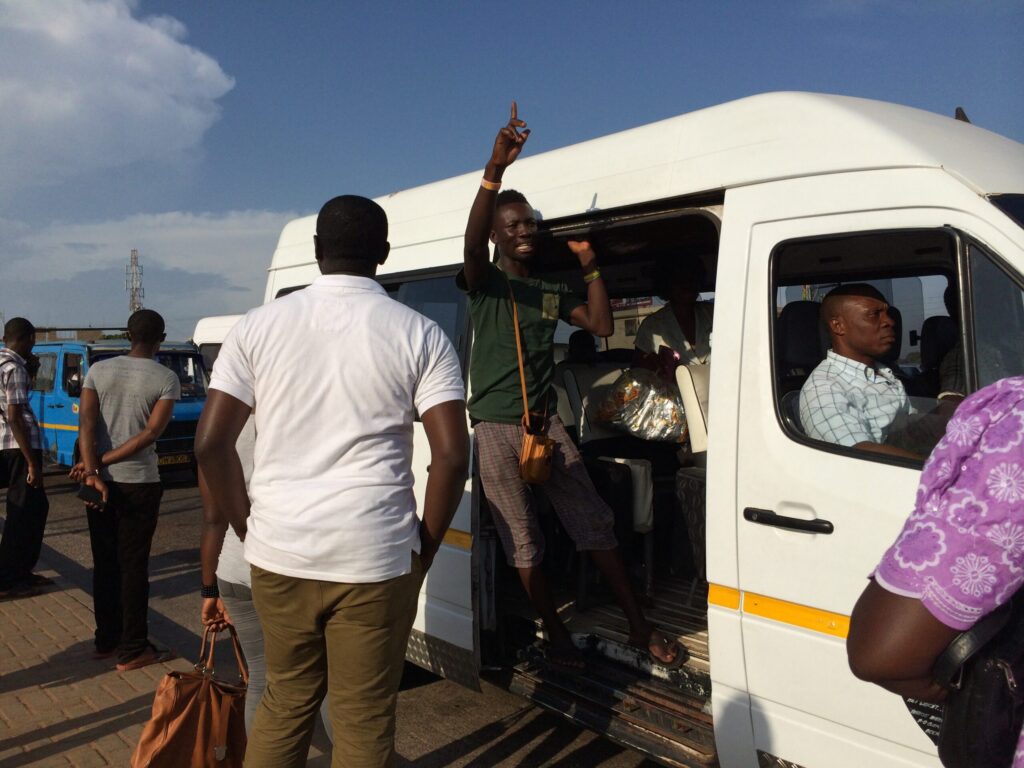
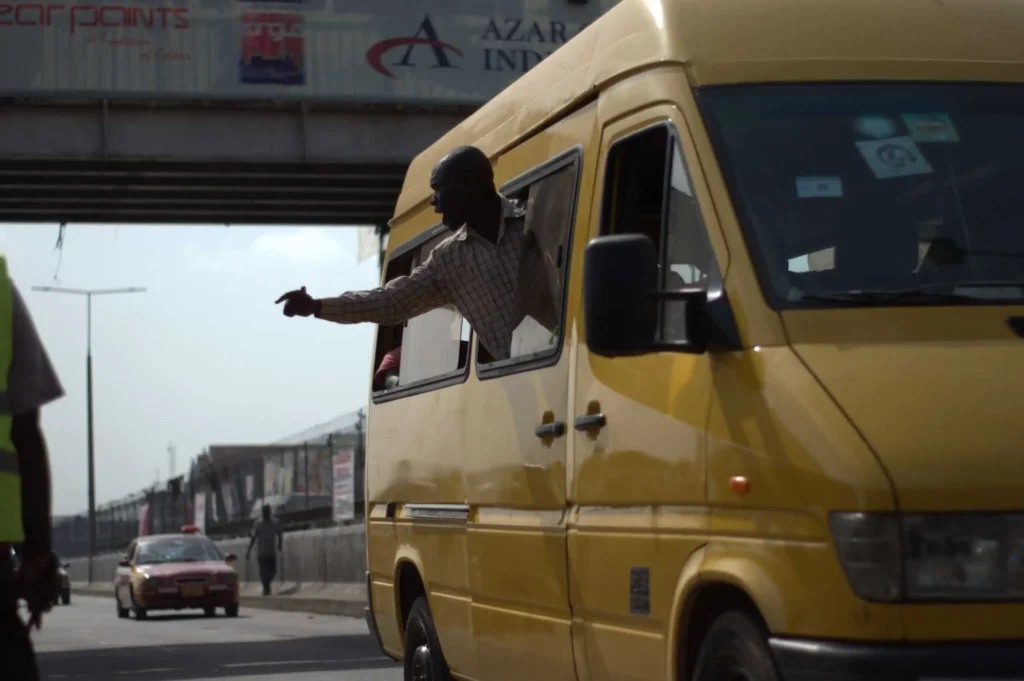
At the Kwame Nkrumah Circle, at Tema Station, at Kaneshie and Madina, and Takoradi and Kumasi — union guards in yellow reflective vests are managing queues, collecting tolls, and dispatching trotros into the chaos of the city.
They are as unremarkable as the potholes they work around. But remove them, and Ghana’s informal transport ecosystem — the system that moves an estimated 70 percent of the country’s commuters — grinds to a halt before lunchtime.
This is the uncomfortable truth about the Ghana Private Road Transport Union (GPRTU), founded on 19 May 1967 and now, six decades later, is the largest transport organisation in the country.
While the last audited historical figures showed about 120,000 members (drivers, vehicle owners, and porters), estimates for 2026 suggest this has grown significantly, though official census data from the union is pending.
It is criticised constantly. It has been accused of financial mismanagement at the highest levels. Its executives have faced contempt convictions in court.
Its chairmen have been accused of staying in office past their constitutional mandates. Its regional officers have been interdicted for pocketing money from bus sales. Its task forces have arrested drivers without legal authority.
And yet, every morning, the system runs — imperfectly, infuriatingly, indispensably.
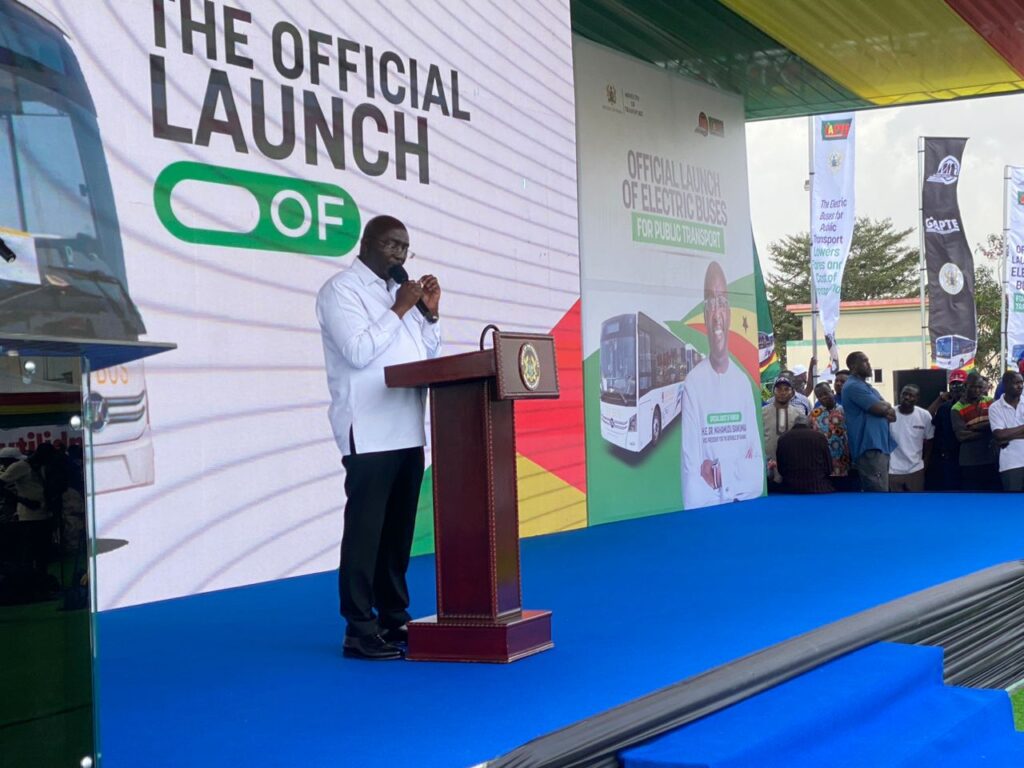
“It is the largest transport organisation in Ghana, offering the largest employment to many unemployed Ghanaians,” said Former Vice President Mahamudu Bawumia in July 2024, acknowledging the organisation’s impact on Ghanaian society.
To understand why the GPRTU persists despite its flaws, you have to understand what it is actually doing.
Ghana has no comprehensive state-run public transport network. Metro Mass Transit covers some corridors, but not nearly enough.
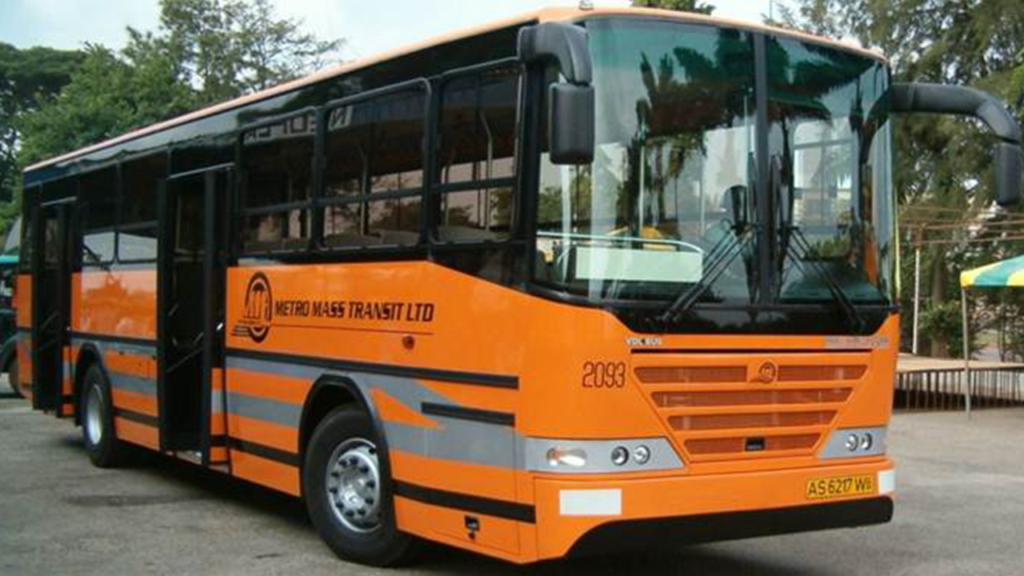
The vacuum left by state absence is filled entirely by private operators — tens of thousands of them, driving trotros, shared taxis, and long-distance coaches — who need someone to set the rules, manage the stations, and negotiate their interests with the government.
That someone is the GPRTU.
It is not a government agency. It is not a corporation. It is a trade union, a member of the Ghana Trades Union Congress, with branches in all 16 regions of the country and an institutional reach that no alternative body currently comes close to matching.
How The Money Flows
The GPRTU’s revenue model is, to put it diplomatically, opaque. The union earns through member dues, registration fees, and — most significantly — the loading fees collected at lorry stations across the country.
When a trotro loads at an official terminal, a small levy goes to the union. Multiply that by thousands of trips a day, across hundreds of stations nationwide, and the numbers become significant.
The union also earns from the services it provides to members: insurance facilitation, welfare arrangements, and dispute resolution.
What the union does not do is publish audited annual accounts for public scrutiny. This is not a minor oversight. It is, arguably, the “original sin” from which every subsequent controversy flows.
When there is no transparency about how much money comes in and where it goes, the conditions for abuse are built into the structure.
Former executives alleged the union owed debts to five banks simultaneously. A former chairman was convicted in court for contempt. A regional chairman was interdicted for allegedly pocketing GH¢68,000 from the sale of union buses.
These are not isolated incidents — they are symptoms of an institution that has never been forced to show its receipts.
“We have nothing personal against them. This is about corruption, abuse of office, and fraud,” said Former GPRTU National Chairman Kofi Aikins, on the leadership of the successor executives.
The union is not more corrupt than many comparable institutions. It is simply more visible because what it does affects everyone who needs to get somewhere.
Fare Wars and Who Really Controls Them
Nothing illustrates the GPRTU’s peculiar power more clearly than the periodic drama of fare adjustments.
When fuel prices rise — and in Ghana, they often rise — transport operators want to raise fares to protect their margins. But fares are not set by the market alone.
They are governed by an administrative instrument that requires negotiation between transport unions and the Ministry of Transport. The GPRTU, as the dominant union, sits at the centre of that negotiation.
The results are often gridlock.
In April 2024, the government announced a fuel price increase. Two smaller unions — the Concerned Drivers Association and the Transport Operators Union — immediately declared a 20% fare hike.
The GPRTU publicly condemned them, calling the increase “illegal and arbitrary,” and urged commuters to ignore it.
Behind closed doors, the GPRTU was negotiating for nearly the same figure. This is the union at its most politically sophisticated: performing restraint in public while extracting concessions in private. It is cynical. It is also effective.
The arrangement gives the government a negotiating partner — someone to call when things get chaotic on the roads. It gives operators a collective voice they would not have as individuals. And it gives the GPRTU institutional indispensability.
When the government wants to implement a new policy — whether it is the Emissions Levy of 2024 or the proposed rollout of electric buses — it has to come through the GPRTU. The union may not always win these battles, but it ensures it cannot be bypassed.
Task Rorce Overreach
The most revealing recent episode in the GPRTU’s story played out in January 2026, and it showed both the union’s genuine commitment to order and its troubling willingness to exceed its own authority.
Accra was in the grip of a transport crisis — vehicle shortages, traffic gridlock, and drivers charging unapproved fares to stranded commuters. The GPRTU deployed a task force. Fifteen trotro drivers were arrested in the Ablekuma area for overcharging.
The Ranking Member of Parliament’s Roads and Transportation Committee, Kennedy Osei Nyarko, was unambiguous in his response: no law in Ghana empowers the GPRTU or any transport union to arrest drivers.
The arrested drivers themselves protested that the union had not consulted them, had not communicated the operation in advance, and had acted more like a police force than a labour union.
One station manager put it plainly: “Even if you call yourself a union, your members are us. You have to call us and negotiate.“
The episode captures something essential about the GPRTU’s identity crisis. It is simultaneously a workers’ union — theoretically an advocate for the very drivers it was arresting — and a quasi-regulatory body trying to enforce discipline on the roads.
These two roles are in fundamental tension, and the union has never fully resolved that tension. When it acts as a regulator without legal authority to do so, it alienates its own members.
When it acts purely as a union — protecting members from government overreach — it is accused of enabling fare gouging and passenger exploitation.
“You don’t go arresting people because you think they are overcharging. The previous administration used dialogue and a human face to solve these problems,” said MP Kennedy Osei Nyarko in January 2026.
Political Entanglement
Like most mass-membership organisations in Ghana, the GPRTU has never been entirely insulated from politics. Its conferences attract attendance from senior government officials, and its endorsements — implicit and explicit — matter in communities where transport operators are a significant bloc of voters.
In July 2024, then-Vice President Bawumia attended the union’s national conference and promised 100 electric buses to be operated by the GPRTU.
This was not philanthropy. It was the language of political alliance: we give you infrastructure, you give us legitimacy.
Critics have long argued that the GPRTU’s political relationships are part of what insulates it from accountability. When a chairman overstays his mandate, the union’s mother body — the Trade Union Congress (TUC) — intervenes slowly and reluctantly.
When financial irregularities emerge, investigations drag on without resolution. The union is too important to too many people to be genuinely disrupted. So it continues, imperfect and indispensable, in roughly the same form it has taken since 1967.
Case for reform — Not Abolition
The argument that Ghana should simply abolish the GPRTU, or allow it to collapse under its own contradictions, is tempting but wrong.
The informal transport sector that the union coordinates employs hundreds of thousands of Ghanaians directly — drivers, conductors, porters, guards — and supports millions more indirectly.
In the absence of a credible state alternative, dismantling the GPRTU without replacing its functions would not liberate the sector; it would plunge it into the kind of unregulated chaos that benefits no one except the strongest and most unscrupulous operators.
What reform looks like, concretely, is not complicated to describe, even if it is genuinely difficult to achieve. Mandatory publication of audited accounts. Fixed-term limits enforced by the TUC without exception. A clear legal framework separating the union’s advocacy functions from any quasi-policing role.
A formal, transparent mechanism for fare negotiations that does not depend on the goodwill of whichever minister is currently in post. And, critically, investment in the technology — digital stickers, route tracking, verified membership rolls — that would make accountability possible at the station level.
None of this will happen quickly. Institutions that have existed for nearly 60 years do not reform themselves in a news cycle.
But the conditions for change are, perhaps, more present now than they have been in a long time.
The exposure of the January 2026 arrests drew parliamentary attention. The government has indicated interest in digital transport infrastructure.
And the union’s own members — the drivers and vehicle owners whose dues fund the whole enterprise — are increasingly vocal about wanting leadership that consults them rather than commands them.