For three decades, the production of license plates in Ghana was a predictable, decentralized affair—a cottage industry of sorts, powered by dozens of local embossers who turned blank metal into the identifiers of the nation’s growing fleet of cars.
But a government plan to leap into the digital age has hit a courtroom wall, as a coalition of those longtime contractors fights to stop a new system they say will strip them of their livelihoods and create a state-sanctioned monopoly.
On Friday, January 23, 2026, a High Court in Accra granted an application by Original Manufacturers and Embossment Company Limited to join the legal fray.
The company, which was recently awarded a sole contract to both manufacture and emboss the country’s new high-tech plates, is now a co-defendant alongside the Driver and Vehicle Licensing Authority (DVLA).
“Unprecedented Breach of Contract”
The dispute centers on the DVLA’s ambitious “Smart Plate” initiative, scheduled for a 2026 rollout.
The new plates, embedded with Radio Frequency Identification (RFID) chips, are designed to link vehicles directly to their owners’ digital identities, aiding in crime-fighting and automating toll collection.
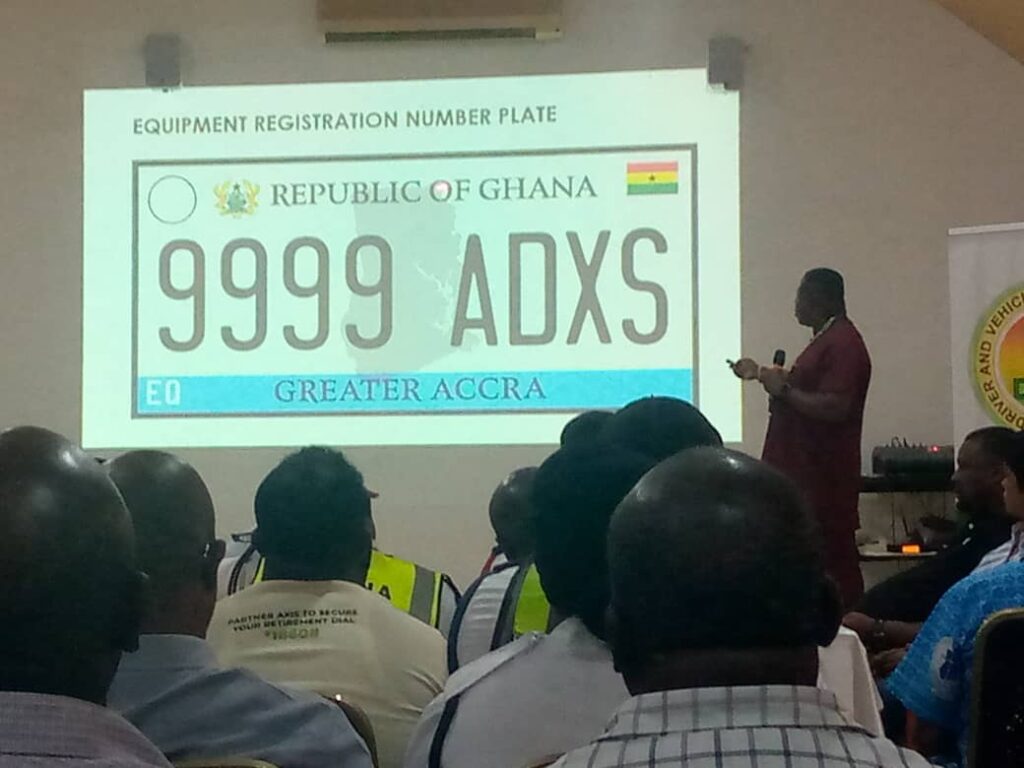
To the government, it is a necessary modernization. To the Vehicle Embossment Manufacturers Association of Ghana (VEMAG), it is an “unprecedented” breach of contract.
The plaintiffs, a group of 27 local firms, allege that the DVLA bypassed national procurement laws by failing to open the contract to competitive bidding.
They claim that for years, they have pre-financed the production of plates, investing millions of cedis in specialized equipment at the government’s behest.
They argue that the DVLA is attempting to “sole-source” the entire industry to one individual, Dr. Nyarko Esumadu Appiah, the owner of the newly joined defendant company.
DVLA’s Response
The DVLA’s Chief Executive, Julius Neequaye Kotey, has defended the move, insisting that the reforms are in the public interest and that the bidding process followed due protocols.
He has noted that the new contractor is willing to collaborate with existing players, but the association remains skeptical, preferring the protection of a court order to the promises of a competitor.
The High Court previously issued an order effectively preserving the status quo, and the DVLA has officially suspended the January rollout, citing the need for further legislative amendments.
The case is heading toward a February hearing.
For now, the 2026 plates will continue to be made the old-fashioned way—one hammer and press at a time—while the courts decide whether a digital future has room for the many, or only the one.
This article was edited with AI and reviewed by human editors