HARARE, Zimbabwe — For two decades, the United States has been the silent backbone of Zimbabwe’s fragile healthcare system, funneled through billions of dollars in aid that kept clinics open and more than a million people on life-saving H.I.V. medication.
But this week, that pillar began to crumble.
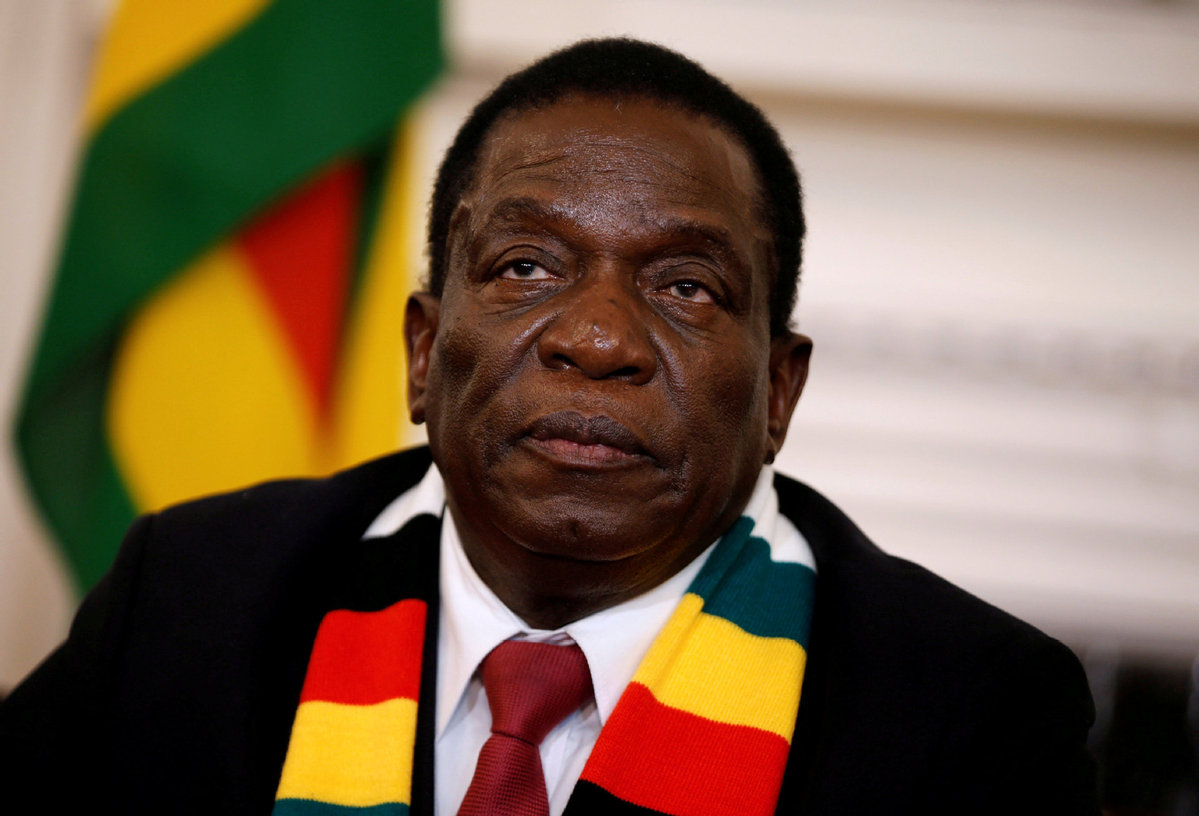
In a significant move, the government of President Emmerson Mnangagwa officially terminated negotiations on a five-year, $367 million health funding agreement with Washington.
The rejection marks a dramatic shift in the geopolitics of aid, as Harare chooses “data sovereignty” over a massive infusion of Western capital.
The Friction of “Biological Raw Materials”
At the heart of the collapse is a dispute over what the Zimbabwean government describes as a “lopsided” and “asymmetrical” exchange.
According to leaked memos and official statements from government spokesperson Nick Mangwana, the proposed Memorandum of Understanding (MOU) required Zimbabwe to provide the United States with:
- Comprehensive access to sensitive health and genomic data.
- Biological samples and pathogen information from Zimbabwean citizens.
- Long-term research rights for American entities.
Harare’s grievance is not just about the sharing of data, but the lack of reciprocity.
Officials argued that the U.S. offered no guarantee that Zimbabwe would benefit from the vaccines, diagnostics, or treatments developed using its citizens’ genetic material.
“America First” Meets “Africa First”
The fallout is a direct consequence of a shifting American foreign policy. Under the current Trump administration, Washington has moved away from traditional multilateral aid—historically coordinated through agencies like the now-dismantled USAID—toward bilateral “America First” agreements.
These new deals often come with strings attached: requirements for countries to increase their own domestic spending and, crucially, to share data that could have commercial or national security value for the U.S.
While 16 other African nations, including Nigeria and Uganda, have signed similar pacts, Zimbabwe is part of a growing pocket of resistance.
Kenya’s High Court recently suspended a similar deal following privacy concerns, and Zambia has voiced similar discomfort with the “prescriptive” nature of the new terms.
A High-Stakes Gamble
The cost of sovereignty may be measured in lives. U.S. Ambassador Pamela Tremont announced that Washington will now begin the “difficult and regrettable task” of winding down its health assistance.
This withdrawal threatens:
- H.I.V. Treatment: 1.2 million Zimbabweans currently rely on U.S.-supported programs for antiretroviral drugs.
- Disease Surveillance: Critical funding for malaria, tuberculosis, and outbreak preparedness is set to evaporate.
- The Supply Chain: Many clinics in Zimbabwe are so underfunded that patients must provide their own bandages; the loss of the country’s largest health donor could leave the system paralyzed.
The Zimbabwe government insists it will fill the gap by increasing domestic health spending to 15% of its national budget. Whether a country grappling with years of economic turmoil can actually foot that bill remains the $367 million question.
This article was edited with AI and reviewed by human editors