Story Highlights
- Zimbabwe’s parliament held four days of public hearings on a constitutional bill that would extend presidential terms from five to seven years and shift the presidential vote from citizens to parliament.
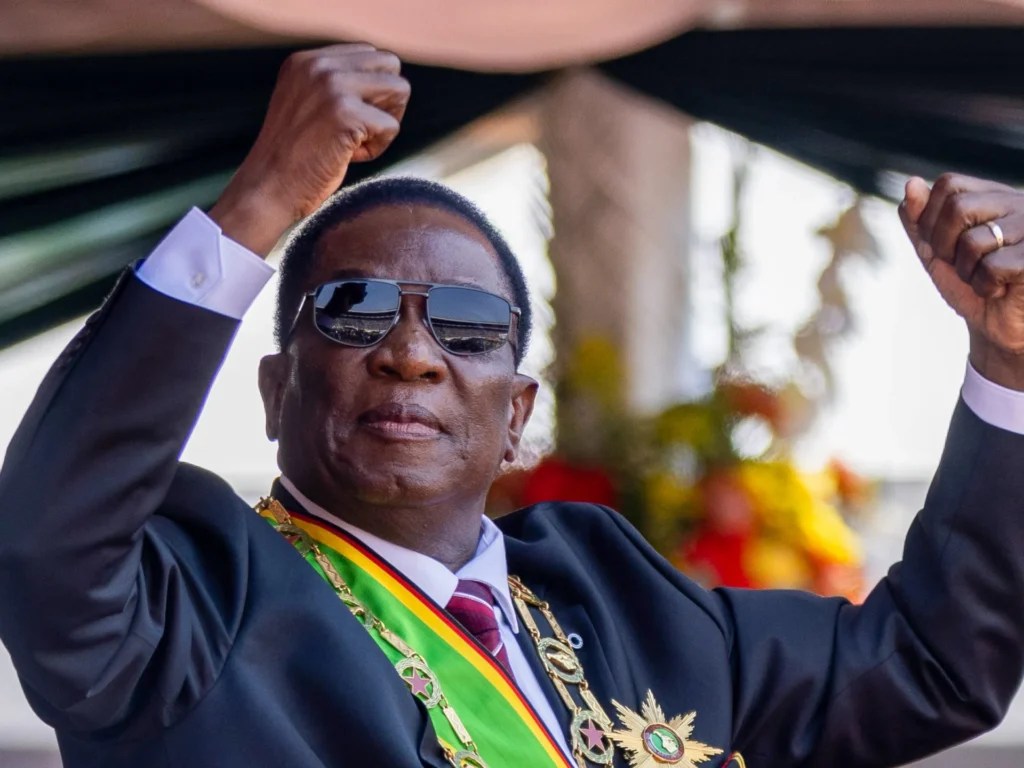
- If passed, the bill would extend President Emmerson Mnangagwa’s rule to 2030, two years beyond his current term limit.
- Critics say the hearings were chaotic, rushed, and biased — with opponents claiming microphones were snatched from those speaking against the bill.
- Three major opposition coalitions have withdrawn from the process, calling it “fundamentally flawed.”
HARARE, ZIMBABWE — Inside a packed hall at Chitungwiza’s main aquatic complex, a woman in a cream floral dress stood near the entrance, heckling every speaker who voiced support for changing Zimbabwe’s constitution.
She was not alone in her anger.
This was the scene this week across multiple Zimbabwean cities, as parliament convened four days of public hearings on the Constitution of Zimbabwe Amendment (No.3) Bill — known as CAB3 — a proposal that critics say is designed to keep President Emmerson Mnangagwa in power well beyond his constitutional mandate.
What the Bill Would Do
CAB3 would extend presidential and legislative terms from five to seven years and transfer the power to elect the president from citizens to parliament.
Currently, Zimbabwe holds direct presidential elections and limits its president to two terms. Mnangagwa is in his second term, but his ZANU-PF party commands a firm majority in parliament — meaning a parliamentary vote for president would, critics argue, make it nearly impossible for anyone outside ZANU-PF to ever lead the country.
The government says the amendments, if passed, would “enhance political stability and policy continuity to allow development programmes to be implemented to completion.”
A Divided Public
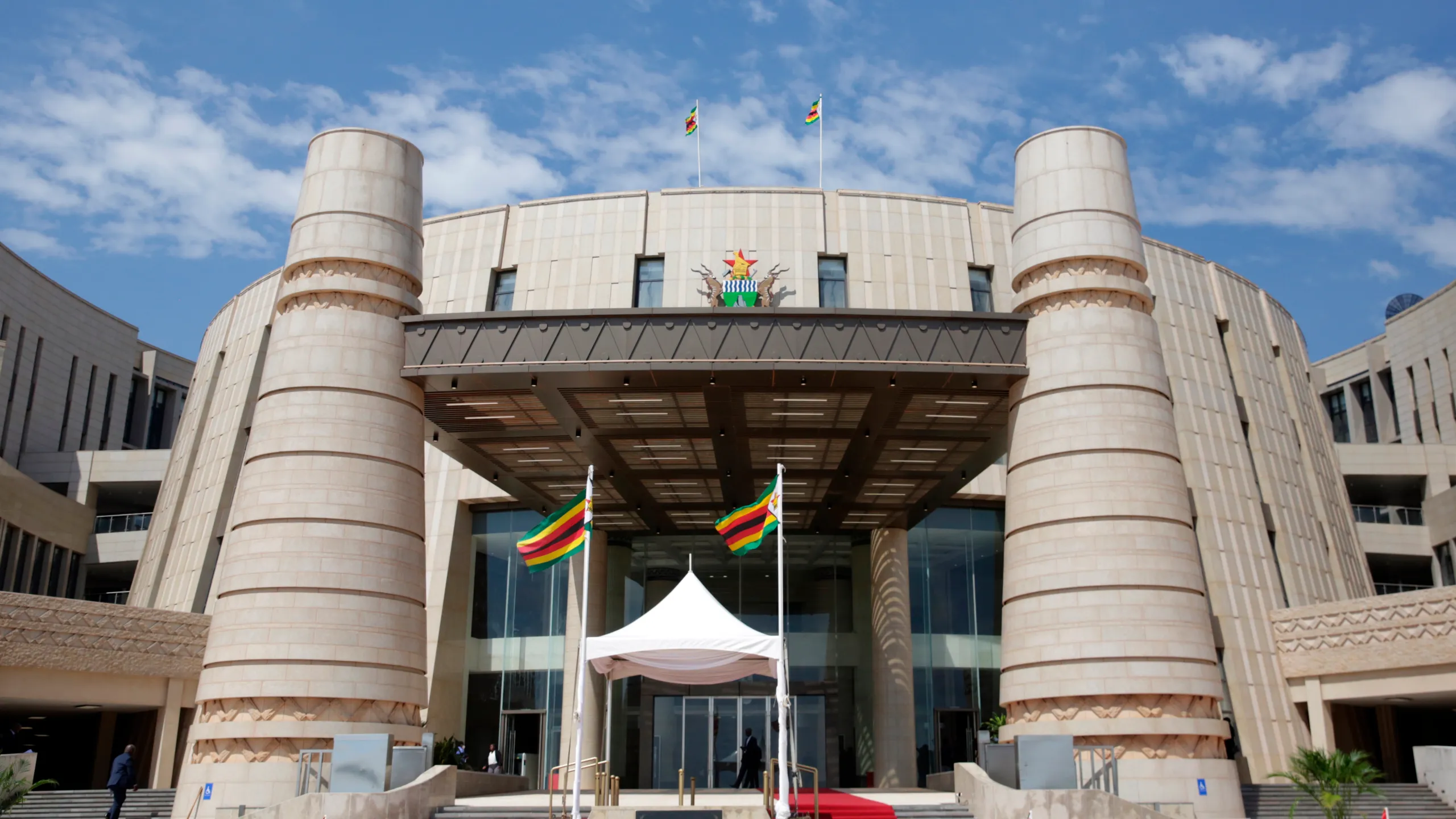
Not everyone opposes the changes. At a hearing in Epworth, a working-class area south of Harare, resident Mike Kashiri said moving to a parliamentary presidential vote would reduce electoral violence.
“Every time we have presidential elections, there is a lot of violence. However, if we elect the MPs and the MPs elect the president, it will help us a lot,” he said.
Kashiri also pointed to infrastructure projects — highways, dams, a new parliament building — as proof that Mnangagwa deserves more time.
But Ishmael Phololo, a cellphone technician who runs a cardboard workshop on a Harare pavement, was blunt in his rejection.
“An MP cannot relate to the people’s woes because the moment they get in parliament, they get cars and allowances,” he said.
He added, with a note of bitter humour: “If they want to have indefinite terms, they should just declare Zimbabwe a monarchy and stop pretending that we have democracy.”
Contested Hearings
The public consultations themselves have become a flashpoint. Opposition figures and civic leaders allege that the process is rigged.
Former Epworth mayor Annah Sande told reporters her microphone was taken away when she tried to speak against the bill. “The officials moderating the hearings are members of the ruling party,” she said.
Others note a more fundamental conflict of interest: the MPs presiding over the hearings are the same people whose own terms would be extended if CAB3 passes.
Three opposition coalitions — the National Constitutional Assembly, the Defend the Constitution Platform, and the Constitution Defenders Forum — have since pulled out of the process entirely.
Their leaders called the hearings “fundamentally flawed, exclusionary, and inconsistent with the spirit and letter of the constitution.”
Prominent figures involved in the resistance, including former finance minister Tendai Biti, were arrested last month while mobilising against the bill.
Citizens have also questioned why hearings were held at only a few venues, on weekdays when most people are at work, and over just four days.
The Deeper Fear: Dynasty
Constitutional expert Justice Mavedzenge goes further than most critics. He argues that Mnangagwa — who chaired the very cabinet meeting that approved CAB3 — is the bill’s true architect, despite publicly denying ambitions to extend his stay in power.
“His intention is to leave power when one of his family members is ready to take over,” Mavedzenge said. “This proposed amendment bill is an attempt by President Mnangagwa to cling on to power, but also to roll out some dynastic plans for the country.”

The comparison to his predecessor is unavoidable. During Robert Mugabe’s final years, it was widely believed that he intended for his wife, Grace Mugabe, to succeed him.
Mugabe was ultimately removed by Mnangagwa through a coup, which the current government frames as a “military assisted transition.”
‘Term Limits Are for People Who Succeed’
Former opposition MP Gift Siziba offered perhaps the sharpest rebuttal to the government’s justification that Mnangagwa needs more time to complete his work.
“Term limits are not meant for people who fail,” he said. “They are meant for people who succeed because they must lead and leave.”
Mavedzenge agreed that entrenching power is not the answer to political toxicity. “Toxicity is addressed by changing attitudes, particularly attitudes of senior ZANU-PF political officials. They need to change from intolerance to begin to tolerate political differences,” he said.
With ZANU-PF holding a parliamentary majority, the bill is widely expected to pass — a reality that has left many Zimbabweans feeling powerless. As Phololo put it: “After the seven years they are proposing, will the president leave or will he want another seven years?”
Source: Al Jazeera
This article was edited with AI and reviewed by human editors