


STORY HIGHLIGHTS
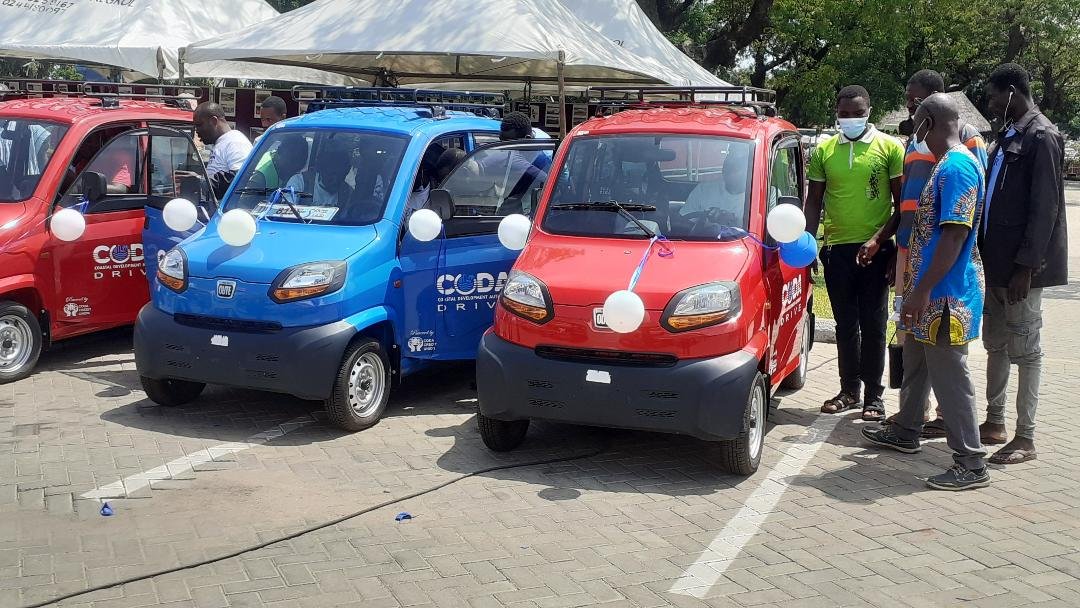
- The Akufo-Addo government launched the Okada4CODA project in 2021, aiming to distribute 200 Bajaj Qute vehicles to commercial motorbike riders under a two-year instalment plan.
- The Motor Riders Association of Ghana rejected the initiative, citing lack of consultation, prohibitive upfront costs, and the vehicles’ failure to solve the core problem: navigating traffic.
- The Bajaj Qute — the car at the centre of the scheme — scored just one star out of five in independent crash safety tests.
- Only about 70 of the 200 vehicles were distributed. The Ministry of Transport commissioned a separate study on Okada regulation, effectively superseding the project.
Commercial motorcycle transport — known in Ghana as Okada — has long occupied an uncomfortable space in the country’s transport policy.
The riders provide last-mile connectivity in urban and peri-urban areas that formal transit systems fail to reach. They also account for a disproportionate share of road traffic injuries and fatalities. For successive governments, the question has never been whether to act, but how.
In 2021, the Akufo-Addo administration offered what it considered an answer: the Okada4CODA project, under which 200 Bajaj Qute quadricycles would be distributed to commercial motorbike riders through the Coastal Development Authority (CODA).
The logic was straightforward — take the riders off two wheels, put them in an enclosed vehicle, and reduce the carnage on Ghanaian roads.
It was a policy solution that looked credible on paper. In practice, it collapsed under the weight of its own assumptions.
The Terms on Offer
CODA’s Chief Executive, Jerry Ahmed Shaibu, outlined the programme’s terms at the time of launch: each vehicle was priced at GH¢25,000, with riders given the option of paying GH¢41 per day across 20 working days each month, or GH¢833 monthly, over a two-year period — after which ownership would transfer to the rider.
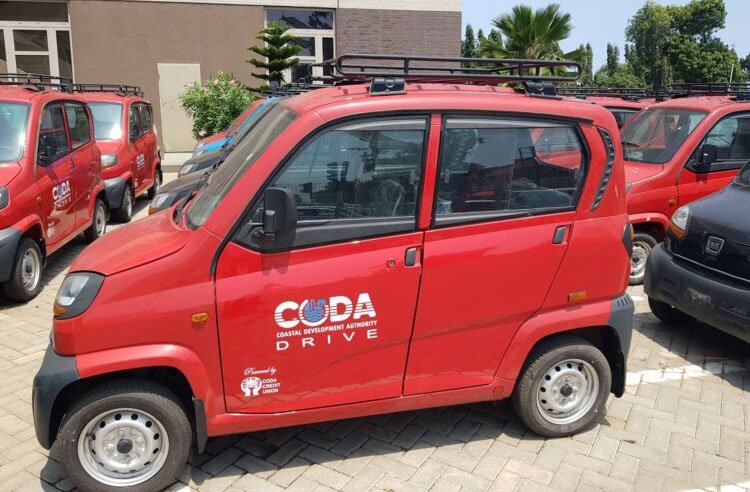
Shaibu also noted that a full tank of fuel would cost less than GH¢60, and that each vehicle would come fitted with road-worthy certificates, unique branding, and tracking systems. Free maintenance was offered for the first 1,000 kilometres.
On the surface, the instalment structure appeared designed to lower the barrier to entry. But a critical detail cut through the promotional framing: riders were required to make an initial downpayment of between GH¢5,000 and GH¢10,000 before accessing the plan.
For a population of informal transport workers operating on daily cash flows, that figure represented an insurmountable obstacle for the majority.
Riders Were Not at the Table
The programme’s first and most consequential failure was political, not financial. The Motor Riders Association of Ghana stated publicly that its members had not been invited to any discussions ahead of the scheme’s design or launch.
The Association’s position was unambiguous. Its members were not opposed to safety improvements in principle.
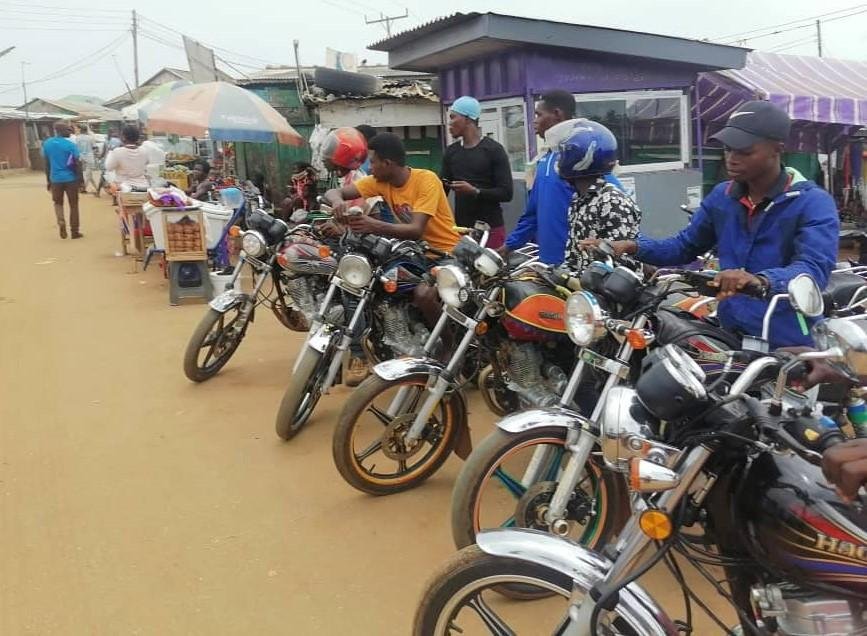
What they rejected was the premise that switching to a four-wheeled vehicle constituted a meaningful solution to the problems they faced daily.
The Association reiterated longstanding calls for the commercial use of motorbikes to be formally legalised and regulated, rather than displaced.
A Vehicle With Its Own Safety Problem
Even setting aside the riders’ economic objections, the Bajaj Qute — the centrepiece of the entire initiative — carried a reputational burden that CODA appeared not to have adequately reckoned with.
The quadricycle received a one-star rating out of five in independent crash safety tests.
The irony was pointed. A government programme justified on road safety grounds had selected a vehicle that independent assessors had found to offer limited occupant protection.
Whatever marginal safety advantage the Qute held over a motorbike in low-speed urban collisions, its crash test performance was not a foundation on which to build a safety-first public narrative.
The Practical Problem: Traffic Still Moves the Same Way
Beyond cost and consultation, there was a more fundamental misunderstanding embedded in the scheme’s design.
The central appeal of Okada as a transport mode is its ability to cut through Ghana’s chronic urban traffic congestion — a problem that has worsened steadily in Accra and other major cities.
A Bajaj Qute, however modestly sized, is still a four-wheeled vehicle subject to the same gridlock as any other car on the road.
For a rider whose income depends on completing as many trips as possible within a working day, surrendering that mobility advantage was not a trade-off the programme’s designers appeared to have seriously interrogated.
The Qute did not solve the traffic problem. It simply added another vehicle to it.
Where the Project Stands
Of the 200 vehicles earmarked under the project, only approximately 70 were distributed. There is no public record of the programme being formally wound down, but neither is there evidence of meaningful momentum.
In what amounts to an implicit acknowledgement that the project did not resolve the underlying policy question, the Motor Traffic and Transport Department (MTTD) had confirmed that the Ministry of Transport conducted a study on Okada operations, the results of which indicate a need to revise existing laws and supporting policies on commercial motorcycle use.
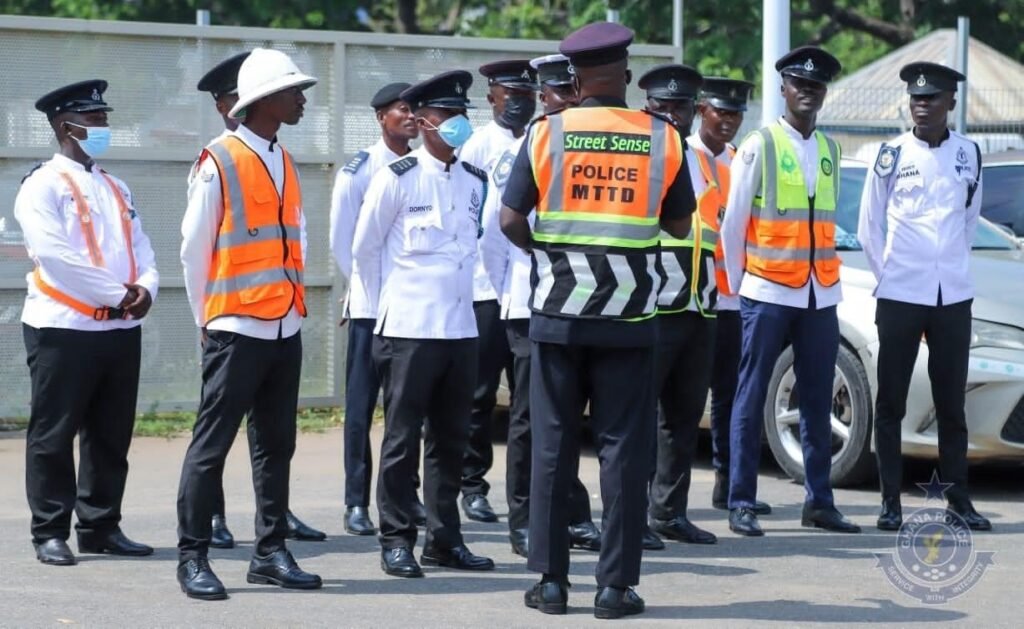
That study — the kind of evidence-based diagnosis that should have preceded any intervention — was commissioned after, not before, the Okada4CODA scheme was rolled out.
In 2025, the President Mahama administration passed a bill effectively legalizing the use of Okadas.
The sequencing tells its own story. A government that had the appetite to procure and distribute vehicles did not first establish whether riders wanted them, could afford them, or found them useful.
The Ministry of Transport’s subsequent study suggests that policymakers have arrived, belatedly, at the same conclusion that the Motor Riders Association had communicated from the outset: the Okada question was a regulatory challenge, not a procurement one.
What the Okada4CODA episode demonstrates is the cost, in public funds and public trust, of designing transport policy without its intended beneficiaries.
This article was edited with AI and reviewed by human editors



Follow