


Story Highlights
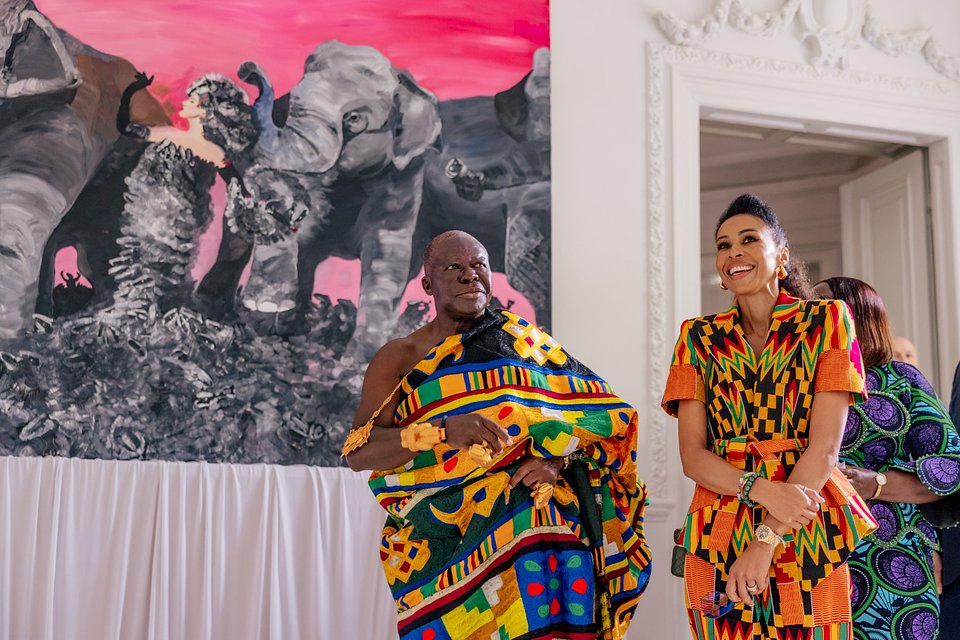
- Otumfuo Osei Tutu II, the 16th King of the Asante Kingdom, arrived in Warsaw on May 27, 2026, for a historic five-day official working visit to Poland.
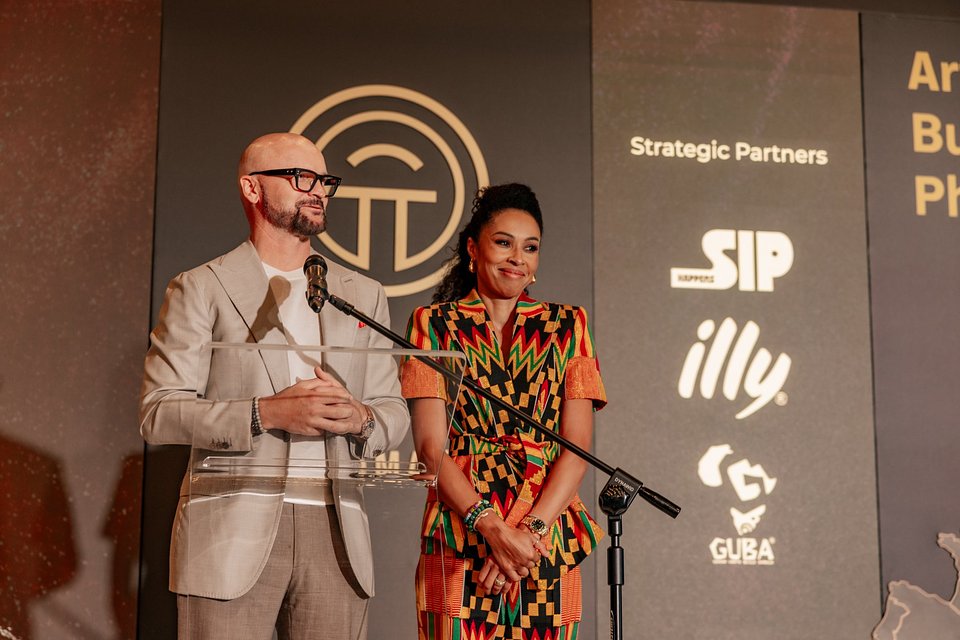
- The Asantehene served as the Guest of Honour at the Top Charity ChangeMakers 2026 gala on May 30, an event drawing top Polish government officials
- The visit revitalizes a diplomatic and educational relationship dating back to 1961, when Ghana’s first president, Kwame Nkrumah, visited Warsaw, and Polish universities trained over 1,100 African students.
When Otumfuo Osei Tutu II, the 16th King of the Asante Kingdom, arrived at Warsaw Chopin Airport on the evening of May 27, 2026, the optics were carefully arranged.
Omenaa Mensah — founder of Top Charity and Poland’s most prominent Ghanaian-born public figure — was there to receive him, alongside Ghana’s Ambassador to the Czech Republic, who also holds accreditation to Poland.
It was, by any measure, a moment designed to signal something larger than a gala dinner.
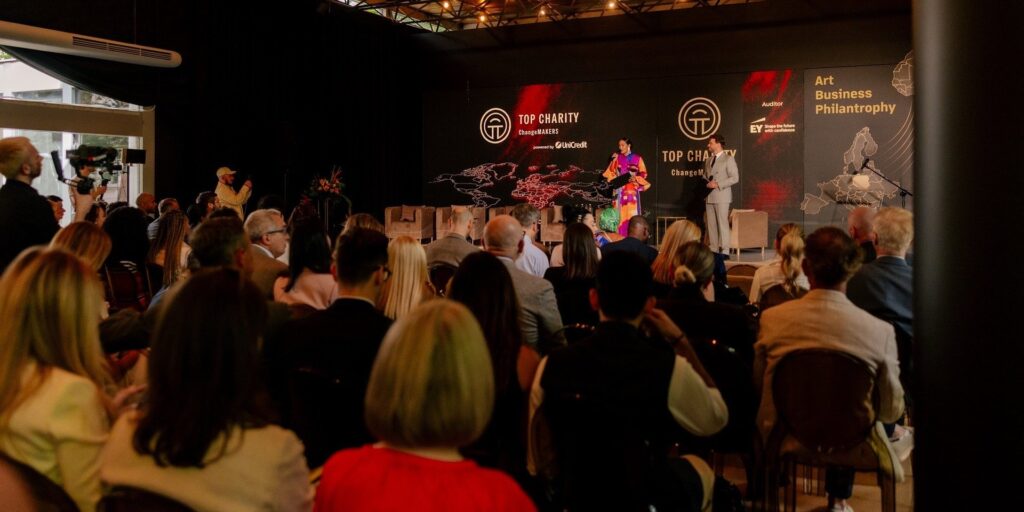
The five-day visit, centred on the Top Charity ChangeMakers 2026 conference, brought together Poland’s Deputy Prime Minister and Minister of Finance Andrzej Domański; Deputy Prime Minister and Defence Minister Władysław Kosiniak-Kamysz; former President Aleksander Kwaśniewski; UNESCO Deputy Director-General Åsa Regnér; and representatives from Goldman Sachs and AI company ElevenLabs.
The Asantehene served as the Guest of Honour at the May 30 gala.
The theme — “The Age of Reimagination: Art, Business and Philanthropy” — gave the gathering its public branding. But the deeper conversation was about Africa as a strategic direction for European engagement.
A Relationship Being Rebuilt
The historical scaffolding for this moment runs deeper than many observers recognise. Poland and Ghana have prior diplomatic history.
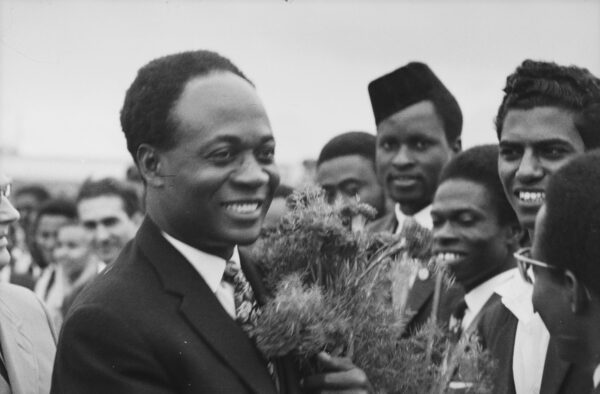
In 1961, Ghana’s first president, Kwame Nkrumah, visited Warsaw — years after independence and in the wake of 1960’s Year of Africa.
Between 1956 and 1975, Poland’s School of Polish Language for Foreigners at the University of Łódź trained more than 1,100 Africans who went on to study at Polish universities. Ghanaian students were among them.
Omenaa Mensah, whose late father came from the Asante royal lineage and arrived in Poland in the 1960s for medical studies, made this history explicit at the event.
“Poland and Ghana were already building their first diplomatic, educational and cultural bridges,” she told attendees. “That is not abstract diplomatic history — it is the history of people, education and relationships worth reclaiming today.”
That framing is important. It allows Poland to position itself not as a newcomer seeking access, but as a returning partner with roots, reactivating a relationship that Cold War-era solidarity politics made possible.
Poland’s Africa Pivot Is Increasingly Official
Behind the symbolism is a concrete policy posture. Poland’s Ministry of Development and Technology described Africa as a “new growth corridor” in an April 2025 policy paper, embedding the continent within Warsaw’s broader industrial export framework.
The financial architecture backing this rhetoric is real.
Poland’s state development bank, Bank Gospodarstwa Krajowego (BGK), has committed USD 2.75 billion — roughly PLN 10 billion — to African markets, and has publicly signalled plans to double or triple that exposure within a few years.
IMF growth projections, which show Africa hosting the largest concentration of economies expected to expand at 6% or more in 2026, underpin BGK’s confidence.
The Polish Investment and Trade Agency (PAIH) has gone further, establishing Foreign Trade Offices in Nigeria, South Africa, Egypt, Morocco, and Kenya.
Its stated priority sectors — critical raw materials, electromobility, modern technologies, and agriculture — track closely with the resource and infrastructure demands of Africa’s expanding middle-income economies.
For Polish companies, the argument for Africa is partly strategic and partly reputational. As one analysis produced in cooperation with the state export insurer KUKE put it, “Made in Poland” is increasingly a marker of technological credibility and environmental responsibility.
Economists at the Warsaw School of Economics have noted this directly: Poland’s absence of a colonial history in Africa is not merely incidental, it is a commercial advantage.
Polish firms can present themselves as neutral development partners in a way that French, British, or Belgian companies cannot.
Cultural Diplomacy as Market Intelligence
What makes the Top Charity ChangeMakers conference unusual is the way it braids philanthropy and geopolitics.
Omenaa Mensah, who has described herself as an “ambassador of Africa in Europe,” has spent over a decade building a platform that now commands attendance from heads of government and international institutions.

The Omenaa Foundation opened a school for street children in Ghana’s Tema in September 2021. By 2024, it had launched the Kids’ Haven Sports and Art Complex — a holistic hub combining sport, creative arts, education, and healthcare.
That trust is now being leveraged upward. The Asantehene’s Warsaw appearance and speech can be described simultaneously as a historical reflection and an invitation to expand economic and cultural cooperation.
Ghana and the Asante Kingdom as a Strategic Bridge
Otumfuo Osei Tutu II is not a ceremonial figure operating at the margins of Ghana’s international relations. His track record includes active roles in peacebuilding, investment promotion, healthcare, and education advocacy.
His international engagements have consistently translated into tangible development partnerships for the Ashanti Region and Ghana more broadly.
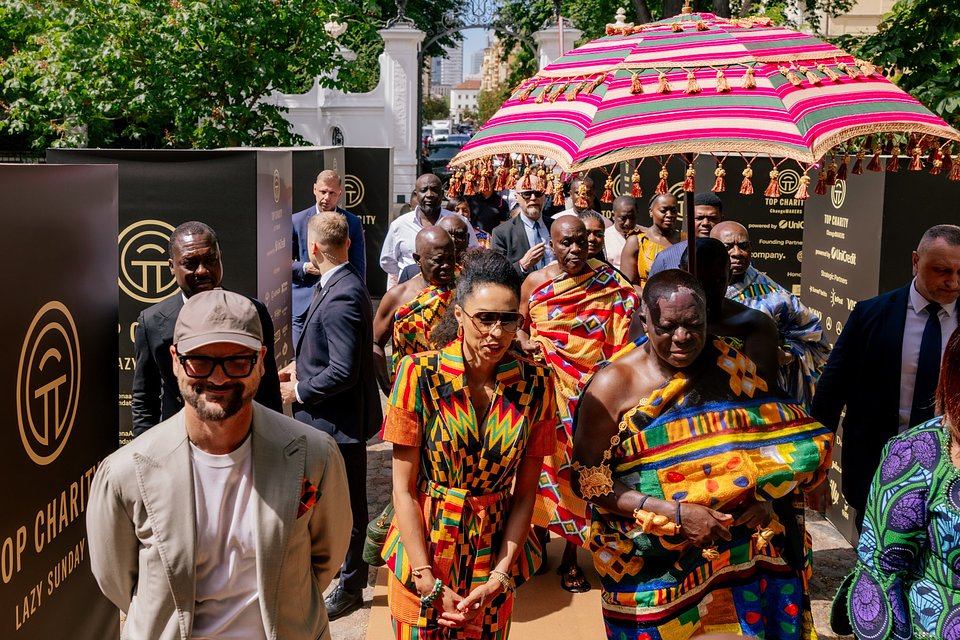
His decision to include Poland on an official working visit — announced at an emergency sitting of the Asanteman Council at Manhyia Palace on May 25 — carries weight.
It signals that Warsaw is now on the radar of African leadership as a serious and credible partner, not merely a European outlier with niche interests.
Poland, for its part, appears to understand what it has been handed. Having senior cabinet ministers and a former president on the same programme as one of West Africa’s most respected traditional rulers is coordinated positioning.
What UNESCO’s Presence Adds
The appearance of UNESCO Deputy Director-General Åsa Regnér added a multilateral layer. Her remarks at the conference centred on the funding squeeze facing UN agencies — growing global needs against shrinking traditional donor budgets — and the imperative for new partnerships with business and philanthropy.
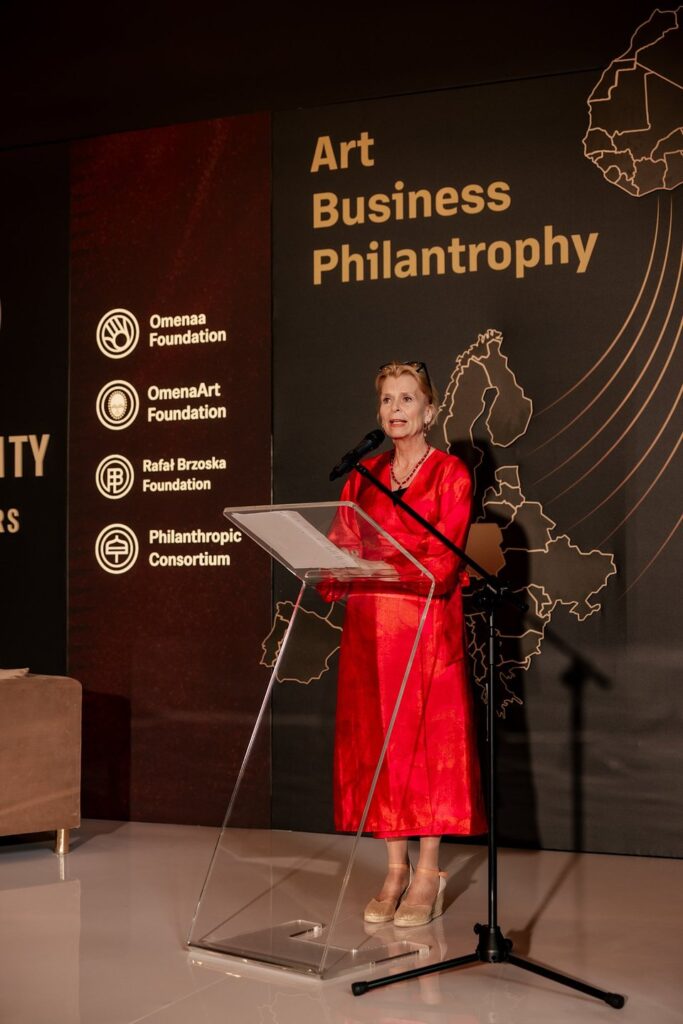
“Business can play a very important role in solving global problems,” she said, “from climate change to food security to the quality of education in many parts of the world.”
That framing directly validates the model that events like Top Charity ChangeMakers represent: platforms where private capital, state actors, and international institutions meet to co-design the architecture of global development.
The Broader Picture
Poland is not alone in this turn toward Africa. Across Central and Eastern Europe, countries that sat outside the colonial project are reassessing whether their historical neutrality on the continent is a strategic asset.
But Poland is moving faster and with more institutional depth than most.
The combination of state financial instruments (BGK, KUKE, PAIH), a soft-power platform anchored in civil society (Omenaa Foundation, Top Charity), and now high-level traditional diplomacy via the Asantehene visit constitutes something more coherent than opportunism.
For Ghana, and for the Asante Kingdom specifically, the question is what that strategy produces in practice. Cultural ties and charity foundations matter.
But the real test of Poland’s Africa engagement will be whether the trade offices in Lagos and Nairobi translate into contracts, whether the BGK’s USD 2.75 billion commitment reaches Ghanaian infrastructure, and whether the diplomatic warmth generated in Warsaw’s ballrooms survives contact with the harder terrain of trade negotiations, visa regimes, and regulatory realities.
The Asantehene’s visit was historic in the word’s truest sense: it marked something that had not happened before. Whether it is consequential depends on what comes after the gala.
This article was edited with AI and reviewed by human editors



Follow