


STORY HIGHLIGHTS
- Afrochella launched in 2017 as a diaspora-focused cultural festival at Accra’s Polo Grounds, growing into one of Africa’s most recognised year-end events
- Goldenvoice, the AEG subsidiary behind Coachella, issued a formal cease-and-desist as early as 2019 — three years before filing suit in a California federal court in October 2022
- Goldenvoice alleged that Afrochella organizers attempted to register the trademarks “Coachella” and “Chella” in Ghana — a claim that significantly strengthened the plaintiff’s case
- Co-founder Kennedy Agyapong Jr. declared the festival had “won the case,” though details of any settlement were never made public
- The festival rebranded as AfroFuture in early 2023 under Culture Management Group, a pivot organizers say was planned independently of the legal battle
It began with two Ghanaian men who had made names for themselves by throwing parties in New York.
Abdul Karim Abdullah and Kenny Agyapong Jr arrived in Accra, linked up with creative entrepreneur Edward Adjaye — who would become the festival’s Chief Operations Officer — and on December 28, 2017, launched something that would, within half a decade, reshape the identity of “December in Accra” entirely.
Previously, Abdullah worked as a certified Clinical Research Trial Manager for major organizations like Memorial Sloan Kettering Cancer Center and Bristol Myers Squibb in the US.
Agyapong, who is the son of prominent Ghanaian businessman and politician Kennedy Agyapong, served as the General Manager of KenCity Group, overseeing operations across the family’s media, real estate, and technology portfolios.
The two men, along with Adjaye, launched the Culture Management Group (CMG), the parent event management and media marketing company that would oversee their upcoming festival.
The inaugural festival was held at the Accra Polo Club, drawing 5,000 attendees to celebrate African music, art, and culture.
They called it “Afrochella”. The name was provocative by design.
Adjaye basically admitted on X (formerly Twitter) at the time that the name was selected because he saw the event as an African version of Coachella, the popular music festival in the US.
That admission would later become a centrepiece of a corporate lawsuit.
But in those early years, the boldness was the point.
From the outset, Afrochella was designed as a multi-disciplinary festival bringing together music, visual arts, food culture, and creative entrepreneurship.
It would provide a platform for modern African cultural expressions while encouraging economic and cultural exchanges between the continent and its diasporas.
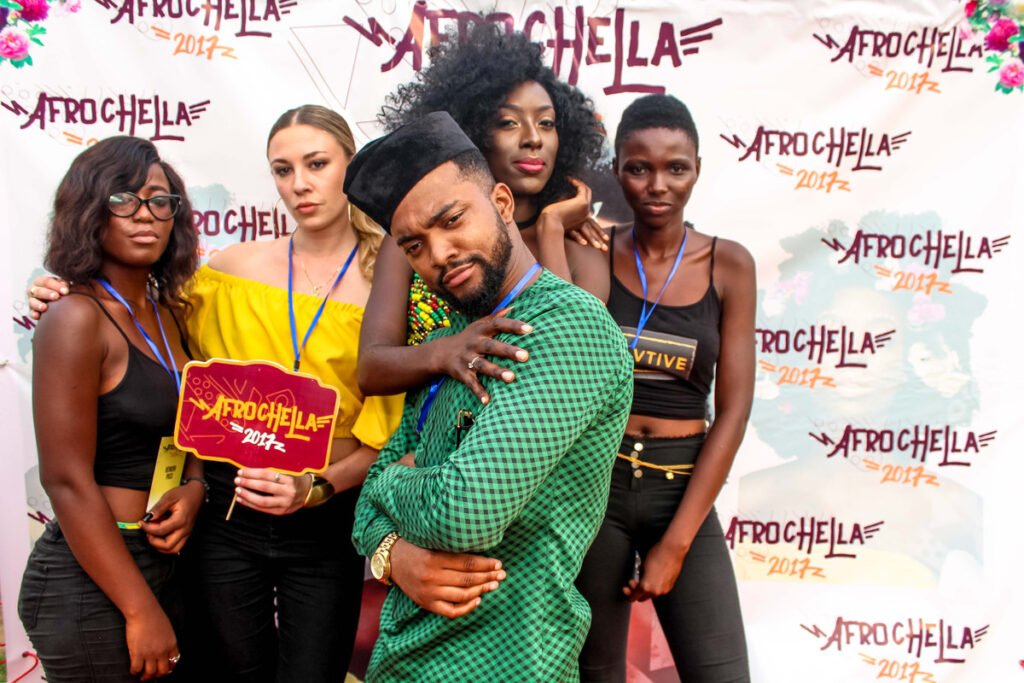
The festival’s timing was nothing short of strategic genius.
Ghana was experiencing a new dispensation in the tourism and recreation sector, and the igniting spark was the “Year of Return”, an initiative launched by the Government of Ghana to position Ghana as the Gateway to Africa.
Other initiatives, including “Beyond the Return”, were launched to keep the momentum going.
Afrochella rode that wave, and it became one of its defining symbols.
By 2019, the festival had moved from the Polo Grounds to El Wak Stadium. Diasporans — particularly from the United States, the United Kingdom, and the Caribbean — were building holiday itineraries around it.
Afrochella was becoming more than a concert. It was a homecoming.
But at its 2022 edition, the organisers announced that Afrochella was “over”. They would later reveal that they were pivoting in a new brand direction.
Behind the scenes, things were more than meets the eye.
A few months before its December festival in 2022, news broke that the organisers of Coachella, the popular music festival in the US, were suing Afrochella for copyright infringement.
Copyright Allegations and Lawsuits
What has often been reported as a sudden ambush was, in fact, a slow-moving storm.
Three years before the lawsuit, AEG — which owns Goldenvoice (promoters of Coachella) — wrote to Afrochella organizers in 2019:
“We understand that you are using Afrochella as the name of a music and arts festival. We note that your event is part of a larger celebration that is designed to attract those living abroad, including those in the United States, to return home to Africa.
Regardless of the celebration or event, your use of Afrochella as the name of a music and arts festival is highly likely to create a likelihood of confusion.”
The letter went further, directly invoking the festival’s own stated origins: AEG cited comments on Afrochella’s own Facebook page suggesting the festival name was trading on Coachella’s goodwill.
Afrochella’s founders allegedly declined to comply.
The COVID pandemic, which shut down major cities worldwide, postponed Afrochella’s 2020 edition, granting an unexpected ceasefire.
But when the festival returned to Accra in 2021 and 2022 — and, critically, when organizers began staging offshoot events in Los Angeles — Goldenvoice moved to formalise its legal threat.
The lawsuit, filed in a California district court on October 5, 2022, accused Afrochella of “intentionally trading on the goodwill of Coachella and Goldenvoice’s well-known trademarks by actively promoting music events in the United States and in Ghana.”
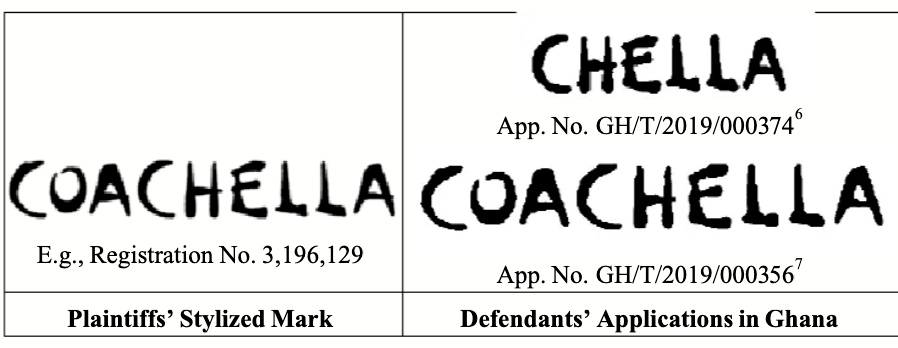
The allegations were layered. Goldenvoice claimed that Afrochella organizers had attempted to patent both “Coachella” and “Chella” in Ghana, and that Afrochella’s logo used a nearly identical font to the Coachella festival.
The cybersquatting claim was equally damaging.
Goldenvoice sought $100,000 over allegations of cybersquatting domain names, pointing to the fact that the Afrochella website was a North American-based domain, which helped it attract a U.S. audience.
The lawsuit document featured screenshots from Adjaye from 2017, essentially admitting to “copying” Coachella.
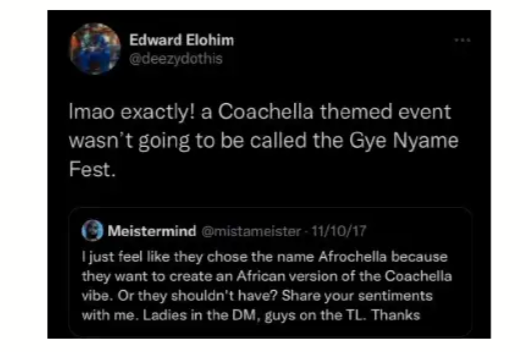
The suit landed just two months before the festival’s December 2022 edition — with Burna Boy and Stonebwoy already billed as headliners.
Organisers pressed forward with the show.
This was not Coachella’s first such legal campaign: Los Angeles festival Hoodchella had been rechristened “Noise in the Hood” after reaching an amicable agreement with AEG/Goldenvoice following legal action in 2016.
In 2017, a California court ruled in Coachella’s favour in its dispute with film festival Filmchella.
The playbook was familiar. Less certain was whether it would work against a festival operating primarily on sovereign African soil.
A Settlement and a Pivot
On the final night of the 2022 edition, after Burna Boy closed the main stage, co-founder Abdul Abdullah stepped to the microphone.
“This is the last Afrochella,” he told the crowd. Many read it as defeat. The reality was more complicated.
On December 15 2022, the copyright infringement case filed by Coachella, its organizer, Goldenvoice, against Afrochella and its co-founder was dismissed. Both sides had agreed to a settlement.
The details of any settlement or dismissal were never made public, in keeping with the quiet resolution that typically concludes such disputes.
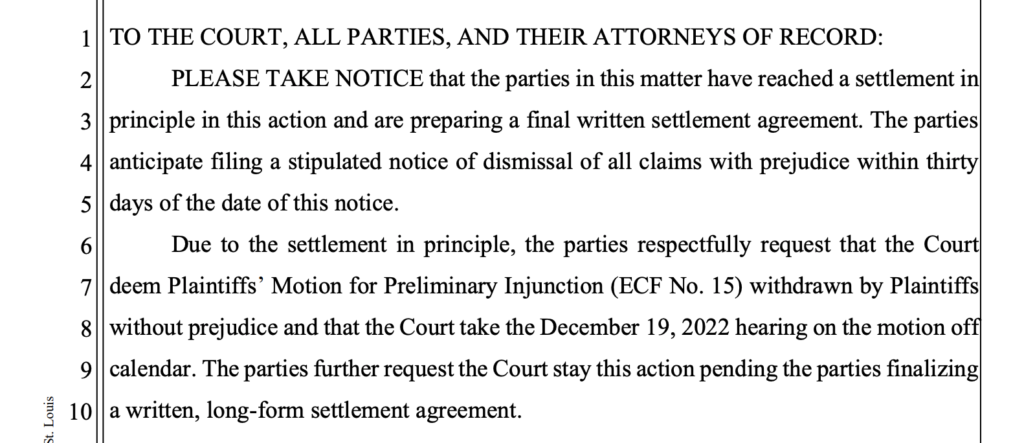
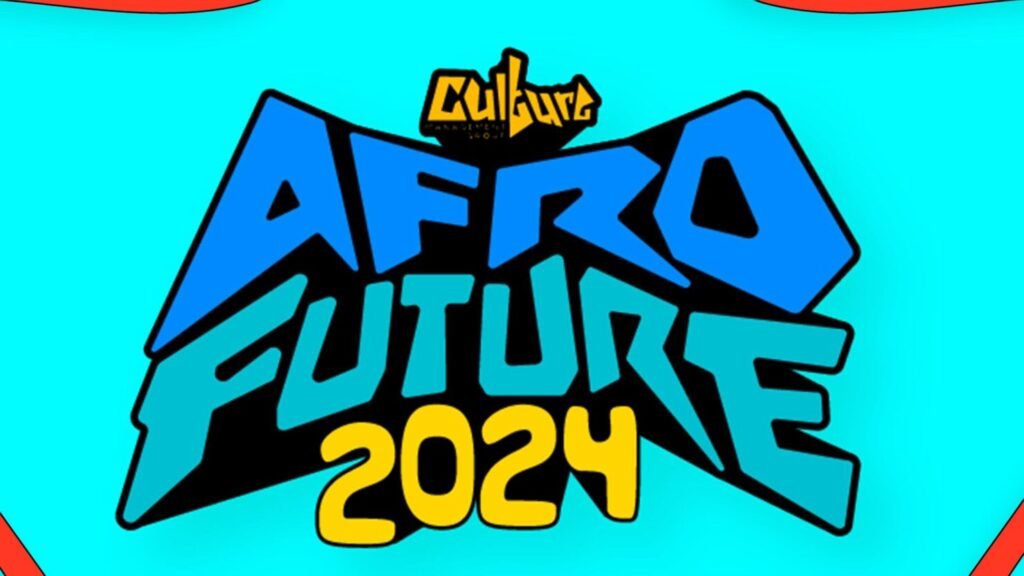
After its December event, Afrochella organisations announced they would be rebranding to “AfroFuture”.
Co-founder Ken Agyapong Jr. clarified in a Hitz FM interview that the idea of changing the name had been conceived as early as February 2022 — months before the lawsuit was filed — when the team decided that year’s theme would be Afrofuturism.
“The future is Africa, and we want people to come to Africa, so that is why we wanted to do AfroFuture. The future is bright, and we want more people to come to the continent,” he explained in the interview.
The legal pressure, he insisted, was coincidental to the pivot rather than its cause.
Agyapong went further, asserting they had won the copyright infringement case brought by Goldenvoice.
The Journal asked a Ghanaian legal expert on Mr. Agyapong’s comments on whether CMG had indeed won their settlement.
Tracy Ansaah Ofosu, a Ghanaian legal practitioner, stated that public claims that Afrochella “won” the case should be treated with caution.
“A settlement does not necessarily signify victory for either party,” she wrote in an email to The Journal.
“Commercial settlements are often reached for a variety of reasons, including litigation costs considerations, risk management, business strategy, confidentiality considerations, and brand protection.”
Ms. Ofosu was also of the opinion that the group’s rebrand does not necessarily mean it was a result of the lawsuit.
“[Afrochella’s] subsequent rebrand to AfroFuture should not automatically be interpreted as an admission of trademark infringement.”
She stated the group’s rebrand could help reduce future litigation.
“From a practical trademark and brand management perspective, rebranding following a trademark dispute may indicate a strategic decision to reduce future legal exposure and minimise the risk of continued consumer confusion in the marketplace.”
The Labari Journal reached out via email to the Culture Management Group for clarification on Agyapong’s comments. We did not get a response at the time of publication.
After the announcement of the rebrand, the CMG team went live with posts on social media under the name Afro Future Fest.
Social media handles were switched. The identity was repositioned. CMG seemingly emerged from the ordeal intact.
In December 2023, they hosted their first event under its new Afrofuture name.
More Lawsuits and Business as Usual
AfroFuture would go on to host subsequent events in December after its pivot.
However, the group ran into more controversy, this time with the law firm that had seemingly worked on its Coachella case.
In January 2026, a lawsuit was filed in the High Court of Justice (Commercial Division) in Accra against AfroFuture Ltd and its parent entity, Culture Management Group Ltd.
The suit was filed by the law firm Blay & Associates.
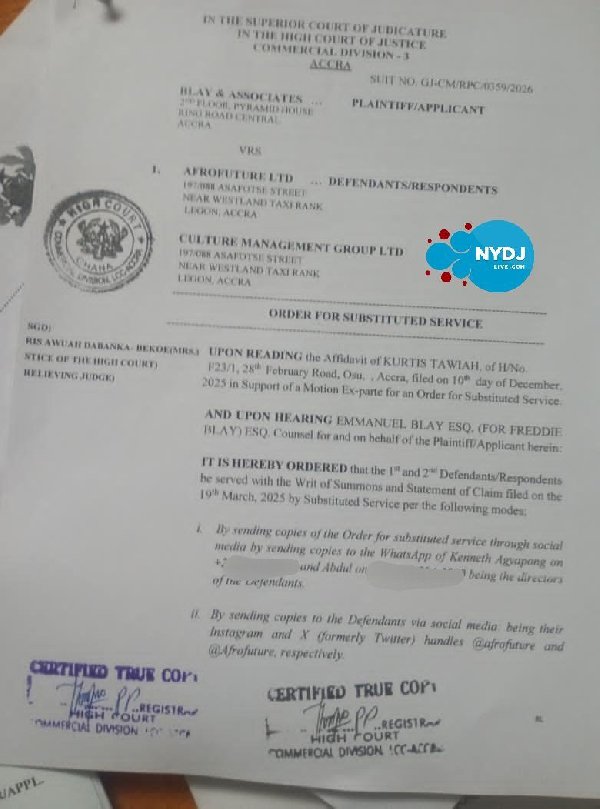
The suit alleged a significant commercial dispute where AfroFuture had failed to satisfy full payment of its legal fees to the firm.
Co-founders Kenneth Agyapong and Abdul Abdullah were named in the suit.
According to multiple sources, Blay & Associates claim they were owed $36,000 in legal fees.
Representatives from Afrofuture have not publicly commented on the lawsuit.
The Labari Journal reached out to Blay and Associates and organisers of Afrofuture for comment on the pending lawsuit. We did not receive a response from both parties at the time of publication.
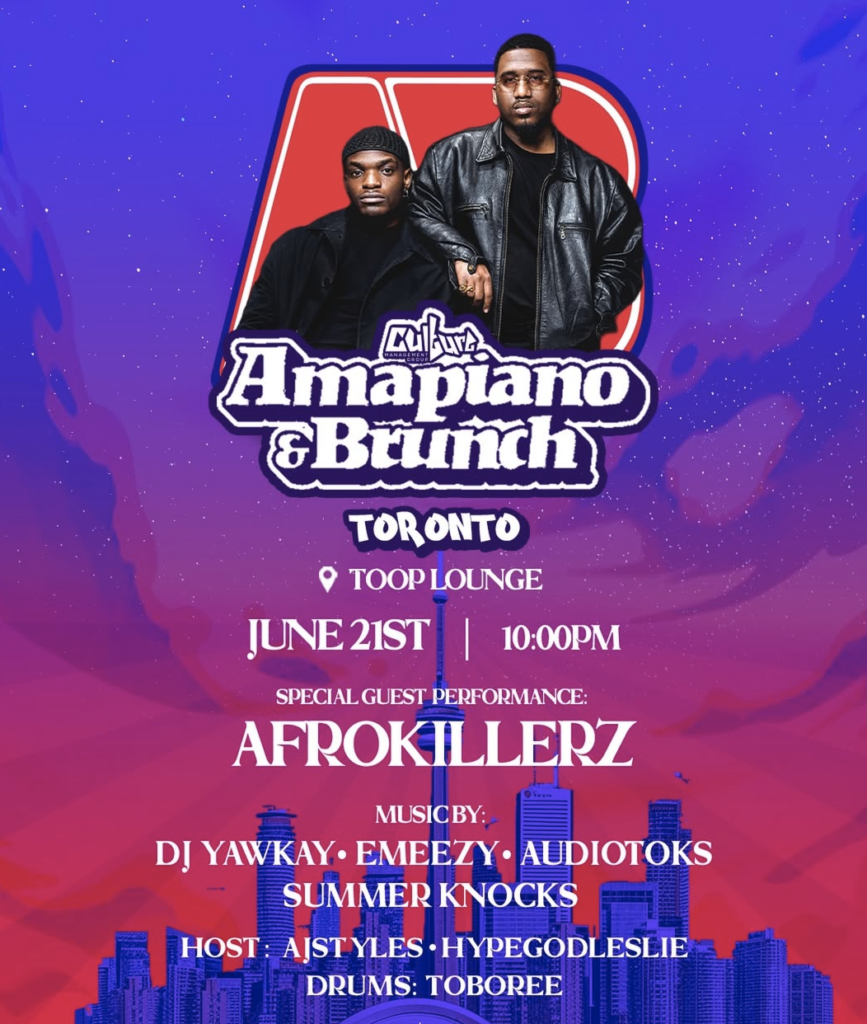
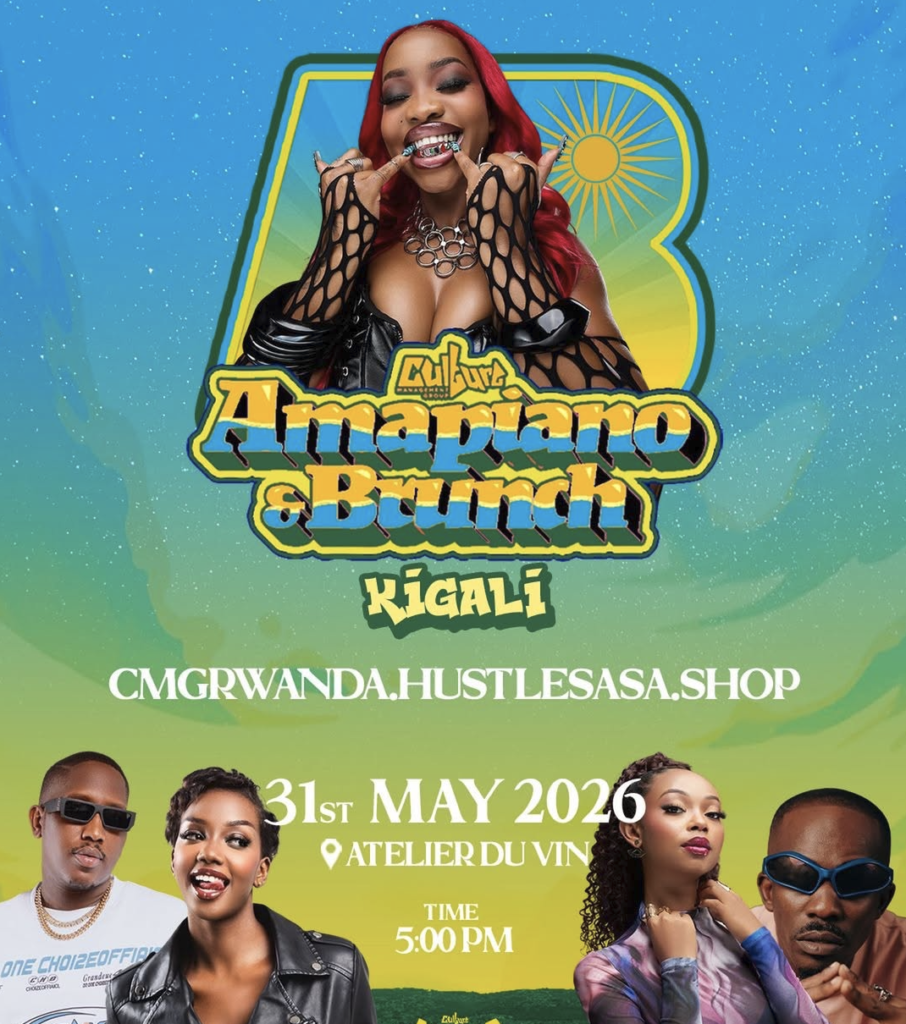
Although they have not officially announced its 2026 event, AfroFuture appears to be on track to continue its annual event in Accra this December.
On their social media pages, the brand has hosted events and showcases in Washington DC, New York, and Toronto.
In 2022, when it was announced that Afrochella would have its last hurrah, many saw it as the end of an era. Although it was more of a rebrand, the optics of the Coachella lawsuit, some may argue, drained a bit of the spirit of the event.
In 2023, the event switched locations from the El-Wak stadium to the Polo Beach Club, to lackluster results. Event goers criticised the production and technical issues.
Subsequent events improved, with the 2025 edition featuring big names including the popular Nigerian artist Asake.
Although the “homecoming” spirit of Afrochella appears to have died down, the company and the brand survived the Coachella lawsuit, made a quick pivot, and have seemingly continued their relevance.
Whether the spirit of “Afrochella” can continue to be a homecoming for the diaspora is something to keep an eye on.



Follow