


Story Highlights
- Parliament passed the Tribunal Bill, 2026 on July 16 after its third reading, over a Minority walkout and objections from the Trades Union Congress (TUC)
- The Bill operationalizes Articles 126 and 142 of the 1992 Constitution, which allow for Regional Tribunals that have sat dormant for decades
- It creates a Tribunal Oversight Committee and a two-tier structure of Regional and District Tribunals to handle economic, environmental and other specialised cases
- Critics invoke the PNDC-era Public Tribunals of the 1980s, which bypassed standard courts and were used against political opponents
- The TUC wants the Bill withdrawn pending publication of the Constitution Review Committee’s report, which it says recommended scrapping Regional Tribunals altogether
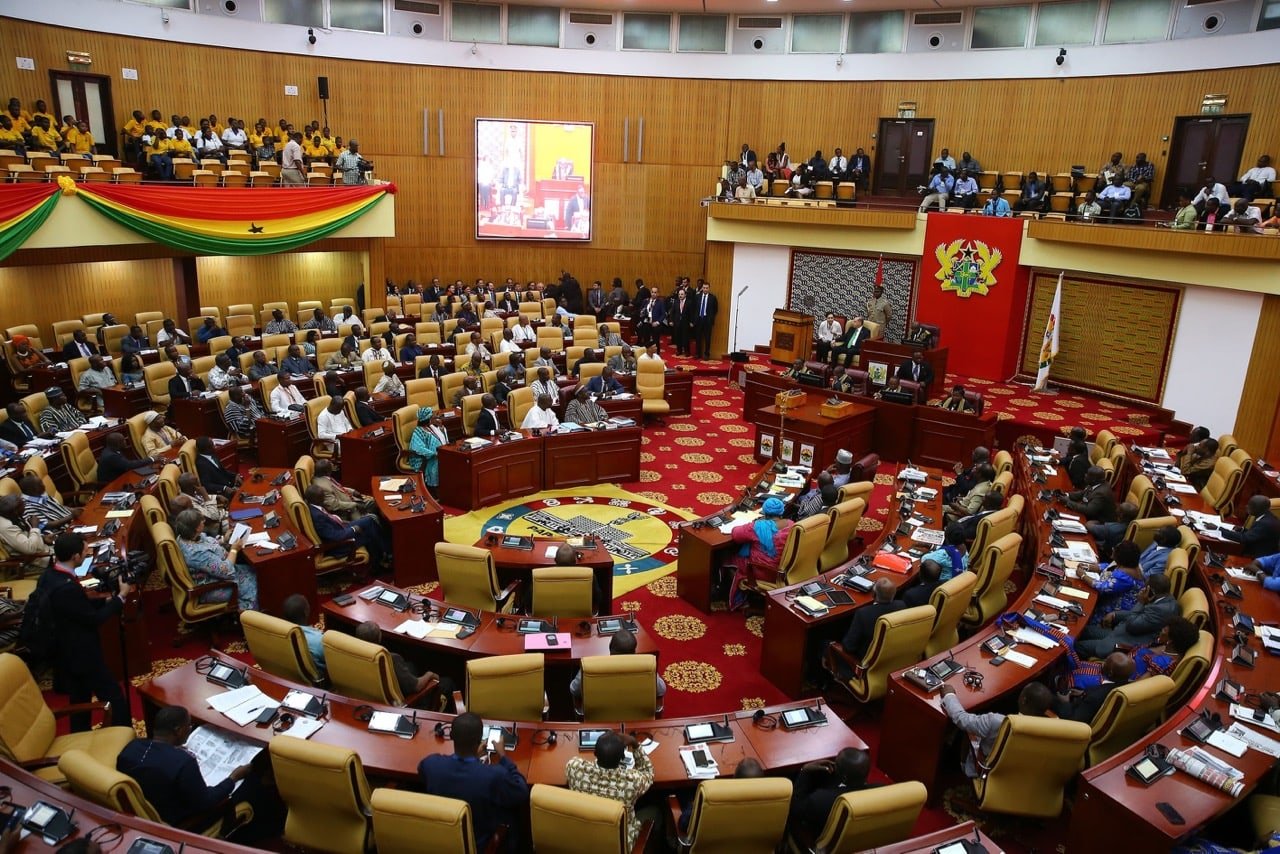
ACCRA — Ghana’s Parliament passed the Tribunal Bill, 2026 in the early hours of Friday, July 17, clearing the way for the reintroduction of a tribunal system that has been constitutionally permitted but functionally dormant since the return to multiparty rule in 1993.
The vote came after the Minority NPP Caucus walked out in protest and the Trades Union Congress mounted a public campaign against the legislation, arguing it risks reviving one of the most contested instruments of Ghana’s authoritarian past.
The Bill now moves to President John Dramani Mahama for assent before it takes legal effect.
What the Bill Actually Does
The Tribunal Bill’s stated object is to provide for the establishment, jurisdiction, composition and operation of tribunals in accordance with the Constitution, and to create a Tribunal Oversight Committee.
The legislation gives Regional and District Tribunals statutory footing under Articles 126 and 142 of the 1992 Constitution — provisions that, as the government has repeatedly stressed, have sat largely unused for decades.
The tribunals are intended to speed up adjudication of specialised cases, including economic, environmental and other matters assigned by law, and to improve access to justice and reduce delays in the ordinary court system.
Government officials have been emphatic that this is not a parallel court system: “We are not creating a parallel justice system. We are simply amplifying what is provided for in the Constitution,” Attorney-General Dr. Dominic Ayine said in response to Minority objections.
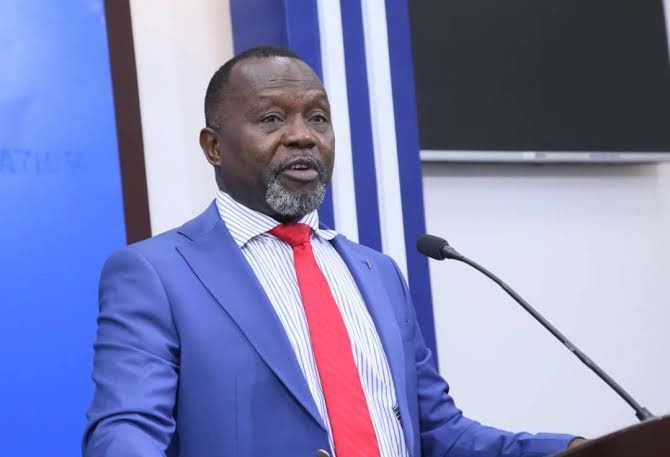
The Attorney-General has grounded the case for the Bill in raw numbers. He has said the backlog of cases in the traditional courts continues to increase by approximately 3,360 cases annually, resulting in delays and prolonged adjudication.
He argued that establishing the tribunals would help reduce this burden and ensure the expeditious disposal of cases.
On paper, the safeguards are substantial. The Ministry of Justice has said the tribunals will be fully integrated into the formal Judicial Service and will operate under the strict oversight of the Chief Justice.
Defendants will retain full constitutional rights to legal representation, fair trial procedures, and the right to appeal decisions to the higher courts.
Dr. Ayine has pointed specifically to the new Tribunal Oversight Committee, operating under the Judicial Council, as the mechanism meant to prevent the excesses associated with past tribunals.
Why Tribunals, and Why Now
Ghana’s 1992 Constitution never abolished tribunals outright — it simply left them unused. As one judicial commentary framed the debate, the Bill seeks to address a legislative gap that has existed since the coming into force of the 1992 Constitution by providing a clear statutory framework for Regional and District Tribunals, which are intended to complement rather than replace the existing courts.
The government’s argument is fundamentally about capacity. Ghana’s ordinary courts — from District Magistrate Courts up through the Supreme Court — are overloaded, and specialised tribunals are being pitched as a pressure valve for cases involving economic crime, environmental disputes, and other technical matters that might otherwise languish for years.
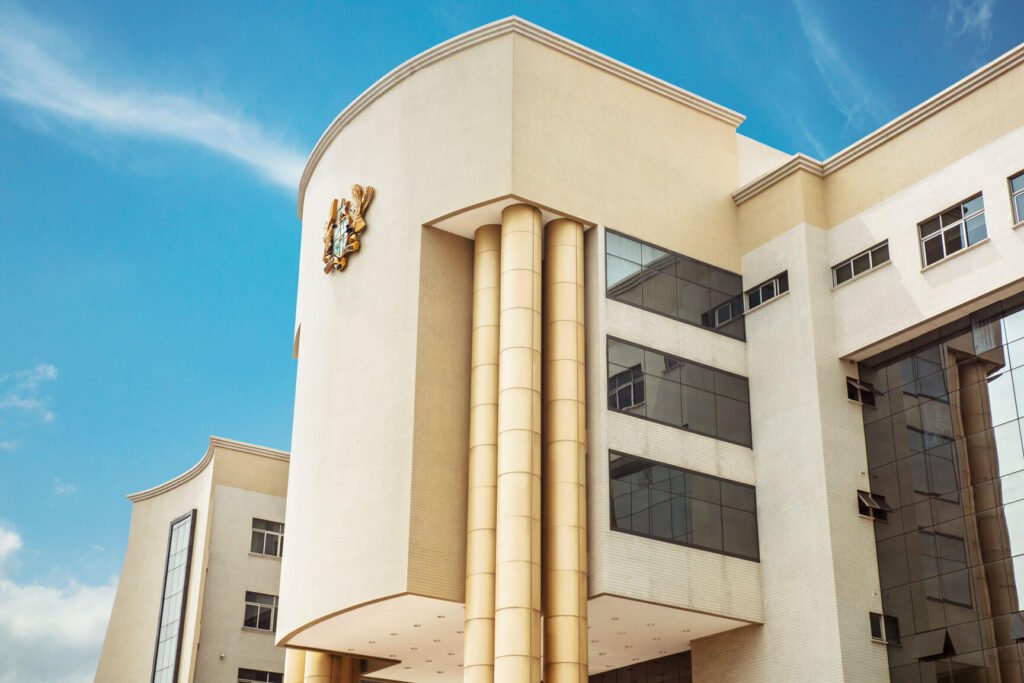
But legal opinion on whether tribunals will actually solve that problem is split. One school of thought within the legal community argues that establishing tribunals will not necessarily guarantee expeditious trials, since the causes of delay in Ghana’s justice system are structural — inadequate numbers of judges, insufficient courtrooms, a shortage of prosecutors and court staff, poor logistics and frequent adjournments.
In other words: a new venue doesn’t necessarily fix an under-resourced system.
Where the History Bites
The controversy is less about court backlogs and more about memory. During the Provisional National Defence Council (PNDC) military era in the 1980s, public tribunals were widely criticized for bypassing standard legal protections and acting as political tools.
That history has shadowed the Bill from its first reading, forcing the Attorney-General onto the defensive early: “I acknowledge the history. That is why this Bill has built-in safeguards,” Dr. Ayine told reporters.

The Minority Caucus, led by Alexander Afenyo-Markin, made that history the center of its opposition. During the second reading, Minority members argued: “We cannot ignore the dark chapters of our history. This Bill, if passed, risks being weaponized against ordinary Ghanaians.”
More bluntly, the caucus warned the tribunal system could become an avenue for “creating jobs for party loyalists to jail opponents.”
Damongo MP Samuel Jinapor questioned the need for additional courts when existing judicial institutions could instead be expanded and better resourced.
The Trades Union Congress has been the most organized outside voice against the Bill, and its objections go beyond historical anxiety to process.
TUC Secretary-General Joshua Ansah has argued the legislation directly contradicts work Ghana already did on this exact question: in its memorandum to the Constitution Review Committee, the TUC noted that “Regional tribunals are no longer relevant”.
He recommended that the entire constitutional article and other consequential references to Regional Tribunals be expunged from the Constitution altogether.
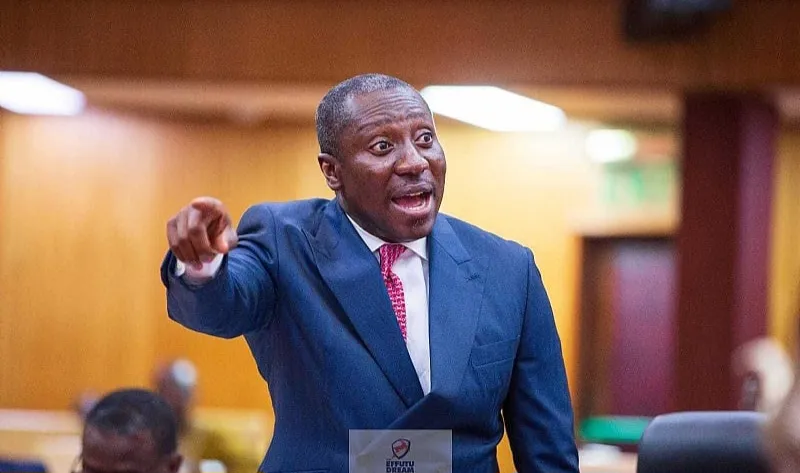
Mr. Ansah’s framing has been unambiguous: “The Bill, when passed into law, can be a potent tool for weaponising justice delivery.”
The TUC’s procedural objection centers on sequencing. It has called on the government to withdraw the Tribunals Bill and publish the full Constitution Review Committee Report, describing the current legislative approach as lacking transparency.
The union says it actively participated in the constitutional review process, submitting a memorandum and appearing before the committee, where it recommended the removal of regional tribunals from the Constitution.
The union and wants to know why government moved to revive them before responding to that report.
It has also flagged a specific structural worry: concern that provisions allowing presidential appointment of tribunal members could increase political influence over the judiciary.
The Clause 4 Fight
Parliamentary opposition crystallized around a single provision during the bill’s clause-by-clause consideration. The Minority unsuccessfully sought the deletion of Clause 4, arguing that it would create a parallel judicial system.
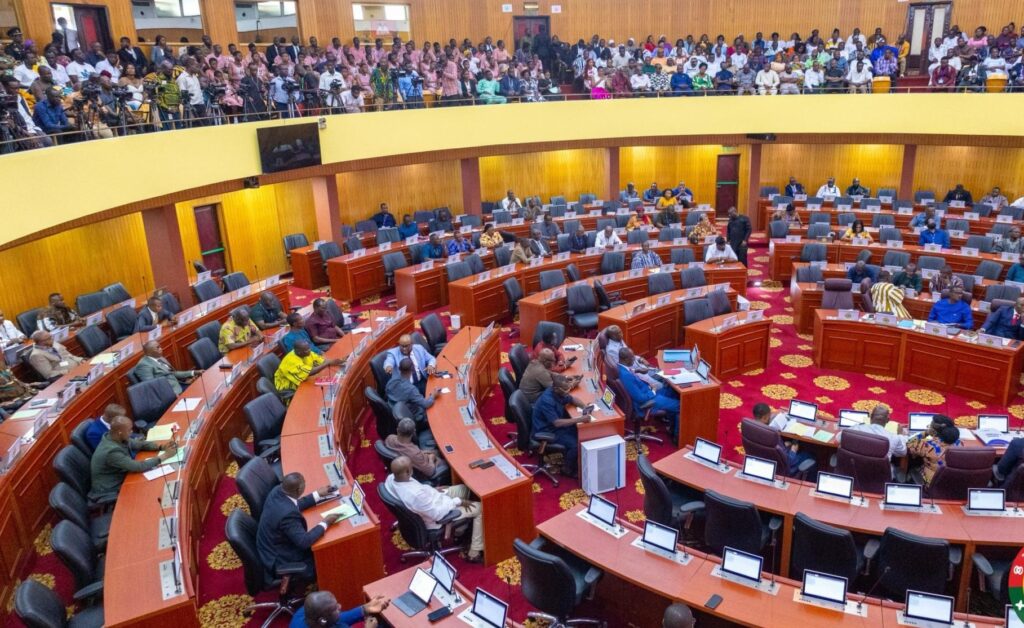
Minority Leader Afenyo-Markin argued the clause would create confusion within Ghana’s judicial system, while Majority Leader Mahama Ayariga insisted the House would complete consideration regardless of how long proceedings took.
When the Speaker’s voice vote went against deletion, Afenyo-Markin challenged the ruling and demanded a headcount, which recorded 16 members voting in favour of deleting the clause and 135 against. The Minority then withdrew from the chamber rather than remain for the final vote.
What Happens Next
The Bill was adopted at its third reading on Thursday, July 16, following extensive deliberations, and will now be forwarded to President Mahama for assent before it becomes law.
Once signed, the practical questions shift from legislative debate to implementation: how tribunal members are selected, how the Oversight Committee actually functions day to day, and whether the promised appeal rights to the higher courts function in practice rather than on paper.
For a public with living memory — or inherited memory — of the PNDC tribunal era, that gap between statutory safeguard and operational reality is likely to remain the central point of scrutiny long after the Bill becomes law.
This article was edited with AI and reviewed by human editors



Follow