


Story Highlights
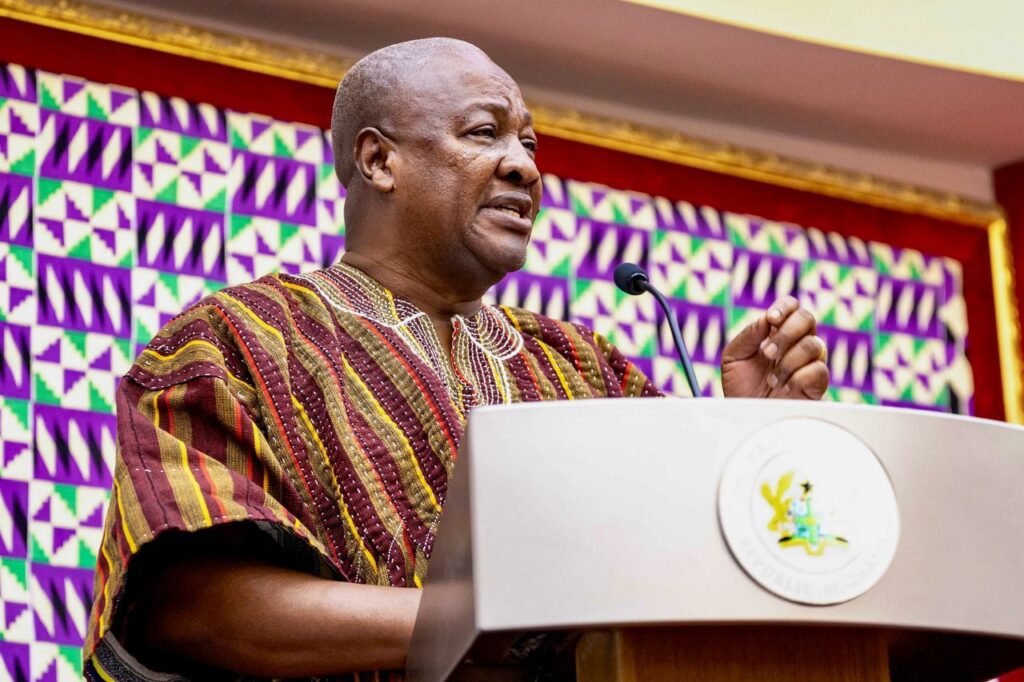
- TikToker Camilla Alhassan was sentenced to one year’s imprisonment with hard labour on July 16, 2026, after pleading guilty to offensive conduct and publishing false news about President John Mahama.
- She is the latest in a growing list of content creators prosecuted under Sections 207 and 208 of the Criminal Offences Act, 1960 (Act 29) — including David Kwodwo Prah Afful (seven months, September 2025) and re-arrested TikToker Mahama Aminat, known as “Bawumia Ba.”
- Parliament’s Minority Caucus has demanded the repeal of both sections, calling Alhassan’s sentence “a warning shot fired at every Ghanaian who owns a smartphone.”
- The Media Foundation for West Africa says more arrests under these laws have occurred in 16 months of the current NDC government than in eight years under the previous NPP administration.
- A pending Misinformation, Disinformation, Hate Speech and Publication of Other Information Bill would repeal Section 208, but has not yet passed.
An Accra Circuit Court sentenced 43-year-old TikTok influencer Camilla Alhassan to one year’s imprisonment with hard labour on July 16, 2026, after she pleaded guilty to offensive conduct conducive to a breach of the peace and to publishing false news.
The court said the sentence was intended to serve as a deterrent to others who engage in similar conduct.
In a series of videos posted the previous month, Alhassan alleged, without providing evidence, that President Mahama had sacrificed 32 cows in a ritual to help secure his 2024 election win, and claimed a government sanitary pad distribution to flood victims was an attempt to conceal that alleged act.
Prosecutors described her as a TikToker with more than 70,000 followers who had made a series of false and defamatory claims against the president.
In the video that triggered her arrest, she was also recorded making remarks about Mahama, his wife Lordina Mahama, and a third individual that prosecutors said were likely to provoke a breach of the peace.
The judge rejected an appeal for a lighter punishment, ruling that a custodial sentence would discourage similar conduct.
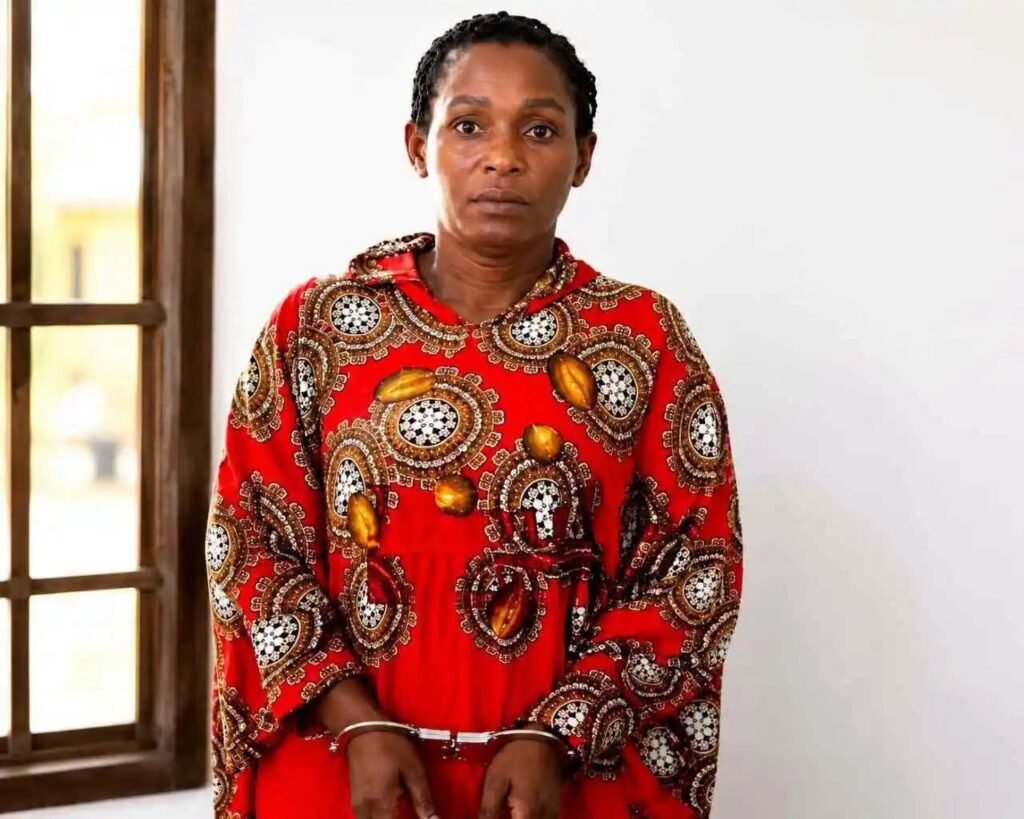
Her case has since taken a further turn. The Police Service has indicated she will face a second prosecution, this time under Section 76 of the Electronic Communications Act, over the same underlying conduct — a development the parliamentary Minority has called double jeopardy in substance if not in strict legal form.
Not an Isolated Case
Alhassan is the most prominent, but not the only, TikToker to be pulled into Ghana’s expanding speech-crime docket in recent months.
In September 2025, TikToker David Kwodwo Prah Afful, known as Kwame Nkrumah II and running an account with 13,000 followers, was arrested after allegedly making death threats and inciting violence against government officials during a TikTok live session, reportedly referencing vehicles bearing official green number plates.
He pleaded guilty to threatening death and offensive conduct likely to breach the peace and was sentenced to seven months in prison.
TikToker Mahama Aminat, popularly known as “Bawumia Ba,” was first arrested on May 20, 2026, over videos in which police allege she made insulting remarks about the president, and was granted bail of GHC 1 million with strict reporting conditions.
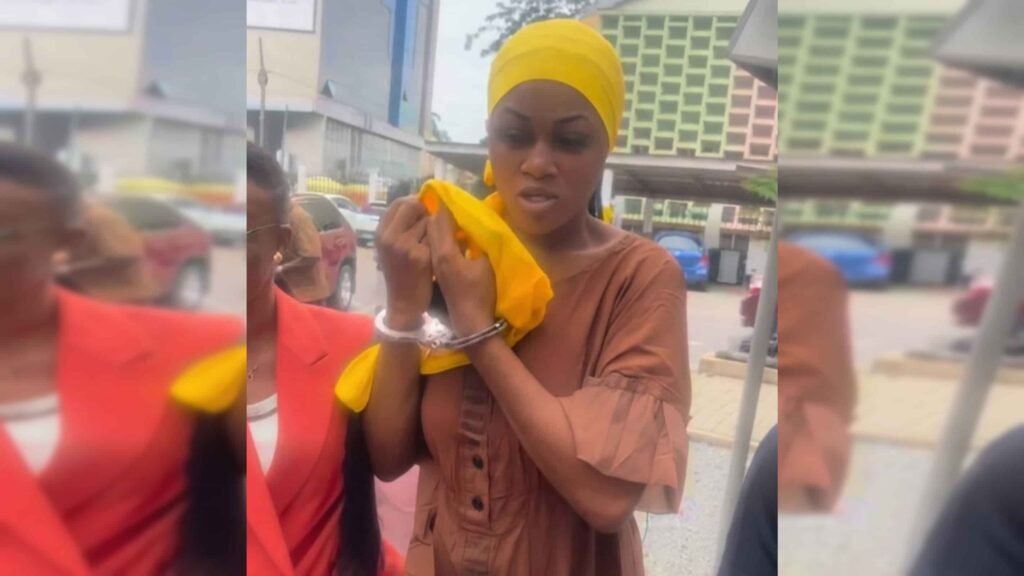
She was re-arrested on July 17, 2026, in connection with fresh allegations that she made threats against President Mahama and the First Lady, appearing before the Accra Circuit Court under police escort days after Alhassan’s sentencing.
Her supporters say the pattern of arrests around politically sensitive commentary reflects a broader clampdown rather than isolated law enforcement.
Other cases stretch the definition of “false news” further still.
In one instance, a private security guard known online as “Ebo Noah” was remanded and ordered to undergo psychiatric evaluation after allegedly publishing statements on TikTok, YouTube and Facebook claiming the world would be destroyed by floods on December 25, 2025, and that he was building an ark to save people.
The claim that reportedly compelled some individuals to travel to Ghana.
And in April, a 22-year-old TikTok user was arrested after posing as an armed bandit in a viral video captioned about targeting churches, which police said sparked alarm and widespread concern online before he admitted during interrogation to being the person in the video.
The Law Behind the Arrests
The prosecutions rest on two adjoining provisions of the Criminal Offences Act, 1960 (Act 29), a code first enacted in Ghana’s First Republic under Kwame Nkrumah.
Section 207 makes it an offence to use threatening, abusive or insulting words or behaviour with the intention of provoking a breach of the peace, or where such a breach is likely to occur.
Section 208 separately criminalises the publication of false news likely to cause fear and alarm — a provision legal commentators describe as a colonial-era relic that should have been retired alongside criminal and seditious libel, which Ghana formally abolished in 2001.
Critics argue the two sections are increasingly being deployed well beyond their original scope.
One legal analysis notes that a careful reading of the breach-of-the-peace provision suggests it was never intended to apply to social media posts or mere criticism of government action, and that unless speech instigates the imminent commission of a crime, the state has no legitimate basis to criminalise it.
The scale of enforcement has also drawn scrutiny. One prominent legal commentator says he has counted 16 cases of Section 208’s misuse in the 18 months to mid-2026, compared with roughly a dozen such cases over the preceding eight years combined.
The Media Foundation for West Africa has gone further, stating that more people have been arrested under these speech laws within 16 months of the current NDC government than during the entire eight years of the previous NPP administration.
The organisation noted the irony that President Mahama, while in opposition in 2022, had written to his predecessor warning against the “growing criminalisation of speech and journalism in Ghana” and cautioning against using state power as “a pliant tool in this intimidating endeavour.”
Parliament Pushes Back
The Alhassan sentencing has crystallised political opposition to the two provisions.
Minority Leader Alexander Afenyo-Markin told a press conference in Parliament that a one-year custodial sentence with hard labour for a social media post was disproportionate, describing it as “not justice, but a warning shot fired at every Ghanaian who owns a smartphone.”
He cited other cases prosecuted under the same sections, including that of Kwame Baffoe, popularly known as Abronye DC, who was remanded on identical charges before being granted bail of GHC 100,000.
The Minority Caucus has called for the immediate withdrawal of all pending prosecutions under Sections 207 and 208, the discharge of anyone currently serving a sentence under either provision, and swift passage of legislation to repeal both sections.
Afenyo-Markin was careful to frame the demand as a rejection of custodial punishment for speech offences rather than an endorsement of the underlying conduct.
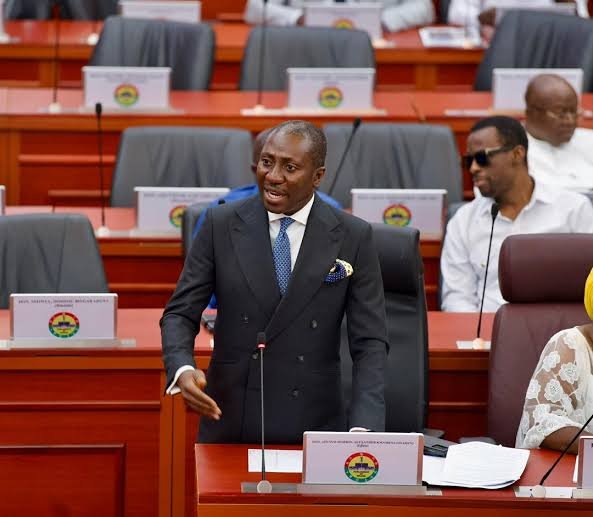
“We condemn irresponsible speech and irresponsible publication in all its forms, whoever is responsible for it, and regardless of which party that person supports,” he said, adding that the Minority opposed custodial sentences for such offences even while not condoning the speech itself.
The MFWA has echoed that position from a press freedom standpoint, arguing that custodial sentences are neither an effective nor an appropriate response to offensive or indecent online speech and urging courts to prioritise non-custodial alternatives.
A Bill Still Waiting
A legislative fix has been on the table for more than a year without passing. The Misinformation, Disinformation, Hate Speech and Publication of Other Information Bill, tabled in 2025, proposes repealing Section 208 outright and amending Section 76 of the Electronic Communications Act, which is increasingly being paired with the older criminal provisions.
Government officials, meanwhile, have defended enforcement on public-order grounds; Communications Minister Samuel Nartey George said a year ago that legislation was being developed to combat online falsehoods while seeking to safeguard free speech, after warning that Ghanaians who “peddle falsehood, hate speech and make utterances to cause fear and panic” would be found.
Until that bill — or a repeal of Sections 207 and 208 themselves — moves through Parliament, the question of where legitimate law enforcement ends and speech criminalisation begins remains, in practice, a decision left to individual circuit court judges and prosecutors, case by case.
This article was edited with AI and reviewed by human editors
Subscribe to our newsletter
Author



Follow