Story Highlights
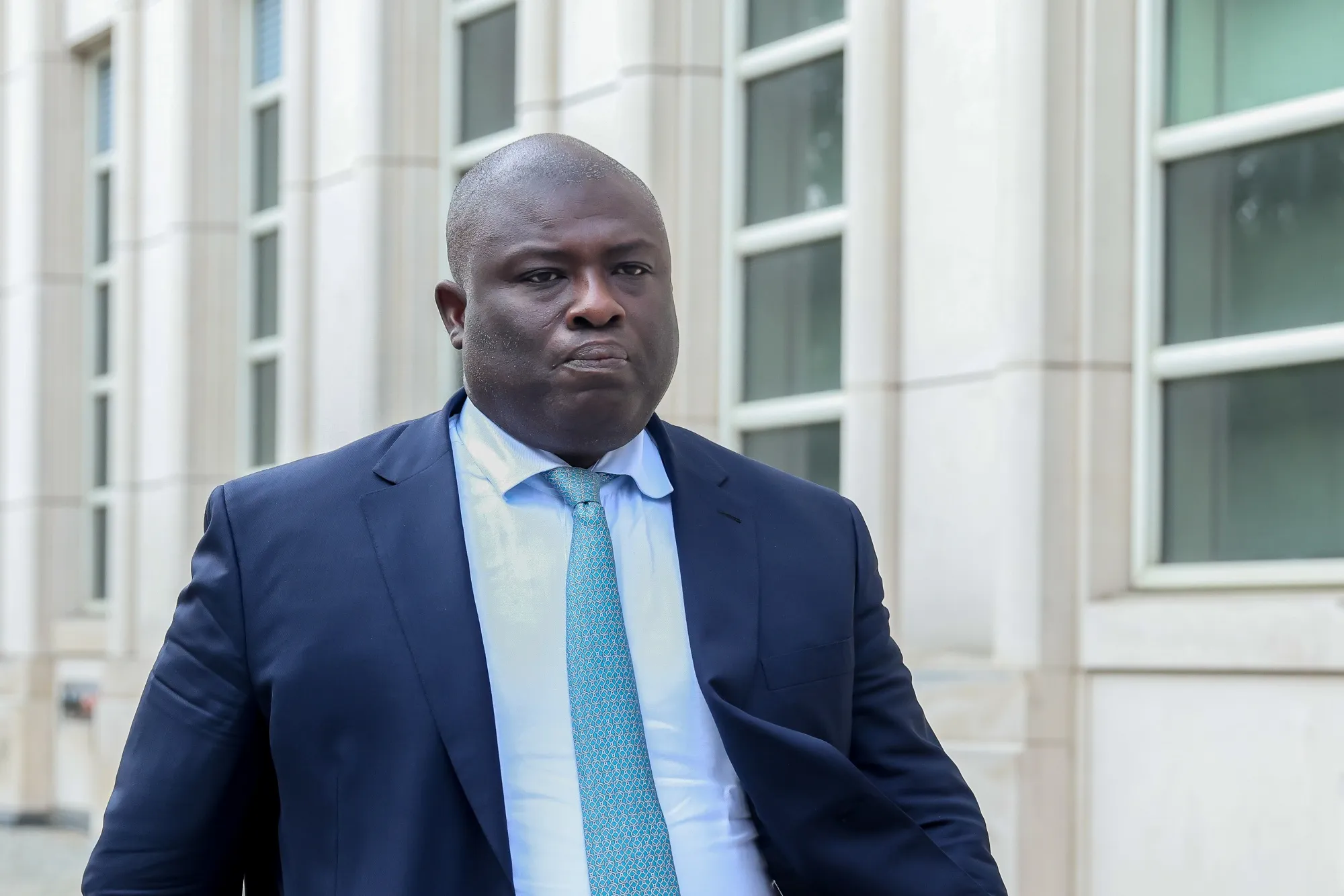
- Asante Berko, 52, a former Goldman Sachs International executive director, went on trial Tuesday in federal court in Brooklyn on bribery and money-laundering charges.
- Prosecutors allege he arranged over $1 million in payments to Ghanaian officials to secure approvals for a power plant project benefiting a Turkish energy company.
- Berko, a dual US-Ghana citizen, fought extradition from the UK for nearly two years before losing his appeal in 2024.
- He faces up to 20 years in prison if convicted on the most serious charge; he has pleaded not guilty.
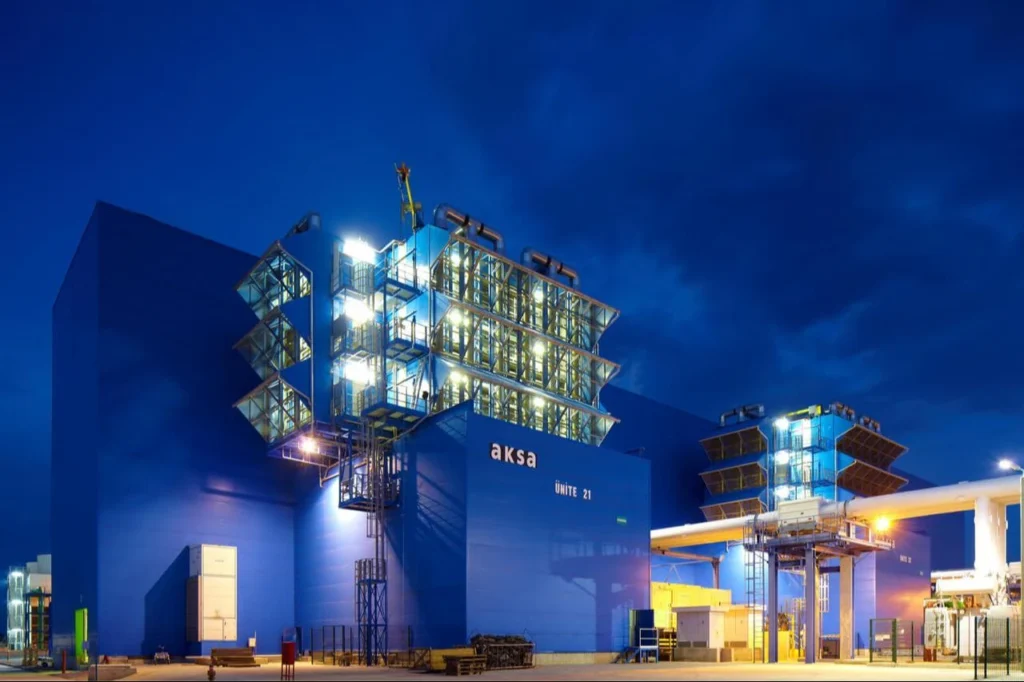
- The case centers on a project connected to Aksa Enerji, in which Goldman held a 16% stake; Goldman itself was not charged and cooperated with investigators.
BROOKLYN, New York — A former Goldman Sachs Group Inc. banker went on trial Tuesday, accused of orchestrating a bribery scheme that funneled over $1 million to Ghanaian government officials to secure approval for a multimillion-dollar power plant deal.
Asante Berko, 52, sat in federal court in Brooklyn as Assistant US Attorney Katherine Raut told jurors that he and associates outside the bank paid off senior officials in Ghana a decade ago to clear the way for a Turkish energy company’s power project — a scheme prosecutors say Berko concealed from Goldman’s own compliance department.
Mr. Berko was appointed as Managing Director of the Tema Oil Refinery in January 2020. He resigned in April of the same year after the bribery allegations became public.
From Tema Oil to Wall Street
Mr. Berko, a dual citizen of the United States and Ghana, built a career straddling both countries’ energy and finance sectors before joining Goldman Sachs International in London.
He previously served as managing director of Ghana’s Tema Oil Refinery before moving into investment banking, where he rose to executive director — a mid-to-senior rank at Goldman overseeing deal execution.
Prosecutors say that Berko worked on Goldman’s team responsible for securing and managing financing for the power plant project, putting him at the center of negotiations between the Turkish firm and Ghanaian authorities.
The scheme allegedly benefited Mr. Berko, Goldman Sachs, and the Turkish energy company, in which Goldman held a 16% stake.
Reporting has identified the client as Aksa Enerji, though prosecutors’ court filings referred to it only as “the Energy Company.”
The Allegations
According to the indictment, the bribes Mr. Berko is accused of arranging took place between December 2014 and March 2017, while he was an executive director at Goldman’s UK subsidiary working to close a power purchase agreement between the Turkish firm and the Ghanaian government.
The US Securities and Exchange Commission, which brought a parallel civil case in 2020, alleged that Mr. Berko arranged for the energy company to funnel between $3 million and $4.5 million to a Ghana-based intermediary company to bribe officials responsible for approving the project.
At least $2.5 million of that was actually transferred, most of which was used to pay off Ghanaian officials.
Prosecutors said Mr. Berko and the company timed the largest transfers to coincide with key milestones in the project’s approval process, ensuring funds were available precisely when needed to influence decision-makers.
Court filings detail specific alleged inducements. Five Ghanaian officials were allegedly given an all-expenses-paid trip to Turkey to inspect power plant equipment, during which they each received $5,000 in cash.
Emails cited by prosecutors describe a running tally of payments: in August 2015, conspirators discussed $250,000 in bribe payments to various individuals, including $20,000 to officials at Ghana’s Ministry of Power described by a co-conspirator as “vital to our communication and information acquisition.”
The same messages reportedly detailed tens of thousands of dollars in bribes Mr. Berko had personally paid and additional sums he was still owed.
In her opening statement, Ms. Raut told jurors the case would rest heavily on documentary evidence — bank records and internal emails — rather than eyewitness testimony.
Among the messages she cited: Berko allegedly instructed accomplices to “keep our conversations to private email,” and in a 2015 exchange, an associate told him a Ghanaian official was “waiting for the ‘holy rain’ and would appreciate it sooner rather than later.”
Prosecutors have pointed to this and similar language as coded references to bribe payments.
Goldman’s Role and Exit
Ms. Raut told jurors that Goldman itself eventually grew suspicious, pulling out of the project after internal “red flags” mounted. The bank has not been charged in the criminal case and has cooperated with US authorities throughout the investigation.
Payments tied to the alleged scheme were routed through US and international financial institutions, prosecutors say — the jurisdictional hook that allows American authorities to pursue money-laundering charges alongside the Foreign Corrupt Practices Act violations.
Court filings state that payments in furtherance of the bribery scheme were laundered through US and foreign bank accounts, including several held in Berko’s own name.
A Long Path to Trial
The case against Mr. Berko has moved slowly through multiple jurisdictions. The SEC first filed civil charges against him in April 2020, alleging FCPA violations.
Federal prosecutors followed with a criminal indictment that August, but it remained sealed for more than two years — a delay defense lawyers later cited in an unsuccessful bid to have the case dismissed on speedy-trial grounds.
Mr. Berko was arrested in London in November 2022 and spent nearly two years fighting extradition from the UK, where he had continued living and working after leaving Goldman.
He lost that fight in mid-2024 and was extradited to New York, where he was arraigned, pleaded not guilty, and released on a $600,000 bond under conditions that included house arrest.
Earlier this year, US District Judge Diane Gujarati of the Eastern District of New York rejected a defense motion to dismiss the charges, ruling that prosecutors had acted properly in sealing the indictment.
Judge Gujarati had made “reasonably diligent efforts to locate and arrest” Mr. Berko while he was living overseas, dismissing claims of prosecutorial misconduct.
The Defense
Mr. Berko’s attorney, Robert Boone, told jurors the prosecution’s case is built on inference rather than direct proof.
He compared the government’s evidence to the pop duo Milli Vanilli, exposed decades ago for lip-syncing rather than performing their own recordings — a metaphor for what he argued is a case built on appearances rather than substance.
“Where are the witnesses to Mr. Berko’s bribery?” Boone asked jurors. “Is anyone going to testify to having seen a bribe or being paid a bribe? The answer is no.”
Two Week Trial
Berko faces six counts tied to the FCPA, conspiracy, and money laundering. The most serious charge, conspiracy to commit money laundering, carries a maximum sentence of 20 years in prison.
The trial, expected to run roughly two weeks, will test whether documentary evidence — emails, wire records and financial transfers — can substitute for direct testimony in establishing bribery under US law.
Story was produced based on original reporting by Bloomberg
This article was edited with AI and reviewed by human editors