
Story Highlights
- Bernard Antwi-Boasiako, popularly known as Chairman Wontumi, has formally requested plea bargain negotiations in the GH¢24.26 million EXIM Bank fraud case against him
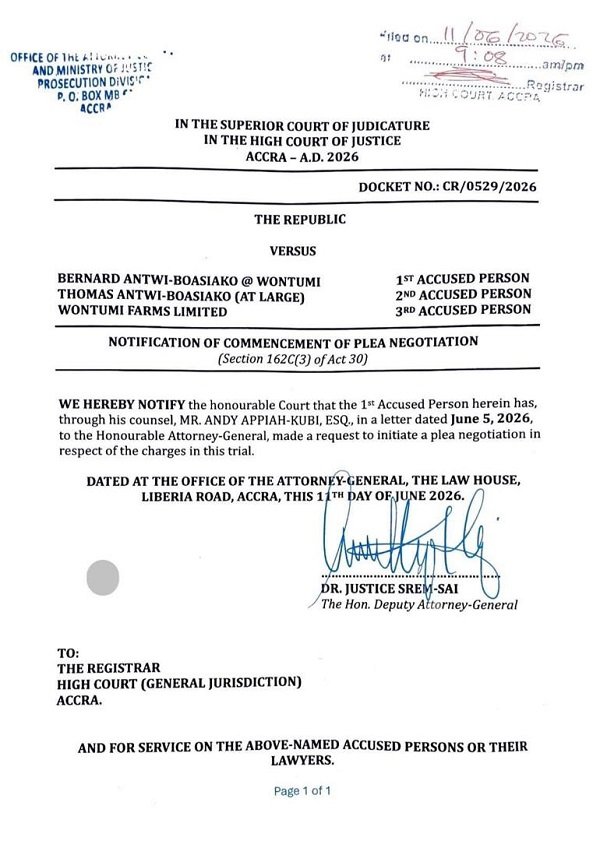
- The Attorney-General’s office confirmed the request on June 11, 2026, in a court filing
- The case involves allegations that Wontumi Farms Limited submitted forged receipts for equipment that was never purchased under an EXIM Bank loan facility
- The plea bargain request marks a significant shift in a case that has become a flashpoint in Ghana’s broader debate over accountability for politically connected individuals
ACCRA — A criminal case that has drawn sustained public attention to Ghana’s loan disbursement practices and the accountability of politically exposed persons has taken an unexpected turn, after the Ashanti Regional Chairman of the New Patriotic Party (NPP) moved to negotiate a plea deal rather than proceed to a full trial.
A court filing from the Office of the Attorney General and Ministry of Justice, dated June 11, 2026, confirms that Bernard Antwi-Boasiako — widely known by his moniker Chairman Wontumi — has, through his lawyer Andy Kwame Appiah-Kubi, written to the Attorney-General requesting the commencement of plea negotiations.
The request, made on June 5, 2026, was filed under Section 162C(3) of the Criminal and Other Offences (Procedure) Act, Act 30, which governs plea bargaining in Ghana’s criminal justice system.
The “Notification of Commencement of Plea Negotiation,” signed by Deputy Attorney-General Dr Justice Srem-Sai, formally alerts the High Court of Justice in Accra that the first accused person in the matter — docketed as CR/0529/2026 — has sought to open discussions with prosecutors over the charges he faces.
The Allegations at the Heart of the Case
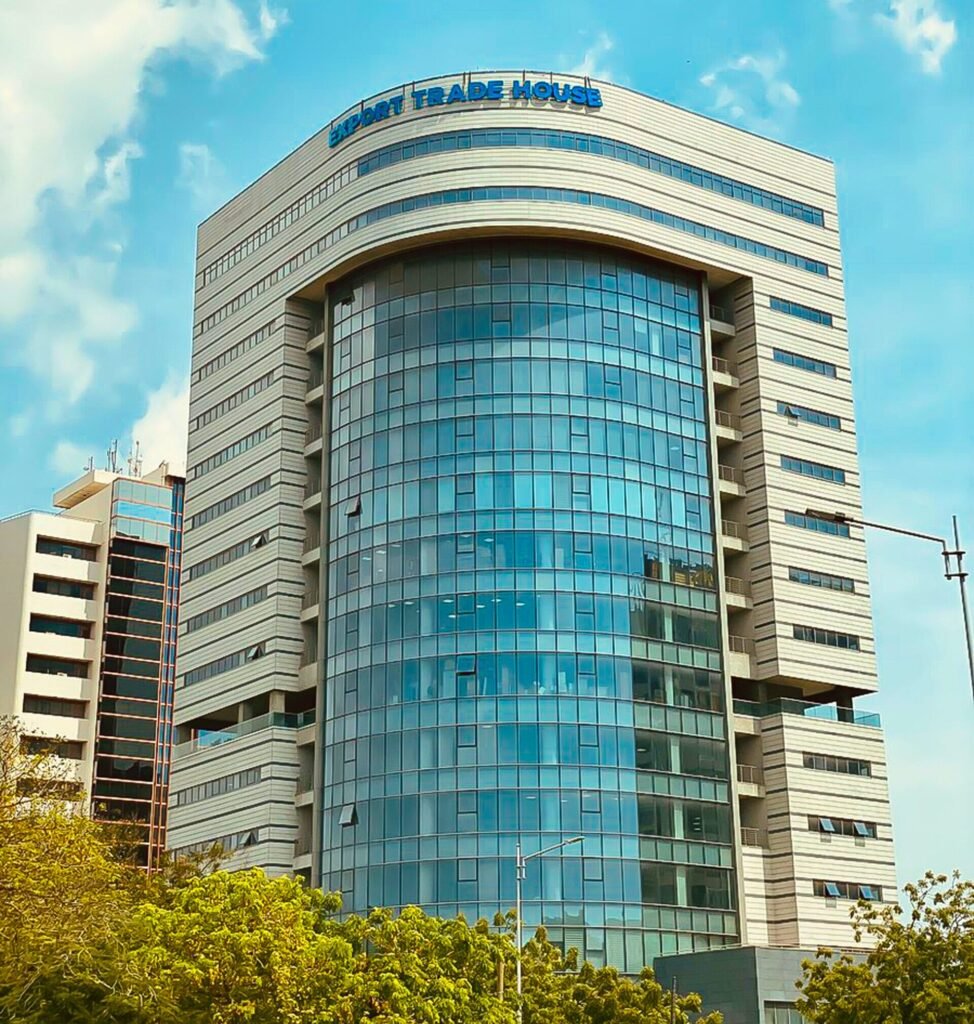
The case stems from a loan facility extended by Ghana EXIM Bank to Wontumi Farms Limited, a company linked to Antwi-Boasiako.
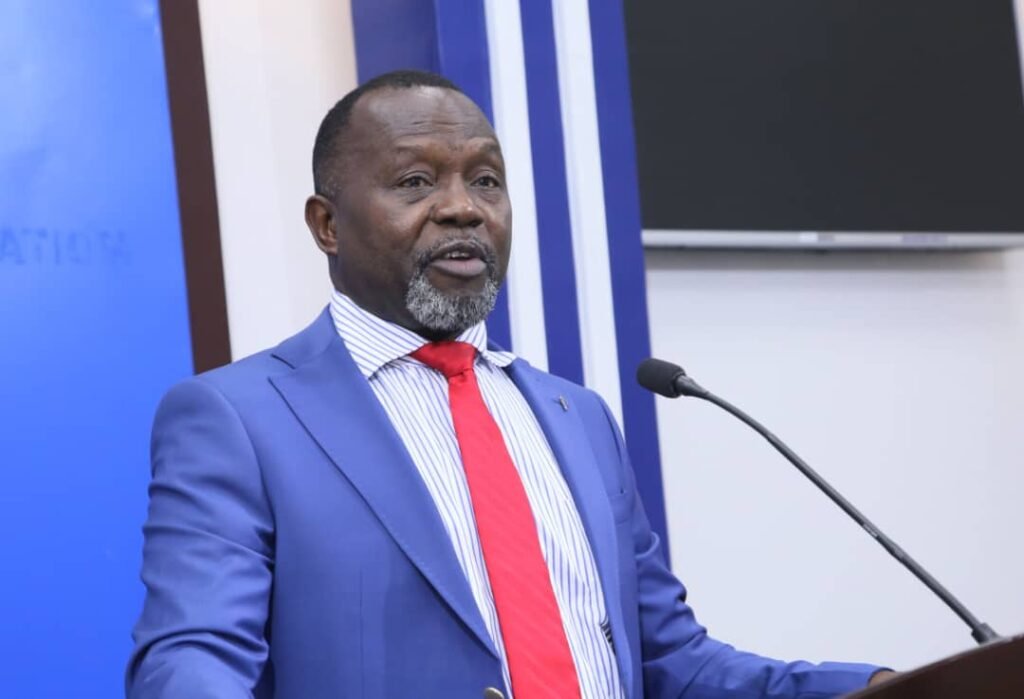
According to the Attorney-General, Dr Dominic Akuritinga Ayine, the terms of the loan required that any equipment purchased with the disbursed funds be jointly registered in the names of EXIM Bank and Wontumi Farms Limited — a standard safeguard meant to secure the bank’s interest in assets financed by public funds.
Speaking during the Government Accountability Series in December 2025, Dr Ayine disclosed that investigations conducted by the Economic and Organised Crime Office (EOCO) found no evidence that any equipment had actually been procured under the facility. Because no equipment existed, joint registration with the bank was never possible.
More seriously, investigators determined that receipts submitted by Wontumi Farms purporting to document the equipment purchases were forged.
EXIM Bank itself has denied ever receiving valid documentation for the purchases, telling investigators that the only paperwork it received in connection with the equipment was the forged receipts later identified by EOCO.
Based on these findings, the Attorney-General announced that the state would prosecute Wontumi Farms Limited and its directors on charges of defrauding by false pretenses, forgery, and causing financial loss to the state.
The figure cited — GH¢24,255,735 — represents the principal loan amount plus accrued interest at the time charges were brought.
During interrogation, Antwi-Boasiako reportedly offered an unusual defense, claiming he had purchased what he described as “secondhand brand new” equipment and maintaining that all relevant documentation had been submitted to the bank — an account investigators say is contradicted by the bank’s own records.
Who Is Named in the Case
The court filing lists three accused parties: Bernard Antwi-Boasiako as the first accused, his brother Thomas Antwi-Boasiako — who remains at large — as the second accused, and Wontumi Farms Limited itself as the third accused.
The involvement of a corporate entity alongside individual defendants reflects a prosecutorial approach increasingly used in Ghana to pursue both personal and institutional accountability in cases involving state-backed financing.
What a Plea Bargain Could Mean
Ghana’s plea bargaining framework, introduced under amendments to Act 30, allows accused persons to negotiate reduced charges, sentences, or other terms in exchange for cooperation, restitution, or guilty pleas — provisions intended primarily to ease case backlogs and recover stolen public funds more efficiently than protracted trials allow.
For a case of this magnitude, however, a negotiated settlement carries implications that extend well beyond the courtroom.
Critics of plea bargaining in high-profile corruption cases have long argued that the mechanism risks allowing politically connected defendants to avoid the reputational and legal consequences of a full trial, potentially in exchange for partial repayment of the funds in question.
Notably, an earlier GhanaWeb report indicated that Wontumi had previously attempted to settle the alleged debt — a detail that may now factor into the terms under discussion.
Supporters of the plea bargain process counter that it offers the state a faster, more certain route to recovering public funds than a trial that could stretch for years, particularly given that one of the three accused — Thomas Antwi-Boasiako — remains at large and outside the court’s immediate reach.
The Broader Stakes
The case has unfolded against a backdrop of heightened scrutiny of how state-affiliated financial institutions like EXIM Bank disburse and monitor loans extended to politically connected businesses.
The Attorney-General’s Government Accountability Series, under which the original allegations were detailed, has positioned itself as part of a wider effort to address gaps between official lending safeguards and their enforcement.
Whether the plea negotiation results in a settlement, and on what terms, will likely be closely watched as a signal of how Ghana’s institutions handle prosecutions involving senior figures within the country’s ruling political establishment — Antwi-Boasiako being one of the most prominent regional officials of the NPP, now in opposition.
The Office of the Attorney General has not indicated a timeline for the negotiations or whether the court has approved the request to proceed.
This article was edited with AI and reviewed by human editors