



Story Highlights
- Ghana’s Pre-Export Verification of Conformity (PVoC) programme takes full effect October 1, 2026, requiring inspection and certification of used vehicles before they leave the export country
- Vehicles over 10 years old, flood- or fire-damaged cars, and right-hand-drive conversions will be barred under Ghana Standard GS 4510:2022
- The Driver and Vehicle Licensing Authority will introduce specialised commercial driving licences and link registration to a new digital Vehicle Dealer Information System
- Dealer groups, including the Chamber of Autodata Ghana and the Vehicle Asset Dealers Union of Ghana, have appealed for a delay, warning of clearance disruptions and higher transport costs
- The GSA insists the measure is not a blanket ban, but a conformity requirement tied to a programme first introduced in 2020
After six years of a programme that existed largely on paper, the Ghana Standards Authority (GSA) is moving to strictly enforce it.
The GSA set October 1, 2026, as the enforcement date for the Pre-Export Verification of Conformity programme for vehicle imports, designed to ensure all used vehicles imported into Ghana comply with GS 4510, the standard governing importation of used vehicles before shipment from the exporting country.
The National Vehicle Homologation and Conformity Assessment Programme has operated since 2020, but the GSA says strict enforcement of GS 4510 will now finally commence, marking the most decisive tightening yet of a regime that for years allowed over-aged vehicles into the country upon payment of a penalty rather than outright refusal.
What the New Standard Requires
In a public notice dated August 5, 2026, the GSA informed manufacturers, assemblers, importers, distributors and dealers that although the homologation programme has existed since 2020, strict enforcement of GS 4510 begins October 1. The process now runs on four stages.
First, importers, distributors and dealers of used vehicles must register with the GSA, with designated personnel typically requiring training on GS 4510 covering due diligence, conformity assessment, reporting and procedures; private individuals may face restrictions or need specific permits.

Second, pre-shipment inspection by GSA-approved third-party inspection bodies will occur in the exporting country before shipment, verifying compliance and issuing the Certificate of Conformance.
The checks will cover vehicle identification number verification, valid documentation, safety conditions including functional airbags and brakes, compliance with minimum Euro 2 emission standards, and confirmation that the vehicle has no major accident or flood history.
Third, importers must submit a due diligence report confirming conformity before importation, accompanied by a VIN report and a conformity assessment application including photographs of the vehicle.
Finally, on arrival, the vehicle must be presented with its Certificate of Conformance and supporting documents for inspection by the regulator and revenue authority before clearance.
The GSA has branded the approach a “No CoC, No Entry” policy, aimed at preventing the importation of unsafe vehicles and protecting buyers from cars with hidden defects such as tampered mileage and faulty engines.
Age Limits and Banned Categories
The standard draws sharp lines around what qualifies for entry. It prohibits the importation of originally manufactured right-hand-drive vehicles, vehicles assembled from spare parts, vehicles without speedometers calibrated in kilometres per hour, and vehicles more than ten years old.
Vehicles with major damage — those submerged in water or affected by floods, burnt or damaged by fire, or with chassis or safety cage damage including broken, cracked, bent or twisted structures — will not be permitted. Imported used vehicles must also be 2016 models or newer and left-hand drive.
Digital Traceability and New Licensing Categories
Beyond the border checks, the reforms extend into how vehicles are tracked and who is licensed to drive them commercially. Alongside the PVoC programme, the GSA has announced the rollout of the Vehicle Dealer Information System, a technology-driven platform designed to combat vehicle theft and improve information sharing among state institutions.
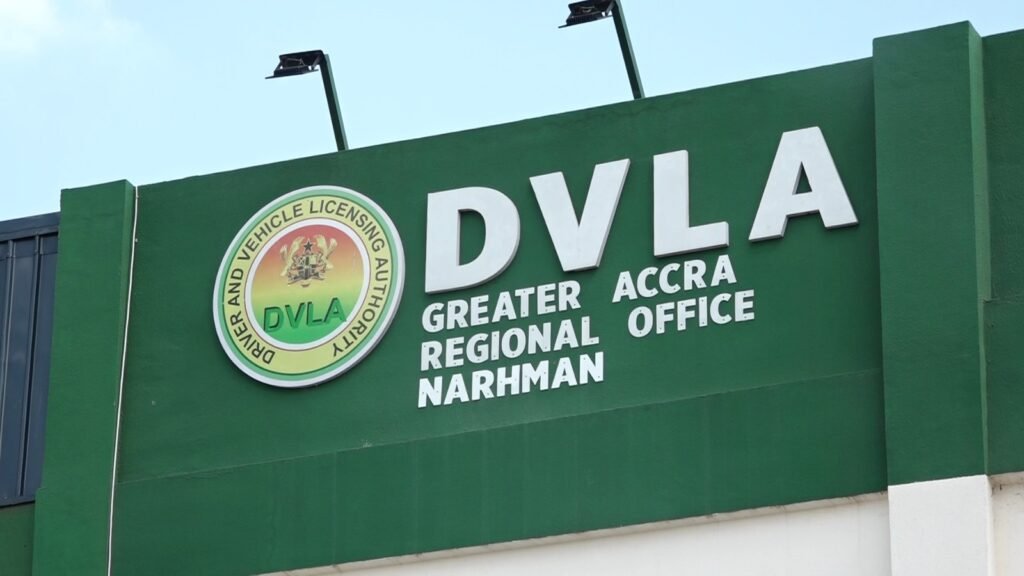
The system is intended to allow the DVLA to digitally verify a vehicle’s history, insurance status and GSA homologation before registration or roadworthy certificates are issued — closing a gap that has long let undocumented or unsafe vehicles slip through.
On the licensing side, the reforms introduce specialised categories for commercial vehicle drivers and motorcycle riders, requiring more rigorous practical testing and safety training before issuance — part of a broader push to link vehicle quality controls with driver competency standards.
Industry Pushes Back on Timing
The rollout has not gone unchallenged. The Chamber of Autodata Ghana has appealed to the GSA to reconsider the October 1 deadline, warning that the policy could threaten businesses and increase transportation costs.
The appeal followed a stakeholder meeting on July 23, where importers sought clarity on implementation under the Ghana Automotive Development Policy, which was introduced in 2019 to promote local vehicle assembly by restricting certain used imports while imposing higher taxes on some newer used vehicles to encourage purchases of locally assembled brands.
The Vehicle Asset Dealers Union of Ghana has separately objected, calling the GSA’s timeline premature and warning it could trigger severe economic disruptions for local businesses.
The union has appealed to the Ministry of Trade and Industry and the GSA to suspend the October 1 launch in favour of a phased, transparent roll-out, cautioning that without an extended grace period, the plan could disrupt shipments, cause clearance delays at the ports, and drive up the cost of affordable transport for everyday Ghanaians.
GSA Pushes Back on “Ban” Framing
Facing public anxiety over the changes, the GSA has moved to clarify its intent. The Authority has stated that strict enforcement from October 1 does not constitute a ban on used vehicle imports, explaining that enforcement is aimed at ensuring vehicles meet national safety, quality and environmental standards before shipment.
A GSA official said the implementation follows extensive stakeholder consultations and has gained broad industry support despite initial resistance.
What Comes Next
Whether the October 1 enforcement date holds without the kind of political reversal that met the 2020 law will likely depend on how the GSA balances its stated goal of protecting consumers and the environment against the economic reality that most Ghanaians still depend on used imports to own a vehicle at all.
With five weeks remaining before enforcement begins, the standoff between regulators pressing ahead and dealer groups seeking delay leaves importers, freight forwarders and prospective car buyers with limited time to adjust — and an outcome that remains unresolved.
This article was edited with AI and reviewed by human editors



Follow