Story Highlights
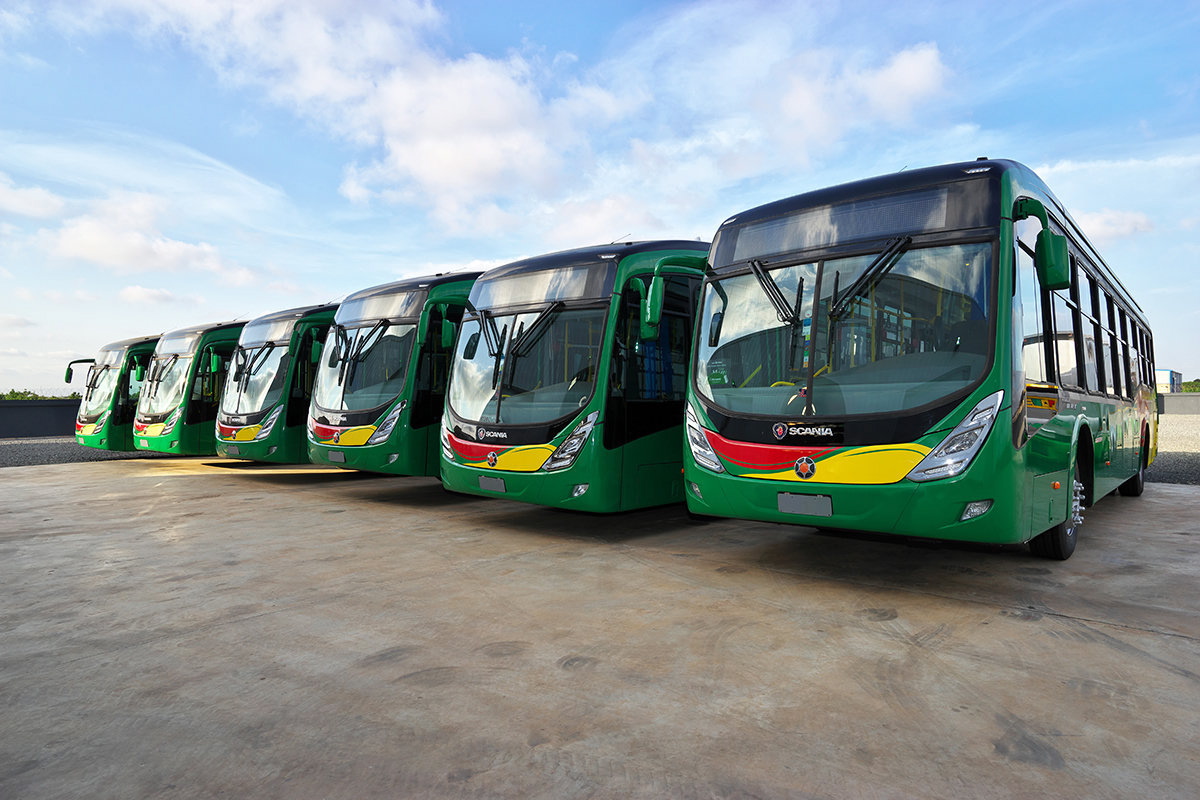
- A contra flow arrangement for Ayalolo Bus Rapid Transit (BRT) buses takes effect on Tuesday, September 29, 2026, on routes into Accra’s Central Business District.
- It covers the Amasaman–Accra, Adenta–Accra and Kasoa–Accra corridors from 6 a.m. to 9 a.m. and from 4 p.m. to 8 p.m.
- The lanes are for authorised Ayalolo buses only. Private cars, taxis, trotros and other commercial vehicles are barred.
- The Police Motor Traffic and Transport Department (MTTD) will enforce the lanes.
- The plan’s long-term success depends on enforcement, bus supply, pedestrian safety and support from commercial transport operators.
Ghana’s government will let public buses travel against the normal flow of traffic on parts of three major Accra roads from Tuesday, September 28th. It is the latest attempt to move commuters in and out of the capital’s crowded business district faster.
The Ministry of Local Government, Chieftaincy and Religious Affairs announced the plan in a press release dated September 27, 2026. It is working with the Ghana Police Service’s Motor Traffic and Transport Department (MTTD), the Greater Accra Passenger Transport Executive (GAPTE) and the Department of Urban Roads.
What Contra Flow Means
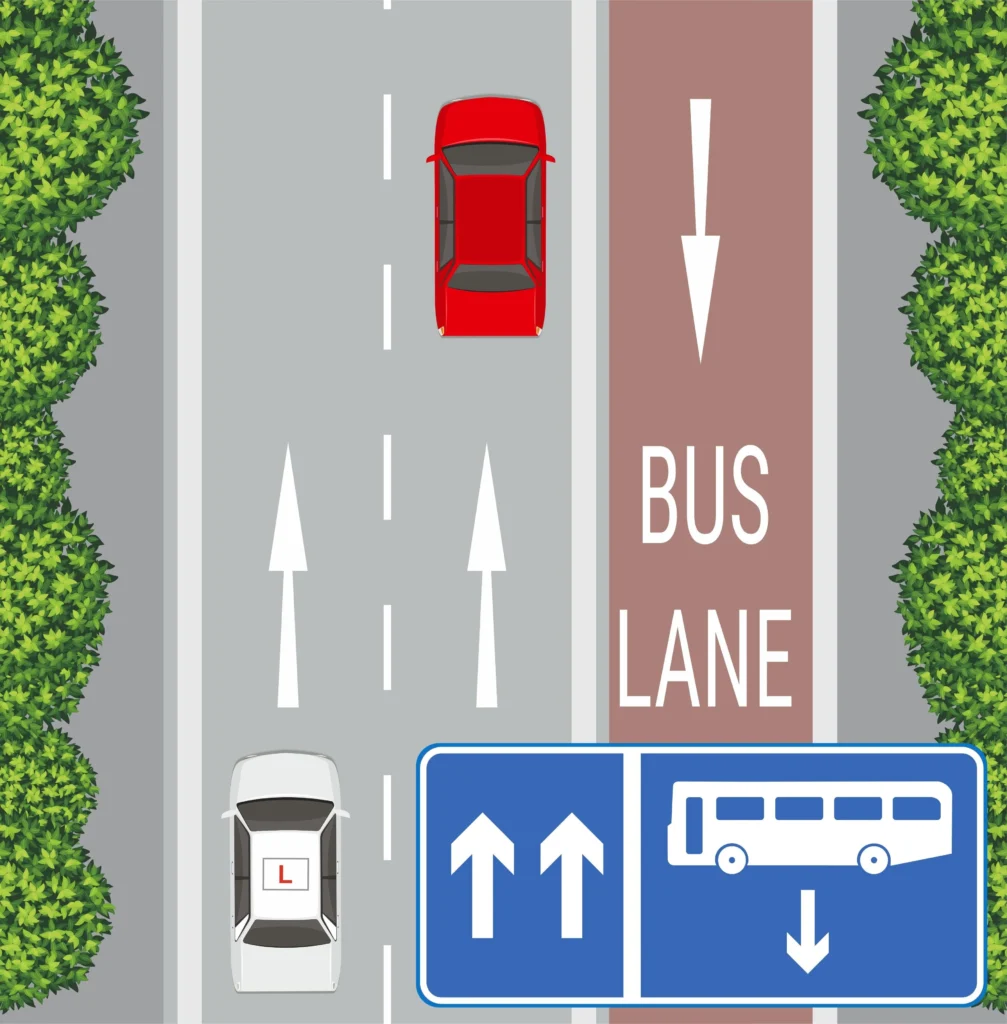
A contraflow lane is a lane borrowed from traffic moving in one direction and handed to vehicles moving in the other.
In the morning, most traffic heads into central Accra, while the outbound side of the road is lighter. Under the new plan, a lane on the lighter outbound side will be set aside for Ayalolo buses travelling inbound.
The buses will then pass the queue of cars and trotros stuck on the congested side. In the evening, the direction reverses to carry commuters home.
The ministry said selected sections of each corridor will be “temporarily configured” during peak hours. Cities that use contraflow normally separate the borrowed lane with cones, barriers or officers, because buses in that lane face oncoming traffic head-on.
Where and When
The arrangement will first cover three corridors:
- Amasaman to Accra
- Adenta to Accra
- Kasoa to Accra
It will run from 6 a.m. to 9 a.m. and from 4 p.m. to 8 p.m. The ministry said the plan applies only to “designated sections” of these corridors, subject to traffic management and road safety approvals. It did not say which sections, or how long each stretch will be. It also did not say how the lanes will be physically separated from general traffic.
The MTTD will deploy officers at “strategic locations and major intersections.”
What the Government Expects
The ministry listed six goals. They are more reliable and punctual BRT services, shorter journey times, less congestion on routes into the Central Business District, more commuters on mass transit, fewer private vehicles on the road, and better movement across Greater Accra.
The release did not include targets, baseline journey times or a plan to measure results.
A Test for a Troubled Service
Ayalolo, earlier branded Aayalolo, launched in 2016 on the Amasaman corridor. It was meant to anchor a wider bus rapid transit network for Accra. Its early years were marked by weak ridership, grounded buses and dedicated lanes that other vehicles regularly used.
The new plan depends on the same basic condition that proved hard to meet before: keeping other vehicles out of the bus lane.
Practical Concerns
A contraflow lane puts buses face to face with oncoming vehicles, separated in many cities only by cones. The risk of a collision rises when a driver drifts across, or overtakes into, what is normally their own lane.
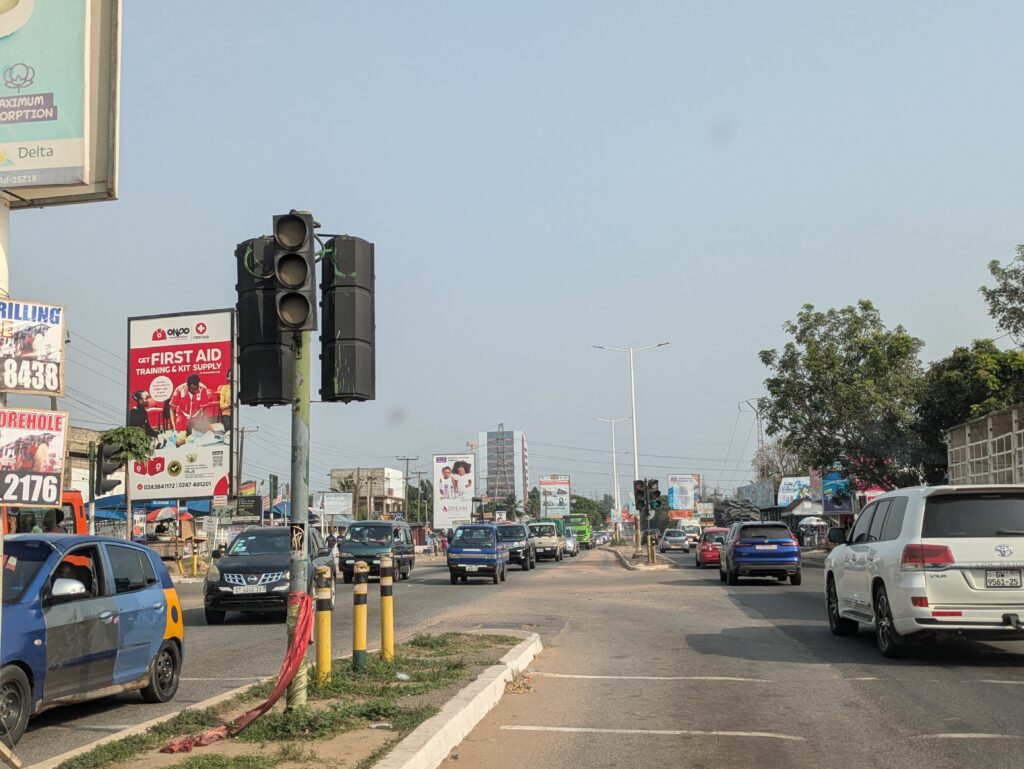
Accra’s outbound traffic will lose a lane during peak hours. Drivers will need clear signs, and the change must be the same every day.
Another concern is that Accra’s corridors carry heavy foot traffic, hawkers, and people crossing at informal points. Pedestrians usually look for traffic from one direction.
A bus approaching from the “wrong” side is a known hazard in contraflow systems. The release appealed to pedestrians for cooperation but did not describe crossing measures.
The new plan relies heavily on MTTD officers. Stationing enough personnel over seven hours a day, on three corridors, every working day, is a large commitment. Past bus lanes in Accra lost their value when enforcement slackened.
Commercial minibuses carry most of Accra’s public transport passengers. They are now barred from the lanes, while a smaller fleet of Ayalolo buses gets priority. Operators may see this as favouring a state-backed service over the one most commuters actually use.
The ministry said it will keep engaging transport operators. It did not say whether unions were consulted before the announcement.
The Long-Term Question
Contraflow is generally treated as a low-cost, quick-to-start measure. It is often a stepping stone toward physically separated bus lanes rather than a permanent solution. The ministry described the arrangement as the first phase, saying it will “initially” cover the three corridors.
Whether it lasts will depend on three things. Buses must be visibly faster than the alternatives. The lanes must stay clear beyond the first weeks of heavy policing. And commuters must shift from cars and trotros in large enough numbers to justify the lost road space.
The government has framed the move as part of wider efforts to improve public transport in Accra. The first days of operation will show how far the plan has been prepared beyond the press release.
This article was edited with AI and reviewed by human editors