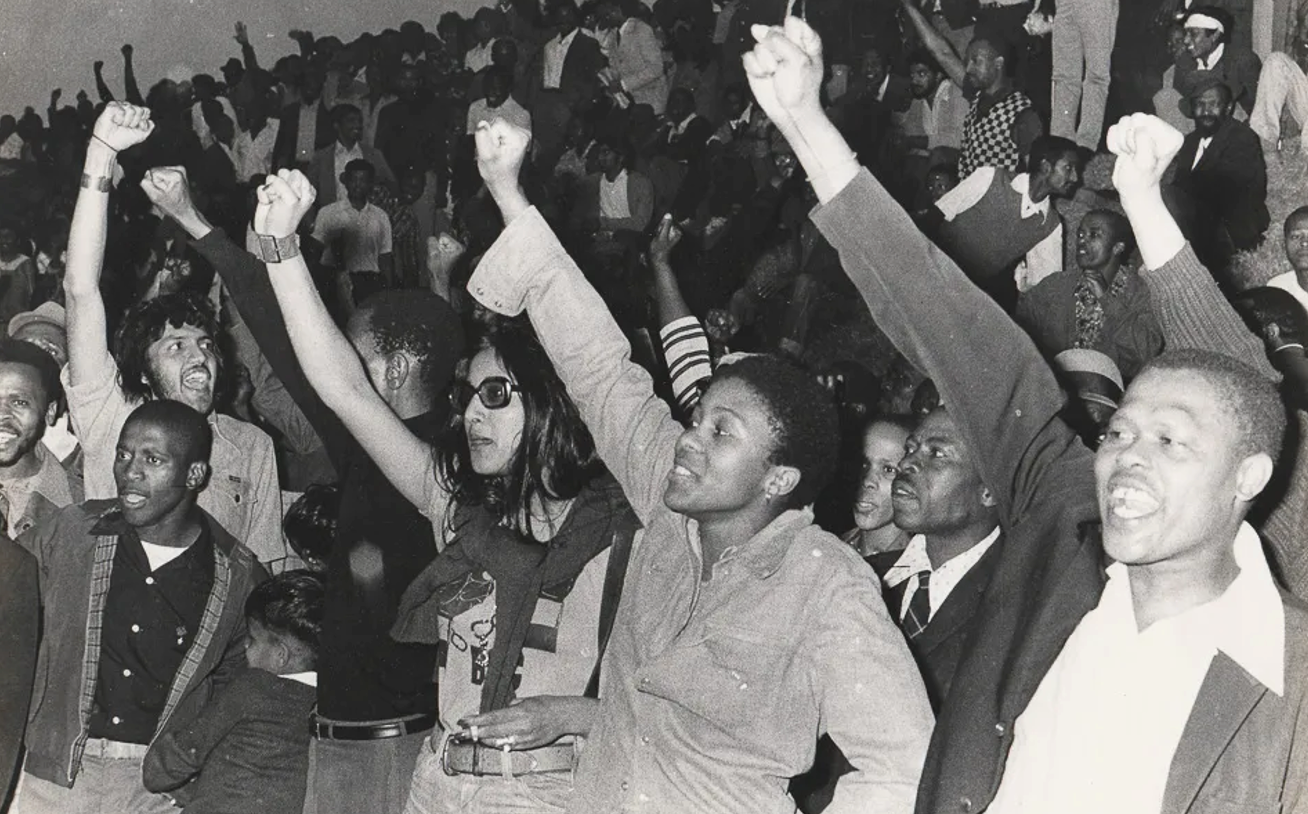
There is a particular kind of exhaustion that comes with caring about democracy in Africa, and it is not apathy. That narrative has never quite captured what is actually happening on the ground.
Young people are engaged, vocal, and showing up in ways that are reshaping civic life across the continent. Perhaps it is easier to label a generation as indifferent than to reckon with what our engagement actually demands of the people comfortable with the status quo.
But that’s not even the exhaustion I am talking about. It is the exhaustion of those who march, vote, write, advocate, build, and then watch the institutions they are trying to hold accountable simply absorb the pressure and carry on unmoved.
That exhaustion is where disillusionment lives, and closing it is, I believe, one of the most important pieces of work we have been handed.
Here is what I find myself saying to people who are paying enough attention: Africa is not becoming a young continent. It already is one.
With more than 60 percent of the population under the age of 25, this continent is home to the youngest population in the world. By 2030 nearly half of the world’s young people will be African.
Which brings us to the following questions: are the systems meant to represent young people actually doing so? And are the structures supposedly designed in their name, reflecting their interests and realities?
The answers, depending on where you look, and in full view of the data, range from a little encouraging to deeply troubling.
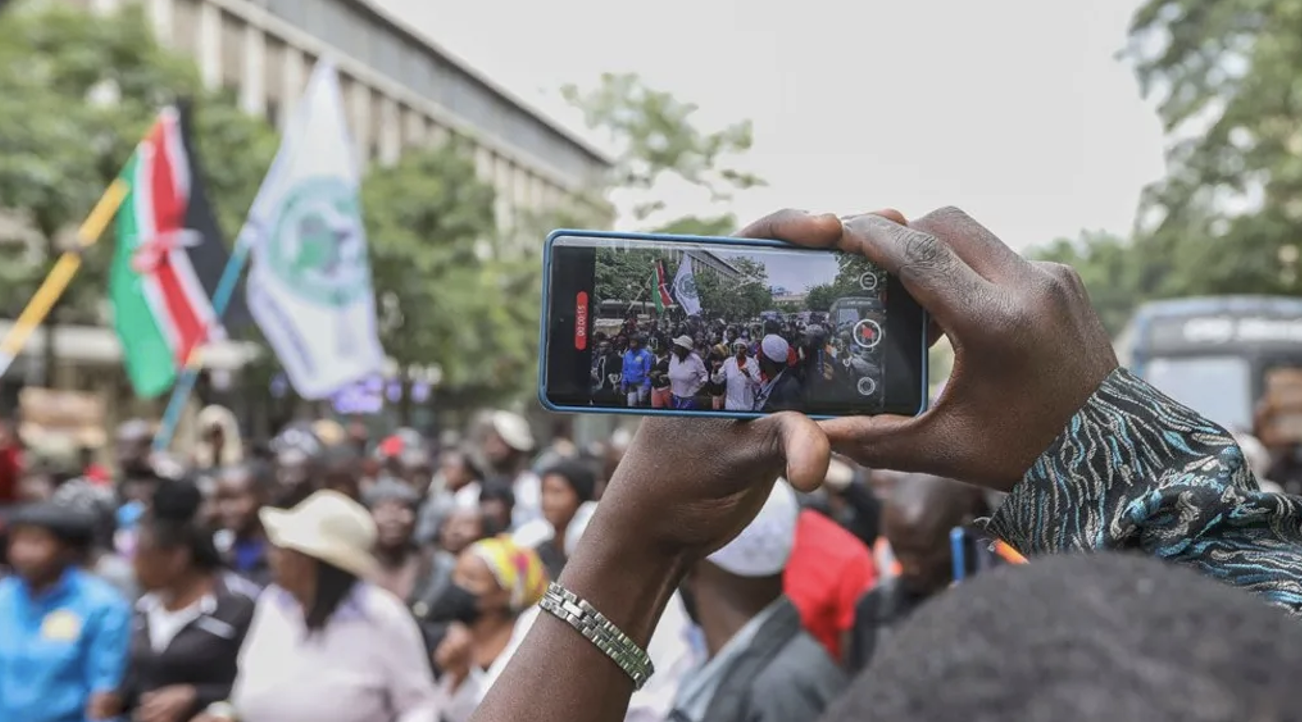
In 2024, Kenya’s Gen Zs and millennials, largely mobilised through X, TikTok, and WhatsApp, took to the streets against a finance bill that would have increased taxes on an already struggling population.
They stormed parliament and championed a policy change. They showed the continent what organised, digitally fluent, unafraid youth could do when pushed far enough.
In Tanzania, in October 2025, a different story played out. We saw youth protests erupt following the election results that questioned its credibility. The government’s response was to shut down the internet and turn security forces on unarmed protesters. Hundreds died.
Now, the same energy that looked like a democratic breakthrough in Nairobi looked like a funeral in Dar es Salaam.
This is the contradiction, ‘the roller-coster of events if you may’, at the heart of youth democracy in Africa. Young people are more connected, more politically aware, and more willing to act than any generation before them, and the systems they are acting within or against know it and are more threatened by that energy than they have ever been willing to admit.
The Problem With Democracy When It Doesn’t Deliver
An Afrobarometer flagship report in 2024 revealed that while a majority of young Africans are committed to democracy, a significant portion of those same young people say they would accept a military takeover if elected leaders abused their power. Read that again.
What this tells you is that the commitment to democracy in Africa is not unconditional, and why should it be? Democracy is not an abstract ideal for most people. Young people are dissatisfied with the way democracy, although most preferred, works in our part of the world.
There’s a reasonable expectation that your government will not steal from you without consequence. So when promises and corruption go repeatedly unfulfilled and undealt with, trust in the system begins to erode.
That erosion is what authoritarian actors are counting on. It is what makes military coups in Africa legible to populations who know, by experience, that the coup is not the solution, but who are also living with water shortages, unemployment, and corruption that the previous elected government did nothing about.
Let’s take a look at the Sahel. Burkina Faso, Mali, Niger; three countries, three coups, a regional domino effect that has reshuffled alliances, expelled French troops, and signalled the limits of a particular model of external-facing, aid-dependent democratic governance.
Whether the juntas offer anything better is a separate and grim question. The point is that they emerged from genuine popular frustration. You cannot address the symptom while ignoring what caused it.
What makes the difference, over and over, is not the size of the movement at its beginning. It is whether the people from the onset know what they are doing, and whether they can communicate a message that cuts through the noise.
The African Union and the Gap Between Statement and Action
The African Union gathered its heads of state in Addis Ababa in February 2026. CSOs wrote to the AU Summit, noting that despite a period of volatile and contested elections across the continent, the Summit’s formal agenda did not include a substantive discussion on democratic backsliding.
They were essentially pointing out that the continent’s premier political body was declining to have the most important conversation.
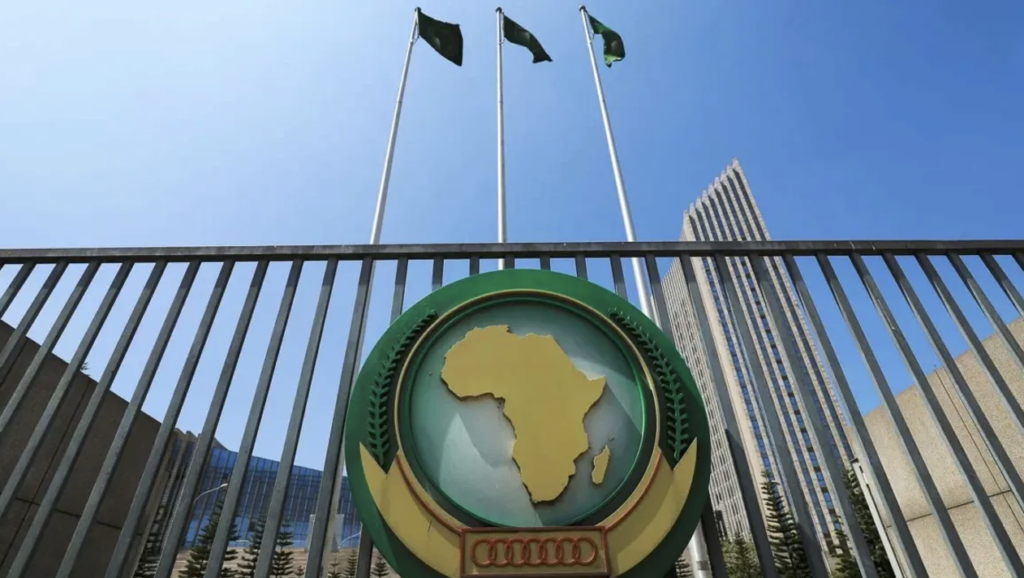
This is not new. The gap between the AU’s commitments and its willingness to impose meaningful consequences on member states that violate them is where the credibility of these commitments is most tested.
When sovereignty is invoked, and non-interference is cited, all you see then are young people who got arrested for holding a sign at a protest, left to deal with the consequences of a continental body that preferred diplomatic comfort to accountability.
This is a call to action for the AU to take its own frameworks seriously, which would be more useful and impactful than anything an outside actor could propose. Because whose democracy is this, anyway? Who is responsible for building it, sustaining it, defending it?
The answer is always the people who have to live inside it.
What Actually Changes Things
The forces against African democracy – authoritarian governments, foreign interference, and institutional inertia are simply too entrenched for a generation of young people to meaningfully shift overnight, but we’re not ones known to give up easily in our quest for the right things to be done.
The Kenyan finance bill protests didn’t happen because conditions were perfect. They happened because enough young people, with enough shared understanding of the issues and enough organisational instinct, decided to move at the same moment, and in the same direction. The conditions were terrible. They moved anyway.
What makes the difference, over and over, is not the size of the movement at its beginning. It is whether the people from the onset know what they are doing, and whether they can communicate a message that cuts through the noise.
Viva Africa Viva
A slogan that I really like: Viva Africa Viva. I heard it for the first time at the Youth Democracy Network Africa and MENA regional meeting in February 2026. Simple, and a little defiant. In its own way, a complete political statement which insists that Africa is alive, that the people fighting for her are alive, and that the fight itself is worth the energy it costs.
That is what youth democracy in Africa looks like right now. Never a single movement with a single face, but millions of young people in parliaments and streets and community meetings and training rooms who have decided, against all odds, that they wouldn’t stop, that this thing is worth building. Indeed, it is ours to build. That has always been true.
The views and opinions expressed in this article are those of the author and do not necessarily reflect the views of The Labari Journal. This content represents the author’s perspective and analysis.