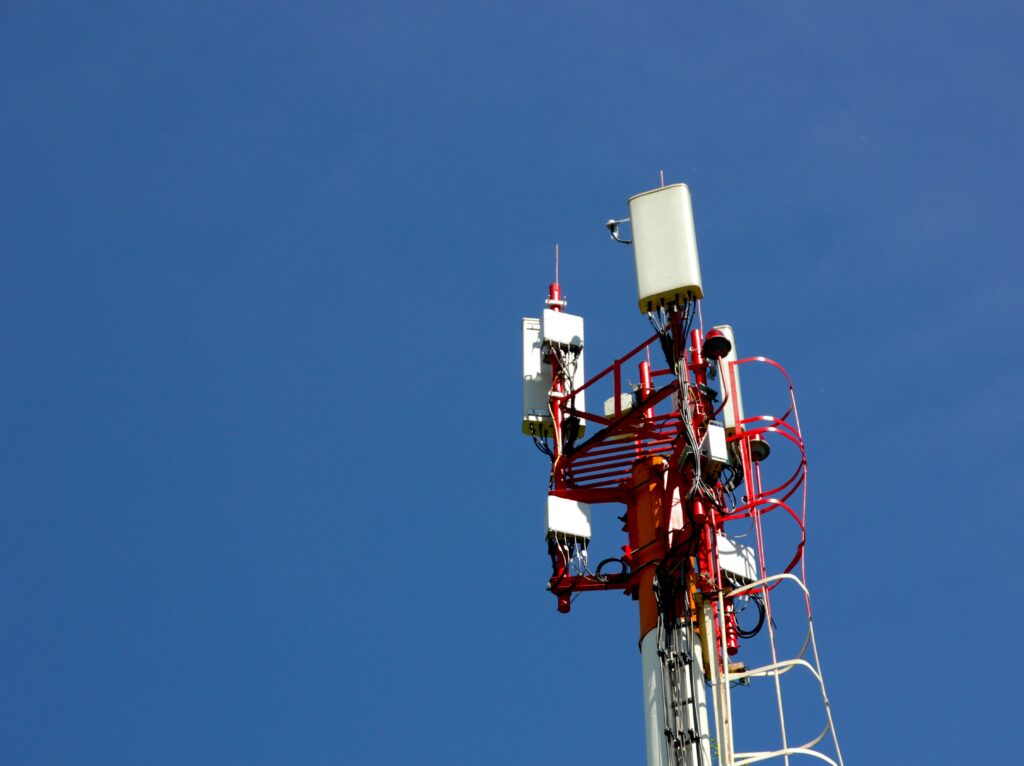
ACCRA, Ghana — The Ghanaian government has ordered a breakneck rollout of fifth-generation (5G) mobile technology, setting a deadline that has seemed highly unachievable.
The mandate, announced Wednesday by Samuel Nartey George, the Minister of Communication, Digital Technology, and Innovations, sets a towering goal: 70% population coverage by March 6, 2027—Ghana’s 70th Independence Day.
“It is a steep aspiration,” Mr. George acknowledged during the 30th-anniversary celebration of the National Communications Authority (NCA). “But I am more than confident in the resilience and abilities of the people who run the NCA.”
To reach this milestone, the Ministry will auction spectrum in the coming weeks, employing a dual strategy that combines a wholesale network model with traditional network-led operations.
The goal, according to the Minister, is to “democratize” high-speed connectivity, moving it beyond the elite enclaves of Accra and Kumasi and into the hands of the broader populace.
The 365-Day Sprint
While the political optics of “70% by the 70th” are optimistic, the technical and economic reality is daunting.
To transition from a nascent 5G landscape to 70% coverage in roughly 12 months is a timeline rarely seen in global telecommunications.
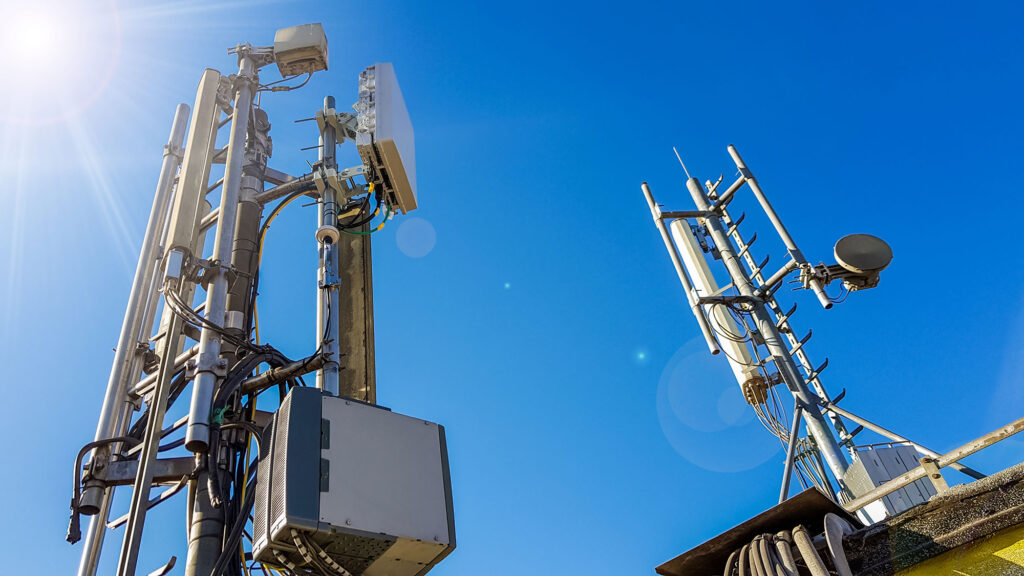
For context, even in highly developed markets, achieving such density typically requires years of infrastructure densification.
Ghana’s path faces several hurdles, including infrastructure gaps, a device divide, and capital intensity.
5G requires a significantly higher density of base stations than 4G due to its shorter wavelength. Deploying thousands of new sites—or upgrading existing ones with fiber-optic backhaul—requires massive capital expenditure and physical labor that usually spans years, not months.
Secondly, there’s the issue of access to 5G-enabled smart devices.
While the network may reach 70 percent of the population, the cost of these devices remains prohibitively high for many Ghanaians. Without affordable hardware, the “democratization” of the network could remain a theoretical achievement.
Currently, the country’s 4G penetration is estimated to be around 87%. But it took nearly five years before it reached 70%.
Although the Minister announced a spectrum auction for the telecom companies to bid, an immediate national rollout put immense financial pressure on them.
A Wholesale Model Which Failed To Take Off
The government’s decision to use a wholesale model alongside network-led operations was a calculated attempt to bypass traditional rollout delays.
By allowing a central entity to provide the “pipes” that multiple carriers can use, the government hoped to avoid the redundancy of every carrier building its own towers in the same village.
Unfortunately, the wholesale model, which was run by Next-Gen Infra Co (NGIC), has failed to materialise.
In December 2024, telecom companies were supposed to work with NGIC to roll out 5G network services to consumers.
At the time of the publication, none of the major telecos have set up their 5G services.
An Impossible Deadline?
Whether Ghana’s new hybrid model can overcome the sheer physics of hardware installation is up in the air.
If successful, Ghana could leapfrog many of its peers to become a digital leader in Sub-Saharan Africa.
But given the current hurdles, it would be hard for the country to achieve its high goal of 70% 5G coverage.
MTN, currently the biggest telco by market share, had already invested in 5G infrastructure before “halting” its pilot in 2022 for unknown reasons.
If the NCA auctions 5G spectrum, MTN would be in the best position to purchase and deliver 5G service to its customers. Whether that helps to cover the 70% target remains to be seen.