


Story Highlights
- The government has begun a formal review to repeal the Rent Act, 1963 and the Rent Control Law, 1986, replacing both with a single modern statute
- Works and Housing Minister Gilbert Kenneth Adjei disclosed the reform plan to Parliament on June 26, saying a draft bill is at an advanced stage and will soon go to Cabinet
- The existing laws cap advance rent at six months, yet the average Ghanaian tenant pays nearly two years upfront — a practice that has persisted largely unchecked for decades
- Ghana’s housing deficit stands at approximately 1.8 million units, a structural gap that experts say empowers landlords and undermines any enforcement regime
ACCRA — Ghana’s government has announced plans to replace two of its most enduring pieces of housing legislation with a single, modernised statute, signalling what officials say will be the most significant overhaul of the country’s rent regulatory framework in four decades.
Minister for Works, Housing and Water Resources Gilbert Kenneth Adjei told Parliament on Friday, June 26, that the government has initiated a comprehensive review aimed at repealing the Rent Act, 1963 (Act 220) and the Rent Control Law, 1986 (PNDCL 138), and consolidating them into a new Rent Act.
The draft bill, he said, is at an advanced stage and is expected to be submitted to Cabinet shortly.
“The new legal framework is designed to address the persistent constraints within the current regime, harmonise all related laws governing rental housing, and introduce appropriate incentives to stimulate private sector investment in the rental housing market,” Mr. Adjei said.
He added that the proposed legislation would specifically strengthen protections for low-income and vulnerable tenants while guarding against arbitrary rent increases and unfair evictions, alongside a framework that also recognises the rights of property owners.
Laws Written for a Different Ghana
The two statutes the government now proposes to retire were enacted in vastly different economic and political contexts. The Rent Act of 1963 was introduced to govern tenancy agreements between tenants and landlords, establishing the Rent Control Department, specifying the rights and obligations of both parties, and prohibiting demands for premiums or excessively high rent in advance.
Under the Provisional National Defence Council, the Rent Control Law of 1986 was created, establishing Rent and Housing Committees tasked with determining recoverable rents and resolving conflicts.
Since the 1986 law, no major legislation has been passed, which has led to increasing calls for change as several provisions have become outdated.
The 1963 Act specifically prohibits landlords from demanding more than six months’ advance rent as a tenancy condition, with violations carrying criminal penalties.
Yet market research reveals the average Ghanaian tenant pays nearly two years upfront — almost four times the legal maximum.
That gap between law and practice tells the story of six decades of enforcement failure.
The Advance Rent Problem
For many Ghanaians, particularly young workers and new urban arrivals, the advance-rent system has become one of the most acute economic pressures they face.
While the law stipulates that landlords should not demand more than six months’ rent in advance, enforcement is virtually nonexistent. It is common for landlords to demand two to three years’ rent in advance, in clear violation of the existing Act, and many tenants are forced to comply with these arbitrary demands due to the power imbalances between landlords and tenants.
Landlords routinely ask for a year, two years, and in some cases several more before granting occupancy. For many young Ghanaians just starting their careers, this demand is catastrophic.
With monthly rents, even for modest rooms, often running into hundreds or thousands of Ghana cedis, a two-year advance can amount to tens of thousands of cedis — forcing many to take high-interest loans, drain savings, postpone other life goals, or give up on decent housing altogether.
The problem is also not exclusive to lower-income earners. Research findings show that the difficulties associated with advance rent payments in Ghana do not solely afflict the poor, informal sector workers, or inhabitants of informal housing.
Highly educated and seemingly well-off formal sector employees also grapple with these challenges, raising critical questions about whether Ghana’s escalating housing deficit is driving landlords to seize rent gaps without contributing to housing stock improvement.
A Structural Problem Behind the Legal One
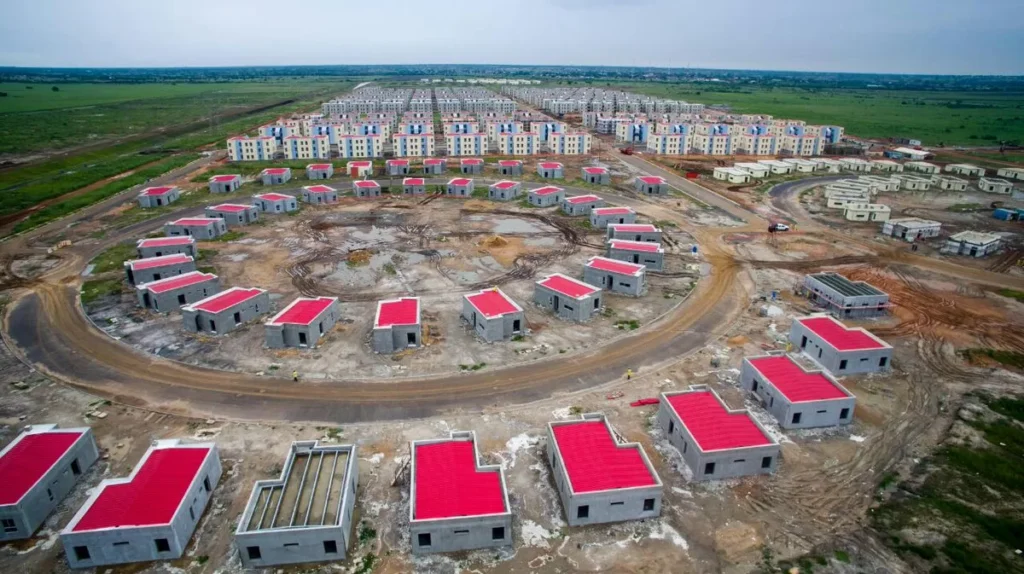
Any new legislation will have to contend with a deeper structural reality: Ghana’s housing deficit of 1.8 million units creates a fundamental market imbalance that empowers landlords while constraining tenant mobility.
Annual housing production of around 40,000 units falls drastically short of the 200,000 needed, forcing acceptance of illegal rental terms.
Key criticisms of the existing regulatory framework include weak enforcement allowing illegal advance rent demands, the potential discouragement of private investment in rental properties, the prevalence of informal agreements that avoid regulation altogether, and the failure to address underlying housing supply shortages.
Landlords, for their part, have long pointed to inflation, high construction costs, and the difficulty of legal eviction proceedings as justification for large advance collections. Without functioning mortgage markets or accessible housing finance, advance payments have effectively become a mechanism for capital recovery.
Parliament has itself been a venue for this debate. Lawmakers have noted that the absence of a clear rent control system has allowed landlords to charge arbitrary rates, revise rents without justification, and unfairly evict tenants.
They have further called for the Rent Control Department to be restructured into a better-resourced Ghana Rent Authority, alongside the establishment of a National Rent Assistance Scheme to support low-income earners with rent advance loans.
Previous Reform Attempts
The current announcement is not Ghana’s first attempt at legislative reform in this area. A Rent Bill was laid before Parliament in March 2023, but stalled. In 2020, the government passed an amendment to the Rent Act limiting advance rent deposits to six months.
However, there was no effective enforcement due to the under-resourcing of Ghana’s Rent Control Department, and many tenants continued paying up to two years in advance.
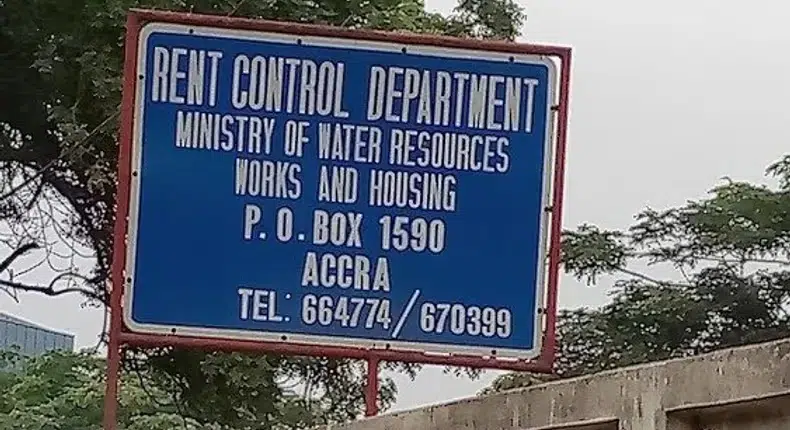
The Ghana Rent Control Department underwent a significant transformation in September 2024 with the launch of a digital platform across 15 offices in 11 regions, enabling online property registration, complaint filing, and dispute resolution.
However, the department continues operating with severe resource constraints, including just two vehicles nationwide for inspection and enforcement duties.
What the New Law Promises
Minister Adjei framed the proposed legislation around three broad objectives: consolidating and harmonising Ghana’s fragmented rent laws, strengthening protections for vulnerable tenants against arbitrary increases and unfair practices, and creating incentives to draw more private investment into the rental housing market.
Whether the bill will address the enforcement gap — historically the weak link in Ghana’s rent governance — remains to be seen.
Tenant advocacy groups have previously described the Rent Control Department as a “toothless bulldog,” and the rent crisis has lasted through many administrations, with housing reform appearing repeatedly in political speeches, while little has fundamentally changed in the lived reality of Ghana’s rental market.
This article was edited with AI and reviewed by human editors



Follow