


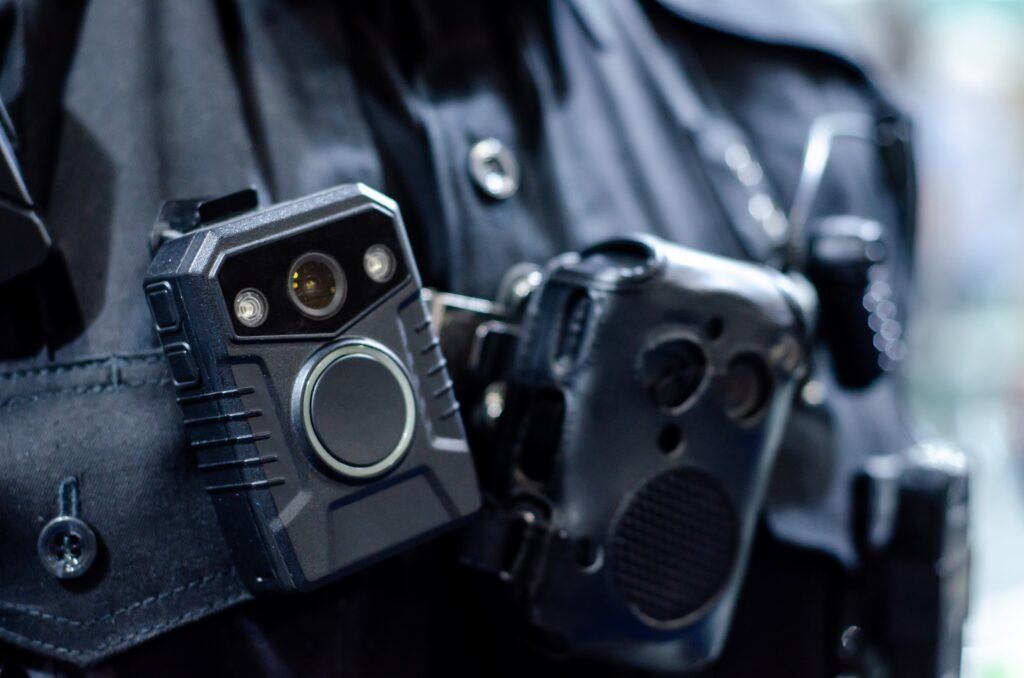
STORY HIGHLIGHTS
- Ghana Police first announced body camera deployment in March 2019, prompted by two high-profile misconduct incidents
- Only 250 cameras were initially delivered; a 2025 transition document revealed just 800 in use across the entire service, which has over 40,000 personnel
- Interior Minister Muntaka Mubarak pledged in January 2025 to procure an additional 30,800 cameras and make their use mandatory
- The body camera programme sits within a broader, unresolved crisis of police accountability in Ghana
The Ghana Police Service’s body camera story begins not with a reform agenda, but with a scandal.
In March 2019, two incidents triggered a public backlash against the police. In the first, officers allegedly assaulted three journalists from the Ghanaian Times and seized a reporter’s phone, which had been used to record a traffic offence the officer was involved in.
In a separate incident, a viral video showed a driver and his mate assaulting a police officer — but because the footage only captured the assault and not what preceded it, the public was left with no full account of what transpired.
The incidents brought out calls for better accountability from the Ghana Police.
To address these issues, the Ghana Police stated that it would be employing the use of technology.
In 2019, the Police announced that it would procure body cameras, which would form part of a broader transformation agenda to enhance public confidence in the service.
They stated that officers who returned from the field without footage from their body cameras would face consequences.
By July 2019, the Service announced that it had taken delivery of 250 body cameras. In 2025, Ghana’s Minister of Interior confirmed that 800 cameras have so far been deployed.
Fast forward to 2026, and there are still questions about the deployment of these body cameras, how many are actively deployed, and how top officials make sure officers activate their cameras and keep them accountable when they’re on active duty.
The Labari Journal sent a request for information via email to the Ghana Police for this story. We did not get a response at the time of publication.
Renewed Intent, Unverified Results
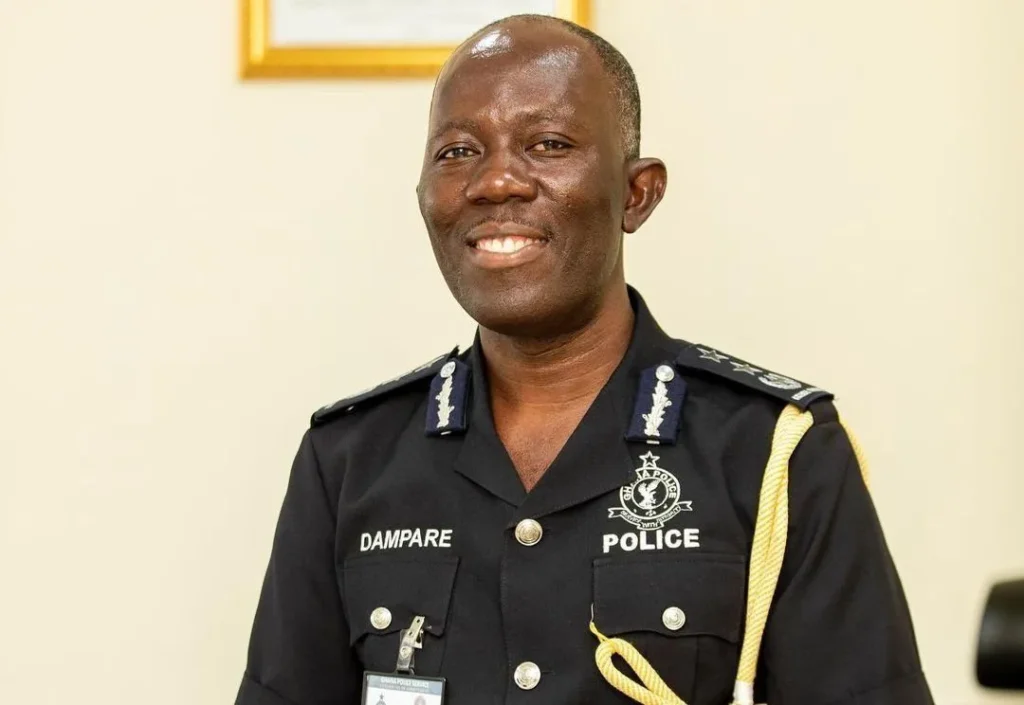
Under former Inspector General of Police George Akuffo Dampare, who led the service from 2021 until his replacement in early 2025, there were efforts to revisit the body camera programme.
However, no official data on the scale of that rollout, footage review processes, or disciplinary outcomes linked to body camera evidence has ever been made public.
Research conducted within the Ghana Police Service’s Ashanti Regional Command offers a partial window.
Studies found that body-worn cameras had a notable impact on resolving complaints against law enforcement officers, providing clear evidence that helped address grievances and build public trust.
However, the same research identified several challenges, including privacy concerns, technology misuse, infrastructure gaps, and difficulties in footage interpretation.
It is noted that the study acknowledged selective activation as a major challenge, meaning even where cameras exist, they may not have been recording consistently.
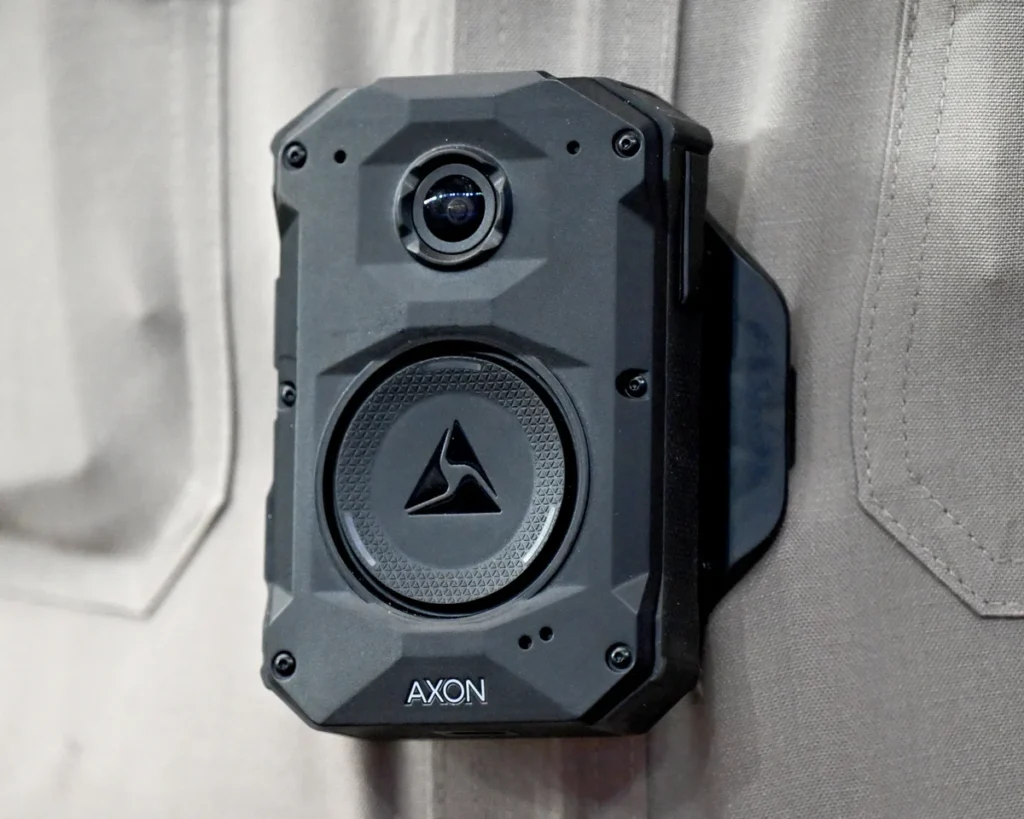
As far as body camera models, the Ghana Police have not explicitly stated what brand they deployed to officers. In all likelihood, we assume it was the popular brand Axon, which sells a standard unit between $399 and $699.
Other lower-priced brands sell for around $300.
Per our calculations, Ghana would have most likely spent between $240,000 and $320,000 on body cameras for 800 officers in the field.
Back to Square One
When the Mahama administration took office in January 2025, the body camera question landed once again at a parliamentary vetting session.
Interior Minister-designate Muntaka Mohammed-Mubarak confirmed that only 800 body cameras were in active use across the entire Ghana Police Service, with an additional 30,800 undergoing the procurement process.
For a service with a reported strength of approximately 40,000 officers, 800 cameras represent a deployment rate of roughly two percent.
Mr. Muntaka acknowledged the widespread public outcry over police misconduct, which he said had significantly eroded confidence in Ghana’s law enforcement agencies.
He proposed a policy requiring all police officers to wear and activate body cameras while on duty, arguing the devices would provide unbiased, transparent records of police interactions with the public and eliminate ambiguities in misconduct cases.
“We must ensure strict adherence to the use of body cameras to foil harassment and abuse of civilians by security personnel on our roads to take away all the ambiguity and the troubles“, Minister Muntaka said at his vetting session.
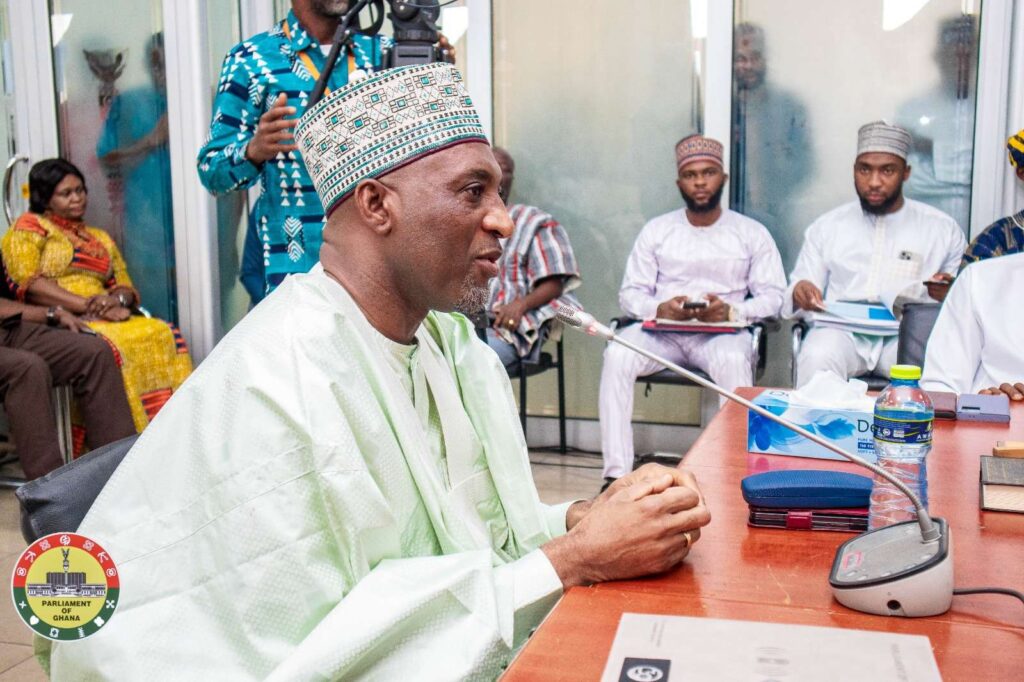
Beyond the camera announcement, Minister Muntaka also outlined plans to push for the establishment of an Independent Police Standards Bureau — a body that would handle complaints against the police and other security agencies, ensuring investigations are impartial.
The bureau, like the cameras themselves, remains an aspiration rather than a functioning institution.
A body-worn camera policy has yet to be documented or adopted.
The Accountability Gap
The pattern is consistent: cameras are announced, small deliveries are made, commitments are renewed with each political transition — and the streets see little change.
As recently as July 2025, following disturbances during the Ablekuma North parliamentary rerun, civil society voices were again calling for the police to consistently wear body cameras, with Martin Kpebu, a prominent lawyer, stressing they provide a reliable backup when media coverage is limited.
That advocates are still making the same foundational argument — that police should wear cameras — more than six years after the first delivery speaks to the depth of the implementation failure.
There are also the questions of police who do wear body cameras, but footage is unavailable: how will the public distinguish a genuine technical failure from a deliberate act of concealment?
And can videos be released to the media without the consent of all parties involved?
More Cameras, Fewer Answers
President Mahama’s broader security modernisation agenda adds another layer of complexity.
In December 2025, the President announced plans to deploy 60,000 additional surveillance cameras nationwide as part of a wider initiative to modernise Ghana’s national security and intelligence infrastructure, including new communication sites and an advanced data and cyber defence centre.
The announcement focused on fixed infrastructure and the National Signals Bureau, with little clarity on how officer-worn accountability tools fit into that vision.
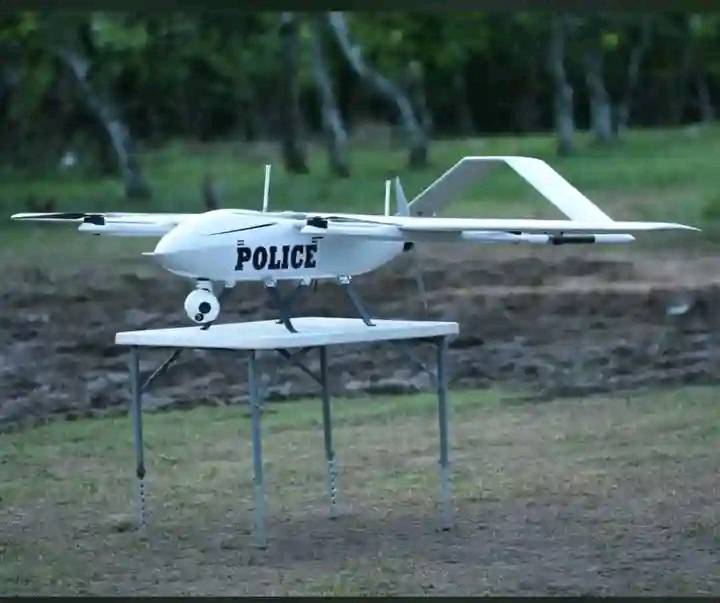
Meanwhile, the Ghana Police Service has selectively deployed body cameras and drones for specific high-profile events, such as by-elections — suggesting the technology is available and operational, but rationed for moments of political sensitivity rather than embedded in everyday policing.
The 30,800 cameras promised in January 2025 have not been publicly confirmed as delivered. The Interior Ministry has not issued a deployment timeline, a usage policy, or a framework for footage review.
For Ghanaians who encounter the police on the road, at a checkpoint, or in a moment of dispute, the camera on an officer’s chest remains, for now, largely a political promise rather than an accountability tool.
This article was edited with AI and reviewed by human editors



Follow