STORY HIGHLIGHTS
- Tullow Oil’s annual profit crashed from $55 million to just $7 million in 2025, an 87% decline
- The Government of Ghana owed the company $225 million at year-end 2025 — unpaid gas fees, cash calls, and field development debt
- Tullow launched a sweeping capital overhaul in February 2026, including a debt refinancing deal and the purchase of an offshore vessel for $205 million
- Parliament extended Tullow’s key Jubilee and TEN field licences to 2040, but questions remain about Accra’s payment discipline
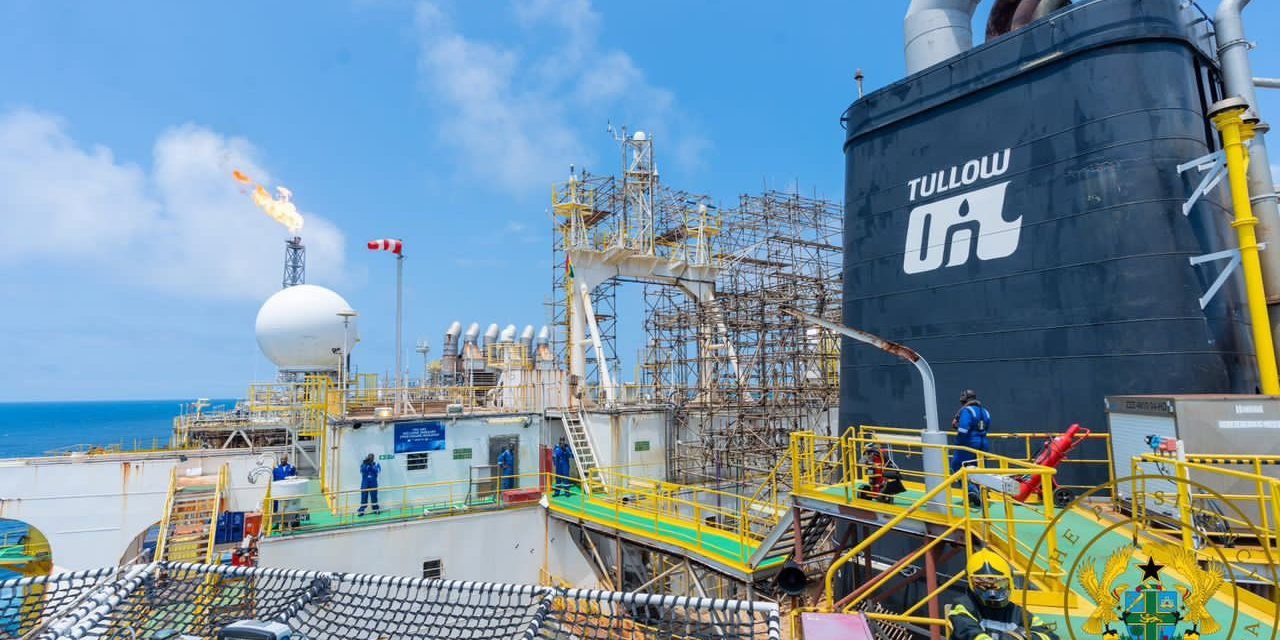
ACCRA/LONDON — Tullow Oil generated $847 million in revenue last year, ran its offshore Ghana platforms at 97% uptime, and kept two of West Africa’s most productive oilfields humming.
And yet the London-listed explorer ended 2025 with a profit of just $7 million — an 87% collapse from the $55 million it posted the previous year.
The Government of Ghana owed Tullow $225 million as of December 31, 2025, and paid almost none of it on time.
Delays in cash call receipts cost the company approximately $40 million during the year, while gas payments that should have been received but were not subtracted a further $100 million.
The result: free cash flow of just $100 million — roughly half what the company had guided the market to expect.
The Anatomy of a $225 Million Debt
The unpaid balance is not a single overdue invoice. The $225 million receivable breaks down into three components: $65 million in outstanding cash calls, $110 million in unpaid gas payments, and $50 million related to the Tweneboa, Enyenra, and Ntomme (TEN) field development debt.
This is not a new problem. Tullow had previously reported that the Government of Ghana owed $40 million in overdue gas payments as far back as 2011 — pointing to a structural pattern in Accra’s relationship with its upstream partners rather than an isolated fiscal emergency.
The pattern has compounded over time. Total receivables due from the Government of Ghana, including TEN development debt and overdue cash calls, stood at over $200 million at the end of October 2025 alone.
Tullow had been warning creditors and the market for months that the situation was untenable.
Production Decline Adds Pressure
Tullow’s financial pain is also structural. Production averaged 40.4 thousand barrels of oil equivalent per day in 2025, down from 51.5 kboepd the prior year. The natural decline of ageing wells has steadily eroded the volumes on which the company’s revenue model depends.
In response, Tullow has embarked on a drilling push.
Across 2025 and 2026, the company plans to bring seven wells onstream — six producers and one water injector — with the first and second wells coming online in July 2025 and January 2026 respectively.
The company now expects full-year 2026 production to land at the higher end of its 34,000 to 42,000 barrels-per-day guidance range.
A Sweeping Capital Overhaul
By February 2026, the financial pressure had become acute. Tullow signed a refinancing deal with Glencore and the owners of about two-thirds of its $1.3 billion in senior secured notes, extending debt maturities by more than two years to November 2028.
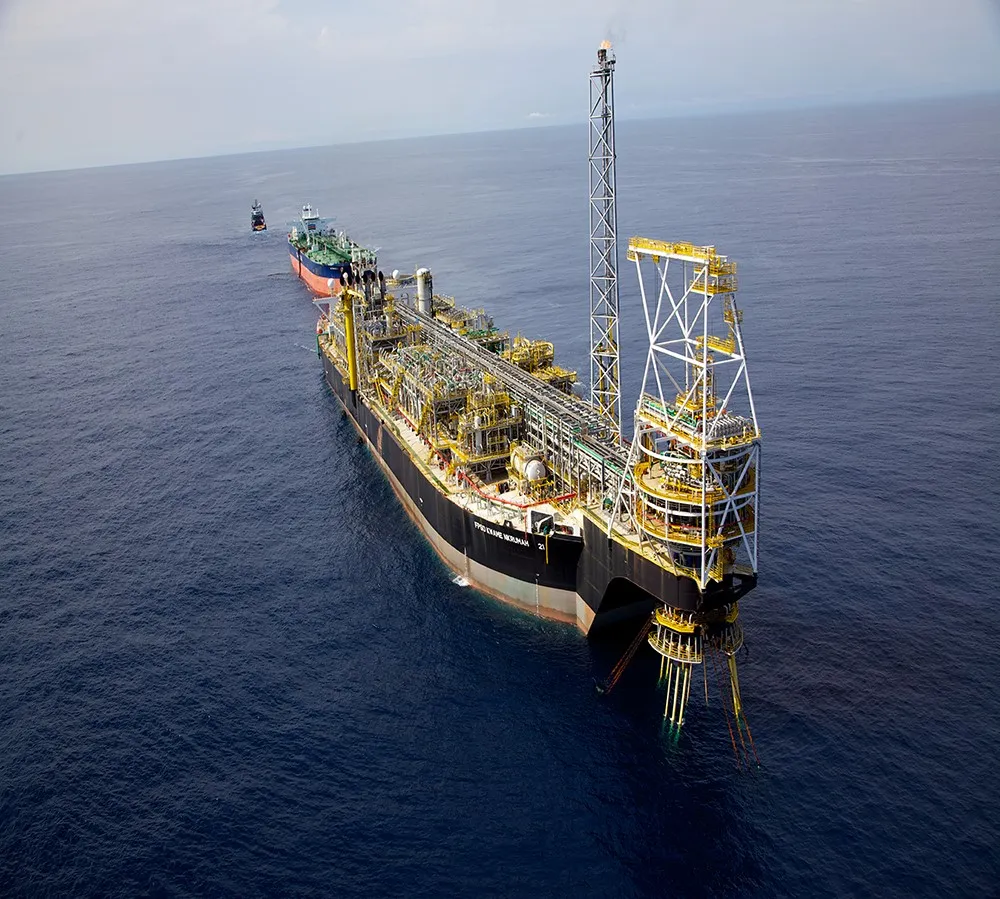
The company also separately agreed to purchase the floating production, storage, and offloading vessel serving Ghana’s TEN oilfields for $205 million — a deal its CEO said would cut fixed costs and improve long-term cash flow.
Tullow also struck a deal with the Ghana government for the extension of its West Cape Three Points and Deep Water Tano Petroleum Agreements. Ghana’s Parliament subsequently ratified extensions of both agreements to December 31, 2040 — providing legal certainty for the next phase of investment.
Crucially, the overhaul included a new payment security mechanism. A gas payment security mechanism was agreed with the government alongside heads of terms for the potential supply of gas from TEN — directly addressing the delayed payments that have affected upstream cash flows for years.
Ghana’s Stakes in This Crisis
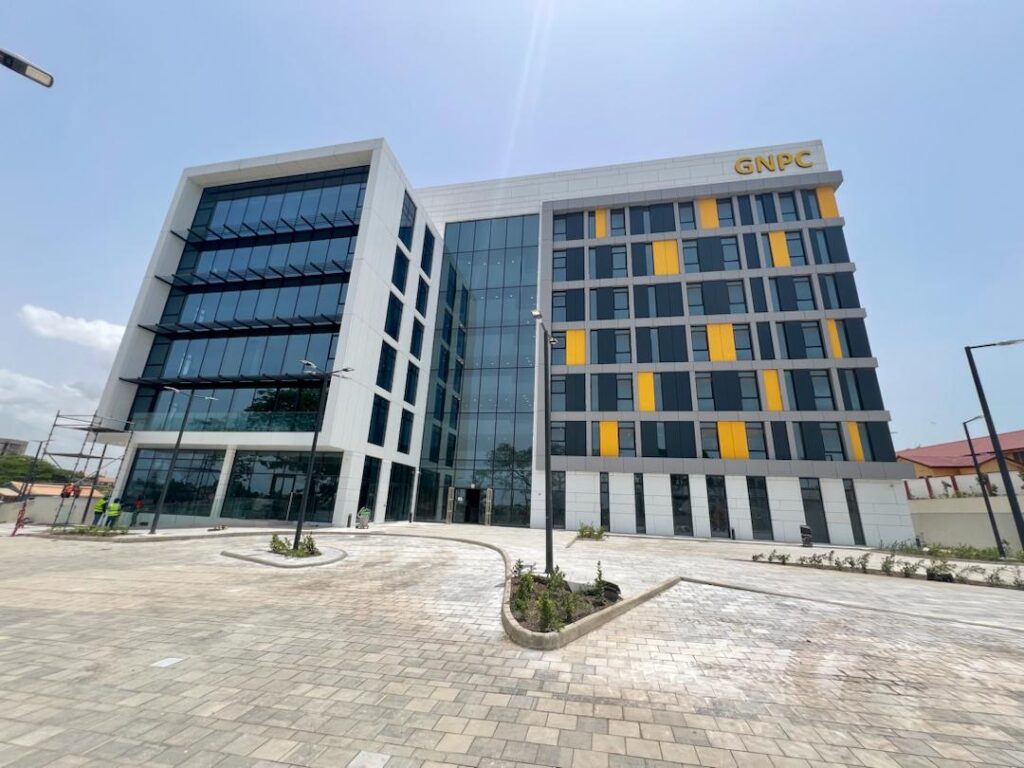
For all the corporate balance-sheet drama, the consequences are deeply Ghanaian. The Jubilee and TEN fields account for a material share of the country’s hydrocarbon revenues, and any financial collapse at their operator would have cascading consequences for government receipts, the Ghana National Petroleum Corporation (GNPC), and the hundreds of Ghanaian workers and contractors whose livelihoods are tied to offshore production.
Under Tullow’s base business plan, the company’s Ghana asset portfolio carries a net present value of $1.4 billion at $65 per barrel — figures that quantify, for the Ghanaian public and policymakers, precisely what is at stake in ensuring the partnership between the state and its upstream operator remains solvent.
Looking ahead, Tullow’s 2026 pre-financing cash flow outlook of $150–180 million still includes delayed payments from Ghana’s government totalling around $80 million — meaning the company is still projecting that Accra will settle part of its debts on time.
Whether that assumption holds will go a long way to determining whether Tullow’s fragile recovery actually materialises.
A Restructuring With No Room for Error
The capital overhaul of February 2026 bought Tullow time. The refinancing introduces enhanced creditor oversight, reduces near-term refinancing pressure, lowers overall cash interest costs, and avoids equity dilution — while advancing discussions with the Government of Ghana to resolve outstanding tax assessments on a mutually acceptable basis.
But the architecture of recovery is tightly constructed. Every delayed payment from Accra, every production shortfall, every slip in oil prices narrows the margin.
For a company carrying over $1.3 billion in debt and dependent on a single government’s willingness to pay its bills, the overhaul is not a resolution — it is a high-stakes wager that Ghana will finally honour its obligations.
This article was edited with AI and reviewed by human editors
Subscribe to our newsletter
Author