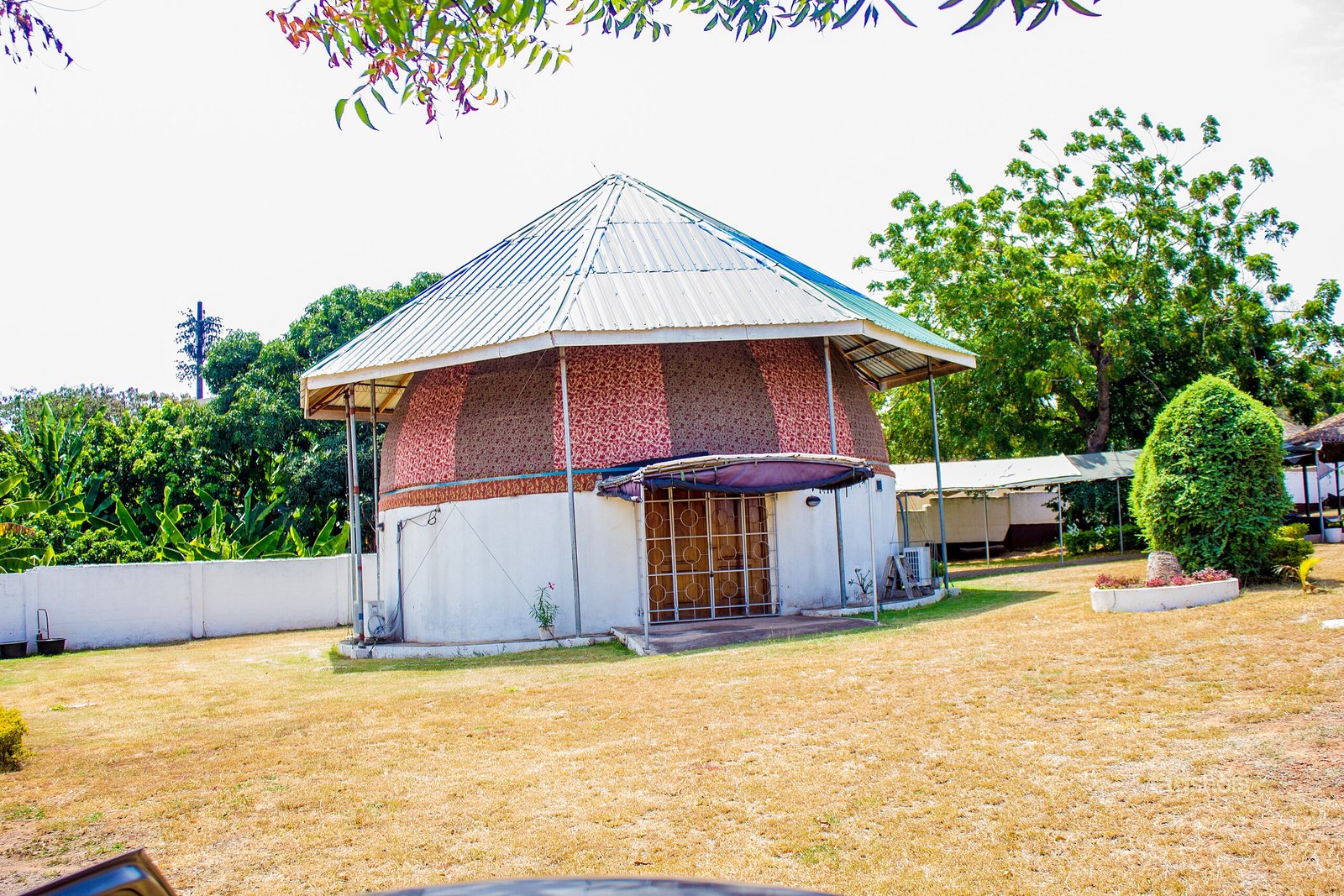
ACCRA, Ghana — In 2017, Ghana’s first and only planetarium in West Africa sent out an SOS.
The science building, located in the Cantonments area of Accra, was running out of funds to continue its operations. The owners needed an injection of fresh funds, or they would have to close shop.
Luckily, help came in from an anonymous donor and other organisations to keep the space running for the next couple of years.
But it only managed to stop the “bleeding” for the short term.
For over a decade, the planetarium offered a window to the cosmos for tens of thousands of Ghanaian schoolchildren and visitors.
The project was born, not of government mandate, but the retirement savings and passion of one couple, Dr. Jacob Ashong and his wife, Jane.
Despite continued appeals for long-term support, the couple could not continue to cover the expenses of the Planetarium. In the end, they had to close its doors and relocate.
The land occupied by the planetarium, a precious commodity in Ghana’s rapidly developing capital, was reclaimed by its owners for commercial development.
The journey of Ghana’s first planetarium abrupty came to an end in 2022, leaving a vacuum in the country’s education of the cosmos.
Shooting for the Stars
The Ghana Planetarium was founded by Dr. Jacob Ashong and his wife, Jane Ashong. Using their personal savings, they constructed the planetarium in 2008, and it officially opened on January 22, 2009.
Local scientists and educators, led by Dr. Ashong, collaborated with international partners, including the International Planetarium Society (IPS) and Audio Visual Imagineering Inc. (AVI) in Orlando, Florida, to realize the project as Ghana’s national node for the International Year of Astronomy (IYA2009).
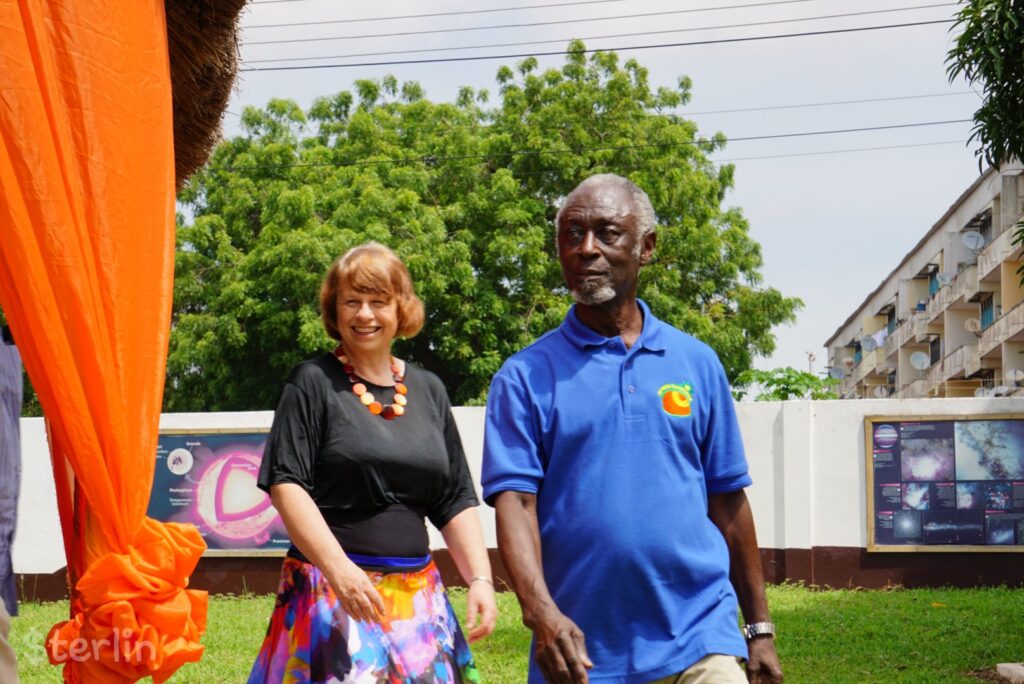
The official opening ceremony was presided over by then British High Commissioner Dr. Nicholas Westcott, with attendees including the French Ambassador, the Chief of Nungua, and IPS representative Dave Weinrich.
The Planetarium was the first of its kind in Ghana and was the first one built in the West African region.
Its 50-seat dome and state-of-the-art projector system were reported to have welcomed an estimated 25,000 visitors annually, mostly students from across the country. The 30-foot diameter dome hosted planetarium shows, educational workshops for students, and telescope viewing.
Maintaining The Building
In order to pay staff and maintain the equipment, the planetarium charged a fee of 50 GHC per adult.
Based in the UK, the couple oversaw the planetarium remotely for the most part and continued to dip into their personal savings to keep it operational.
“Every year, we have to put about $10,000 (USD) of our money [in],” Dr. Ashong said in an interview.
But the costs began to drain their accounts, and they considered alternatives.
“We’ve reached the stage where we want to stop,” he said.
By estimates, the couple would have spent close to $80,000 from the planetarium’s opening in 2009 to 2017, when the couple appealed for funds.
Appeal for Funds
The planetarium received an anonymous contribution in 2017 that covered three years of rent, in addition to help from organisations like Academic City, Vista Ghana, and NIIT Ghana.
They continued to raise funds to pay for rent space and salaries of their staff, as well as new equipment for the planetarium.
Most of the money went towards fixing the roof of the summer hut, which housed some of the planetarium equipment.
There were ideas to move the planetarium to a new location. However, it was complicated and not very affordable.
According to Dr. Ashong, it was more cost-effective to order a new dome and build a planetarium on-site than to move their current dome.
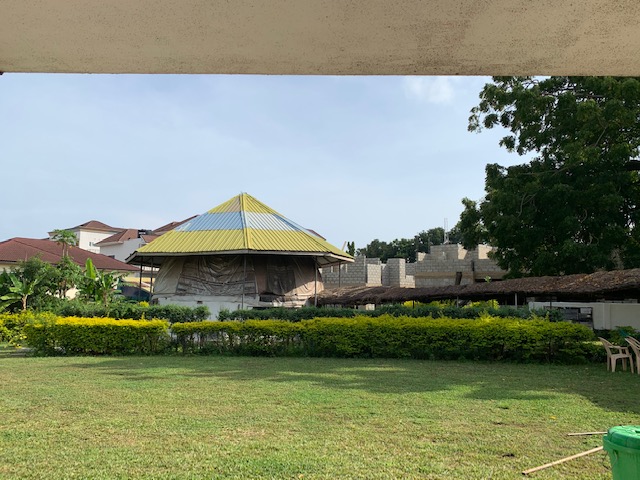
The move was estimated to cost between $70,000 to $120,000. Dr. Ashong had hoped to raise those funds through a crowdfunding campaign.
Unfortunately, the funding goals could not be met, and the Planetarium closed shop.
“The current owners want to do something different with the building [where the planetarium is located],” Ashong said in an interview. “We’ve already agreed — so we need to move by the end of September.”
Attempted Comeback
In April 2023, Dr. Ashong and his team sent an update on Facebook. They stated that they were working on finding a new location.
They also announced that they would be setting a travelling planetarium for patrons.
“We are excited to share with you some updates regarding the Ghana Planetarium. While our previous location is no longer available, we are actively working on locating a site for a new facility. In the meantime, we are thrilled to announce that we will be launching a travelling planetarium that will bring the wonders of the universe to you,” they wrote on Facebook.
While this mobile approach allowed the planetarium to reach even more areas, it lacked the permanence and dedicated facilities that the original site offered.
As of February 2026, there has been no updates on a new location for the platform. The last update from their Facebook page was on July 8th, 2025.
Attempts to reach Dr. Ashong and a member of the team via email were unsuccessful.
Since its closure, there have been some positives in the field of astronomy and science in the country.
In 2022, OneWeb, a satellite company, announced that it had successfully completed the installation of 15 OneWeb antennas and associated equipment at a Satellite Network Portal (SNP) in Accra, Ghana’s capital.
In 2024, the government announced it had launched a comprehensive space policy to drive national development through space science and technology.
Although progress has been made in the field of space and science, it’s tragic that a facility like the Ghana Planetarium could continue its operations.
Perhaps with government support, the planetarium could have been functioning today, teaching young people and old about the wonders of space.