STORY HIGHLIGHTS
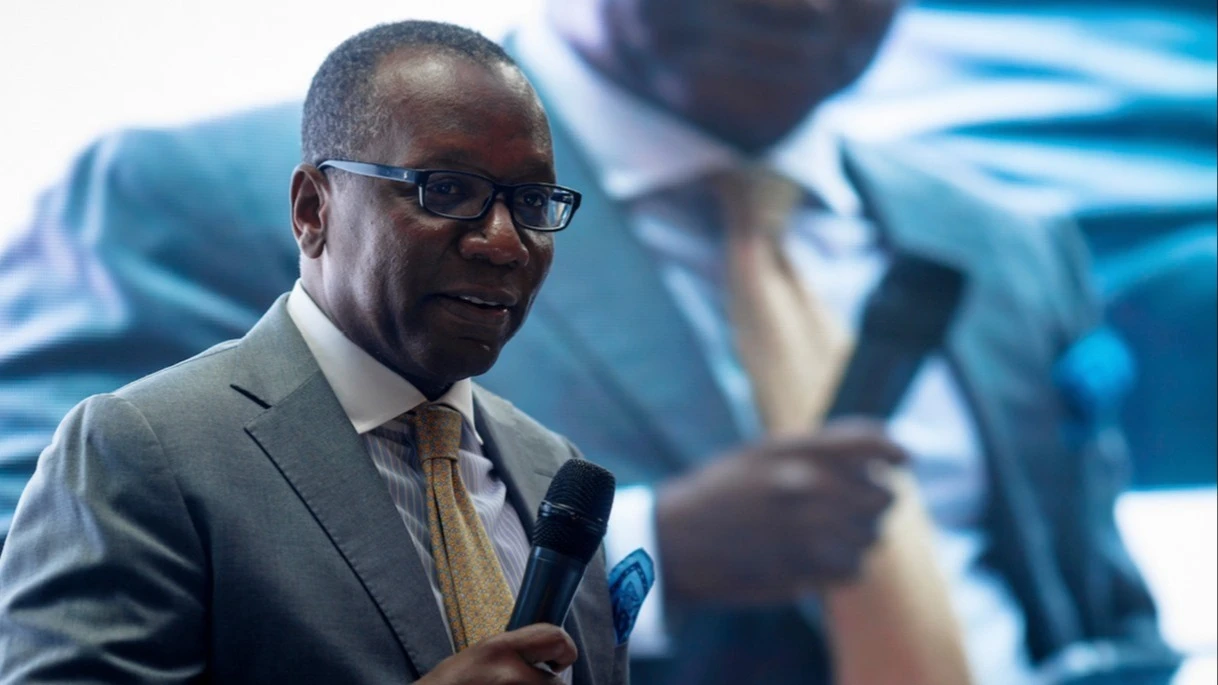
- Ghana International Bank’s board, chaired by Bank of Ghana Governor Dr. Johnson Pandit Asiama, removed CEO Dean Adansi “with immediate effect” on June 8
- Adansi, credited with a turnaround that grew trade revenues over 300% and pushed annual revenue past $100 million, was reportedly given no stated reason for his dismissal
- The board simultaneously named Ian Greenstreet Owulakwao as new CEO, but Companies House still listed Adansi as an active director as of June 12
- Banking lawyers say the process may breach UK Financial Conduct Authority and Prudential Regulation Authority rules on Senior Manager departures and approvals
- Some insiders allege the move is tied to a possible government plan to sell its majority stake — claims that remain unsubstantiated
LONDON/ACCRA — A sudden boardroom shake-up at Ghana International Bank PLC (GhIB), the 67-year-old, government-controlled lender headquartered in the City of London, has triggered allegations of political interference and raised questions about whether the bank’s owners followed UK regulatory procedure in dismissing one of its most successful chief executives.
Reports say that Dean Adansi, the CEO of GhIB, was “abruptly” terminated over the weekend by the board, with an internal announcement to staff following shortly after. Reports indicate that the board has described the development as the CEO “assuming leave”.
Mr. Adansi’s successor, Ian Owulakwao Greenstreet, has already been named and introduced as the incoming Chief Executive Officer, pending regulatory clearance.
The development has fueled speculation about the circumstances surrounding Mr Adansi’s exit.
A Turnaround CEO Shown the Door
Dean Adansi took over as GhIB’s chief executive in 2019, a year when the bank was still working to shed the legacy of a 2016 placement on a UK regulatory watchlist.
Mr. Adansi was a former Wells Fargo executive who had built out the bank’s European corporate lending and credit fund operations before joining GhIB.
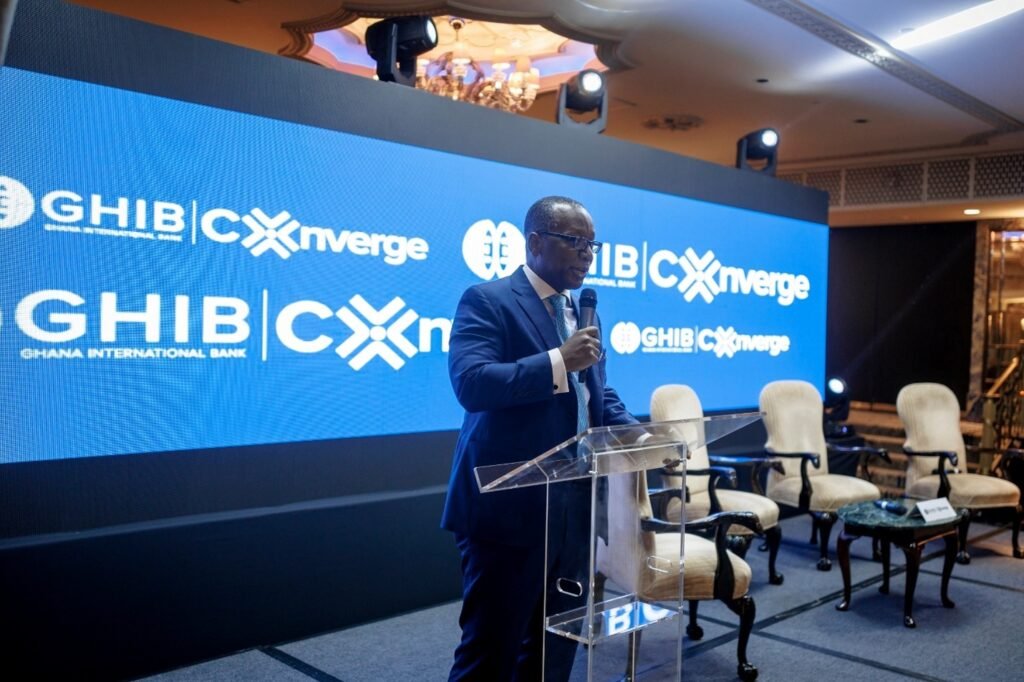
UK regulators approved Adansi as the bank’s senior manager under the Financial Conduct Authority and Prudential Regulation Authority’s Senior Managers and Certification Regime — the framework that holds individual bank executives personally accountable for their institutions’ conduct.
By most accounts, including those of the board itself, Adansi delivered.
According to sources close to the institution, there was broad consensus among GhIB’s clients and staff that he had been an effective leader, and the board had previously rated his performance positively.
That track record made the events of his dismissal all the more jarring.
In a brief statement, the board — which is majority-controlled by the Bank of Ghana, with the Ghana Commercial Bank, SSNIT, and the Agricultural Development Bank holding the remaining shares — announced Adansi’s immediate departure. No reasons were given publicly.
Mr. Adansi reportedly sent an email to senior staff confirming his exit, in which he reflected on the bank’s progress under his leadership.
He noted that trade revenues had grown by more than 300 percent and that the bank had maintained a clean loan book alongside strong liquidity and capital ratios, reaching $100 million in annual revenue within five years — a base he said the bank had been positioning to double over the following five.
He also thanked frontline staff for their role in the recovery and noted the board had signed off on a strategy emphasizing non-interest income, funding diversification, and modernization just before his removal.
“Shocking and Unusual”
In the same communication announcing Adansi’s exit, the board named Ian Greenstreet Owulakwao, an Investment Banker and the Founder and Chairman of Infinity Capital Partners, as GhIB’s new chief executive, effective immediately.
The board statement also described Adansi as having “assumed leave” — wording that, according to senior bank officials, struck many inside the institution as contradictory and unusual, given that he had simultaneously been told his role was terminated.
Several senior staff members and at least two board directors are reported to have expressed shock at the decision, given that the board had previously praised Adansi’s stewardship.

Some attributed the abrupt move to political interference — a characterization that, if accurate, would be particularly sensitive given that UK regulators have historically taken a dim view of state shareholders using political leverage over bank leadership decisions.
Regulatory Exposure Under UK Rules
The manner of Mr. Adansi’s removal has drawn scrutiny from banking lawyers and corporate governance specialists, who say the process may run afoul of FCA requirements governing Senior Management Functions.
Under the FCA Handbook’s SUP 10C.10 provisions, a regulated firm is required to submit a “Form C” to the regulator within seven business days of a senior manager’s departure, detailing the reasons for the exit.
Where a dismissal touches on questions of an individual’s “fitness and propriety,” separate provisions — SUP 10C.11 and FIT 2.2 — require immediate notification to the regulator, a higher bar that GhIB’s board has not indicated it has met.
The appointment of a successor carries its own regulatory hurdles.
SUP 10C.9 requires that the FCA approve a new chief executive following a fit-and-proper assessment before that person can formally begin performing CEO duties under the SMF1 designation.
Lawyers note that allowing an unapproved individual to act as CEO in the interim could expose both the bank and the individuals involved to regulatory sanctions.
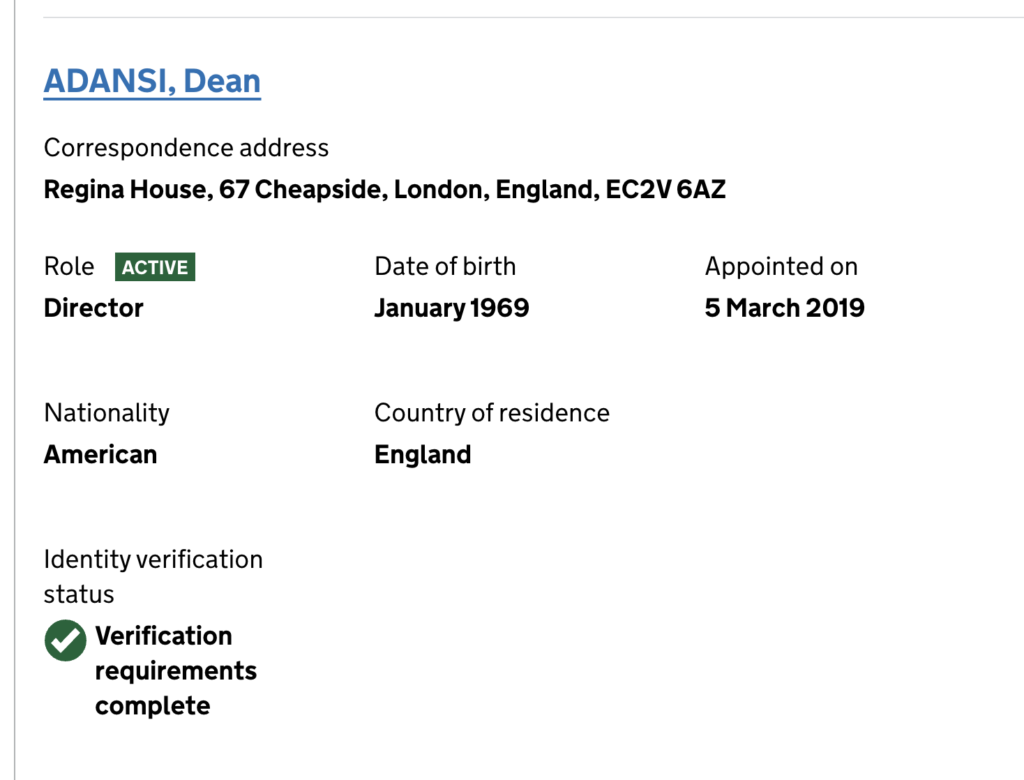
Adding to the procedural confusion, UK corporate filings at Companies House still listed Adansi as an active director of Ghana International Bank as of June 10 — two days after his reported removal — suggesting the change in leadership had not yet been formally registered with UK authorities.
A Bank Still Under Regulatory Watch
The timing compounds the risk for GhIB. The bank had only recently emerged from a Voluntary Business Restriction imposed by UK regulators, alongside a Section 166 “Skilled Person” review — a formal mechanism regulators use to commission an independent assessment of a firm’s risk management or governance failings.
Industry observers say a leadership upheaval of this kind, conducted without a public rationale, could reopen scrutiny just as the bank was moving past that chapter, and could expose it to reputational damage or legal challenge from Adansi himself.
Talk of a Stake Sale
Perhaps the most consequential allegation circulating among GhIB insiders is that the Ghanaian government may be exploring a sale of its majority stake in the bank to a private investor, and that Adansi’s removal is connected to that process.
The Labari Journal could not verify this claim and is being treated as unconfirmed.
If accurate, however, it would mark a significant shift for an institution that has functioned since 1959 as a state-linked conduit for Ghana’s international trade financing — originally established as the London branch of Ghana Commercial Bank just two years after independence.
In a communication to staff, Bank of Ghana governor Dr. Johnson Pandit Asiama said he was “delighted” that Greenstreet had agreed to take up the role. He reportedly made no reference to Mr. Adansi’s departure.
The Labari Journal emailed GhIB for a comment on the allegations of political interference. We did not get a response at the time of publication.
This article was edited with AI and reviewed by human editors