


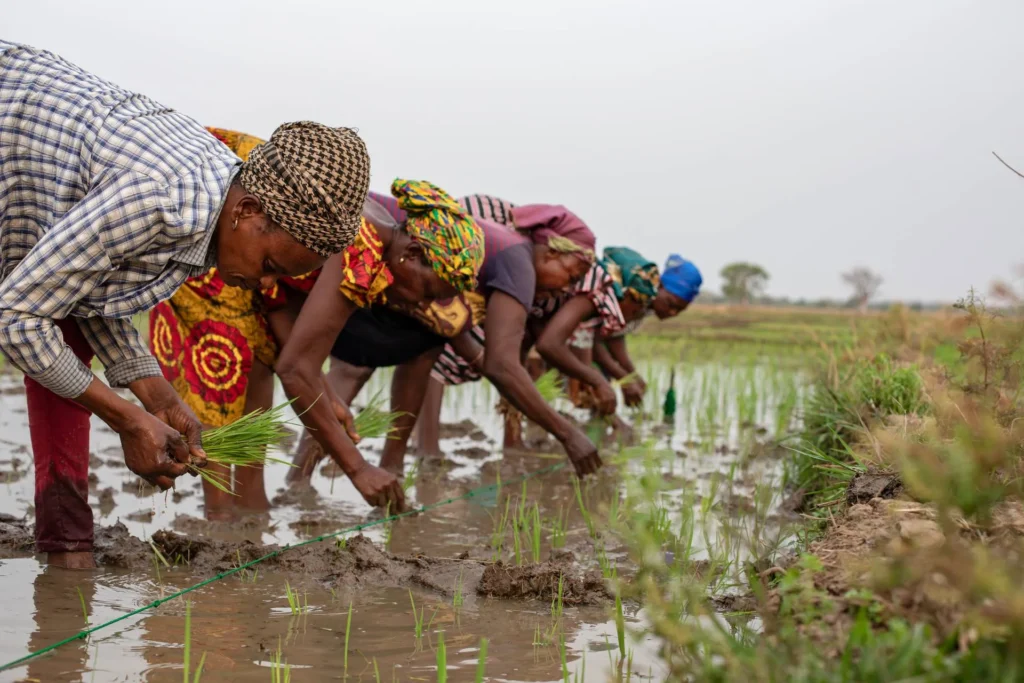
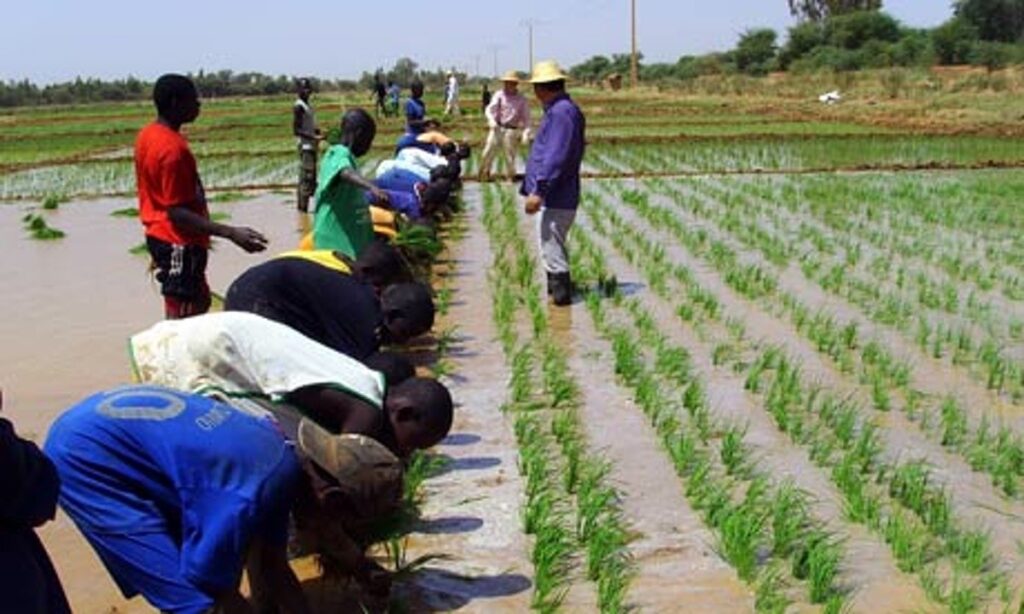
ACCRA, Ghana — When Ghana and Switzerland announced a landmark carbon credit deal at the United Nations climate summit in Egypt in November 2022, it was celebrated as a turning point for global climate finance. Ghana would retrain its rice farmers. Switzerland would offset its emissions.
It was, officials said, the world’s first bilaterally authorized carbon credit transfer under Article 6.2 of the Paris Agreement — a complex provision designed to let wealthy nations pay developing ones to cut emissions on their behalf.
However, within months, the project’s foundations began to crumble.
The methodology underpinning the deal — a technical framework for measuring how much carbon rice farmers could save by adjusting water management practices — came under intense scrutiny.
Critics stated that it was essentially the same one that Verra, one of the world’s most prominent carbon credit certifiers, had permanently suspended after finding it prone to dramatically overstating emissions reductions.
What followed was a battle between the deal’s powerful backers and a growing chorus of independent scientists and journalists questioning whether Ghana’s landmark project was, in fact, delivering any real climate benefit.
A Historical Deal
The Ghana-Switzerland agreement covered nearly 80 percent of Ghana’s rice production. It was expected to generate more than one million tonnes of carbon dioxide equivalent in savings by 2030, according to project documents.
The United Nations Development Programme was brought in to implement it, lending the initiative institutional credibility that few private-sector projects could match.
Under Article 6.2 of the Paris Agreement, countries can transfer emissions reductions between themselves — a mechanism designed to direct climate finance toward the developing world while allowing wealthy nations to count the reductions toward their own targets.
Switzerland, which has set an ambitious goal of achieving one-third of its total carbon reductions abroad, was eager for a high-profile success.
Ghana’s government, in turn, positioned the deal as evidence that African nations could be sophisticated, reliable partners in global carbon markets.
For a country with significant stretches of wetland rice agriculture — a major source of methane, a potent greenhouse gas — the project appeared to offer both climate and economic benefits.
The Methodology Controversy
The trouble began in January 2023, when a major investigation by The Guardian, a UK-based media publication, and two other news organizations found that up to 90 percent of Verra’s flagship rainforest carbon offsets had overstated their climate benefits.
The reporting prompted widespread scrutiny of carbon credit methodologies across the industry.
Verra, facing mounting pressure, began reviewing its portfolio of methodologies. In 2023, it permanently deactivated a widely used United Nations methodology for rice cultivation carbon credits, citing concerns that the framework systematically over-counted emissions reductions.
Carbon Pulse, a specialist publication that closely tracks carbon markets, reported that the methodology used in the Ghana-Switzerland project was, at its foundation, the same framework.
They reported that it specifically targeted methane reductions through adjusted water management practices.
UNDP and Swiss officials pushed back forcefully, arguing their methodology was distinct. But the distinction, critics noted, was largely technical and cosmetic.

By August 2024, the scale of the problem became undeniable. Verra invalidated 37 rice methane projects responsible for 4.5 million credits — a staggering 99.9 percent of all rice credits the organization had ever issued.
Pressure Behind Closed Doors
Documents obtained through Switzerland’s Freedom of Information Act revealed a second source of controversy: the implementing company, ACT, had attempted to pressure Swiss authorities into approving an unusually high emissions reduction value — a key variable that determines how many carbon credits a project generates.
The Klik Foundation, the Swiss body managing the credit purchases, privately told Swiss authorities that their requirements were ‘too demanding,’ the documents showed.
Yet publicly, the same officials praised Switzerland’s standards as globally unmatched, calling the dispute a ‘shared learning process.’
The contradiction — lobbying to weaken standards in private while celebrating them in public — drew sharp criticism from independent observers. It also illuminated a structural tension at the heart of Article 6.2: the countries buying and selling credits have strong financial incentives to reach agreements, even when the numbers do not fully add up.
ACT, for its part, had its own reputational stakes in the project. The company was attempting to recover credibility following a broader carbon credit scandal involving Zurich-based South Pole, the world’s largest climate certificate trader, which had faced allegations of overstating the climate benefits of projects it managed.
The Project That Would Not Die
Despite the methodological challenges and the pressure, the Ghana-Switzerland rice project was not cancelled. It was defended into survival by its institutional backers, who had invested too much political capital to walk away.
Gold Standard, another major carbon credit certifier, commissioned a report on institutional readiness for Article 6 markets — using the Ghana case as a positive example, even as the project faced active scrutiny. UNDP continued to describe the initiative in favorable terms in public communications.
Switzerland’s broader record offered a sobering footnote. According to reporting on Klik Foundation documents (a carbon offset grouping of Swiss motor fuel importers), the country had committed to achieving approximately 34 million tonnes of carbon reductions abroad by 2030.
However, it had certified just 13,649 tonnes across its two Article 6 projects, including the Ghana cookstoves initiative. That is 0.04 percent of its target, with less than five years remaining.
Ghana Presses On
Ghana’s government, for its part, showed little sign of slowing down. At COP28 in Dubai in late 2023, Ghana authorized a second Article 6.2 project — a composting and waste recycling initiative targeting more than 1.5 million tonnes of emissions reductions by 2030.
The country has since signed bilateral carbon credit agreements with Singapore and Sweden, cementing its self-described role as Africa’s trailblazer in carbon markets.
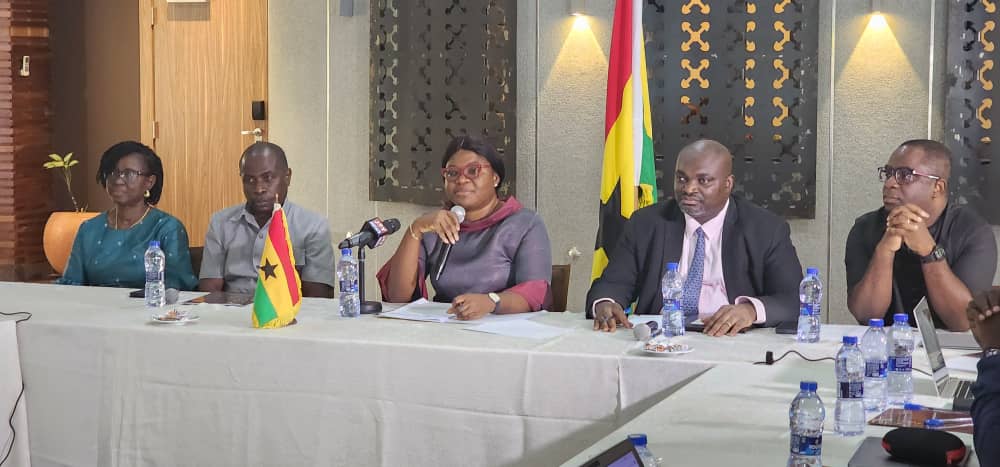
Parliament passed the Environmental Protection Act in 2025, formally establishing a Carbon Markets Office and a Ghana Carbon Registry — institutional architecture designed to give the country’s ambitions a firmer legal foundation.
But the fundamental questions raised by the rice farming project remain unresolved: whether the credits being generated correspond to real reductions, whether the methodology can withstand independent scrutiny, and — perhaps most critically — whether Ghanaian rice farmers themselves have seen meaningful financial benefit from the deal.
This article was edited with AI and reviewed by human editors



Follow