


Story Highlights
- Uganda’s Parliament received its first reading of the Protection of Sovereignty Bill, 2026 on April 15, targeting foreign influence over politics, governance, and the economy
- The Bill imposes a funding cap of roughly $106,000 per year on foreign support, requires Cabinet approval for a wide range of business activities, and criminalizes so-called “disruptive funding” with up to 20 years in prison
- Legal experts warn the Bill is broader than any comparable law globally — including Russia’s foreign agent legislation — and could chill foreign investment, development finance, and civil society
In March 2026, Uganda’s Cabinet approved the draft Protection of Sovereignty Bill, a piece of legislation designed to operationalize Article 1 of the Constitution, which enshrines the sovereignty of the people.
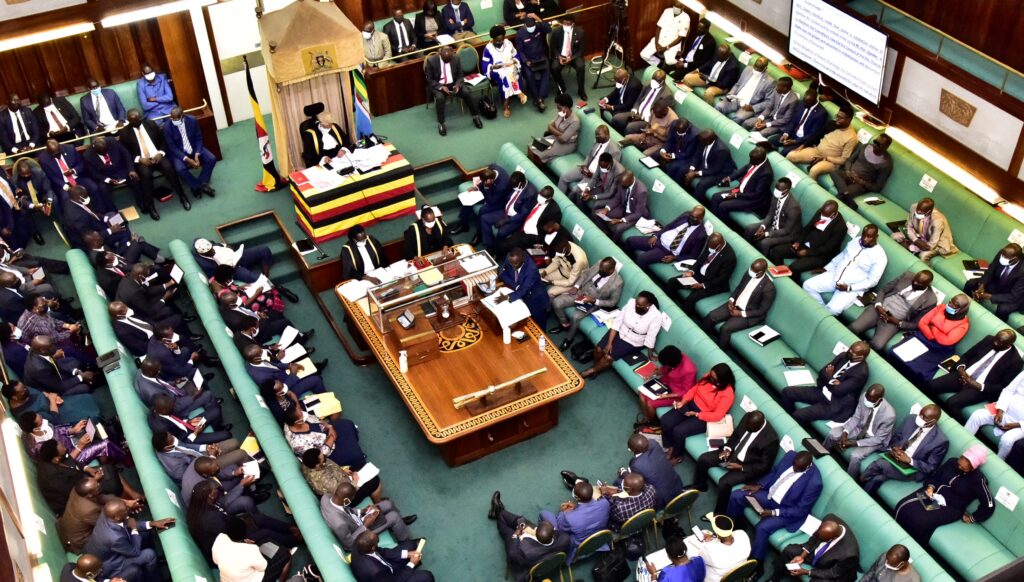
The proposed law was read for the first time in Parliament on April 15 by Minister of State for Internal Affairs Gen. David Muhoozi and referred to the Committee on Defence and Internal Affairs for further scrutiny.
The referral marks the start of a legislative process that will involve consultations, possible amendments, and a final vote.
The government’s stated rationale is straightforward. Muhoozi said the legislation is intended to address concerns over illegal or undisclosed foreign funding, which authorities argue could undermine national sovereignty, security, and governance processes.
Who Gets Caught in the Net?
The Bill’s reach is deliberately broad. An “agent of a foreigner” includes any person whose activities are “directly or indirectly supervised, directed, controlled, financed, or subsidised” by a foreigner.
A “foreigner” includes not only non-citizens and foreign governments but also Ugandan citizens residing abroad, international organisations, and, critically, any person the Minister for Internal Affairs may designate as a foreigner by statutory instrument.

The practical consequences are stark. A Ugandan company with a foreign minority shareholder, a business operating under a foreign loan facility, a joint venture with an international partner, or an enterprise receiving supply-chain finance from a foreign bank — even a law firm that is part of an international network — could all be classified as agents of foreigners.
The same applies to any organization, including hospitals, schools, media houses, and research institutions, that receives even partial foreign funding or subsidy.
The Funding Cap and Cabinet Approval
Under the proposed law, any person or “agent of a foreigner” would be prohibited from directly or indirectly receiving financial support, donations, loans, or other assistance from a foreign source exceeding 400 million Ugandan shillings (roughly $106,000) within 12 months without written approval from the Minister responsible for Internal Affairs.
For large commercial transactions, that threshold is essentially unworkable.
Beyond the financial controls, Clauses 6, 7, and 8 require Cabinet approval before any person or agent of a foreigner may carry out activities in sectors for which government is responsible — including education, health, water, and roads — or engage in any activity related to the development or implementation of government policy.
Given that government policy spans virtually every sector of the economy, these provisions could require Cabinet-level sign-off for a wide range of ordinary commercial operations.
The Crime of “Disruptive Funding”
Among the Bill’s most contentious provisions is what it calls “disruptive funding.”
Section 23 criminalises funds intended to destabilise government, influence political processes, or threaten national security.
Any person or organisation that receives or solicits funds from a foreign government, institution, or individual with the intent to promote unrest or undermine Uganda’s security commits an offence punishable by up to 20 years in prison or fines of up to 2 billion Ugandan shillings, or 4 billion for corporate entities.
Banks are not spared either. Banks would be barred from processing transactions involving agents of foreign entities without proper declarations and approvals, and must submit monthly reports of all such transactions to the Minister.
Non-compliance would attract fines of up to 4 billion Ugandan shillings.
Beyond Russia: A Law Without Parallel
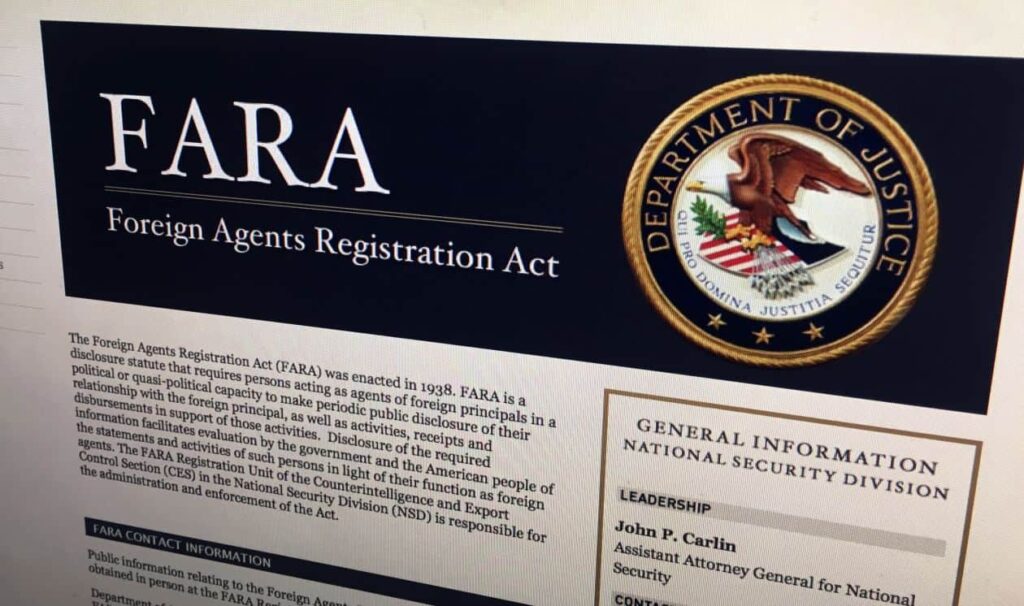
Legal analysts have been blunt in their comparisons. The maximum criminal penalty of twenty years’ imprisonment is four times the maximum under FARA — the US Foreign Agents Registration Act — or Australia’s Foreign Influence Transparency Scheme, and dwarfs the fines-only regime in Israel.
The prior-approval requirement for activities, the low funding cap, the economic sabotage offence, and the treatment of diaspora citizens as “foreigners” are all without parallel in comparable legislation globally, including Russia’s widely criticised foreign agent law.
The Bill draws heavily from Russia’s “foreign agent” model, but in Uganda’s case, President Museveni and other officials have repeatedly castigated critical voices in media, civil, and political society, labelling them as foreign agents supporting political subversion.
Critics argue the Bill is less about transparency and more about tightening control.
What It Means for Investors and Lenders
For foreign investors and international lenders, the implications are direct and immediate. Loan disbursements to Ugandan borrowers who fall within the definition of “agent of a foreigner” will require prior Ministerial approval above the threshold, introducing regulatory risk, delay, and uncertainty into lending arrangements.
Lenders should also note the forfeiture provisions, which could make disbursed funds unrecoverable.
By discouraging foreign direct investment and remittances that the Uganda Revenue Authority relies upon, the Bill actively shrinks the tax base.
The Democratic Stakes
Civil society leaders warn the Bill goes beyond economics. Reduced access to funding means fewer programmes, fewer services, and less space for dialogue on governance and human rights.
As these spaces shrink, so too does the feedback loop that allows citizens to engage with state actors.
Even supporters of the Bill acknowledge its potential reach, with one observer warning: “The same people pushing for this law could be affected by it.”
What Comes Next
The referral to the Committee on Defence and Internal Affairs marks the start of the legislative process, which will involve consultations, possible amendments, and debate before a final vote.
But the outlook for significant revision is uncertain. The new Parliament is dominated by the ruling National Resistance Movement, and its members do not have a good track record of opposing government-sponsored legislation.
This article was edited with AI and reviewed by human editors



Follow