


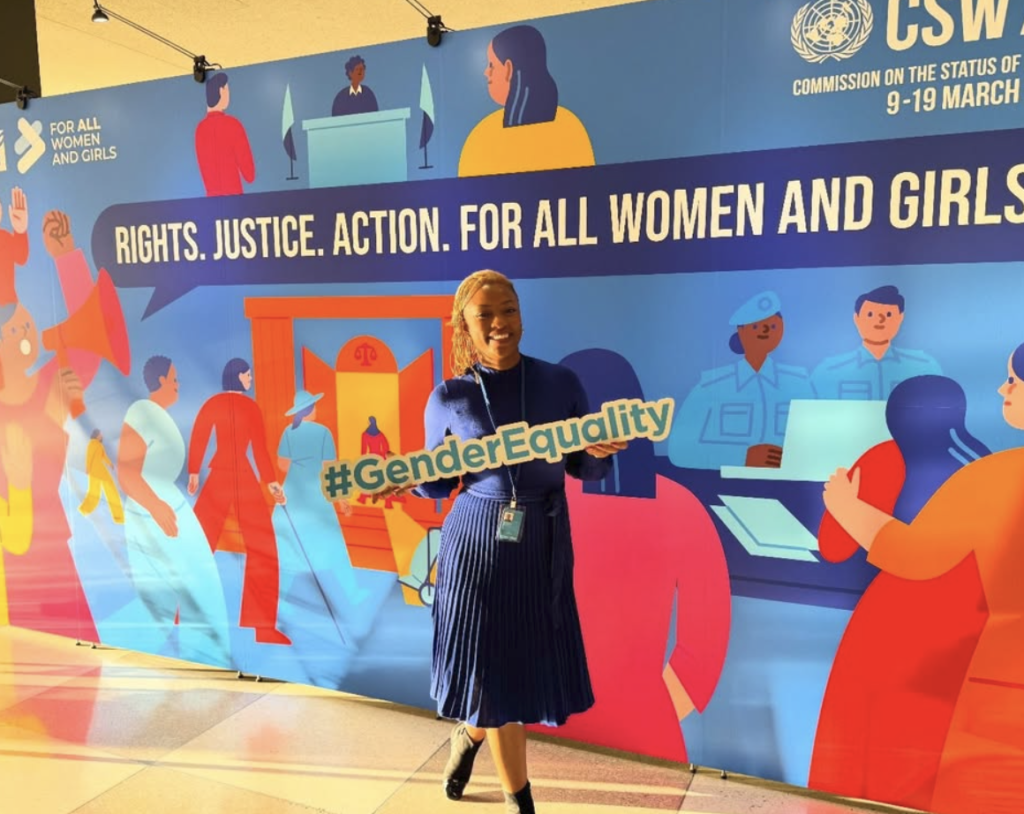
Genevieve Partington never set out to build a conventional career. Human rights work, she says, was always more of a calling.
Partington, a self-described feminist and activist, has always been passionate about doing right and helping others.
“My dad was in the military — they are there to protect,” she said in a sit-down interview with The Labari Journal.
“I’ve always felt like a protector. Somebody that needs to voice up for people that don’t have a voice.“
That instinct carried her through a winding academic path: a Bachelor’s degree in political science, then a Master’s in international relations, another in development studies, and a third in law.
She had considered becoming a lawyer. She even got into law school. But she pivoted. “Development studies just gave me a broader framework,” she said. “A broader lens to understanding social justice and the impact it has on society.”
In 2023, Partington was appointed Country Director of Amnesty International Ghana — a personal milestone after a career with different organisations.
Not only would Partington be leading one of the most recognisable human rights organisations in Ghana, but she would also be doing it as the first woman to serve as Country Director in the organisation’s 50-year history.
The significance was not lost on her — though she admits her feelings about it were mixed.
“After 50 years of being in Ghana, I was the first woman they had as a country director,” she said. “I didn’t know whether to be happy or sad about that, to be honest.”
The pressure, she explained, was real. “Being a woman, you are very critical of whatever you do — the policies you put in place, all those things.”
Despite the challenges, Partington had strong beliefs and a passion for Amnesty’s work and was ready to hit the ground running.
“I believe in people’s rights. It’s just hands down what it is. And if you don’t have that passion, you really can’t work there.”
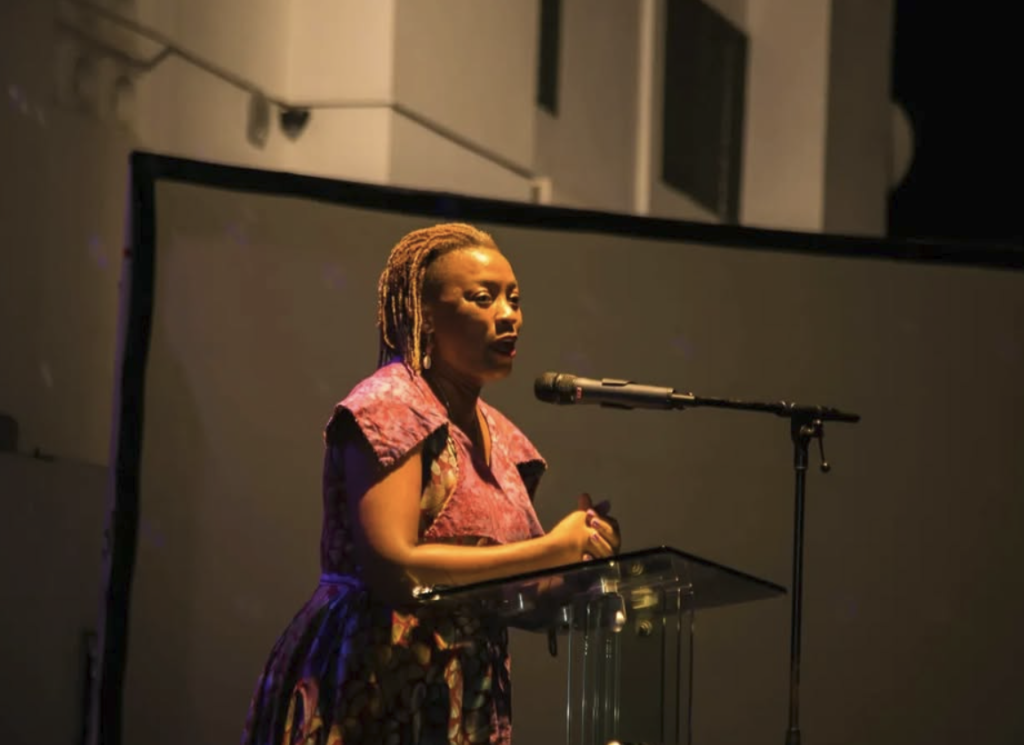
Achieving Milestones at Amnesty
Partington’s academic foundation is expansive: She attended the University of Ghana in Accra, studying Political Science and French for her Bachelor of Arts degree, followed by a Master of Arts (MA) in Development Studies from the Institute of Social Studies, Erasmus University Rotterdam in the Netherlands.
She earned an MA in International Relations and Political Science from Jean Moulin University Lyon 3 in France and, most recently, graduated with a Master’s of Law in International Law from the University of East London.
She came to Amnesty International with prior stints at Oxfam, where she served as a regional project coordinator overseeing three countries. What drew her specifically to Amnesty was its willingness to be loud.
“A lot of NGOs have had to go a little quiet because of restricted funding,” she noted. “The more vocal you are about controversial issues, the less likely you are to receive funding, because there is a rise in the anti rights agenda.”
Amnesty, she felt, had held the line.
During her tenure, the organisation achieved notable milestones in Ghana.
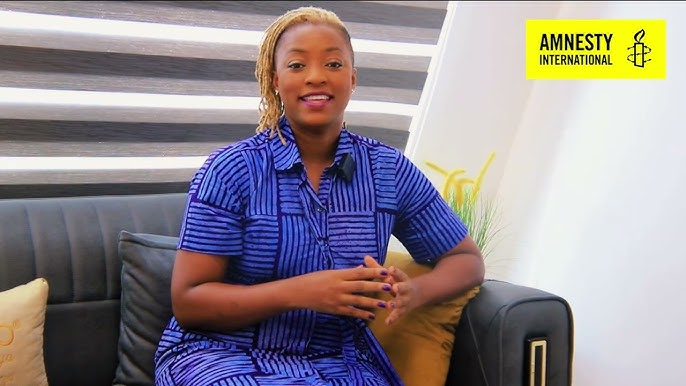
In 2023, Ghana’s Parliament voted to abolish the death penalty — a campaign Amnesty had waged for more than three decades. (Parliament voted to remove it from certain laws)
In the same period, the Affirmative Action Bill was passed, a cause to which Amnesty had actively contributed.
The organisation also engaged on sexual and gender-based violence, witchcraft accusations — a persistent human rights concern in Ghana’s north — women’s political participation, and prisoner rights.
Dealing with Government Administrations
Partington’s time at Amnesty spanned two government administrations. She was appointed two years before the Akufo-Addo administration would be out of office (the National Patriotic Party (NPP) lost the election in December 2024) and one year into the Mahama administration.
With both governments, Partington dealt with two different styles of governance and personalities.
She noted that Amnesty gained institutional access and policy reform in one administration, and gained executive action in the other, making them both impactful in different dimensions.
“I can’t really say one was better than the other,” she said honestly, noting that both experiences had unique setbacks and advantages.
The Akuffo-Addo government passed the Criminal Offences Act and the Affirmative Action bill into law, while the Mahama government pardoned 998 prisoners, increased the prisoner feeding allowance, and made a landmark victory on reparations.
She recalled tense negotiations during the September 2023 protests, when individuals observing demonstrations against the government on the issue of illegal mining (known locally as galamsey) were swept up and detained.
Her attempts to engage government officials for the release of the protestors fell flat.
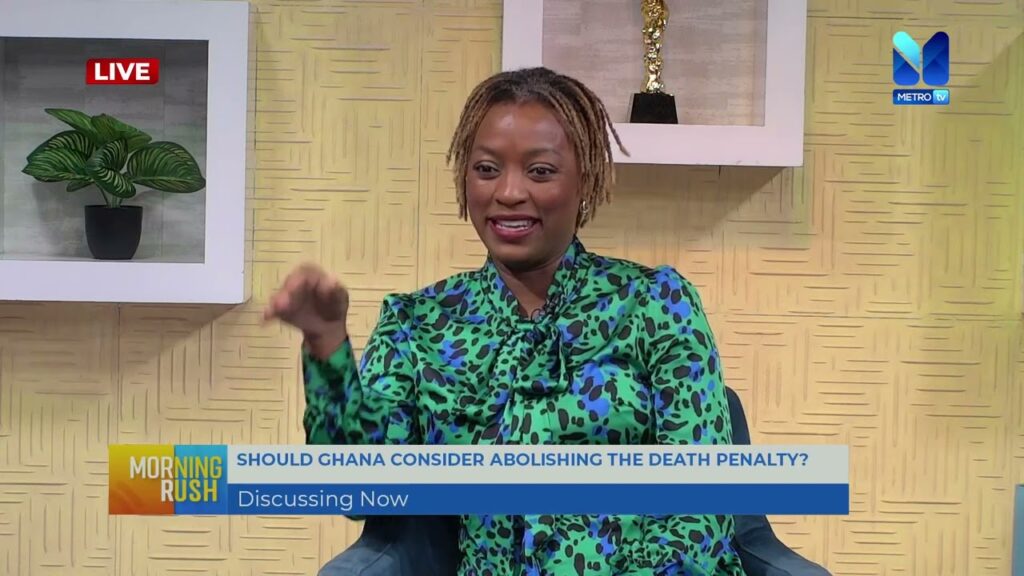
“They stood their ground,” Partington said on the arrest by the authorities. “They felt like these people were disturbing the peace.”
When the Mahama government eventually took power, dropping those charges was among its first acts — something she welcomed.
During her tenure, Amnesty worked with a plethora of organisations and individuals to push the human rights agenda.
One relationship Partington singles out as exceptional was with Lydia Yaako Donkor, Director General of the Criminal Investigative Department (CID) of the Ghana Police.
“She’s amazing. We were one of the first NGOs she met with. Whenever I had any issue and messaged her, she was so responsive.“
But Partington made sure to be frank with the CID director whenever any issues with the Ghana Police were encountered.
“We’re not going to agree on everything. So please understand when I have to call you out,” she recalls telling her.
The response? Laughter and an acknowledgment that they were each doing their jobs.
Deflecting Personal Attacks
Speaking publicly on human rights in Ghana’s media environment carries costs, especially for women. Partington was not excluded from these costs.
One particular controversial topic in Ghana was the government’s push for an anti-LGBT bill through Parliament. The bill, if passed, would penalize individuals who identified as members of the LGBT community.
Partington was vocal against the bill’s passage. This opposition resulted in personal attacks on her person from the general public.
“I’ve had very horrible messages in my DMs,” she said.
She also faced pushback from politicians in the media space who were advocating for the passage of the bill in parliament.
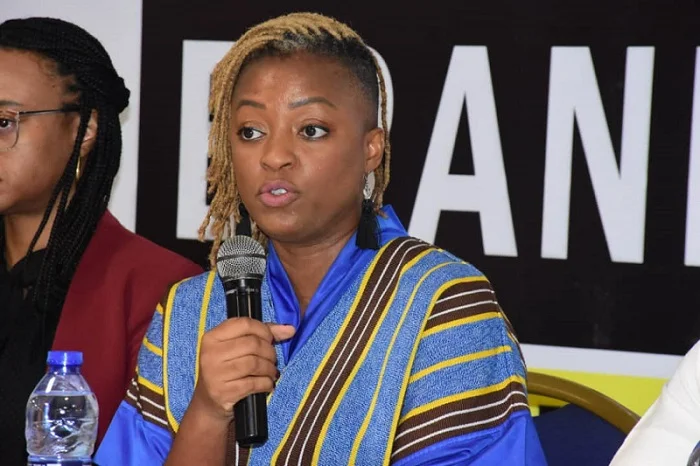
But she developed a practiced indifference to most of the pushback. “I’m not moved by those things. I focus on the facts, the issues at hand — I don’t like engaging in political discourse that encourages personal attacks.”
She recalled that even journalists tried to bait her into feuds with public figures. “I think nothing of it. Let’s focus on the issue, not the personality.”
Outside of the country, Partington has also paid a quieter price.
She noted that working for a human rights organization can open and close certain doors. Some countries that do not appreciate human rights advocacy are likely to deny travel visas to their jurisdictions.
“That’s the sacrifice you make as a human rights advocate,” she said.
Looking Forward
In January 2026, Partington announced she was leaving her role as Country Director at Amnesty after three years. She says she was deliberate about her timing. “I wanted to be strategic about my next move,” she said.
She is now channelling her energy into Ladies in Development Africa, a network she founded for women working in the development sector.
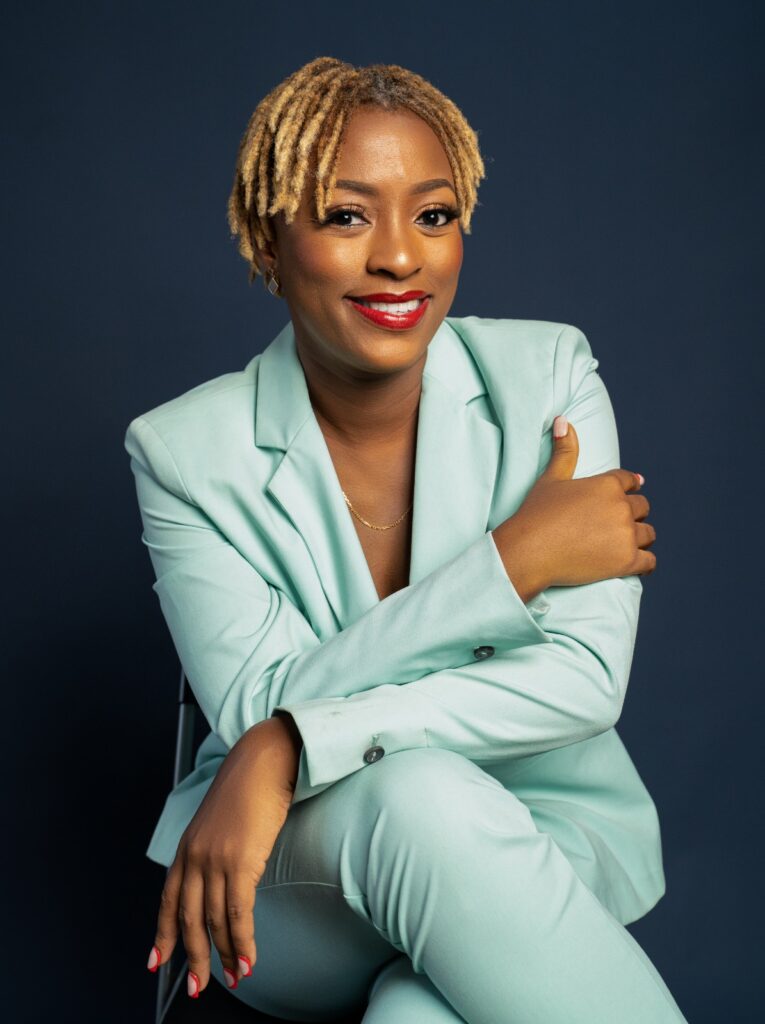
The motivation is familiar: too many capable women capping out at “head of programs” or “program director,” while the CEO and executive director seats remain occupied by men.
“I want to see more women who look like me at those places,” she said.
As for her own next chapter, she is keeping her options wide open. A regional or global role would not be turned down.
“I feel like my capacity is beyond just Ghana,” she said. “I feel like I have a lot more to offer. I’m open to new adventures.”
What she will not do is disappear from the fight for human rights activism. “I’m going to continue being a human rights advocate for sure,” she said.
“I’m destined for bigger things — contributing to society on a much larger level. That’s something I’m very passionate about.”



Follow