


STORY HIGHLIGHTS
- Ghana has fewer than 20 cinema screens nationwide — one of the lowest ratios in Africa
- The Falcon Cinema project, planned for the Berekuso area near Accra, will combine a cinema, production labs, residencies, an archive, a restaurant, and a multi-purpose event space
- Developer and Berlin International Film Festival programmer Jacqueline Nsiah is targeting a 2027 completion date and is currently in fundraising conversations
- Its location near Ashesi University — with 3,500 students from 33 African countries — is central to its cultural mission
Ghana has fewer than 20 cinema screens. For a country of more than 34 million people — one of West Africa’s most stable democracies, with a growing middle class and a film industry that has long punched above its weight culturally — that figure is, by almost any measure, surprisingly low.
The number is not lost on Jacqueline Nsiah, a Ghanaian-German film programmer who has spent two decades curating some of the world’s leading festivals, including the Berlinale, where she currently sits on the selection committee for the competition programme.
Three years ago, Jacqueline relocated to Accra. What she found — or rather, what she did not find — confirmed what she had long suspected.
“It’s not because we don’t have the filmmakers,” she said in an interview with The Labari Journal. “It’s that there aren’t enough opportunities. And we don’t have enough screens.”
Instead of waiting for someone else to find a solution, she decided to tackle the problem head-on.
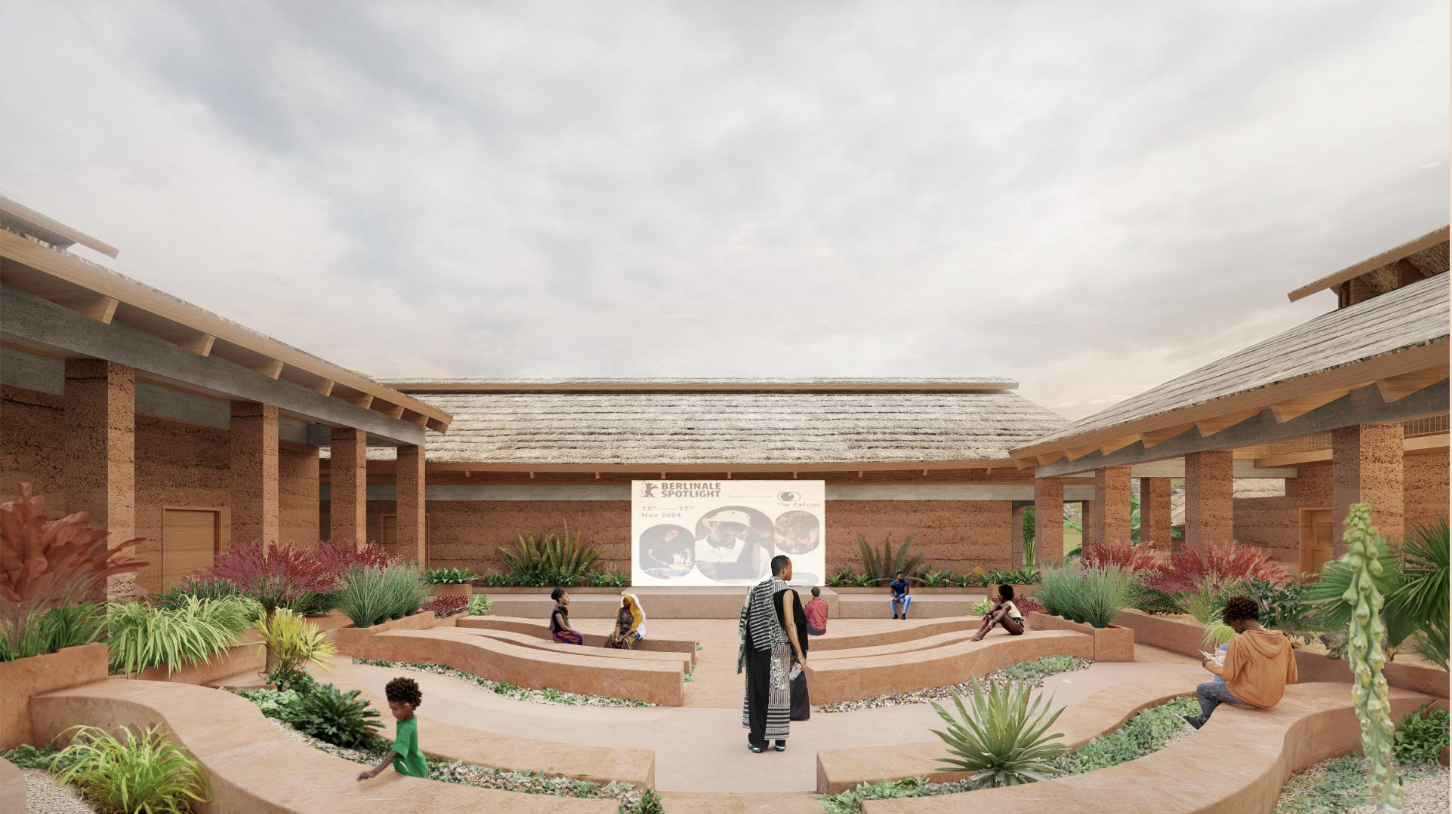
Her answer to that gap is the Falcon Cinema — a proposed multi-purpose cultural complex in Berekuso, a peri-urban area east of Accra near Ashesi University.
It is a project three years in the making and, if all goes to plan, it will be set to open by the end of 2027.
More Than a Cinema
The Falcon Cinema is not conceived as a single-screen arthouse venue. Nsiah is aware that ticket sales alone cannot sustain an independent cinema in today’s market — “even in the west,” she notes — and so the project is being designed as a self-sufficient cultural economy.
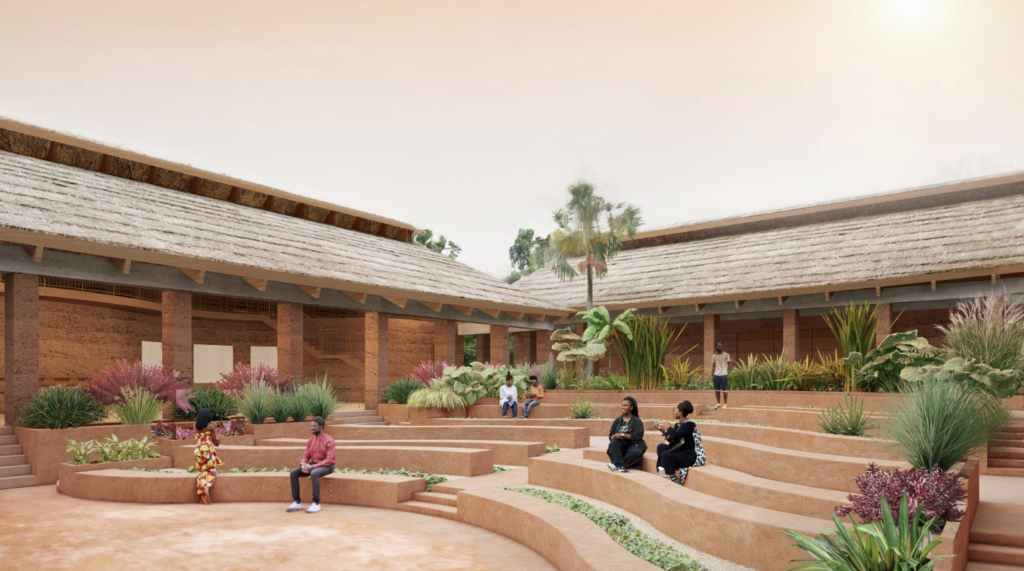
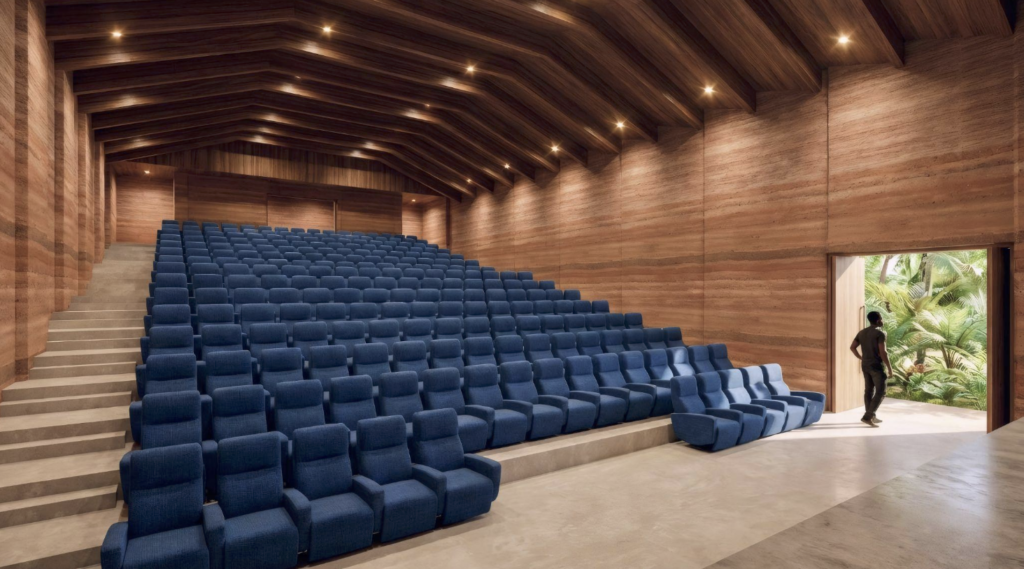
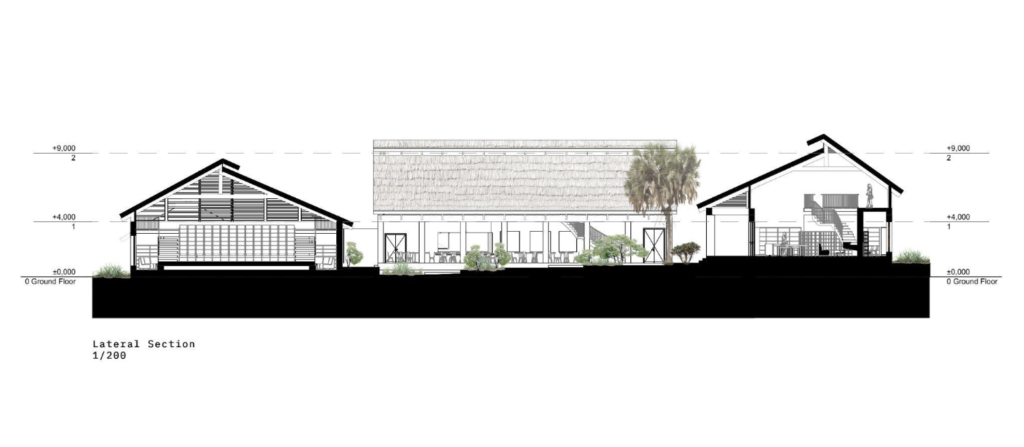
The planned complex will include a screening room, production labs, filmmaker residencies, an archive of Ghanaian and African film, a restaurant, and a flexible event space that can be hired out for conferences, concerts, or exhibitions.
Revenue streams are deliberately diversified. The archive is intended not just as a preservation effort but as a commercial asset: digitised films from existing private collections — including VHS tapes and film reels held by private owners — would be licensed for screening, generating royalty income.
For the digitisation work, Nsiah is in discussions with the Berlin International Film Festival, where she works, to provide technical support.
“I want to bring in and digitise some of the films we already have in this country,” she said. “There are private collections out there — VHS, film reels — that nobody is doing anything with.”
A food and beverage partner — whose identity she declined to reveal — is also in advanced discussions to operate the restaurant and bar component.
“It’s a space that already has a large following,” she said. “That would be quite lucrative.”
Homecoming
The choice of location for the film hub is deliberate. Nsiah’s family roots are in Berekuso — her mother is from the area, her grandfather was once chief of the community, and her aunt is the current queen mother.
“If I buy land there, or get land from there, I can rest assured it really belongs to me,” she said — a pointed reference to Ghana’s persistent land tenure disputes, in which purchased plots have been reclaimed by competing claimants years later.
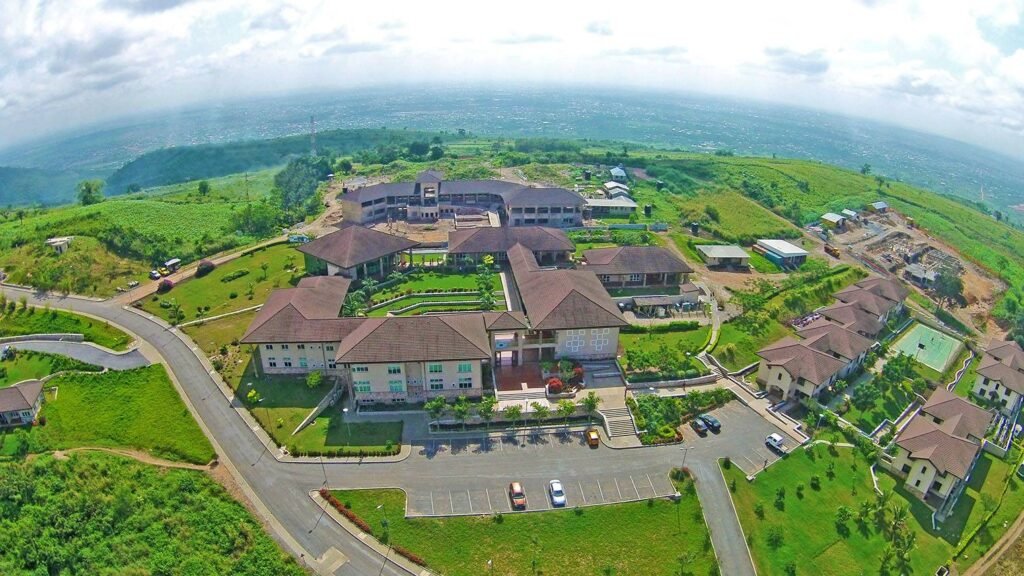
But the location carries a strategic logic beyond ancestry. Ashesi University sits nearby, with approximately 3,500 students drawn from 33 African countries.
The institution has, in recent years, attracted a growing ecosystem of development workers, researchers, and expatriates priced out of an increasingly expensive Accra.
“Everything is so highly concentrated around Accra,” she said. “I want to build an audience outside of the usual centre. And right now, there’s nothing in terms of entertainment in that area.”
A road construction project currently underway is expected to reduce travel times from central Accra, which could significantly improve the area’s accessibility.
The Funding Problem
The fundraising process has not been straightforward. Nsiah spent time trying to raise money before commissioning architectural designs — and struggled, she says, because potential investors could not visualise what she was building.
She has since partnered with architecture students to produce a rendered concept of the space. “It’s easier for people when they have something visual,” she said.
Current conversations include discussions with investors and her own network of African filmmakers who, she says, have expressed strong interest in collaborating once the space opens.
On the question of government partnership, she is deliberately cautious.
Asked whether she had approached state institutions for support, her answer was candid: “I just feel the government can be a bit slow. My gut feeling is that I should wait until I’ve reached a certain level before I bring them in.“
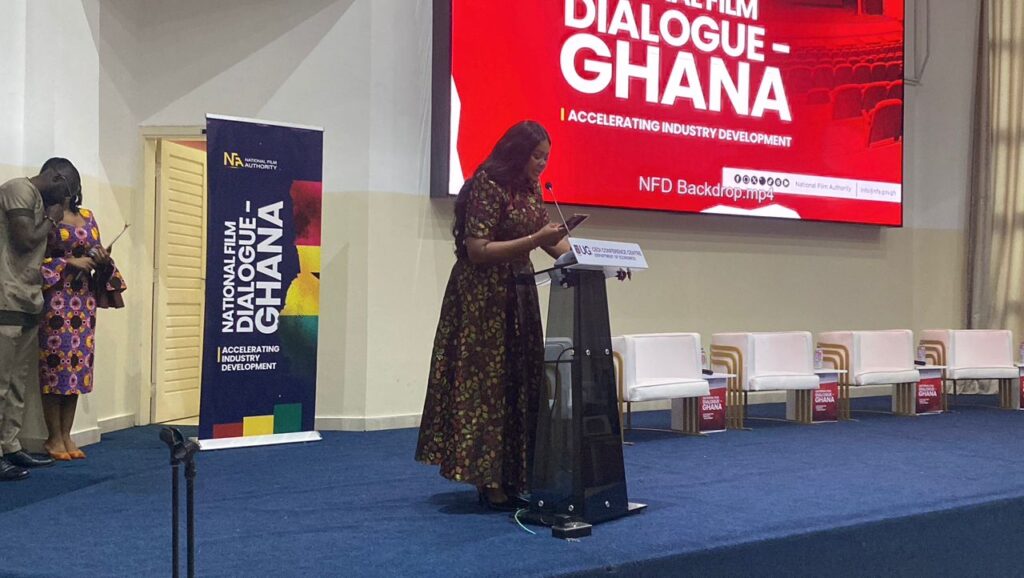
The absence of any film funding infrastructure in Ghana — at either government or private level — is a theme she returns to repeatedly.
Ghanaian filmmakers seeking development finance are currently forced to look abroad, primarily to European co-production funds, which she says come with “all sorts of conditionalities” that shape what stories get told and how.
But there has been some recent progress on the funding front. The Ghana National Film Authority (NFA) recently announced a GHC 20 million (~$1.7 million) fund for local filmmakers.
The fund was established to address the long-standing challenges of financing, infrastructure, and investment support in Ghana’s movie and creative arts industry.
Whether the fund is sustainable for the long term remains to be seen.
A Wider Movement
Nsiah frames the Falcon Cinema not as a singular intervention but as part of a broader continental shift.
She points to independent collectives across Africa that are opening screening spaces and building local infrastructure for film culture — a decentralised, grassroots response to the collapse of state-supported cinema and the retreat of Western donor funding.
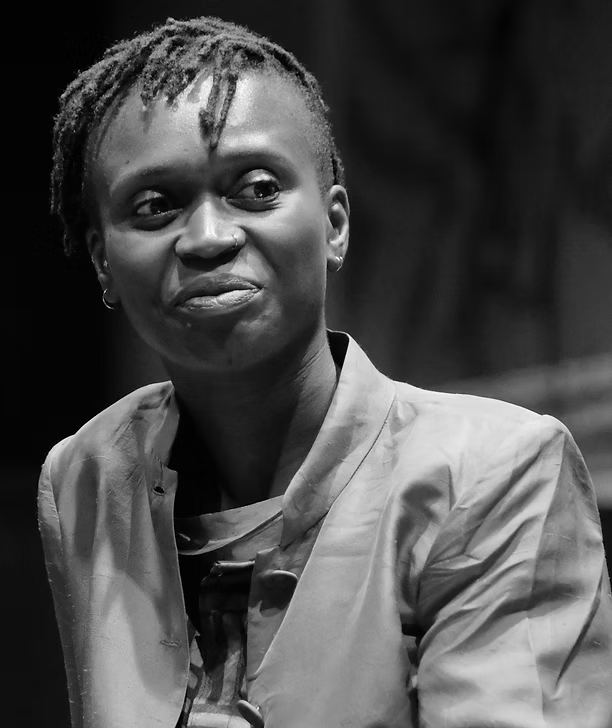
The Trump administration’s dismantling of USAID, she noted, has already affected cultural projects in Ghana. She sees the moment as clarifying: “We need to find sustainable structures to sustain our film industry, our culture — festivals, cinemas. That conversation needs to happen.”
Born and raised in Germany to Ghanaian parents, Nsiah studied politics and African studies at SOAS, where she was first exposed to independent African cinema and the theoretical tradition of Third Cinema.
She went on to work at the Cambridge African Film Festival, the Rio International Film Festival, and eventually the Berlinale. She cites the pandemic — and the political tightening she observed across Europe — as the final prompt to return to her homeland.
“I’ve gained enough experience,” she said. “And enough connections. Now is the time.”
Currently, the Falcon Cinema project is in its fundraising and design phase. Nsiah is hopeful that the project will eventually come to fruition.
“People are really excited,” she said when discussing the project with others. “Filmmakers from other African countries, whenever I talk about the project, are like, ‘Oh, how can we support you?‘
And it’s so important, and they really want to come and collaborate.”



Follow