STORY HIGHLIGHTS
- The Bank of Sierra Leone has shut down Union Trust Bank, the country’s only privately owned indigenous commercial bank, declaring it insolvent
- State-owned Rokel Commercial Bank has absorbed UTB’s operations under a purchase and assumption arrangement
- UTB had been unable to meet capital requirements since 2018, with its net worth declining to approximately negative Le515 million
- Shareholders allege they secured recapitalisation funding within days of regulatory intervention, but received no formal response from the central bank in over six months
- The closure leaves Sierra Leone’s banking sector dominated by state and foreign-owned institutions
FREETOWN, Sierra Leone — For three decades, Union Trust Bank stood as a symbol of what Sierra Leonean private enterprise could build.
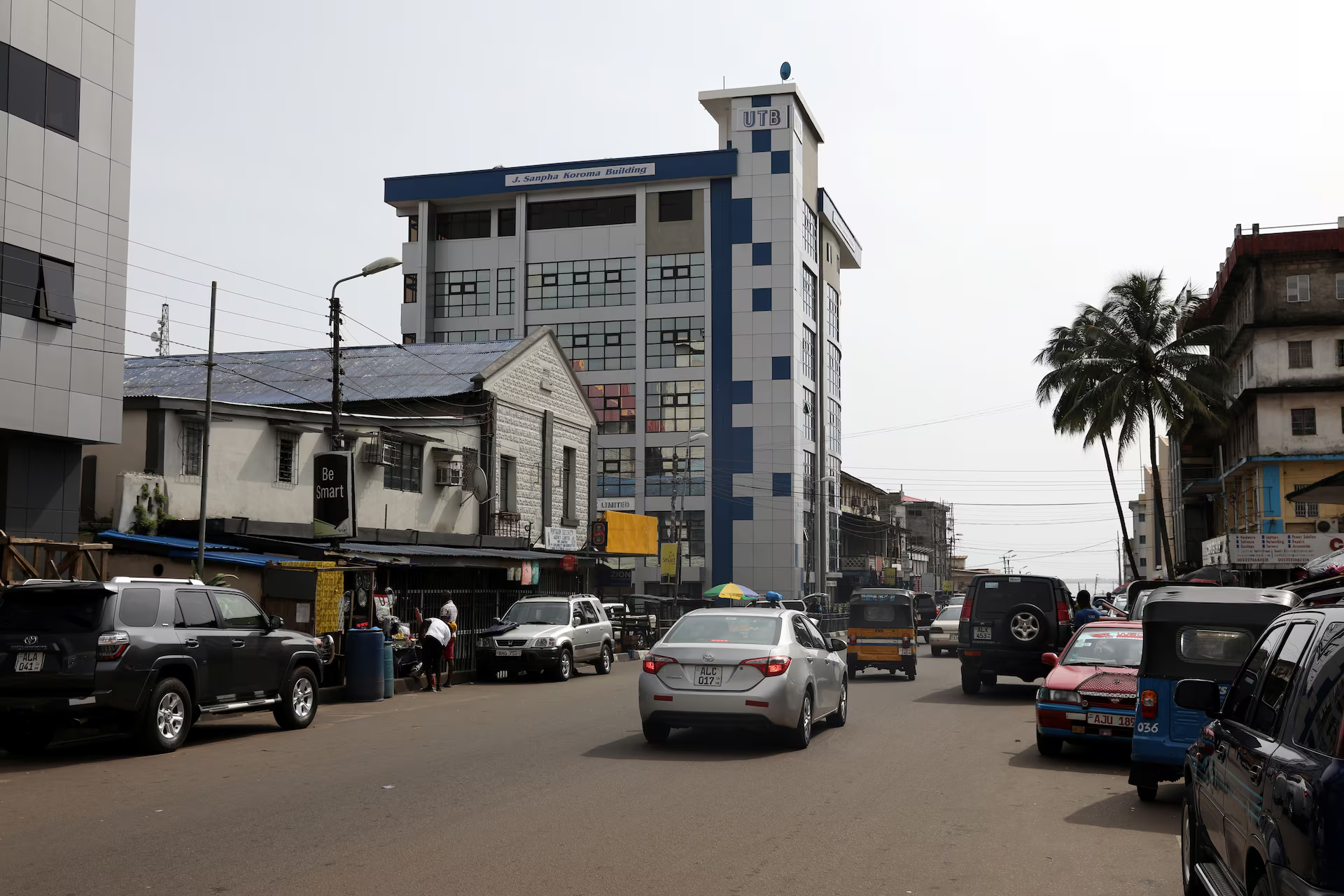
Founded in 1995 by Dr. James Sanpha Koroma — himself a former Governor of the Bank of Sierra Leone — UTB was the country’s only privately owned indigenous commercial bank, a rare homegrown institution in a sector long dominated by the state and foreign capital.
On Wednesday, that experiment came to an end.
Sierra Leone’s central bank formally shut down UTB, declaring it insolvent after what it described as years of failed recovery efforts, and determining that the bank no longer met the statutory requirements to operate as a licensed commercial bank following extensive supervisory measures over the past five years.
The announcement was made by Bank of Sierra Leone Governor Ibrahim Stevens at a press conference in Freetown.
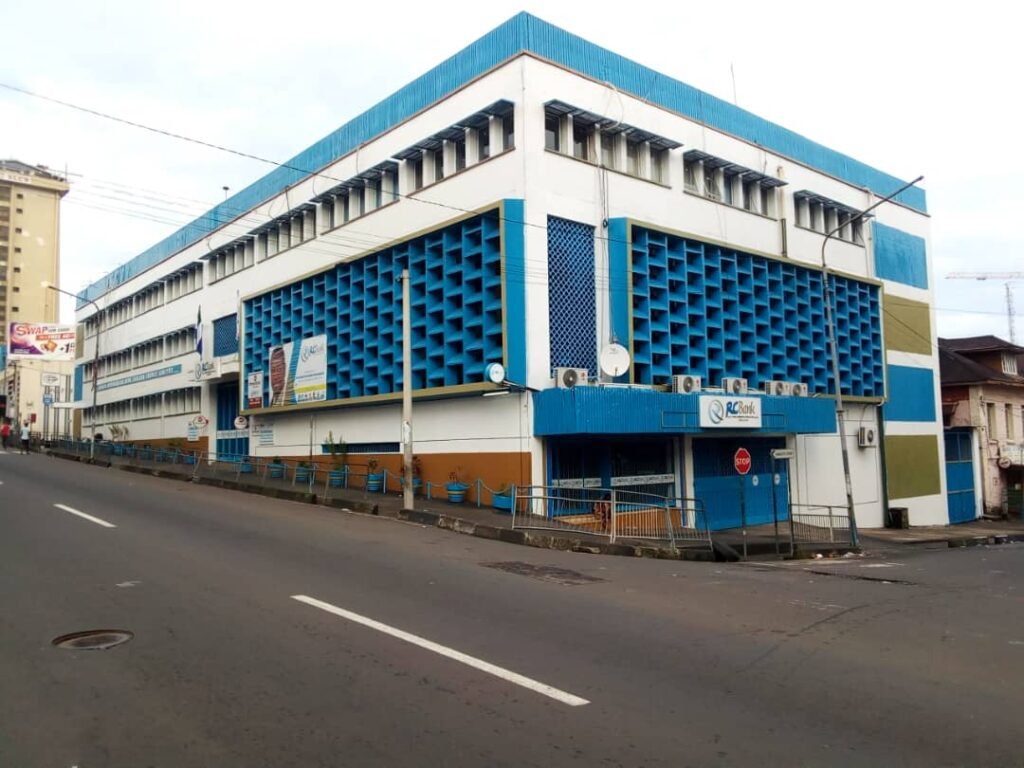
State-controlled Rokel Commercial Bank has absorbed UTB’s assets and liabilities under a purchase and assumption arrangement, drawing the curtain on the 31-year-old institution.
A Deterioration Years in the Making
The collapse did not arrive without warning.
According to Deputy Governor for Financial Stability Alfred W. B. Samah, UTB had been unable to meet capital requirements since 2018. By the time of closure, the bank’s net worth had deteriorated to approximately negative Le515 million, with projected obligations reaching Le270 billion through to 2027.
Speaking bluntly to UTB staff on the eve of the takeover, Mr. Samah left little room for ambiguity. He told employees that if all of UTB’s assets were liquidated and the proceeds combined, they would still be insufficient to repay depositors in full.
The central bank had repeatedly requested capital restoration plans, but retained earnings turned negative, and the bank’s financial position continued to spiral.
Development partners, including the IMF and World Bank, had separately flagged concerns about UTB’s financial health. A World Bank-funded assessment conducted in 2024 returned findings described internally as “not encouraging.”
The timing of the final intervention adds a poignant dimension to the story. The Bank of Sierra Leone placed UTB under caretaker management in early December 2025, shortly after the death of its founder, Dr. Koroma.
The institution he had spent three decades building was effectively placed in receivership within weeks of his passing.
Resolution, Not Liquidation
Regulators have been careful to frame the closure as a resolution action rather than outright liquidation — a distinction with significant implications for depositors and staff.
The Bank of Sierra Leone assured customers that all deposits remain safe and that banking services will continue without interruption. UTB employees are expected to be absorbed into Rokel Commercial Bank as the integration progresses.
Deputy Governor Samah underscored the difference: resolution, he explained, is a process in which the central bank intervenes when a financial institution’s condition is severely impaired, takes control, and seeks to reorganise or transfer its operations — rather than simply winding the institution down.
For ordinary account holders, the practical effect may be limited. For shareholders, it is altogether different.
Shareholders Cry Foul
The closure has drawn immediate and sharp pushback from UTB’s owners. Shareholders described the decision as “premature and unnecessarily harsh” and called for the bank to be returned to them.
Their central grievance is not that the bank was in trouble — it is that they had a plan to fix it, and allege they were never given the chance.
Shareholders maintain that within one week of the central bank’s December 2025 intervention, they secured the required recapitalisation capital through a Sierra Leonean investor and submitted the relevant documentation to the Bank of Sierra Leone.
They say that more than six months passed without any formal acknowledgment or substantive response from regulators.
The shareholders have sought legal redress through the courts to challenge the regulator’s actions, but say the proceedings have yet to make meaningful progress.
The allegations, if substantiated, raise serious questions about regulatory due process — specifically, whether the central bank gave shareholders adequate opportunity to restore the institution before proceeding with forced acquisition by a state-owned rival.
What the Closure Means for Sierra Leone’s Financial Landscape
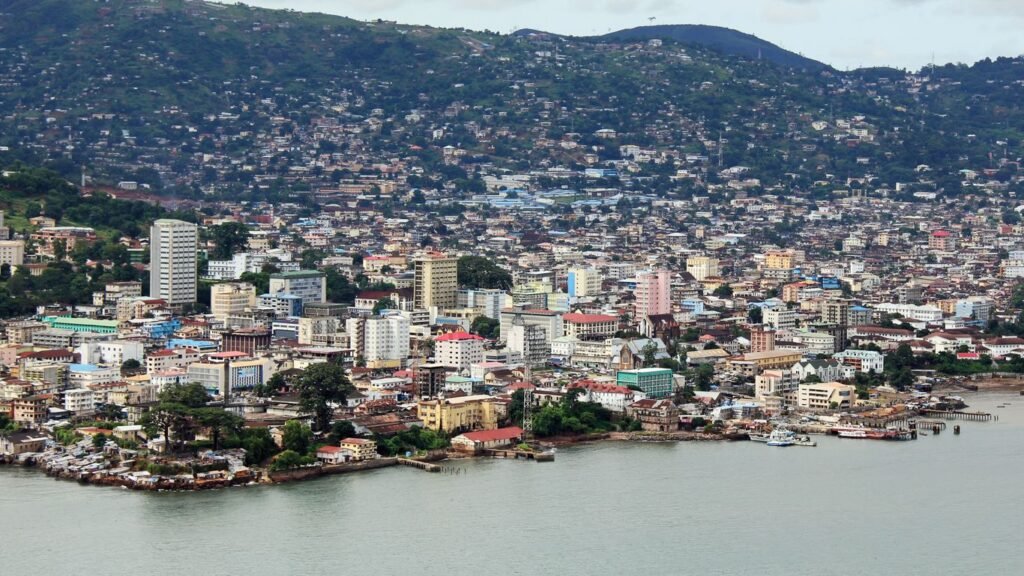
The disappearance of UTB marks a structural shift in a banking sector already heavily tilted toward foreign and state capital.
Sierra Leone’s commercial banking sector comprises fourteen banks, of which only two are domestically privately owned, ten are foreign-owned — predominantly Nigerian — and two are state-owned.
With UTB gone, private indigenous ownership in the sector has effectively been extinguished.
That matters for reasons beyond symbolism. Indigenous private banks, by their nature, tend to be more attuned to local business conditions and more willing to extend credit to domestic entrepreneurs who fall outside the risk appetite of multinational lenders.
UTB’s microfinance and SME lending operations served a constituency that the remaining banks may be less motivated to prioritise.
The episode also arrives at a moment when West African regulators are under scrutiny over how they handle distressed indigenous institutions — a debate that resonates beyond Freetown, with echoes in Ghana’s own banking sector cleanup a decade ago.
This article was edited with AI and reviewed by human editors