



Story Highlights
- Engineers & Planners (E&P), headed by Ibrahim Mahama, brother of President John Mahama, is refusing to relinquish the Black Volta gold mine despite two separate legal rulings ordering it to stop occupying the site
- The International Chamber of Commerce’s arbitration court in London and England’s High Court have both ruled against E&P; the company disputes it has occupied the mine and is challenging the orders
- Azumah Resources’ investors say E&P forged signatures and seized the site after failing to meet conditions of a 2023 acquisition agreement; E&P denies the allegations
- The row adds to mounting investor unease over Ghana’s mining sector, following separate arbitration disputes involving Cassius Mining and Blue Gold, and controversy over the awarding of the Damang mine to E&P
- A final arbitration ruling is expected in September
A mining firm run by the brother of Ghana’s president has refused to hand back a gold mine valued at roughly $100 million, defying an international arbitration ruling, according to court documents cited by Semafor, a US-based news outlet, on July 8.
Engineers & Planners (E&P), whose founder and chief executive, Ibrahim Mahama, is a brother of President John Dramani Mahama, is at the centre of a dispute with Azumah Resources, a gold explorer backed largely by US private equity investors.
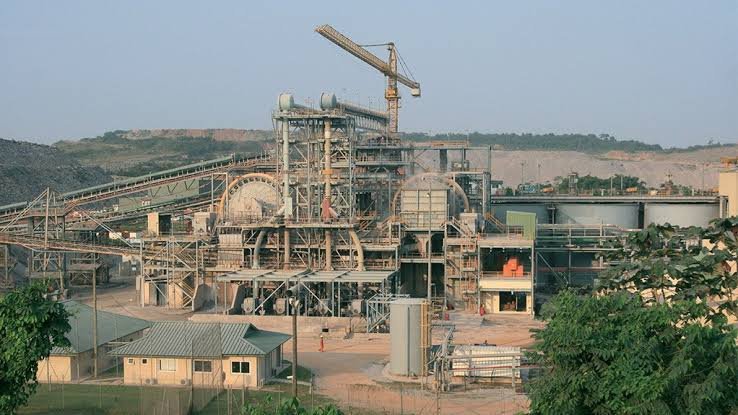
The current dispute is over ownership of the Black Volta mine in the Wa-Lawra gold belt of northwest Ghana. The area is regarded as one of the country’s most promising undeveloped gold reserves.
According to arbitration documents, E&P said Azumah’s shareholders offered it the right to acquire the Black Volta project for $100 million in 2023 under an earn-in agreement. Azumah’s investors dispute this account, saying any acquisition rights were contingent on E&P meeting a series of other obligations it did not fulfil.
Allegations of Forged Signatures
Azumah’s investors accuse E&P of seizing the site and forging signatures to facilitate a transfer of shares, saying the company never completed the terms required to take ownership. E&P has denied the allegations, and Azumah has denied selling or authorising any such sale.
E&P secured a $120 million loan from the ECOWAS Bank for Investment and Development in July 2025, which it said was intended to fund the acquisition of the site.
Two Rulings, Two Refusals
In a ruling dated October 23, 2025, the International Chamber of Commerce’s International Court of Arbitration, sitting in London, ordered E&P to stop trespassing on, occupying, or otherwise interfering with the Black Volta and Sankofa mine sites.
The arbitration proceedings were confidential, but details emerged months later during a subsequent hearing at the High Court of England and Wales, where Azumah’s investors sought enforcement of the ruling.
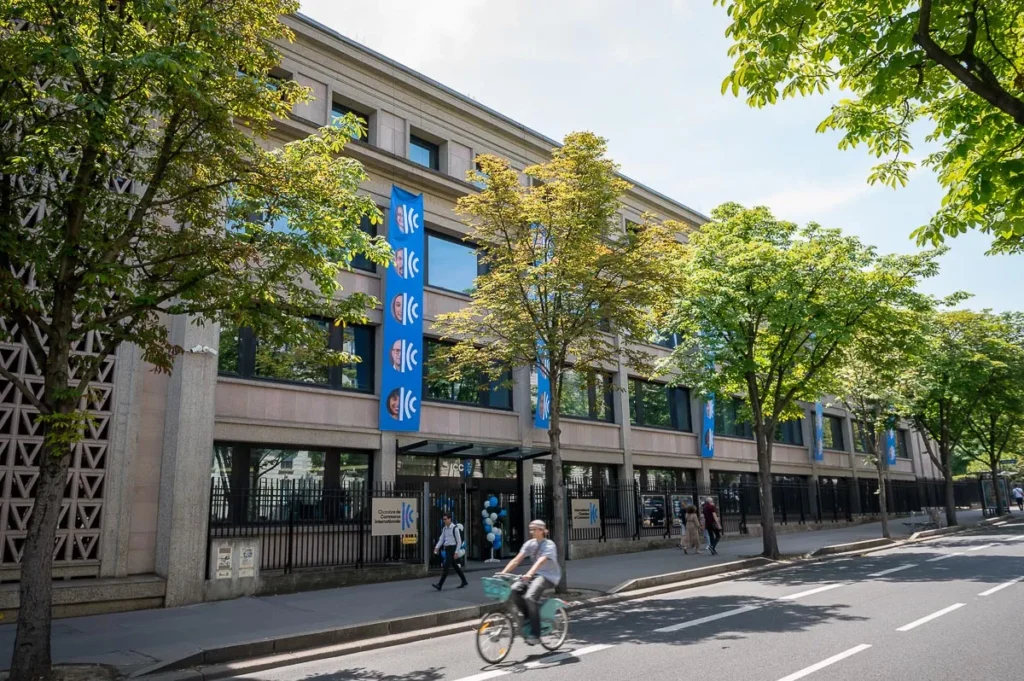
On June 8, 2026, the High Court ruled that E&P had failed to comply with the arbitration order. James Wallbank, managing partner of Ibaera Capital, a US private equity fund among Azumah’s investors, said both the arbitration court and the English High Court had, over nine months, issued repeated notices instructing E&P to cease trespassing and return the assets.
Bobby Banson, a lawyer representing E&P, denied the mine had been occupied, telling Semafor that E&P was “neither occupying the Black Volta Mines nor has it taken over the operations of the Mine or its resources.”
Banson said E&P had instructed its lawyers to seek to set aside the English court’s order, describing the continuation of proceedings and the subsequent ruling as “PR gimmicks.”
Both sides said the International Court of Arbitration is expected to deliver a final judgment at a hearing scheduled for September.
A Wider Pattern of Investor Unease
The Black Volta case is not an isolated dispute. Australian firm Cassius Mining and Nasdaq-listed, UK-headquartered Blue Gold are separately locked in arbitration proceedings against Ghanaian authorities, each seeking hundreds of millions of dollars over claims that mineral rights agreements were not honoured — allegations Ghana denies.
The controversy comes months after Ghanaian authorities rejected a bid by South African firm Gold Fields to continue operating the Damang gold mine, which it had run for more than two decades, in favour of E&P.
Government spokesperson Felix Kwakye Ofosu said President Mahama had recused himself from discussions on the Damang lease to avoid a conflict of interest given his brother’s role at E&P.
Opposition parliamentarians raised concerns at the time about a potential conflict of interest in the award.
Regulatory Overhaul Adds to Tension
The disputes have surfaced alongside a broader overhaul of Ghana’s mining regulations, part of the government’s “reset agenda.” New rules require surface mining to be carried out by wholly Ghanaian-owned companies, with underground operations at least 50 percent locally owned.
Ghana’s Minerals Commission has reportedly instructed international miners, including AngloGold Ashanti, Newmont, and Zijin Mining, to transition operations to local contractors by December 2026 or face sanctions.
An opinion piece in South Africa’s Daily Maverick last month questioned whether Ghana’s mining shake-up amounted to “a mere fig leaf for state capture,” while opposition politicians have accused the president of favouring family interests — accusations the government has repeatedly denied.
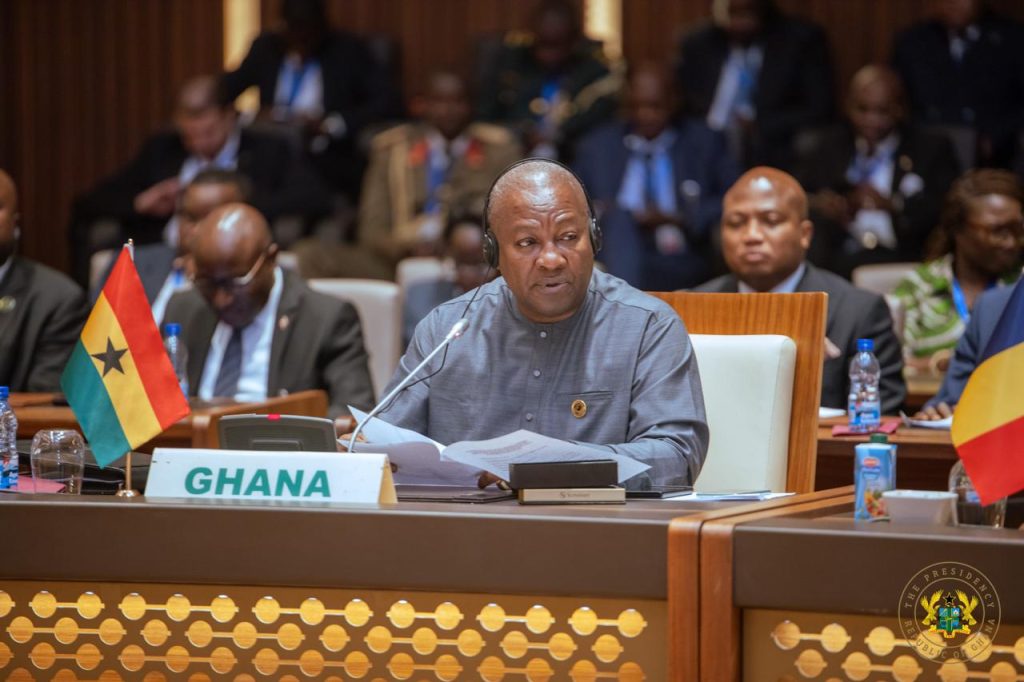
President Mahama, who returned to office in January 2025 for a second term, has said his administration is committed to ensuring the country’s natural wealth translates into long-term national value rather than continued extraction without transformation.
He has pointed to the creation of a new regulatory body in 2025 and a sliding-scale gold royalty system tied to bullion prices as evidence of a broader commitment to resource governance and transparency.
Ghana has long been regarded as one of the more investor-friendly jurisdictions on the continent, scoring more favourably than Nigeria and the Democratic Republic of Congo on ease-of-doing-business indexes.
Analysts have described the mining reforms as a form of “resource nationalism by regulation,” and the outcome of the Black Volta case — and the September arbitration ruling — is likely to shape how international investors weigh the risk premium attached to Ghana’s mining sector going forward.
This article draws on original reporting by Alexis Akwagyiram of Semafor Africa.
This article was edited with AI and reviewed by human editors



Follow