


Story Highlights
- Films reach Ghanaian cinemas not by purchase but through revenue-share licensing agreements, with studios typically claiming 50–60 percent of box office receipts in a film’s opening weeks
- Movies are delivered as encrypted digital files called Digital Cinema Packages (DCPs), which cannot be played without a separate digital “key” issued by the distributor for specific dates and locations
- Ghana’s cinemas likely obtain many international titles through regional distributors based in Lagos rather than negotiating directly with Hollywood studios, adding a further commercial layer between the studio and the local screen
- Ghana’s cinema culture collapsed almost entirely between the 1980s and 2000s, with state-owned theaters shuttered or converted into churches before Silverbird’s 2008 arrival reintroduced mall-based multiplexes
- High capital costs, licensing complexity and the absence of a strong domestic distribution infrastructure have kept new entrants from challenging Silverbird’s position in Accra’s cinema market
ACCRA — Every week, new titles appear on the marquees at Silverbird Cinemas’ two Accra locations, Accra Mall and West Hills Mall.
Movie goers head to the concessions, buy popcorns and snacks, then head inside their designated cinema hall to watch a movie.
Few patrons are likely to think about the layers of licensing, encryption and regional distribution deals required to get that film onto the screen.
But not all popular movies make it to the big screen in Ghana.
We break down why a movie you’re looking forward might not make it to the Silverbird screen and why, in a country of more than 30 million people, that same Silverbird cinema, has faced almost no serious multiplex competition since establishing itself in Accra in 2008.
A License, Not a Purchase
Cinemas do not buy the films they screen. What Silverbird and other exhibitors acquire is a temporary license to exhibit a title, typically structured as a share of box office revenue rather than a flat fee.
Industry-standard terms give studios and distributors 50 to 60 percent of ticket revenue during a film’s opening weeks, with the exhibitor’s share rising the longer a film stays on release.
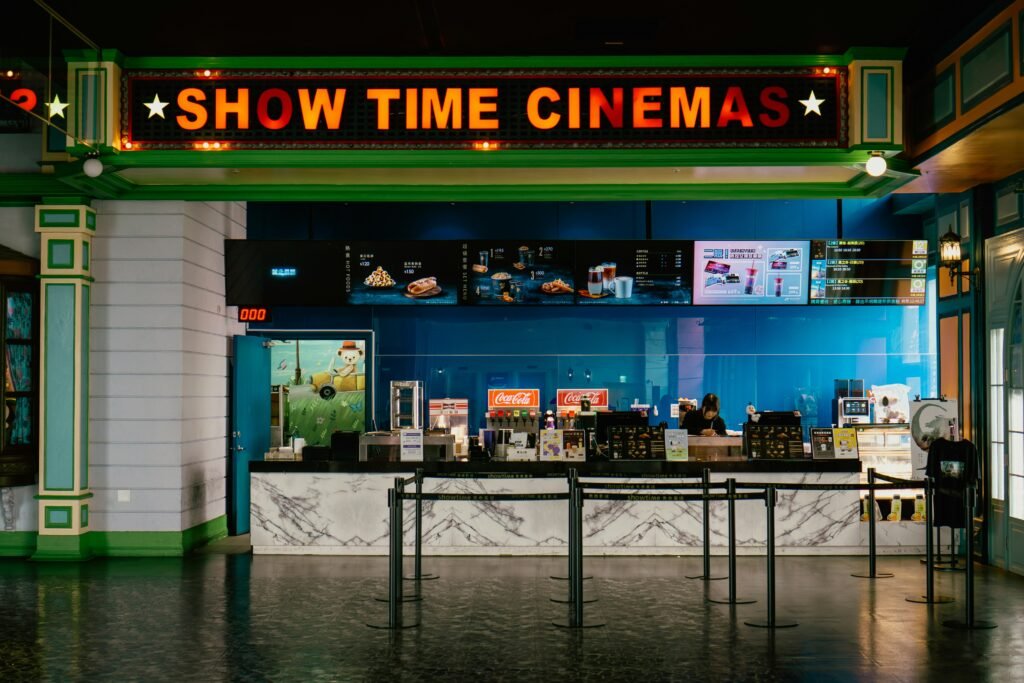
That structure explains a pattern familiar to Ghanaian moviegoers: films that have been running for three weeks or more are usually discounted, because the cinema is by then keeping a larger portion of each ticket and can afford to lower the price to sustain attendance.
But that’s not always the case.
Booking a film is not automatic. A cinema requests a title, and the distributor decides whether to grant it based on projected demand, market conditions and, in some cases, exclusivity arrangements with rival chains.
Approval can take weeks, which is why smaller and regional cinemas — particularly outside major markets — often submit several title requests at once rather than relying on a single choice clearing in time.
The Digital Lock and Key
Since the industry’s shift away from 35mm film reels, virtually all commercial screenings run on Digital Cinema Packages, or DCPs — encrypted files, often exceeding 200 gigabytes, that are delivered to cinemas either over secure internet transfer or by physical hard drive.
A DCP alone cannot be played. Each one is paired with a Key Delivery Message, or KDM, a separate digital key generated by the distributor and locked to a specific cinema’s server and screening dates.

This system gives distributors precise control over when and where a film can be shown, preventing early or unauthorized screenings and enforcing release windows across different markets.
It also means a cinema’s ability to show a film on a given date depends on the distributor issuing the correct key in time — an added layer of technical and logistical dependency that sits on top of the commercial licensing terms.
Who Actually Supplies Ghana’s Screens
Major Hollywood studios — Disney, Warner Bros., Universal, Paramount — typically negotiate directly with large theater chains in bigger markets. In much of West Africa, however, that direct relationship is less common.
Regional distributors, most notably Lagos-based FilmOne Distribution, operating since 2013, act as intermediaries: negotiating rights with studios and then sublicensing titles to individual cinema chains across the region, including in Ghana.
Silverbird’s own corporate structure complicates this further. Its Nigerian parent, Silverbird Group, maintains an in-house division called Silverbird Film Distribution alongside its cinema and production arms.
Whether Silverbird’s Accra screens draw international titles through this in-house distribution channel, through FilmOne or a comparable aggregator, or through some direct arrangement with individual studios is not publicly documented.
(The Labari Journal reached out to Silverbird by email and did not get a response at the time of publication)
What is clear is that at least one additional commercial layer — and one additional party taking a cut — typically sits between a Hollywood studio and a Ghanaian screen, a structure that does not exist in markets where exhibitors deal with studios directly.
Local Ghanaian and Nigerian productions appear to move through a separate, less formalized pipeline, with different — and often more flexible — commercial terms than those governing major international releases, reflecting the different risk and negotiating leverage involved.
Why No One Has Challenged Silverbird
Ghana once had a thriving cinema culture of its own. Accra alone was home to more than a dozen theaters in the mid-twentieth century — the Rex, Roxy, Orion, Opera, Regal and others — run partly by the state-owned Ghana Film Industry Corporation (GFIC) and partly by private owners.
That infrastructure collapsed over the 1990s and 2000s. The GFIC’s properties were eventually sold to Malaysian investors, who largely abandoned commercial film production.
Many of the old theater buildings were converted into churches or fell into disrepair as home video, and later Nollywood’s flood of direct-to-DVD productions, drew audiences away from cinema-going altogether.
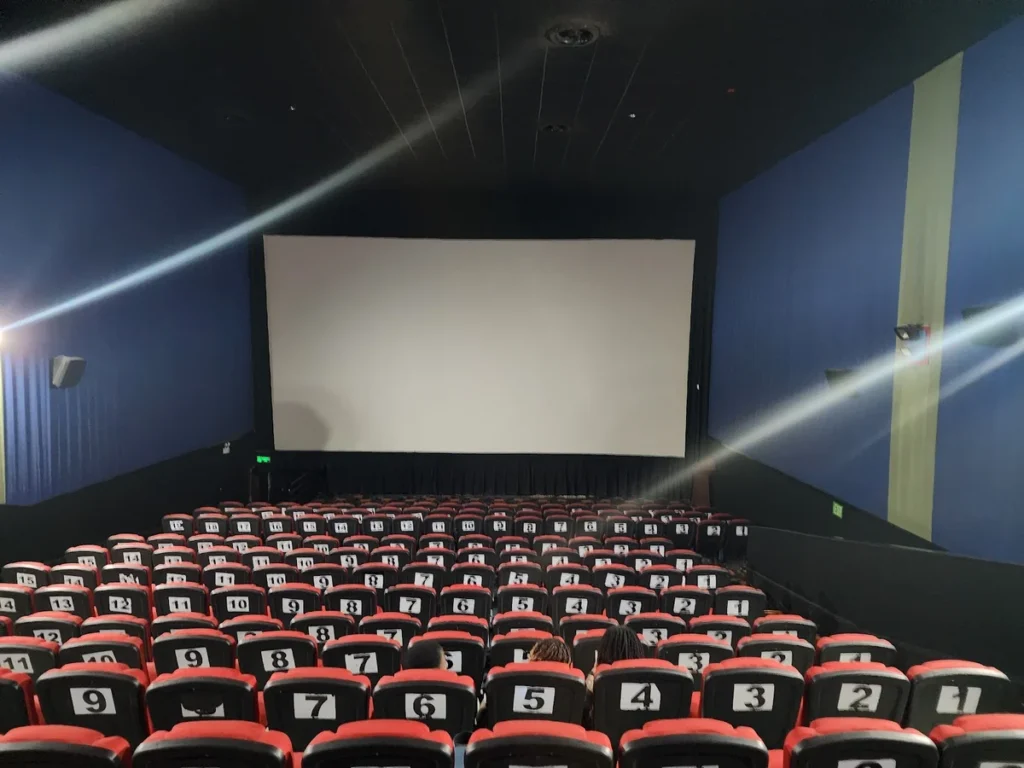
Silverbird’s 2008 opening at Accra Mall did not just add a competitor — it effectively reintroduced the multiplex model to Ghana after the near-total collapse of the sector. Since then, the barriers facing any prospective competitor have compounded rather than eased.
Building a modern multiplex requires substantial upfront capital: digital projection equipment, sound systems, premises typically located in shopping malls with the associated lease costs, and staff trained in a business that had largely disappeared from the country for a generation.
A new entrant would also need to establish its own relationships with studios or regional distributors — a process that took Silverbird’s own parent company years to build across Nigeria before it expanded into Ghana.
The result is a market where, nearly two decades after Silverbird’s arrival, mall-based cinema in Accra remains concentrated in the hands of a single operator running two locations.
Future of Cinema in Ghana
Current health of the Ghanaian cinema space is scarce. Silverbird does not publicly share box office receipts for public consumption.
The precise revenue splits negotiated between Silverbird Ghana and its distributors, the specific fees associated with DCP delivery and KDM issuance, and whether Silverbird Ghana licenses primarily through its parent company’s distribution arm, through FilmOne, or through direct studio deals are also not publicly disclosed.
The competition in Ghana is basically non-existent. A competiting cinema, Global Cinemas, opened in 2015, to compete with Silverbird.
However, it shut down primarily due to financial unviability, an inability to recover from prolonged COVID-19 pandemic closures.
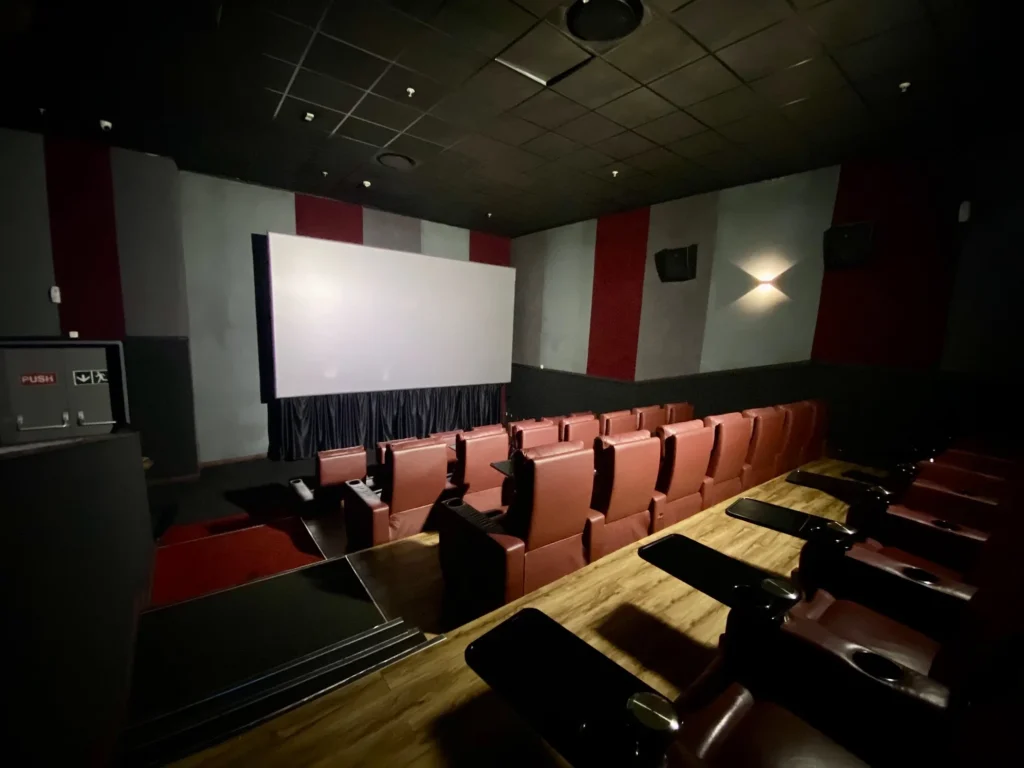
It was reported that they could not sustain its high operational overhead costs after public gatherings were halted, eventually leading the parent company, Functions Ghana, to lease or sell the building to a religious organization.
A competing cinema called Golden Eagle Cinemas, which appears to be best competition, currently operates only in Kumasi at the moment.
As streaming gets popular, with more cinema goers opting for services like Netflix and Amazon Prime to combat rising prices in food and ticket prices, the state of the cinema space in Ghana is up in the air.



Follow