


STORY HIGHLIGHTS
- TGN Digital Security Ghana Ltd and Swiss partner Orell Füssli Ltd warn that a new government e-Visa platform duplicates systems already built under a valid 10-year PPP contract
- The existing agreement, signed in 2020, was approved by Cabinet, authorised by the PPA, and ratified by Parliament — and has never been formally terminated
- Allegations have surfaced that Presidential Executive Secretary Callistus Mahama directed that the new contract be awarded to Rock Africa, a firm linked to businessman Francis Gavor
ACCRA, GHANA — When President John Mahama’s administration announced plans to launch a new electronic visa platform as part of Ghana’s digital border modernisation drive, it presented the move as a forward-looking reform.
What it apparently did not anticipate was a legal broadside from a company that says it is already doing the job.
TGN Digital Security Ghana Limited, alongside its Swiss partner Orrell Fussli Security Printing Switzerland Ltd (OFS), has formally notified the Presidency, the Ministry of Foreign Affairs, and other state institutions that the government’s planned e-Visa rollout duplicates infrastructure and systems already developed under a binding 10-year Public-Private Partnership agreement.
A Contract That Allegedly Never Died
At the heart of the controversy is a PPP agreement signed on February 20, 2020. According to TGN/OFS, the contract was approved by Cabinet, authorised by the Public Procurement Authority, and ratified by Parliament.
It covers the full automation of visa processing services, including e-Visa capabilities at Ghana’s foreign missions and at Accra International Airport.
The company says the contract’s initial support period runs from 2022 to 2027, with provisions for an automatic five-year extension thereafter.
Critically, TGN/OFS maintains that the agreement remains valid, active, and un-terminated — and that no breach notice, performance default notice, or termination procedure has ever been formally communicated to them by the government.
In previous news reports, the company rolled out initial installations for its e-visa system for Ghana missions in various parts of the world.
The Labari Journal reached out to OFS via email for comment on the story. We did not receive a response by the time of this publication.
Infrastructure Already on the Ground
The company’s claim is not merely contractual. TGN/OFS says it has already deployed significant infrastructure under the existing arrangement.
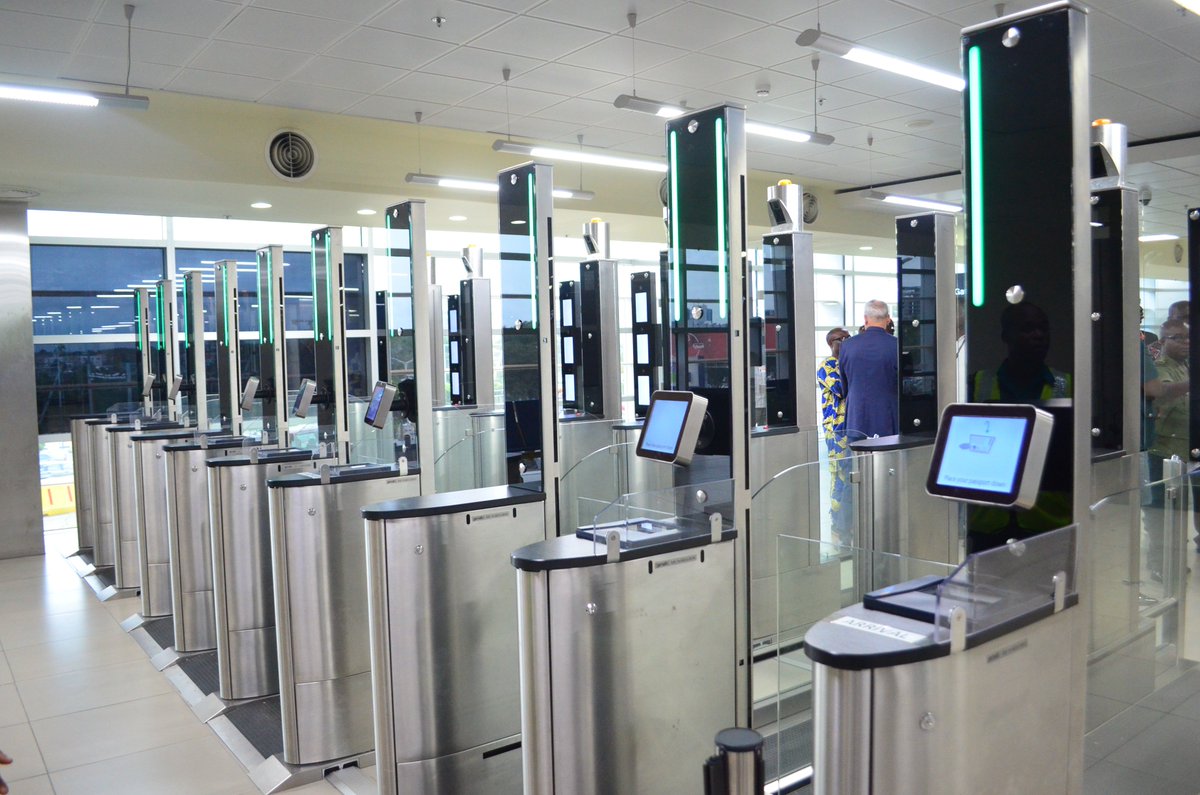
Systems described as operational include online visa application tools, payment processing platforms, and ICAO-compliant Digital Travel Authorisation documents.
Other systems include a centralised visa issuance database hosted at Ghana Immigration Service headquarters, public key infrastructure at the National Information Technology Agency, and verification systems at Accra International Airport.
The firm says these systems have been deployed across more than 40 Ghanaian diplomatic missions worldwide, and that it has invested heavily in local capacity building, technology transfer, and employment generation in line with Ghana’s local content policy objectives.
Against that backdrop, TGN/OFS warns that rolling out a separate third-party platform could produce fragmented visa data management, cybersecurity vulnerabilities, operational inefficiencies, and — pointedly — significant judgment debts for the state.
The Labari Journal reached out to the Ministry of Foreign Affairs via email for comment on the story. We did not receive a response by the time of this publication.
Allegations and Responses from the Minister
The dispute might have remained a dry contractual row were it not for allegations that give it a sharper political edge.
Claims have surfaced that Presidential Executive Secretary Callistus Mahama directed Foreign Affairs Minister Ablakwa to award the new e-Visa contract to Rock Africa, a company reportedly linked to businessman Francis Gavor.
The allegations further claim that despite multiple notifications sent to the Presidency and the Foreign Affairs Ministry, government officials failed to formally respond to the concerns raised by TGN/OFS.
These allegations, which have yet to be substantiated, suggest that the new platform is not simply a reform initiative but a contract award decision shaped by political direction.
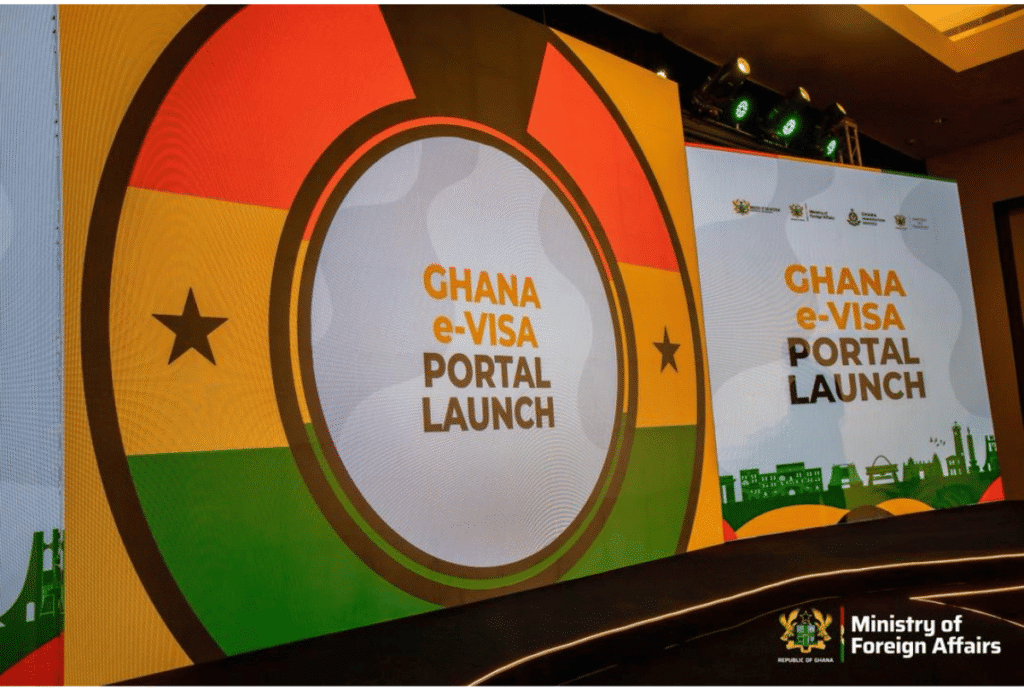
At the launch event of the e-visa platform, Minister of Foreign Affairs Samuel Okudzeto Ablakwa debunked claims of an existing contract for e-visas.
He noted that legal advice from the Attorney General confirmed that an earlier machine-readable passport agreement was entirely different from an e-visa arrangement.
Possible Legal Action
The government faces a narrow path forward. Proceeding with a new platform without engaging TGN/OFS risks litigation and the very judgment debts the company has flagged.
Structured renegotiation — bringing the existing contractor into the new framework — may be the least legally hazardous route, but it requires the government to first acknowledge a contract it has.
The question is whether the government will eventually do that.
This article was edited with AI and reviewed by human editors



Follow