Story Highlights
- Cameroon’s parliament is examining a constitutional bill to reintroduce the position of Vice President, abolished over 50 years ago
- The Vice President would be appointed — and dismissed — solely by the president, raising concerns about democratic accountability
- The ruling party holds an overwhelming parliamentary majority, making passage of the bill virtually certain
YAOUNDÉ, Cameroon — In a country where the health of the president is a matter of state secrecy, the question of what comes next has long hung over Cameroon like an unspoken storm.
Now, Yaoundé appears to be preparing an answer.
A joint session of Cameroon’s National Assembly and Senate began examining a constitutional amendment bill that would reintroduce the post of vice president — a figure who could complete the mandate of the 93-year-old president in the event of his death or incapacity.
A Role Buried in 1972, Resurrected in 2026
The position of Vice President had been abolished during a constitutional revision, replaced at the time by the office of Prime Minister. Its reintroduction signals a return to a dual executive structure at the highest level of the state.
The draft legislation stems directly from President Paul Biya’s commitments made during his swearing-in ceremony on November 6, 2025, where he signalled a period of reform aimed at enhancing state efficiency by adapting institutions to evolving national and global demands.
The bill marks a significant departure from the institutional framework established in 1972 and modified in 2008.
Under the proposed amendments, key constitutional provisions would be revised, now explicitly allowing the president to be assisted by a Vice President.
Who Controls the Number Two
Perhaps the most debated detail of the bill is not who will fill the vice presidency, but who controls it.
According to the draft bill, the vice president would be appointed and dismissed by the president, and would serve for a duration that may not exceed the president’s seven-year mandate.
There is no electoral mandate, no independent popular legitimacy — only the confidence of the sitting head of state.

The proposed vice president would also be subject to strict accountability measures, including asset declaration requirements and oversight by the Court of Impeachment, similar to those applied to the president and other senior officials.
Critics, however, argue that accountability provisions matter little when the person holding the office serves entirely at the pleasure of the president.
The Succession Question No One Can Officially Ask
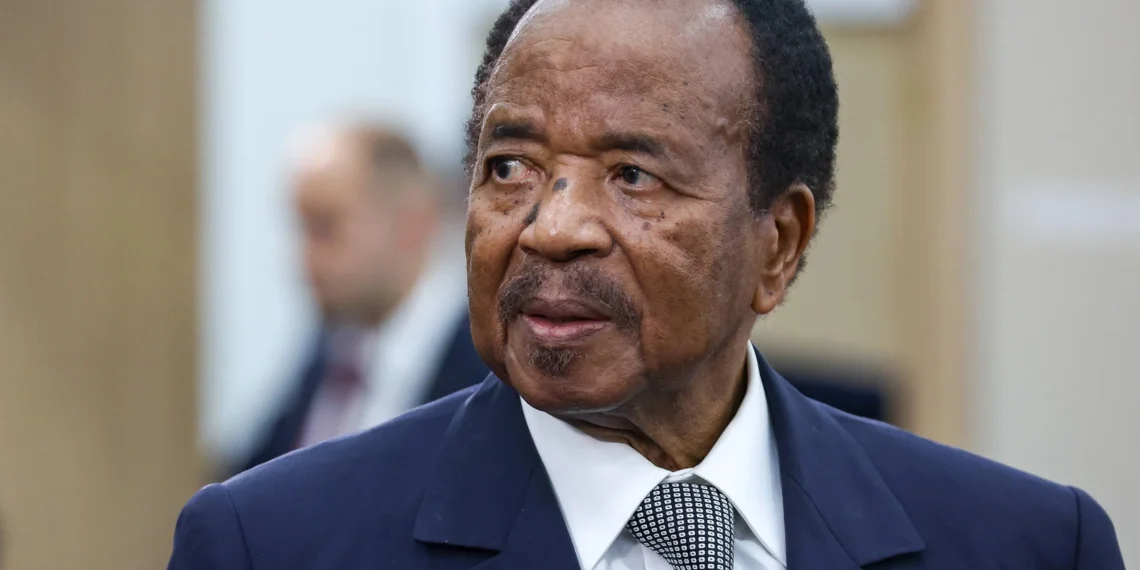
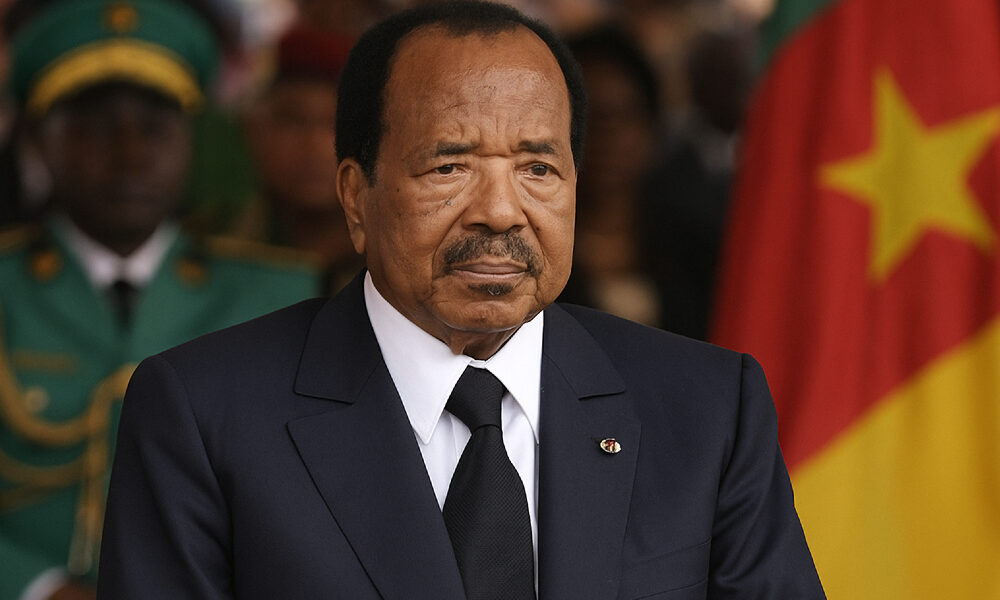
President Paul Biya has ruled the oil- and cocoa-producing Central African nation since 1982 and is the world’s oldest serving ruler.
In the event of a vacancy caused by death, resignation, or permanent incapacity, the vice president would automatically assume office and complete the remainder of the term.
Should both the president and vice president be unable to serve, the bill provides for the organisation of fresh presidential elections, with the President of the Senate acting as interim head of state.
The draft bill also states that the interim president would not be able to trigger a constitutional revision or run for office — a clause designed, at least on paper, to prevent any successor from immediately entrenching themselves further.
A Foregone Conclusion?
Whatever the debate, the political math is settled. With the overwhelming majority of the ruling Cameroon People’s Democratic Movement in both chambers, the adoption of the bill appears almost certain.
The introduction of a vice president could significantly reshape Cameroon’s political landscape, strengthening the executive branch while reducing reliance on transitional arrangements managed by Parliament.
Whether that amounts to institutional progress or institutional entrenchment may depend entirely on who Paul Biya ultimately chooses to place one step away from the presidency.
This article was edited with AI and reviewed by human editors