Story Highlights
- 81 of 107 Big Push road contracts worth GH₵73 billion were awarded without competitive bidding — about 76% of all contracts in just 7 months.
- Mahama pledged at two consecutive State of the Nation Addresses to ban sole-sourcing, and his Majority Leader declared “the era of the sole-sourced contract is dead” — right as the practice was accelerating.
- The Roads Minister disputed The Fourth Estate’s figures, claiming only 44% were sole-sourced, and argued Ghana’s road emergency justified bypassing normal procurement rules.
- The gap between the government’s 44% and The Fourth Estate’s 76% comes down to differing datasets — with the critical twist that journalists used the ministry’s own RTI data against it.
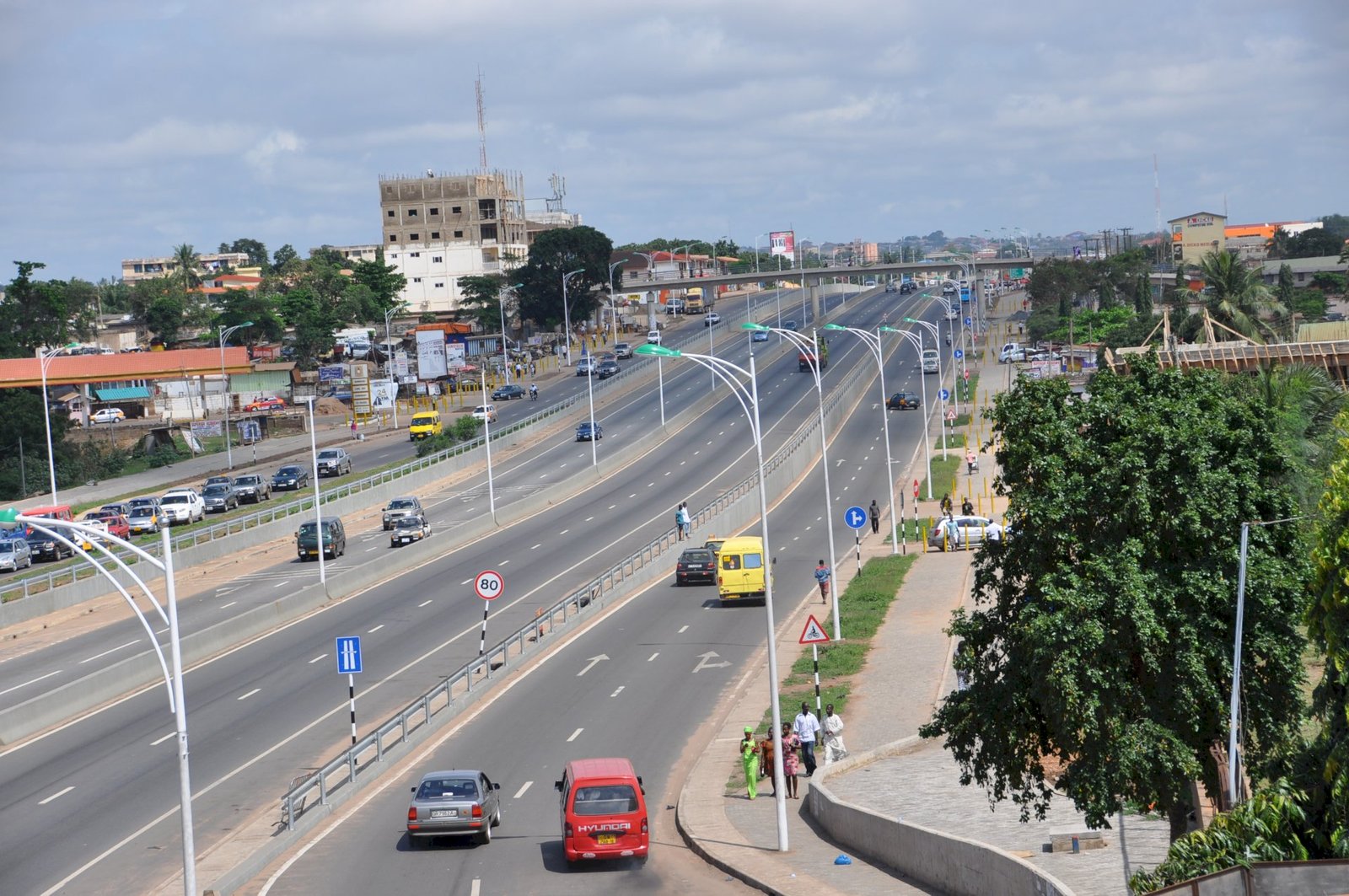
Ghana’s investigative media landscape was set ablaze this week after The Fourth Estate — the investigative arm of the Media Foundation for West Africa — published a report revealing the scale of sole-sourced contracts awarded under President John Mahama’s flagship “Big Push” infrastructure programme.
The report has ignited a fierce national debate touching on transparency, political hypocrisy, the rule of law, and the integrity of Ghana’s public procurement system.
What The Fourth Estate Actually Found
Using data obtained through Right to Information (RTI) requests, The Fourth Estate reported that 81 sole-sourced contracts valued at more than GH₵73 billion were awarded within seven months under the Big Push initiative, and that approximately 76% of contracts awarded between September 2025 and February 2026 were through sole sourcing.
The outlet further reported that 90% of the total amount of money expected to be spent on roads under the Big Push programme so far had been disbursed through sole-sourcing.
Of the 107 contracts awarded without a competitive selection process, 81 were sole-sourced to the tune of GH₵73 billion, while the remaining 26 contracts worth about GH₵8 billion were awarded through selective tendering.
The Law Is Clear — But Has Exceptions
The controversy is rooted partly in what Ghana’s procurement law says — and what it permits under pressure.
Ghana’s Public Procurement Act (Act 663) frowns on the regular and unjustified use of sole-sourcing. It only permits it under exceptional circumstances.
Section 40(1) of the law prescribes exceptional cases to include circumstances where goods, works, or services are only available from a particular supplier or contractor who has exclusive rights to them or when there is an urgent need during catastrophic moments or emergencies during which using other procurement methods would be impractical.
This legal framework is at the heart of the dispute: was the urgency around Ghana’s roads genuine enough to justify bypassing competitive tendering on this scale, or did the government stretch the definition of “urgency” far beyond its intended scope?
The Hypocrisy Charge: The NDC’s Past Positions
The Mahama administration is being accused of hypocrisy after awarding 107 road contracts without a competitive selection process, given that the administration was vocal in its opposition to sole sourcing under the Akufo-Addo administration it replaced.
This is not a minor inconsistency.
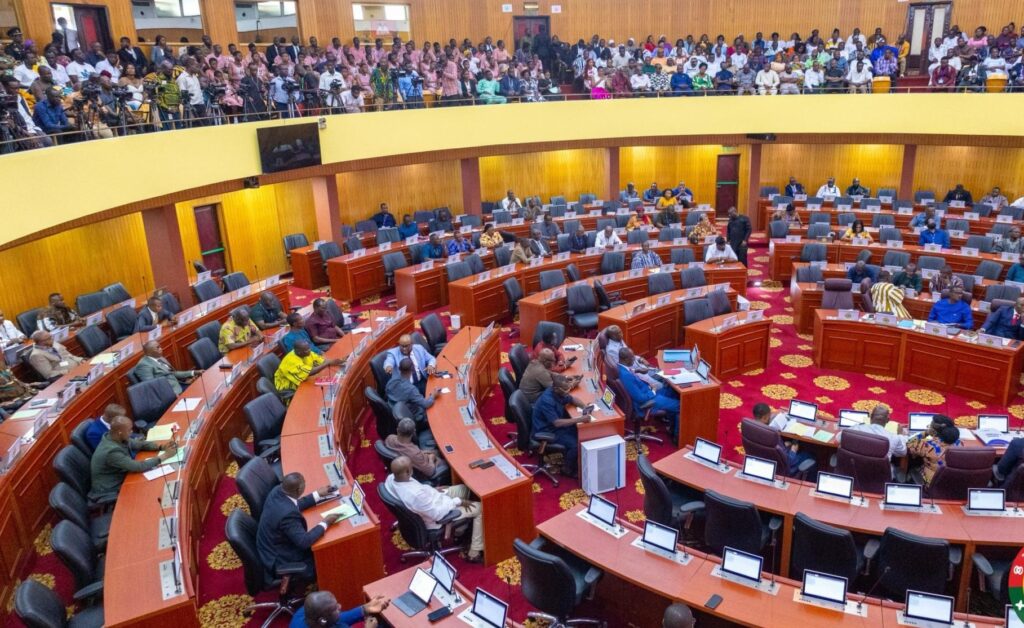
The majority leader and leader of government business in Parliament, Mahama Ayariga, audaciously proclaimed to Parliament on March 11, 2026, that “let it be known, the era of the sole-sourced contract is dead.”
That statement now reads as deeply ironic given the Fourth Estate’s findings.
The controversy carries particular political weight because President John Mahama pledged during his State of the Nation Address to minimise sole-source procurement and encourage competitive bidding.
He repeated the commitment at the 2026 State of the Nation Address in February, telling Parliament that legislation would be introduced to ban sole-sourced contracts except in exceptional circumstances.
The Government Pushes Back
The government has pushed back after the release of The Fourth Estate’s report.
Roads and Highways Minister Kwame Governs Agbodza told Parliament that only 44% of the major contracts under the initiative were sole-sourced, and that more than 400 contracts had been awarded through open competitive tendering, which he described as unprecedented for the sector.

The Minister explained that a mix of procurement methods was used in line with the laws of Ghana, and that all projects awarded under the Big Push programme have been published on the ministry’s website.
However, there is a significant factual dispute at the core of this defence.
The Minister’s claim that contracts were procured predominantly through restrictive tendering was at odds with data obtained by The Fourth Estate from his own Ministry and the Ghana Highway Authority.
This contradiction between a minister’s public statements and official data obtained by journalists through RTI is itself a major red flag for accountability advocates.
NDC Communications Officer Sammy Gyamfi also waded in, arguing that the urgency of Ghana’s deteriorating road network justified the approach.
He explained that the surveying, designing, and costing of the Big Push road projects alone took the Ministry approximately seven months, and that relying on National Competitive Tendering could have delayed project commencement by several more months, pushing completion timelines beyond 2028.
Gyamfi stated there was “not a scintilla of evidence” to support claims that the projects were unlawful or that costs were inflated, insisting that all sole-sourced contracts received prior Public Procurement Authority (PPA) approval.
Civil Society and the Opposition Weigh In
Multiple civil society leaders who spoke to The Fourth Estate condemned the ministry’s over-reliance on sole-sourcing, arguing it undermines transparency and value for money, and betrays the President’s own promises.
Programme Manager for the Independent Journalism Project at the Media Foundation for West Africa, Kwaku Krobea Asante, said the growing reliance on sole sourcing by governments reflects a troubling pattern where political promises on procurement reform are often abandoned once in power.
He further warned that such inconsistencies risk undermining the core objectives of Ghana’s procurement framework — particularly transparency, competitiveness, and value for money.
From Parliament, the opposition was equally sharp. Kennedy Osei Nyarko, Ranking Member of Parliament’s Roads and Transportation Committee, said the Big Push initiative has the potential to improve connectivity and open up major economic corridors.
However, he called on the government to publish the full details of all contracts awarded under the programme so that Ghanaians could independently assess the policy.
Why the Numbers Themselves Are Disputed
Adding another layer of controversy is the fact that the government and The Fourth Estate appear to be talking about different datasets.
The discrepancy between the government’s 44% figure and The Fourth Estate’s 76% figure reflects differing definitions — the Minister’s own interview acknowledged a mix of procurement methods: 50 projects issued under commitment authorisation, 47 procured through sole sourcing, and seven through restricted tendering.
The government also sought to clarify that some reports erroneously included 23 inherited road projects — initially awarded by the previous NPP administration — as part of the current government’s sole-sourced contracts.

These projects, including the Suame Interchange, Ofankor-Nsawam, and Adenta-Dodowa roads, were not re-awarded but simply novated and funded under the Big Push programme.
Whether this nuance exonerates the government or merely reduces the headline figure is itself a matter of fierce debate.
Why It Matters Beyond the Numbers
At its core, this story is about more than procurement statistics. It is about whether a government that rode to power partly on a transparency and anti-corruption platform is willing to live by those principles once in office.
Policy analyst Alfred Appiah stressed the inherent risks of sole-sourcing within Ghana’s political context, including inflated costs, incompetent contractors, and political favouritism.
The Fourth Estate’s investigation is controversial precisely because it holds power to account using the government’s own data — obtained through RTI requests — and the government’s own past words.
Whether one believes the Big Push’s urgency justifies the procurement approach or not, the gap between President Mahama’s pledges on transparency and what the data shows is a legitimate public interest story.
This article was edited with AI and reviewed by human editors