


STORY HIGHLIGHTS
- Multiple TikTokers, bloggers, and activists have been arrested in Ghana since 2025 for social media posts critical of President John Mahama and government officials
- Authorities are invoking two statutes — Section 208 of the Criminal Offences Act (1960) and Section 76 of the Electronic Communications Act (2008) — both long condemned as relics of colonial-era repression
- President Mahama, who publicly denounced the same enforcement pattern under his predecessor, now presides over its escalation
- A proposed new bill — the MDHI Act — promises to repeal the twin laws but critics say it replicates their worst features
In August 2025, two TikTok content creators known as Fante Comedy and Akosua Jollof went live on their platforms and made comments about a fatal military helicopter crash — comments that touched on President John Mahama. Within hours, they were in police custody.
That same month, two other TikTokers, Prince Ofori and Yayra Abiwu, were arrested for allegedly making threats against President Mahama and First Lady Lordina Mahama.
By September, the pattern had widened. Four opposition-aligned TikTok content creators were arrested in a sweep that prompted sharp criticism.
In November, blogger Samuel Amadotor was detained following a complaint by a former National Communications Authority (NCA) Board Chairman, and Democracy Hub activist Wendell Nana Yaw Yeboah was arrested after a petition from three regional ministers over allegations he had linked them to illegal mining.
The arrests have prompted criticisms by the Minority in Parliament of the current government administration over free speech and censorship.
Other civil service organisations have expressed concern over the use of decade-old laws to arrest persons who have been overly critical of the President or public figures.
They have stated that the current laws need to be amended.
The government has denied that the recent arrests have been politically motivated.
The ‘Twin Laws’ That Never Left
Every one of these arrests traces back to the same pair of statutory provisions that civil society groups have spent years trying to bury.
Section 208 of Ghana’s Criminal Offences Act (Act 29, 1960) reads: “A person who publishes or reproduces a statement, rumour or report which is likely to cause fear and alarm to the public or to disturb the public peace knowing or having reason to believe that the statement, rumour or report is false commits a misdemeanour.“
The second instrument is Section 76 of the Electronic Communications Act (Act 775, 2008), which imposes criminal liability for sending false or misleading electronic communications.
Together, press freedom advocates have branded these the “twin laws” — the surviving progeny of a criminal libel regime Ghana formally abolished in 2001. Section 208 was inherited from British colonial rule and drafted as far back as 1893.
Critics argue it is so vague and expansive that it imposes criminal liability on almost any form of speech that an enforcer considers capable of causing fear and alarm — a breadth that was, by design, meant to suppress agitation for independence.
Ghana officially repealed its criminal libel and seditious law on July 27, 2001.
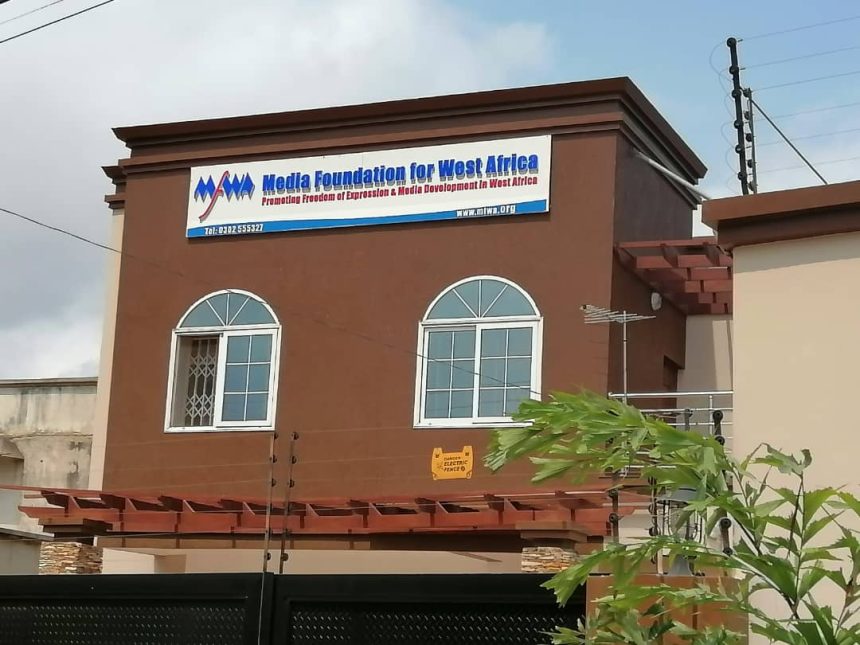
Yet in the years since, Sections 208 and 76 have proven to be vestiges of that repealed regime — like, as the Media Foundation for West Africa (MFWA) put it, “two ugly sisters of the criminal libel law who never left with her.”
The Convenience of Vagueness
The laws’ defenders argue they target false information that endangers public order — not political criticism per se. But legal analysts say the distinction collapses in practice.
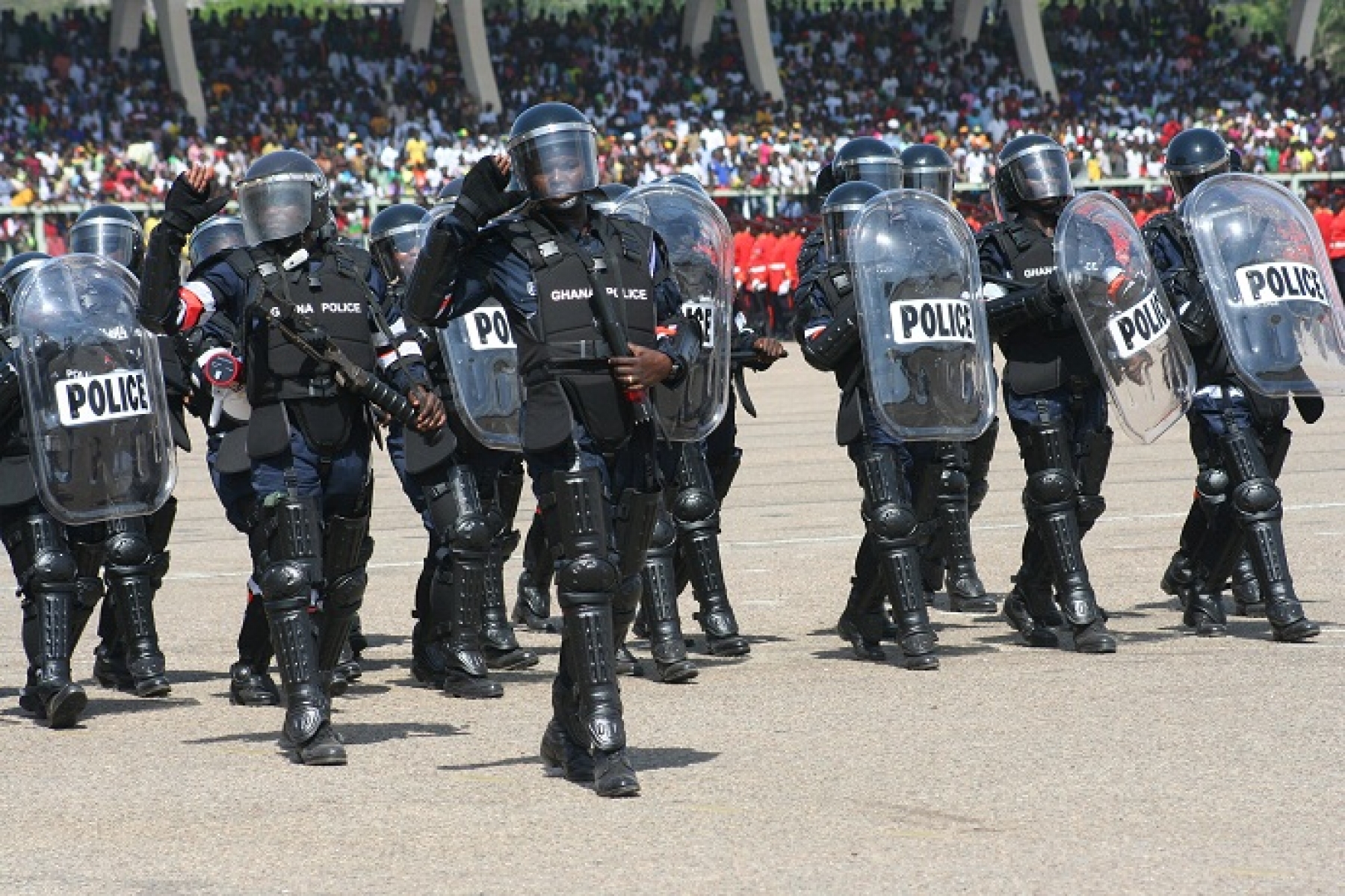
Security agencies, particularly the Ghana Police Service, are widely accused of abusing the law.
The popular argument among legal experts is that if public officials feel defamed by a publication, the appropriate recourse is civil action — not criminal arrest.
The state, it is further argued, has ample resources to counter false publications by simply putting out the facts.
A conviction under Section 208 can carry up to three years in prison — sanctions critics say would be disproportionate if imposed at their maximum without accounting for context.
In at least one documented case in 2025, a TikToker received a seven-month custodial sentence.
What makes the pattern particularly troubling, civil society groups argue, is the role of institutions beyond the police.
The MFWA notes with deep concern that the Ghana Police Service, National Security, and other state security apparatus are increasingly being deployed as tools for settling reputational disputes involving public officials — bypassing established civil remedies in favour of custodial intimidation.
President Mahama’s Uncomfortable Mirror
The political dimension of the crackdown has become impossible to ignore. As an opposition leader in 2022, John Mahama reportedly condemned the then-ruling government for “criminalising speech and journalism.”
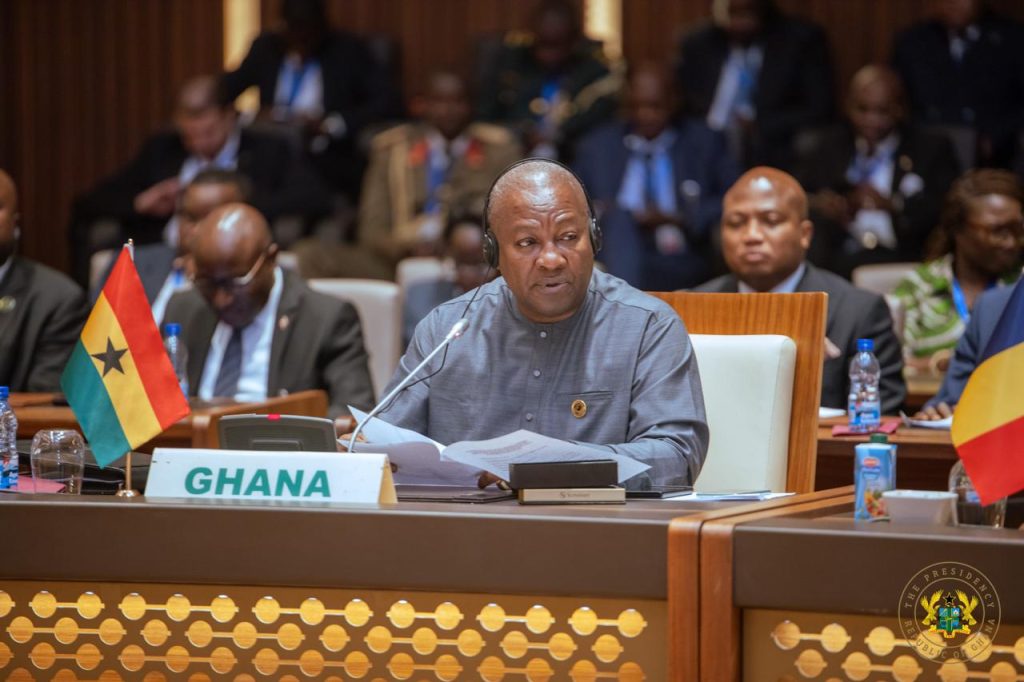
In a letter to President Akufo-Addo dated February 11, 2022, Mahama wrote: “I am appalled at the growing criminalisation of speech and journalism in Ghana, under your watch, in this 21st century.“
That letter is now being quoted back at him.
Critics and journalists are asking why the same standard he applied to Akufo-Addo cannot now be applied to him, given that his government has arrested multiple TikTokers and journalists under comparable circumstances.
A New Bill With Old Habits
The Mahama administration has framed its approach partly around proposed new legislation — the Misinformation, Disinformation, Hate Speech and Publication of Other Information (MDHI) Bill, 2025.
The Minister of Communication announced in July 2025 that the bill would “strengthen legal safeguards against the deliberate creation and spread of false or harmful digital content.”
But the bill has drawn fierce pushback from virtually every major media organisation in Ghana.
The MFWA warns that the bill’s objectives are broad and sweeping and, when read together with its custodial sentences, risk reintroducing the criminal libel and seditious provisions repealed in 2001.
It also proposes a licensing-based sanction system for media and content creators — contradicting Article 162(3) of Ghana’s Constitution, which prohibits censorship of the media through licensing.
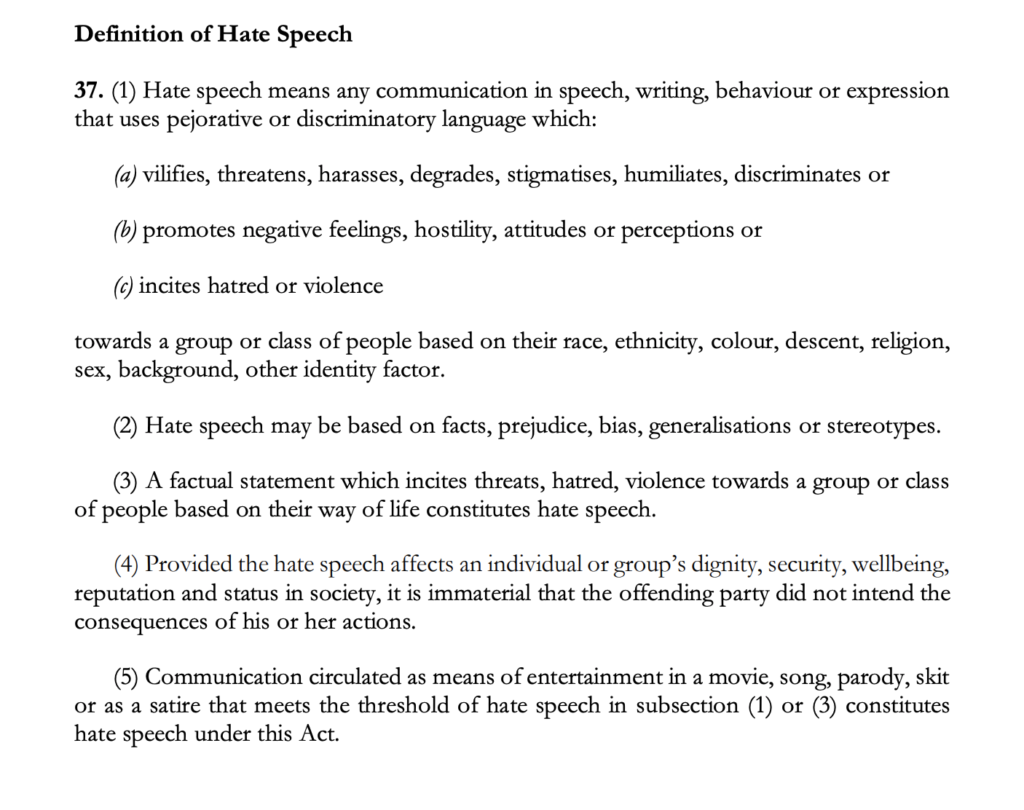
Most damning is the observation that the MDHI Bill, despite its stated intent to replace the twin laws, does not actually escape their logic.
The threshold for “hate speech” under the bill is so elastic that it could potentially encompass any speech that is merely embarrassing or politically inconvenient to those in power.
The Ghana Journalists Association (GJA) has firmly rejected the bill in its current form. It says that while it recognises the need to curb misinformation, any legislative approach must not compromise constitutionally guaranteed freedoms, including freedom of expression and media independence.
The Reputation at Stake
The question: Is Ghana’s reputation as a beacon of media freedom in Africa is under threat?
That reputation was built over decades and survived the transition through multiple governments — a record that made Ghana an outlier on a continent where press freedom is often the first casualty of political power.
In the 2026 World Press Freedom Index, Ghana currently ranks 39th, up from 59th a year ago.
The question being asked now, by journalists, lawyers, and civil society groups alike, is whether the country’s political class — across administrations and party lines — has any genuine commitment to free expression, or whether the laws they condemn in opposition are simply the ones they haven’t yet found useful.
This article was edited with AI and reviewed by human editors



Follow