


STORY HIGHLIGHTS
- A draft African Charter on Family, Sovereignty and Values, born from inter-parliamentary conferences in Uganda between 2023 and 2025, is being positioned for adoption by the African Union.
- Legal analysts, including the Initiative for Strategic Litigation in Africa (ISLA), warn that the document uses rights language to systematically strip rights, particularly for women, children, and LGBTQ+ persons.
- The charter directly conflicts with binding AU instruments, including the Maputo Protocol and the African Children’s Charter, while seeking to shield states from accountability under those frameworks.
- International conservative groups, including Family Watch International — designated a hate group by the Southern Poverty Law Center — played significant roles in drafting and promoting the document.
A proposed continental treaty is circulating in African Union corridors, and it is making some human rights lawyers nervous.
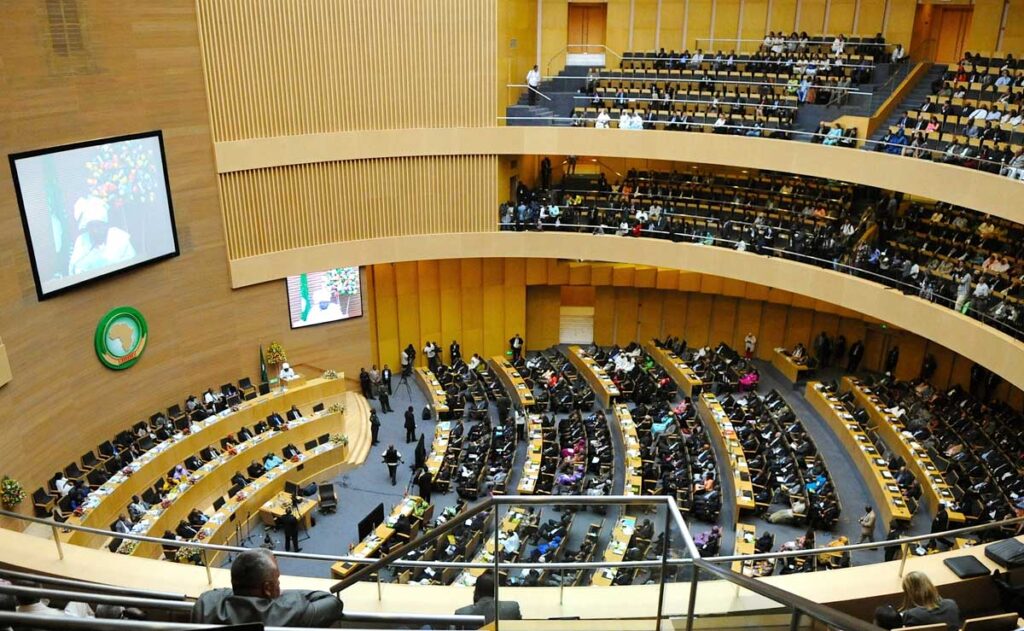
The Draft African Charter on Family, Sovereignty and Values emerged from a series of inter-parliamentary conferences held in Entebbe, Uganda, between 2023 and 2025, organised by the Inter-Parliamentary Network on African Sovereignty and Values.
Heavily promoted by Ugandan President Yoweri Museveni and backed by international conservative groups, including Family Watch International, its architects aim to convince African governments to formally adopt it.
On the surface, the document reads as a cultural defence — invoking Ubuntu, African family structures, and resistance to external imposition. Beneath that framing, legal analysts say, lies something far more calculated.
The Rights Language That Strips Rights
The most damning critique of the charter comes from the Initiative for Strategic Litigation in Africa (ISLA), which published a detailed legal analysis of the document through its Countering Anti-Rights Actors (CARA) thematic programme.
ISLA’s central finding was that the draft charter retains the language of rights, equality, and legal principle throughout its text, but systematically empties that language of its protective content.
The organisation also warned that the language of sovereignty is deployed not in defence of political self-determination but to justify near-absolute state control over health, education, sexuality, and moral life.
The proposed charter was examined within the context of growing anti-rights mobilisation globally and regionally, where law is increasingly used as a strategic tool to reinterpret and reshape existing rights frameworks.
At stake, ISLA noted, are deeper questions about who defines rights, how legal concepts are interpreted, and whose lives are governed in the name of culture, family, and sovereignty.
This is not new terrain. Across Africa, legislatures have been under coordinated pressure to pass restrictive laws — from Uganda’s Anti-Homosexuality Act to Ghana’s Human Sexual Rights and Family Values Bill.
What makes this charter different is its ambition: to export and entrench that model at the continental level, rewiring the legal infrastructure of the African Union itself.
Direct Conflict With Binding AU Law
The legal contradictions embedded in the draft are not minor. They are structural.
The charter calls for withdrawal from international human rights instruments and seeks to shield states from obligations under the Maputo Protocol — the African Union’s legally-binding women’s rights treaty.
That protocol guarantees women the right to reproductive health choices, protection from violence, and equality in marriage and divorce proceedings. The charter would effectively create a legal basis for states to opt out.
The draft falsely claims that the sexual and reproductive health rights “agenda” promotes abortion on demand. Yet the UN’s definition of reproductive health encompasses comprehensive abortion care within countries’ legal frameworks.
The charter encourages states to define all related terms to exclude any rights to abortion, with no exceptions — including cases where the pregnant person’s life is at risk or where pregnancy results from rape or incest.
A 2025 survey conducted across 38 African countries found that nearly two-thirds of citizens — 63% — say abortion is justified if the woman’s health or life is at risk. The charter’s position is therefore not only legally retrograde but out of step with the population it claims to represent.
The African Children’s Charter would also be undermined. That instrument enshrines children’s rights to protection, development, and well-being — protections the draft charter’s narrow, parent-centred framework would erode by subordinating children’s independent rights to parental and state authority.
Who Is Behind the Charter?
Framed as an assertion of African self-determination, the charter’s origins tell a different story.
Christian Council International in the Netherlands has publicly claimed credit for drafting the charter. The gatherings that produced it brought together politicians, conservative religious activists, and anti-rights organisations, including groups linked to American and European evangelical and right-wing organisations.

Ugandan First Lady Janet Museveni, speaking at one of the inter-parliamentary conferences, warned attendees that aid “now comes with conditions that threaten to redefine our societies according to foreign standards, thereby eroding the values we hold sacred.”
The irony of a document authored in part by Western conservative organisations deploying this rhetoric was not lost on critics.
The Heritage Foundation, a Washington-based conservative think tank, has also publicly endorsed the charter’s aims — with a senior associate framing it as a “cultural and political battlefront” that the United States should support.
The alignment of American right-wing institutions with a document presented as anti-Western resistance is a contradiction that civil society groups have been quick to highlight.
What Adoption Would Mean
The charter is not merely a new legal instrument under consideration. It is part of a broader effort that could reshape Africa’s human rights architecture while invoking the language of African values.
Should it gain traction at the African Union — even as a non-binding resolution — it would lend institutional legitimacy to a rights-limiting agenda and provide cover for member states seeking to justify regressive domestic legislation.
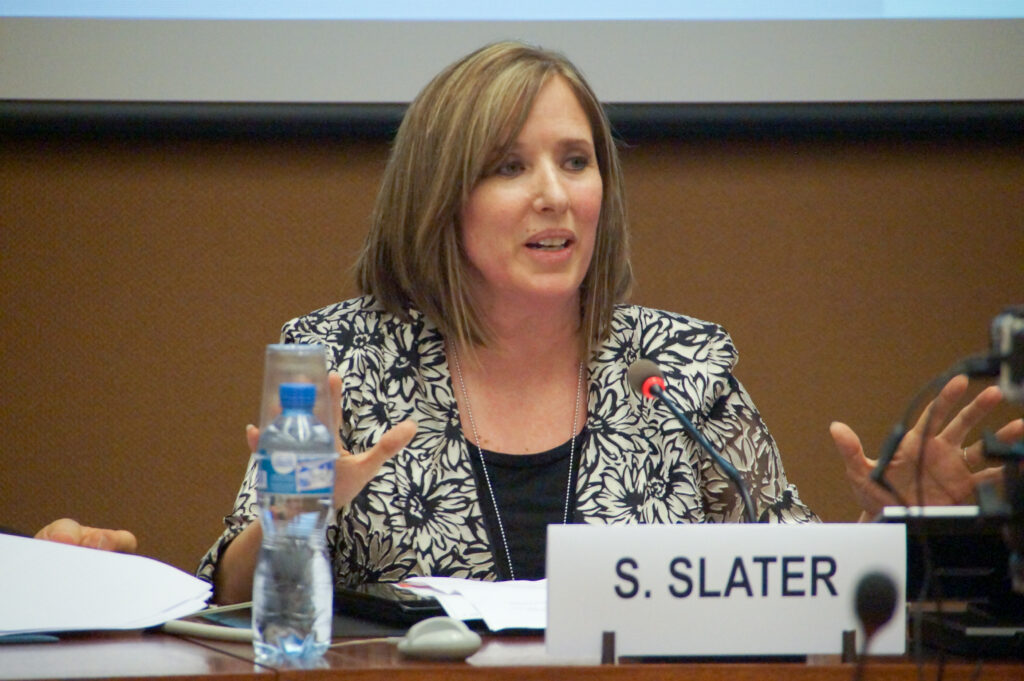
Legal responses from African rights institutions such as Afya Na Haki have already documented the clash between many of the charter’s proposals and existing continental legal provisions.
ISLA, for its part, has committed to continuing legal analysis, supporting strategic litigation, and building the coalitions necessary to challenge the document’s advance.
Sovereignty as a Weapon
The legal critique that cuts deepest is also the simplest. The draft charter claims to defend African sovereignty. But true sovereignty means honouring the treaties governments have freely adopted.
Forty-four African Union member states have ratified the Maputo Protocol. The African Charter on Human and Peoples’ Rights has been adopted across the continent. To now argue for a new instrument that would allow states to retreat from those commitments is not sovereignty — it is impunity dressed in constitutional language.
The message from legal analysts is clear: the proposed charter must be carefully scrutinised, openly debated, and critically examined before it could ever be allowed to reshape the legal foundations of the African human rights system.
This article was edited with AI and reviewed by human editors



Follow