


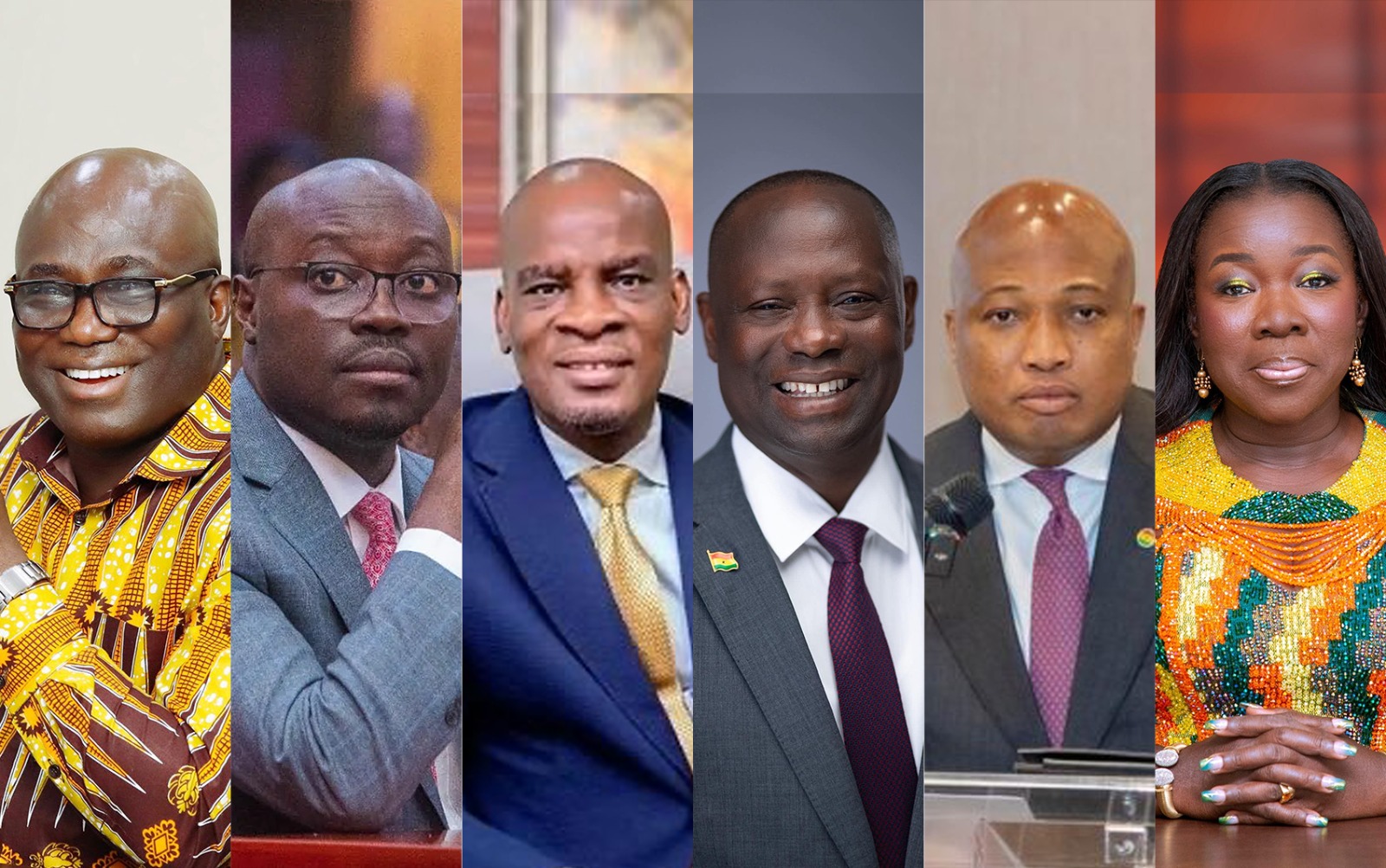
As June 6 approaches and the red carpets roll out at the La Palm Beach Convention Centre, Ghana is once again preparing to celebrate its “best” ministers.
The 6th edition of the Ghana Minister of the Year (MOTY) Awards, set to take place on June 6th, promises to honour six cabinet members who supposedly delivered “measurable results” in 2025.
Organisers speak of public nominations, expert reviews, and performance assessments. On paper, it sounds like accountability in glamorous packaging. In reality, it risks becoming another glittering distraction from the hard truths of governance in our country.
The story is familiar by now. Four regional ministers are already shortlisted in one of the most competitive categories.
Names like Hon. Eric Opoku have surfaced among the frontrunners. The night will see all six nominees receive awards, with one eventually crowned Minister of the Year.
What the Awards Actually Measure
Let’s be clear: recognising hard work is not the problem. In a country where many ministers treat their portfolios as temporary feeding troughs rather than sacred trusts, any incentive for performance should be welcomed.
If a minister has demonstrably improved agriculture, strengthened regional security, or delivered tangible infrastructure, celebrating that can motivate others.
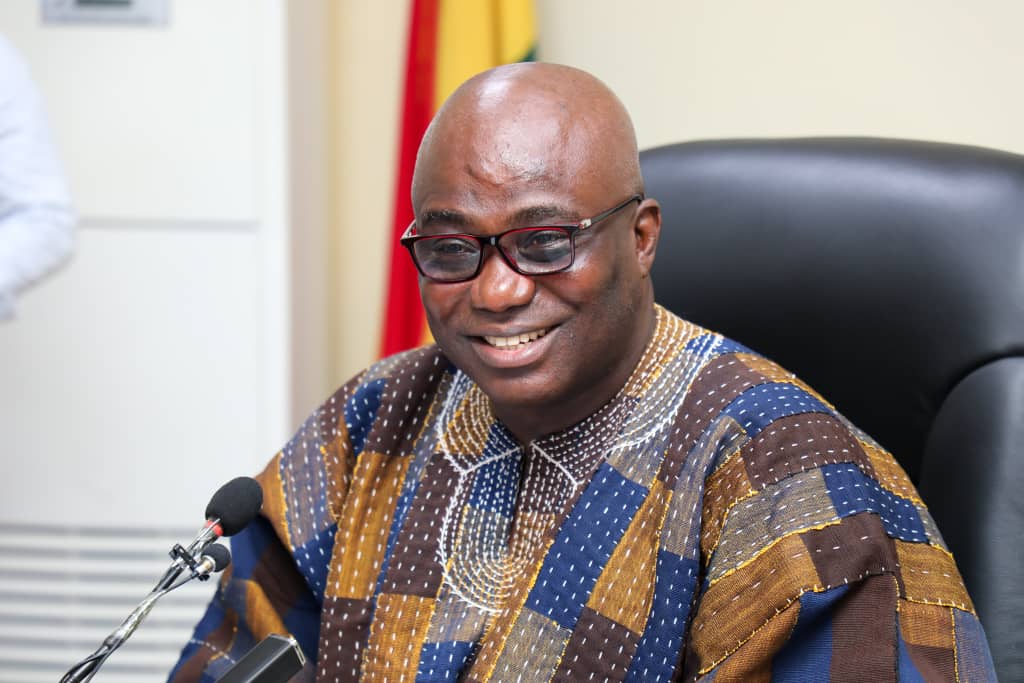
The organisers insist the process involves data-driven assessments against 2025 targets. That sounds rigorous.
Yet one cannot ignore the optics and the timing. These awards come at a moment when ordinary Ghanaians continue to grapple with the cost of living, patchy healthcare, education quality that still leaves too many behind, and infrastructure projects that routinely run over budget and behind schedule.
When citizens are struggling to fill tanks or pay school fees, rolling out the carpet for ministers feels tone-deaf. Awards for public servants should not look like corporate galas where the honorees applaud themselves while the governed watch from the margins.
Critics on social media have already begun questioning the entire premise.
The cynicism is understandable. Ghana has no shortage of awards ceremonies. From music to business to chieftaincy, we love trophies.
But when the same culture extends to those who wield executive power over our taxes and policies, it raises uncomfortable questions about independence and credibility.
Institutional Theatre in a Time of Need
This is where the deeper societal signal emerges. Ghana’s democracy has matured in many ways, yet we still struggle with a political class that often seems more responsive to optics than outcomes.
Awards like MOTY can easily become tools for image laundering. A minister whose ministry recorded marginal improvements in one area but failed spectacularly in others can still walk away with silverware and glowing headlines.
The public is left wondering: who exactly is judging, and by what transparent, independently verifiable criteria?
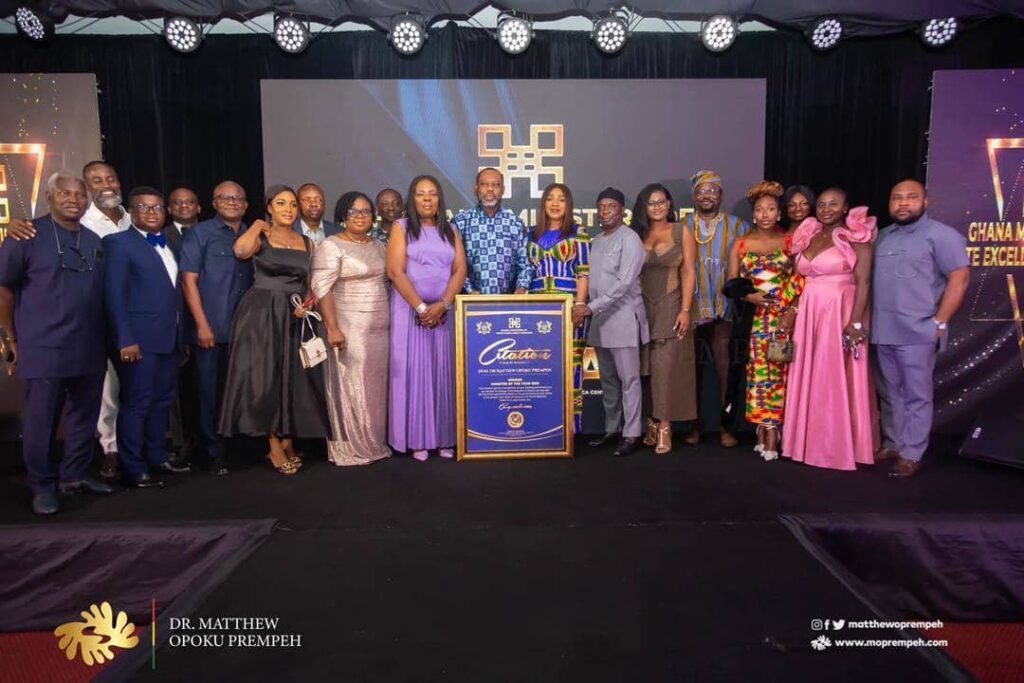
There is also the question of selection bias. Regional ministers often operate in environments shaped heavily by central government funding and policy direction.
Praising them without rigorously interrogating the structural constraints and political patronage networks they navigate risks celebrating symptoms rather than genuine transformation.
What happens when the same government that appoints these ministers sponsors or supports such awards, directly or indirectly? The line between recognition and self-congratulation blurs dangerously.
That said, dismissing the awards entirely would be unfair.
In a political culture where failure often carries few consequences and reshuffles feel more like musical chairs than performance reviews, any platform that attempts to introduce competition based on delivery deserves cautious credit.
If the process is genuinely merit-based and data-driven, it could set a positive precedent. The danger lies in it becoming performative — another event where ministers in glittery outfits and sharp suits exchange plaques while the public service machinery remains sluggish and unresponsive to citizens’ daily pains.
We must ask harder questions: Has the Minister of Health demonstrably reduced out-of-pocket expenses for the average family?
Has the Minister of Education improved learning outcomes in basic schools beyond headline enrolment figures?
Has the Minister of Finance created fiscal space that translates into jobs rather than just debt servicing?
Without clear, publicly accessible scorecards, these awards risk becoming subjective beauty contests dressed in the language of “measurable results.”
A Lingering Question
As the lights dim on June 6 and the winner delivers the obligatory humble speech thanking God, family, and the President, Ghanaians will be watching. Some will cheer. Others will scroll past with familiar fatigue.
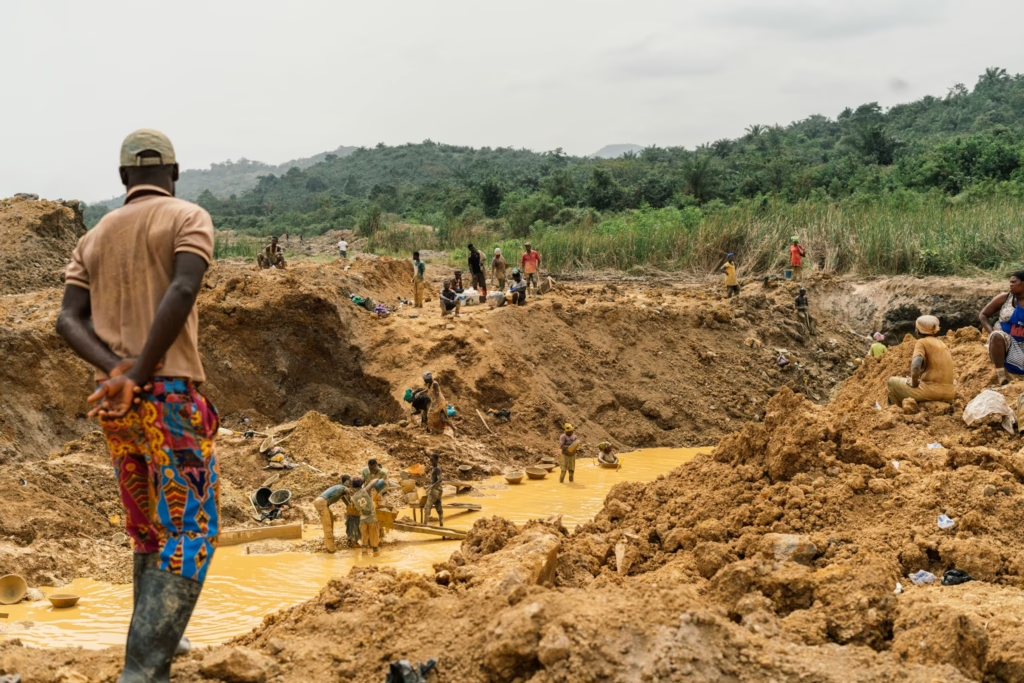
The real test is not who wins Minister of the Year. It is whether, twelve months from now, the ministries they lead will have moved the needle on the things that matter most to the mother selling at Kantamanto, the farmer in the Northern Region waiting for reliable extension services, or the young graduate chasing elusive formal employment.
Awards are easy. Governance is hard. Until our celebration culture matches our accountability demands, events like the Ghana Minister of the Year Awards will remain beautiful mirrors reflecting more about our love for spectacle than our commitment to substantive progress.
The carpet will be rolled up, the trophies handed out, but the real work — and the real judgment — belongs to the Ghanaian people long after the cameras stop flashing.
This article was edited with AI and reviewed by human editors



Follow