


STORY HIGHLIGHTS
- President Bassirou Diomaye Faye dismissed Prime Minister Ousmane Sonko on May 22, 2026, ending a once-celebrated political alliance that swept them both to power in 2024
- Parliament Speaker El Malick Ndiaye resigned two days later, clearing the way for Sonko to seek the speakership — setting up a potential institutional standoff
- Senegal’s National Assembly, dominated by Sonko’s PASTEF party, could now obstruct presidential reform efforts and delay a critical IMF deal
- The country’s debt has ballooned to 132 percent of its economy, and a $1.8 billion IMF lending programme remains frozen
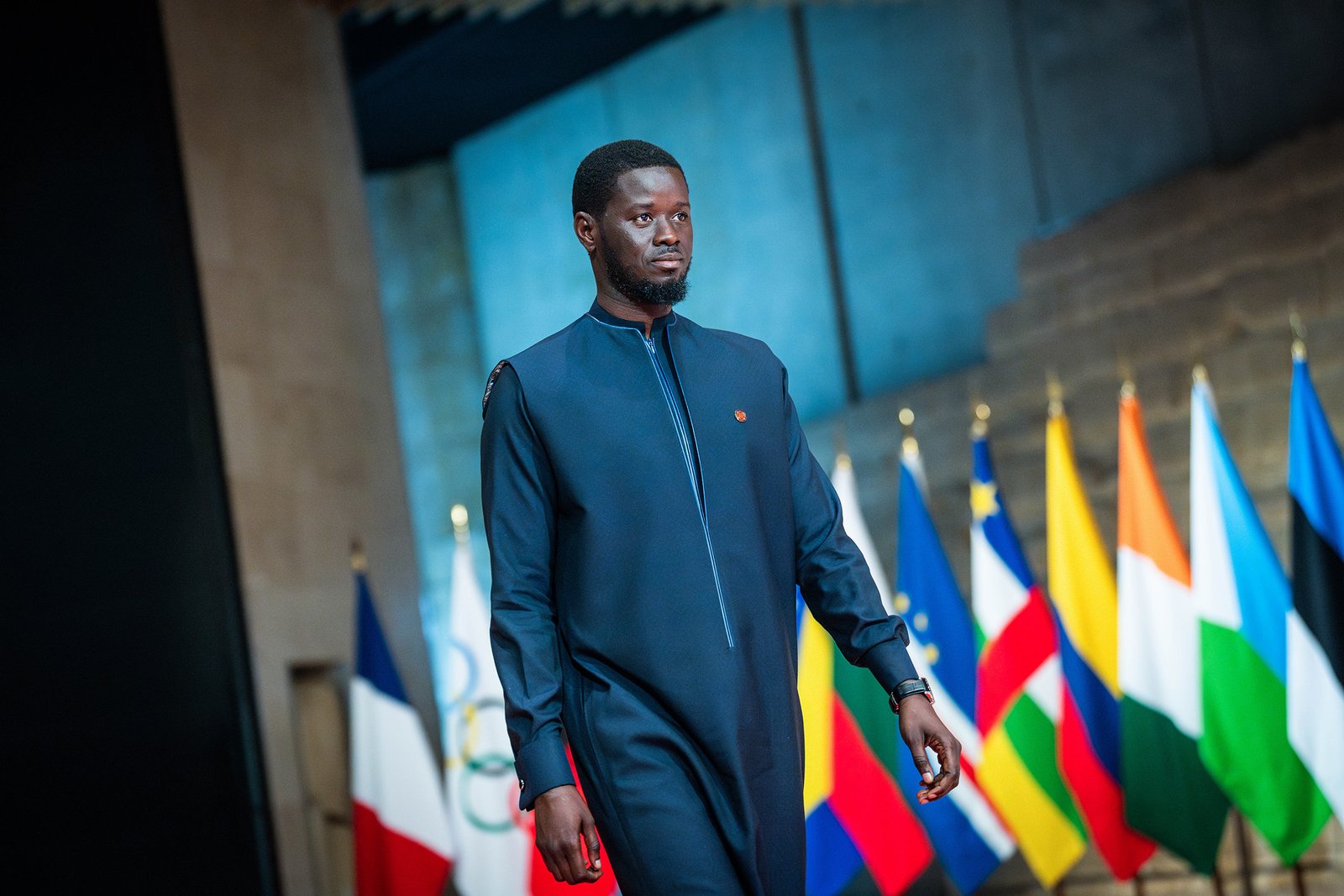
When Bassirou Diomaye Faye walked out of a Senegalese prison ten days before the 2024 presidential election, the image was so cinematic it hardly seemed real.
Beside him stood Ousmane Sonko — firebrand, disruptor, the opposition leader who had mobilised a generation but been barred by a defamation conviction from running for the top job himself.
Together, they had become the face of a new Senegal: younger, angrier, and determined to dismantle the old order.
Faye went on to win that election with 54 percent of the vote, and he appointed Sonko as prime minister. The partnership was more than political. It was symbolic — a proof of concept for a continent weary of recycled elites.
That symbolism is now in ruins.
On May 22, 2026, Faye dismissed Sonko and dissolved the government, a move that risks deepening uncertainty in a country grappling with a debt crisis and ongoing talks with the International Monetary Fund (IMF).
A Rupture Months in the Making
The break did not come from nowhere. The signs of strain had been building for some time. In one striking declaration before lawmakers, Sonko drew a clear line: “I don’t work for Bassirou Diomaye Faye, I work for Senegal.”
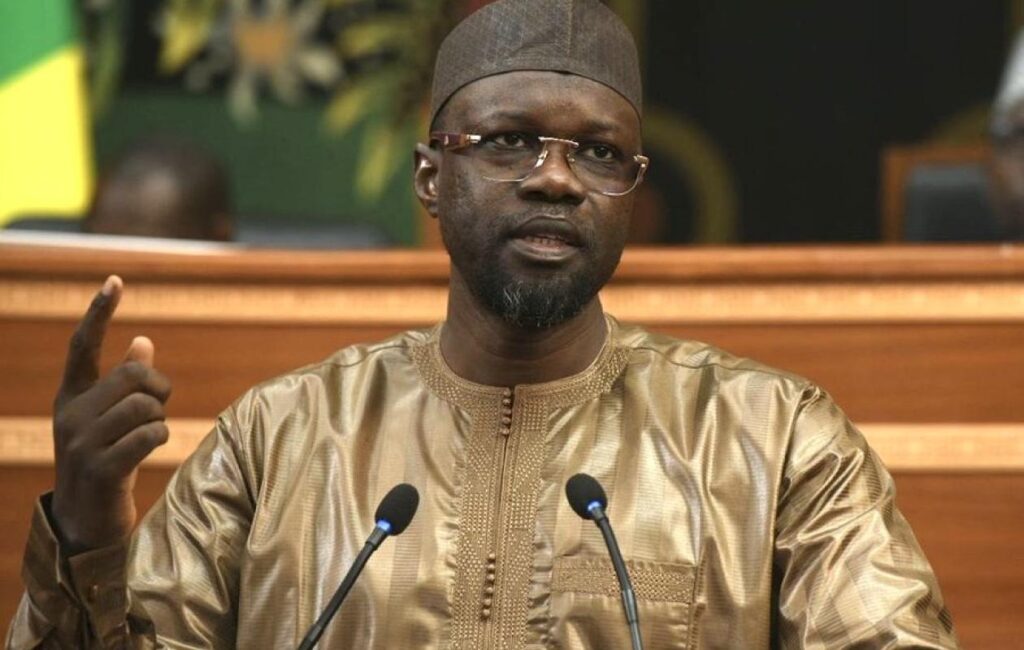
In March 2026, amid growing tensions, Sonko openly warned that his party could withdraw from government altogether if the president strayed from its vision.
Earlier signs of the rupture emerged when Sonko’s PASTEF party rejected the president’s authority over an appointment, asserting Faye “does not have the power” to make the change.
They declared that the party shared “neither the same values nor the same principles” with the president’s choice — signalling a deep ideological rift within the government itself.
On May 22, President Faye signed Decree 2026-128, removing Sonko and dissolving the government. Ministers were instructed to handle routine affairs until a new cabinet is named.
The decree ended a partnership that had defined Senegal’s post-Sall era. Both men are former tax officials who were jailed ahead of the 2024 election and released just ten days before the rescheduled contest.
Sonko, a charismatic figure with a strong youth following, had backed Faye after being barred from running himself, but the two allies became increasingly estranged
Parliament Becomes the New Battleground
Within hours of Sonko’s dismissal, the crisis migrated from the executive to the legislature — and escalated sharply.
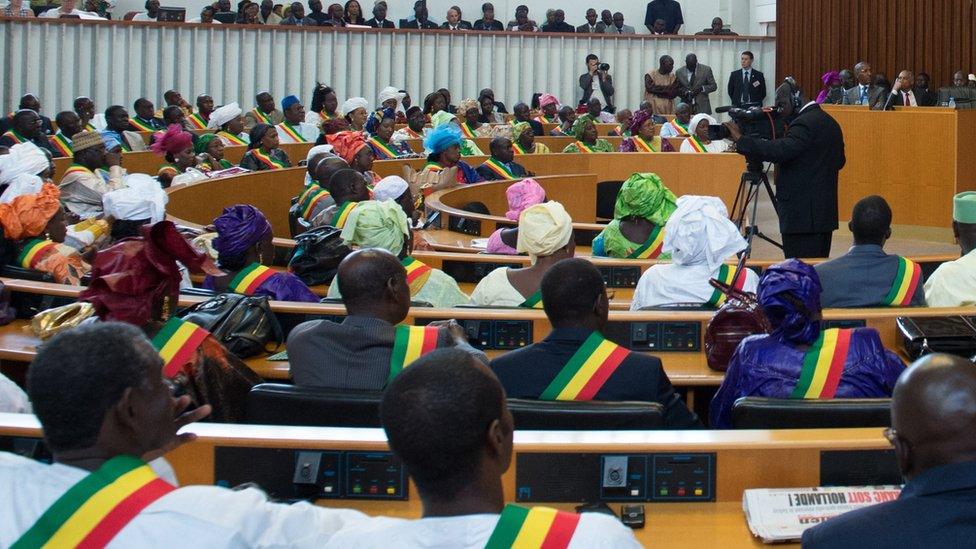
The speaker of Senegal’s parliament, El Malick Ndiaye, announced his resignation two days after his close ally was fired, clearing the way for Sonko to run for the speakership — a position in which his PASTEF party holds a strong majority.
Deputies have been summoned to a full session of the assembly to reinstate Sonko as a member of parliament and vote for a new speaker, though some critics argue that reinstating him would be illegal as he has never been a member of parliament.
Faye must now name a new prime minister, and that choice will require parliamentary approval within three months — from a legislature that his former ally controls.
Hours after Sonko’s dismissal, hundreds of his supporters gathered outside his Dakar home in a show of solidarity, a visible reminder that the ousted premier retains the kind of street credibility that does not dissolve with a presidential decree.
A Debt Crisis Complicating Everything
The political drama is unfolding against a backdrop of acute economic strain. The IMF froze a $1.8 billion lending programme following the discovery of misreported debt hidden by the previous government, pushing the country’s end-2024 debt level to 132 percent of its economy.
Before Sonko’s dismissal, Finance Minister Cheikh Diba told parliament that the government expects to resume talks with the IMF in the second week of June, and hopes to reach an agreement on key points by June 30.
That timeline, already tight, now looks considerably more fragile. A fractured ruling coalition, a hostile parliament, and a government in caretaker mode are not the conditions under which a country wins confidence from international creditors.
PASTEF’s dominance of the National Assembly means it could complicate the passage of reforms needed to secure IMF support. If Sonko assumes the speakership, the irony will be impossible to miss: the man Faye fired could end up controlling the chamber on which Faye’s entire reform agenda depends.
What Comes Next
Last month, politicians overwhelmingly approved electoral code changes that could pave the way for Sonko to run for president in 2029.
His pivot to the speakership may be less a retreat than a repositioning — a base from which to wait out Faye’s presidency while consolidating his hold on the party and the legislature.
Faye, for his part, faces a governance problem with no obvious solution.
Earlier in his term, he launched a national dialogue aimed at political reform and consolidating democracy, though several opposition parties boycotted the process, including former President Macky Sall’s party — now an unlikely observer of a ruling coalition devouring itself.
Senegal’s 2025 crisis illustrated how economic orthodoxy, driven by debt management and external financial discipline, can undermine democratic legitimacy — even in one of Africa’s most celebrated democracies.
The 2026 rupture adds a further dimension: that the very movement born to challenge entrenched power has reproduced, in miniature, the same contest over authority and control it once rallied against.
Senegal’s democratic institutions have held through worse. But with parliament, the executive, and the economy all in contested territory simultaneously, the country is entering one of the most uncertain chapters in its post-independence history.
This article was edited with AI and reviewed by human editors



Follow