


STORY HIGHLIGHTS
- Ghana’s Environmental Protection Authority has announced a ban on all polystyrene foam products, effective 1st January 2027
- The directive covers food packaging, disposable cups and plates, foam mattresses, ceiling insulation, and takeaway containers
- Medical, scientific, and laboratory EPS products are exempt from the prohibition
- Manufacturers, importers, distributors, and retailers have been directed to begin transitioning to sustainable alternatives immediately
- The EPA will collaborate with MMDAs, port authorities, and customs officials to enforce the ban nationwide
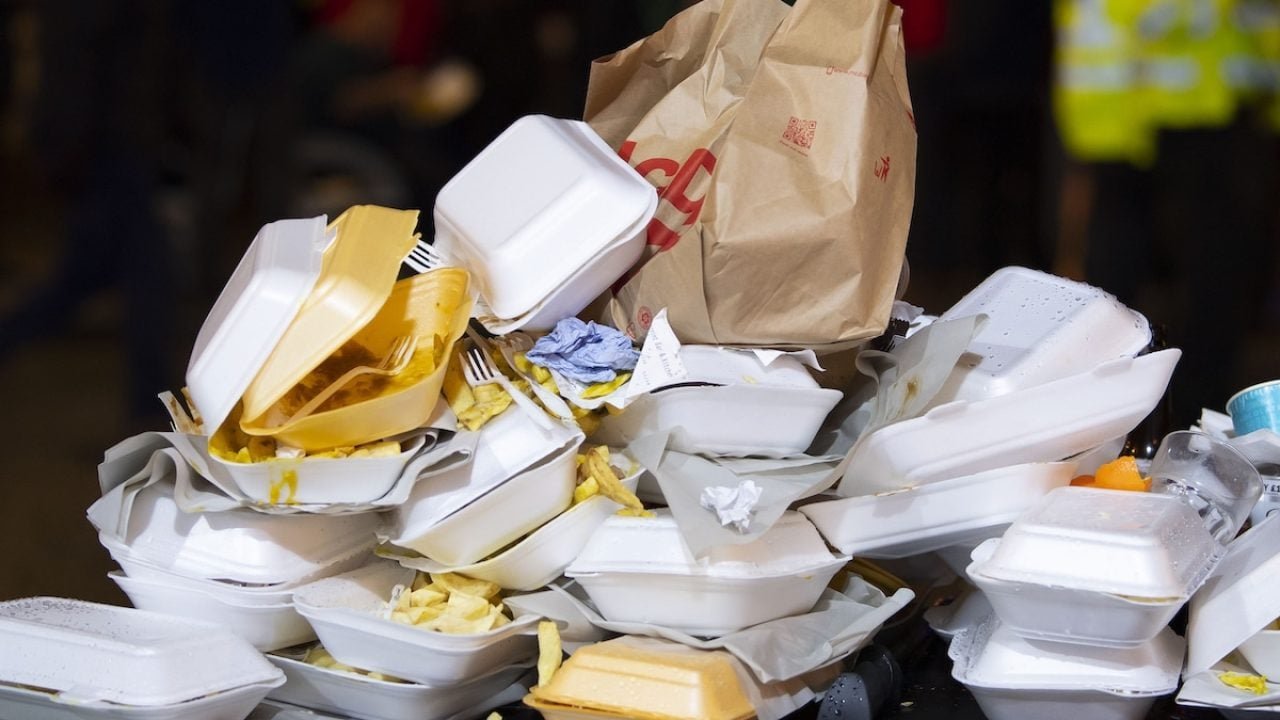
The ubiquitous white takeaway pack — a fixture of Ghanaian chop bars, roadside food stalls, and restaurant counters — is on borrowed time.
Ghana’s Environmental Protection Authority (EPA) issued a formal directive on Monday announcing a comprehensive ban on polystyrene foam products across the country, effective 1st January 2027, giving industries and traders an 18-month window to adapt.
The announcement formalises a policy commitment made by President John Dramani Mahama on 5th June 2025, during World Environment Day celebrations, when he declared the government’s intent to prohibit the importation, production, and use of styrofoam products as part of a broader campaign against plastic pollution.
What the Ban Covers
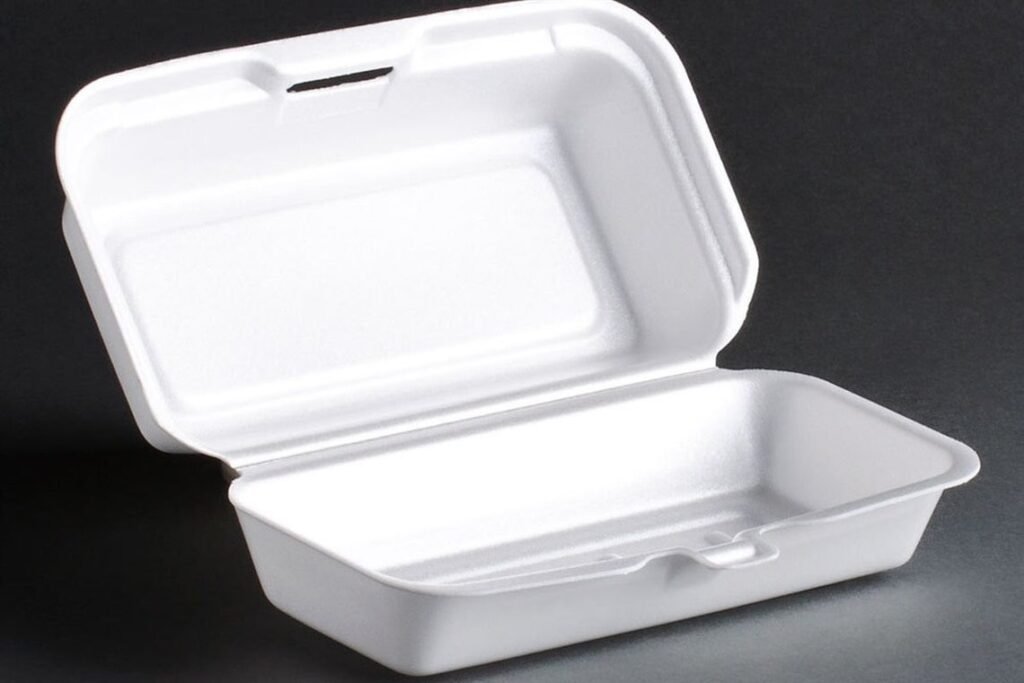
The scope of the directive is sweeping. Under the EPA’s notice, the prohibition applies to all forms of expanded polystyrene (EPS) foam products used for human activities and commercial purposes.
That includes food packaging containers and takeaway packs, disposable cups and plates, foam packs used by restaurants and food vendors, ceiling and insulation materials, foam mattresses and bedding, and packaging and cushioning materials.
The only carve-out applies to EPS products used specifically for medical, scientific, laboratory, and diagnostic purposes, which will remain permissible subject to regulatory oversight.
The directive is addressed to manufacturers, importers, distributors, retailers, food vendors, hospitality operators, and institutions — in effect, anyone in the supply or consumption chain of polystyrene products.
A Transition Period, Not an Immediate Halt
The EPA has been careful to frame the announcement not as an overnight prohibition but as the beginning of a structured transition.
Between now and January 2027, the Authority says it will conduct nationwide stakeholder engagement, public education campaigns, and technical consultations to support industries moving away from polystyrene.
Simultaneously, the EPA says it will strengthen compliance monitoring, regulatory inspections, and enforcement preparedness so that the ban carries meaningful weight from the moment it takes effect.
Collaboration is planned with Metropolitan, Municipal, and District Assemblies, port authorities, customs officials, and industry regulators to close the enforcement gaps that have undermined previous environmental directives in Ghana.
A Familiar Problem, A Long-Delayed Response
Ghana’s relationship with polystyrene has long been a public health and sanitation concern.
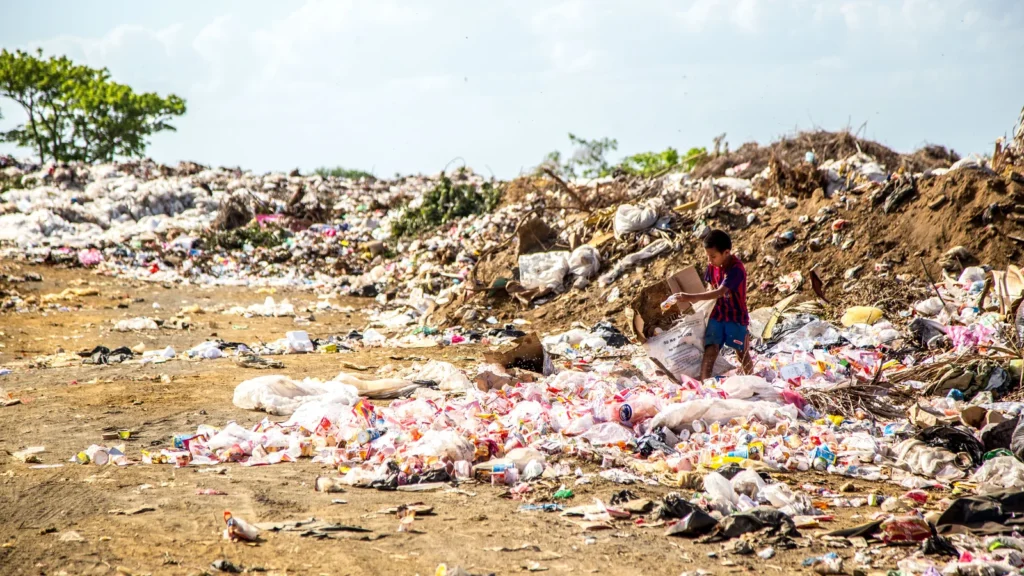
The material is non-biodegradable, resistant to conventional waste management, and a documented contributor to the clogging of drains — a factor in the flooding that regularly afflicts Accra and other urban centres during rainy seasons.
Polystyrene litter is a persistent presence on Ghanaian beaches, markets, and open landfills.
Advocacy groups and environmental scientists have for years called for a ban, pointing to styrofoam’s chemical composition — which includes styrene, a compound classified as a possible human carcinogen by the International Agency for Research on Cancer — as a public health risk in addition to an environmental one.
The directive situates the ban within Ghana’s obligations to improve environmental sanitation, reduce plastic pollution, promote sustainable development, and meet established environmental standards.
Eyes on Enforcement
The harder question is not whether the ban will be announced — it already has been — but whether it will be enforced.
Ghana has a documented history of environmental regulations that are passed and then inadequately implemented. The 2016 ban on certain plastic bags, for instance, had uneven enforcement across regions and market segments.
The EPA’s explicit acknowledgment of enforcement infrastructure as a pre-ban priority suggests the Authority is aware of this institutional weakness.
Whether the collaboration with local assemblies and customs officials will prove sufficient to prevent polystyrene from simply flowing through informal channels remains to be seen.
This article was edited with AI and reviewed by human editors



Follow