


STORY HIGHLIGHTS
- Only 61 of 185 state-owned enterprises met the April 30, 2026 deadline to submit audited financial statements — a compliance rate of just 32%
- Over 100 defaulting entities offered no explanation to SIGA for their failure
- President Mahama had warned in February 2026 that SOE CEOs who missed the deadline would face consequences, including dismissal
- The crisis echoes a pattern stretching back years: some SOEs have gone seven to eight years without producing a single annual report
- Compliant entities included the Bank of Ghana, ECG, GNPC and Ghana Civil Aviation Authority; non-compliant ones include Metro Mass Transit, the Youth Employment Agency, and the Ghana Broadcasting Corporation
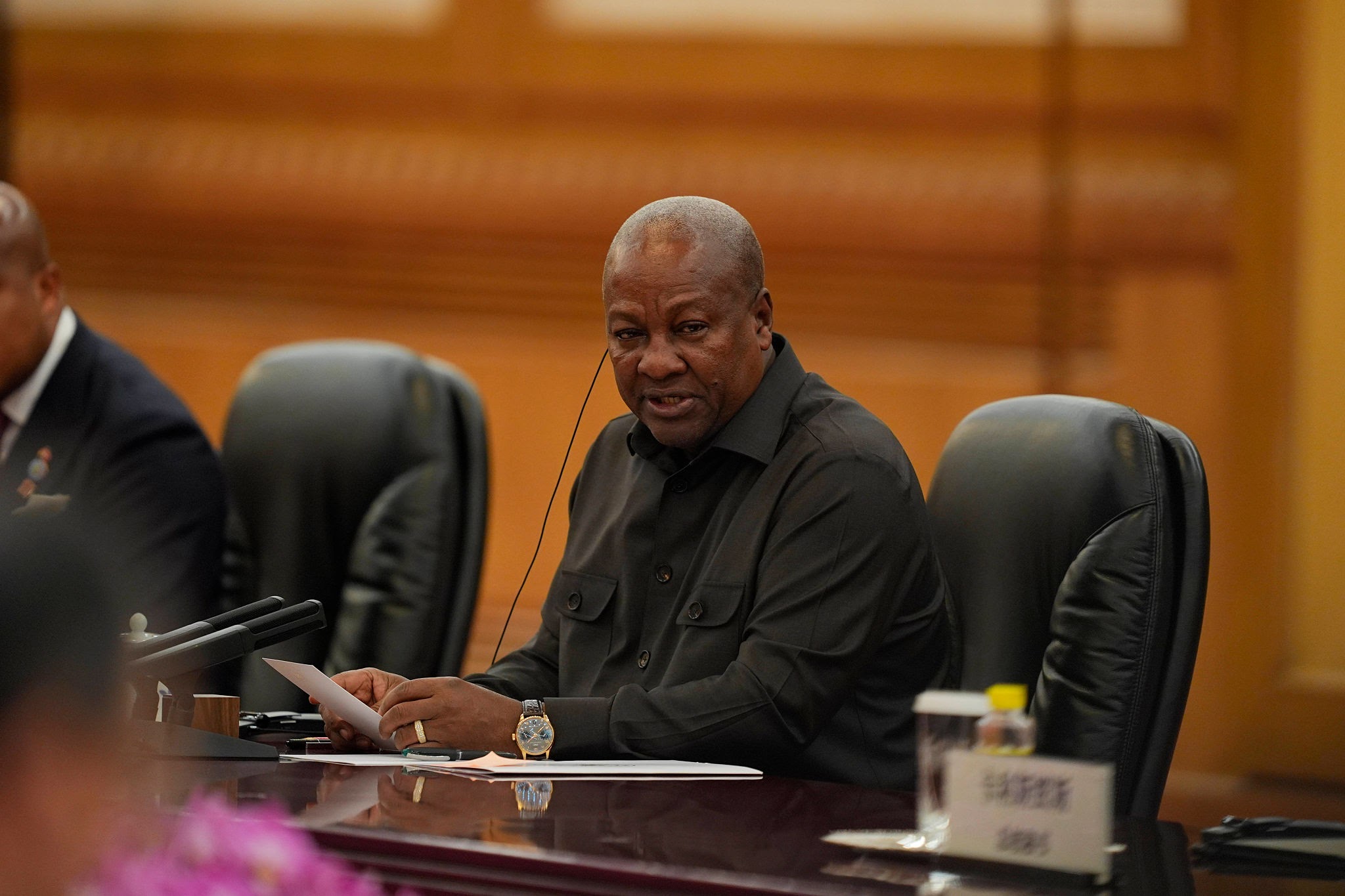
Earlier this year, President John Dramani Mahama set a hard April deadline for State Owned Enterprises (SOEs).
The President warned that CEOs of SOEs who failed to submit audited financial statements would have consequences.
Yet when April 30, 2026, arrived, the silence from the bulk of Ghana’s public sector was deafening.
According to data published by the State Interests and Governance Authority (SIGA), only 61 out of 185 covered entities submitted their financial statements on time, translating into a compliance rate of roughly 32%.
In plainer terms: more than two in every three institutions with a legal obligation to report chose not to — at least not on time.
Among the entities listed as non-compliant were the Minerals Development Fund, Metro Mass Transit, Ghana Tertiary Education Commission, Minerals Commission, National Communications Authority, District Assemblies Common Fund, Lands Commission, Youth Employment Agency, Ghana Broadcasting Corporation, and the National Road Safety Authority.
The breadth of the failure is striking. These institutions have direct mandates over public safety, national communications infrastructure, land governance, and youth employment — entities whose financial transparency is fundamental to the government’s own reform agenda.
“Woe Betide You”
The President had not been ambiguous. Speaking to Ghanaians in Zambia during a diaspora engagement on February 4, 2026, President Mahama observed that several state-owned enterprises had, for years, failed to fulfil their statutory reporting obligations.
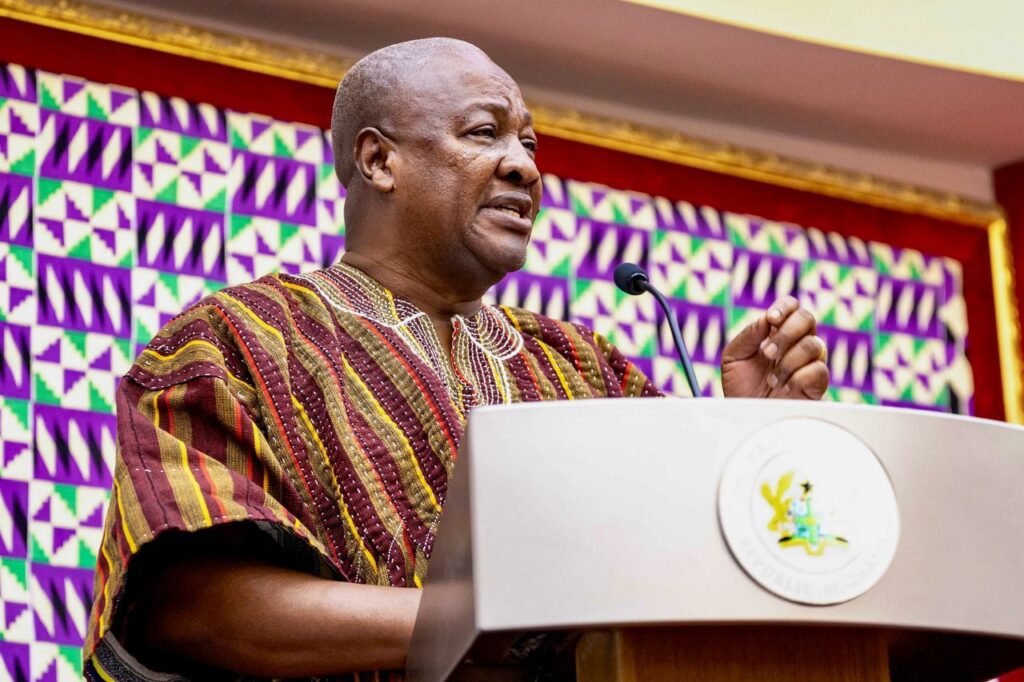
“There are many state-owned enterprises that, for seven to eight years, have never produced an annual report, even though it is required by law,” he stated.
His warning that followed was among the most pointed he had issued on public sector accountability: “Woe betide any chief executive of a state-owned enterprise who, by the end of April, has not done your audits and presented your annual reports,” he warned, describing the deadline as non-negotiable.
This was not the first time Mahama had drawn a line.
At a meeting with SOE CEOs organised by SIGA on March 13, 2025, the President had directed all SOE chiefs to submit audited financial statements by April 30 each year or face sanctions, including possible dismissal, declaring: “Loss-making SOEs will no longer be tolerated. They will be swiftly reformed, merged, privatised, or shut down.”
SIGA’s Director-General, Prof. Michael Kpessa-Whyte, had amplified the threat. He warned that sanctions would include dismissal, public naming and shaming of entity heads, and the dissolution of boards.
Who Complied — and Who Did Not
The compliance data does reveal a cohort of entities that took the directive seriously.
Among those that met the deadline were the Bank of Ghana, the Electricity Company of Ghana, Ghana Publishing Company Limited, Ghana Civil Aviation Authority, Ghana Gold Board, Ghana Gas, the Ghana National Petroleum Corporation, and the Petroleum Hub Development Corporation.
That some of Ghana’s largest and most scrutinised institutions managed to comply is notable.
ECG — perennially under the spotlight for its financial troubles — submitted on time, as did GNPC. Their compliance, paradoxically, makes the failures of smaller and less complex agencies harder to excuse.
The compliance report showed that five entities formally requested extensions, while 14 institutions attributed their delays to ongoing audit processes.
However, a significant number of defaulting entities reportedly failed to provide any explanation to SIGA regarding their inability to meet the statutory deadline.
A Pattern That Predates Mahama
The audit compliance crisis is not new, and it did not begin with the current administration’s failures.
At the 2024 SIGA annual stakeholders engagement, the chairman of the Parliamentary Committee on Public Administration and State Interest, Mr Kwabena Donkor, expressed concern over the failure of some SOEs to publish audited accounts since 2017.
That is nearly a decade of statutory non-compliance for some entities — a span covering two separate administrations and numerous reform pledges.
Despite decades of reform — from the Structural Adjustment Programme to SIGA’s oversight — inefficiencies persist, eroding trust and draining public resources. Even with SIGA’s oversight since 2019, non-compliance persists, exposing entrenched patronage networks.
A recent review by the Finance Ministry revealed that the vast majority of SOEs are highly non-compliant with the Public Financial Management Act.
Will President Mahama Crack the Whip?
The more urgent question hanging over Accra’s public sector corridors is what the Mahama administration intends to do next.
The President has repeatedly framed SOE reform as central to his reset agenda, and SIGA has been repositioned as an enforcement body — not merely an oversight one.
President Mahama stated clearly that CEOs who did not align with the pace of the reset agenda may be asked to step aside.
Whether that commitment now translates into actual dismissals will determine whether this administration’s posture on accountability is substantively different from those that preceded it.
Past governments made similar proclamations. The cycle of warnings, non-compliance, and impunity continued regardless.
This article was edited with AI and reviewed by human editors



Follow