


Story Highlights
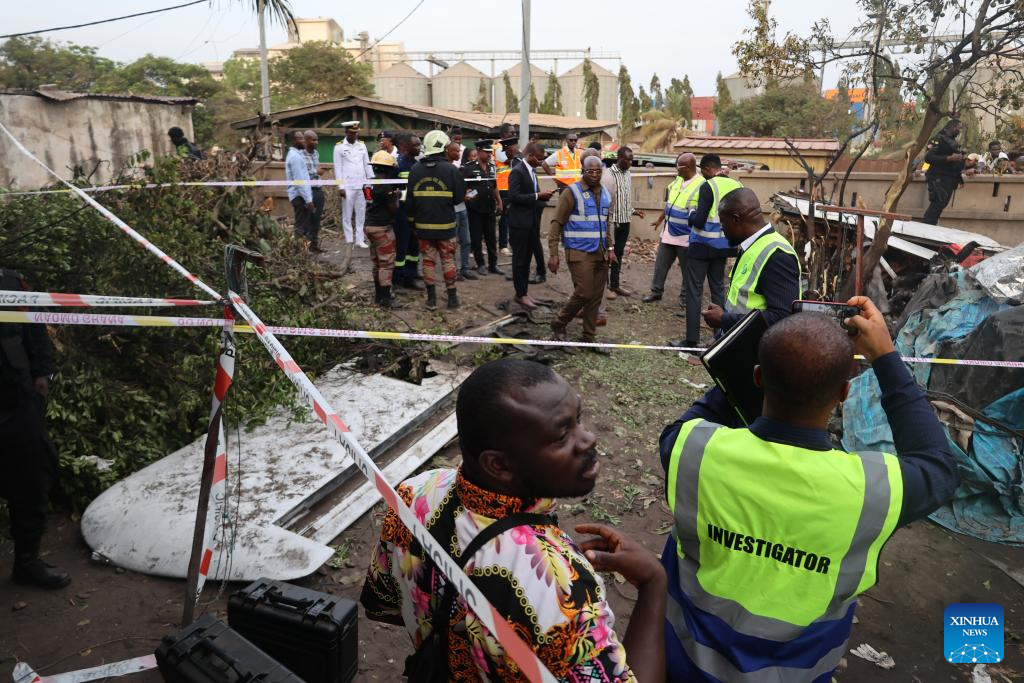
- A Sky Arrow 650T microlight aircraft crashed into TMA Day Care School in Community 1, Tema on March 16, 2026, killing both occupants
- The pilot had reported engine overheating on the same flight before departing Ho Airport for Accra
- The aircraft’s Flight Test Permit had expired nearly two months before the fatal return journey, according to the AIB Ghana preliminary report
- The pilot did not declare a formal emergency or notify Air Traffic Control of his intention to make a forced landing
- Ghana’s Aircraft Accident and Incident Investigation and Prevention Bureau expects to publish its final report by May 29, 2026
Shortly before 3 p.m. on a Monday afternoon in March, schoolchildren were playing on the grounds of TMA Day Care School in Community 1, Tema, when a small aircraft appeared overhead, flying unusually low.
Witnesses say the pilot appeared to be trying to signal the children to clear the field so he could bring the plane down.
He never made it.
The aircraft — a Sky Arrow 650T microlight registered 9G-ADV — lost control in a left banking manoeuvre and struck the ground within the school premises. It burst into flames on impact.
Both occupants, the pilot and his younger brother who was seated in front of him, died at the scene. Emergency responders arrived within three minutes and contained the fire before it could spread further, but the aircraft was destroyed.
The crash has raised serious questions about aviation safety oversight, aircraft airworthiness, and the adequacy of in-flight decision-making under emergency conditions.
A Flight Already Showing Warning Signs
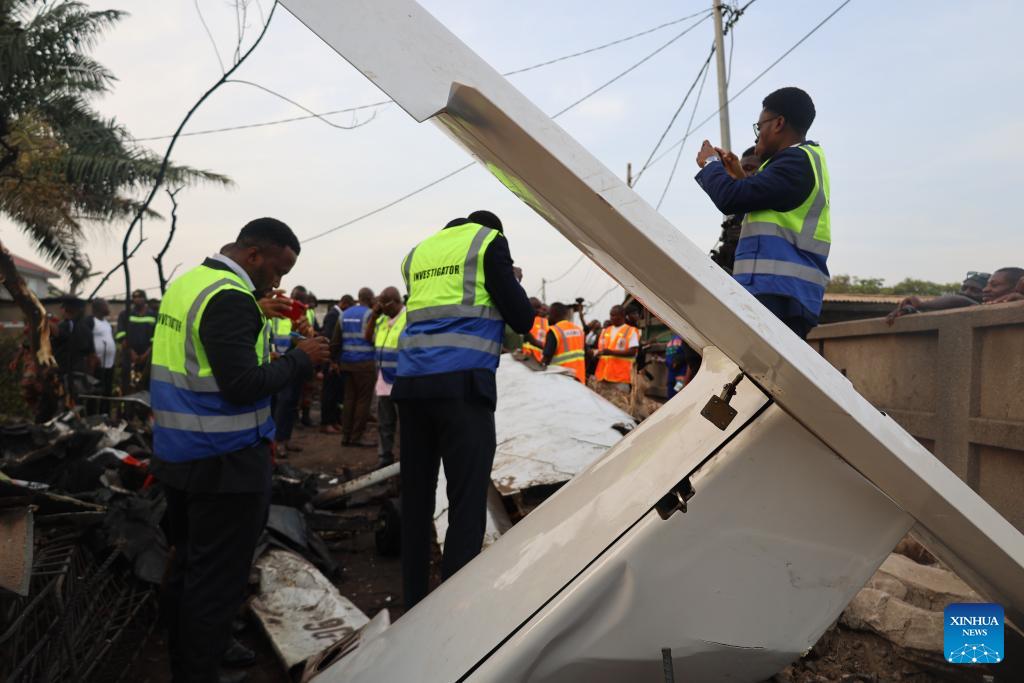
According to a preliminary report published on April 15, 2026 by Ghana’s Aircraft Accident and Incident Investigation and Prevention Bureau (AIB Ghana), the sequence of events that led to the crash had begun to unfold hours earlier.
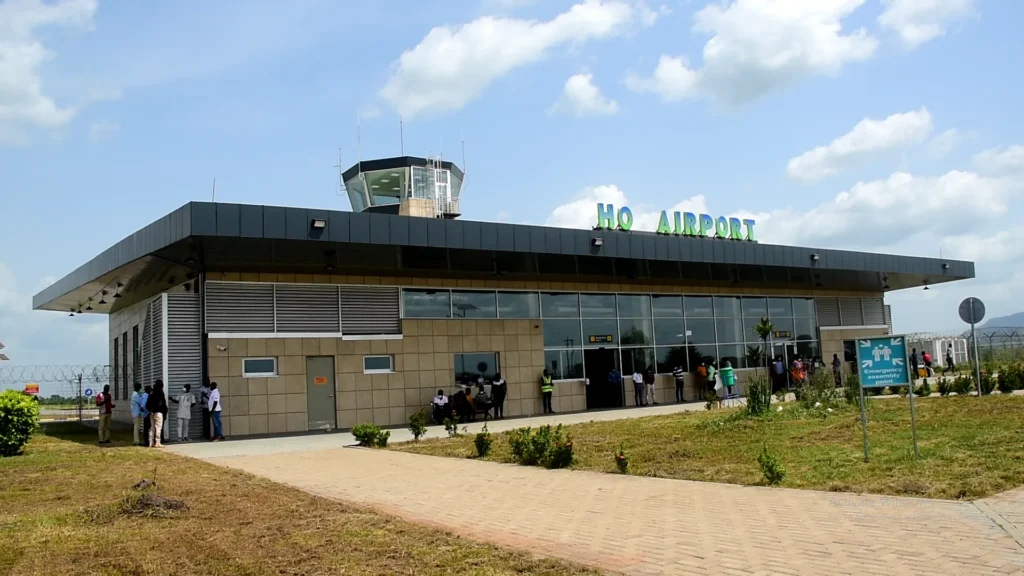
The aircraft departed Accra International Airport (known by its ICAO code DGAA) for Ho Airport at 6:45 a.m. UTC, arriving without incident just over an hour later.
After a brief excursion into Ho township, the pilot and his brother returned to the aerodrome with 20 litres of RON 95 motor fuel for the return leg.
Before heading back to Accra, the pilot took a friend on a local circuit flight, with the friend in the front pilot seat and the licensed pilot sitting behind.
After landing from this circuit, white smoke was observed coming from the engine as the aircraft taxied to park — a detail the report flags as significant.
Fifteen minutes later, the pilot took off again with his younger brother in the front seat, but was soon forced to turn back. He contacted Air Traffic Control requesting clearance to return to Ho Airport for technical reasons.
On landing, the pilot reported engine overheating and inspected the coolant reservoir, which he said appeared to be at a satisfactory level. Finding no further defect, he waited 30 minutes, then requested clearance to depart once more for Accra.
The decision to continue the flight after a visible smoke emission and a confirmed overheating event is likely to be a central line of inquiry when investigators produce their final report.
The Final Approach
Accra Radar tracked the aircraft from 60 nautical miles out all the way to within 10 nautical miles of the city, recording altitude readings ranging dramatically between 3,400 feet and just 100 feet.
By the time the aircraft was over Tema, witnesses on the ground could see it was in trouble.
The report notes that the pilot never formally declared an emergency to Air Traffic Control, nor communicated an intention to make a forced landing — a procedural omission that investigators will likely examine closely.
In what eyewitnesses described as a last attempt to clear the area, the pilot circled over the school field, apparently hoping children would vacate the grounds.
During a subsequent landing attempt, the aircraft entered a left bank from which it did not recover before impacting the earth and igniting.
Emergency services extinguished the fire and evacuated the school’s pupils. Beyond the loss of both occupants, portions of the school grounds and part of the building’s roofing sustained damage. No children were injured.
Questions Around Airworthiness
The preliminary report contains details about the aircraft’s regulatory status that are certain to draw scrutiny.
The 30-year-old aircraft, originally registered in Ghana in 1996 and once operated by the Sankofa Aeroclub in Afienya, had a complex administrative history.
After being transferred to the Ghana Armed Forces in 2001, it was returned to its private owner in 2022, following which the engine was replaced, and a Permit to Fly was issued.
A Flight Test Permit — issued in January 2026 to authorise operational verification flights — expired on January 26, 2026. A subsequent permit, along with a Ferry Flight Permit to authorise the aircraft’s relocation from Accra to Ho, was both issued on March 9, 2026, valid until March 21, 2026.
The accident occurred on March 16, meaning the aircraft was operating within the validity window of both permits at the time of the crash.
However, the gap between the expiry of the first test permit in January and the issuance of new permits in March — during which at least some flights appear to have taken place — may warrant examination.
Who Was at the Controls
The report provides a detailed profile of the pilot, a 35-year-old commercial licence holder with over 1,375 total flight hours and instructor ratings, who occupied the rear passenger seat throughout the fatal leg of the journey.
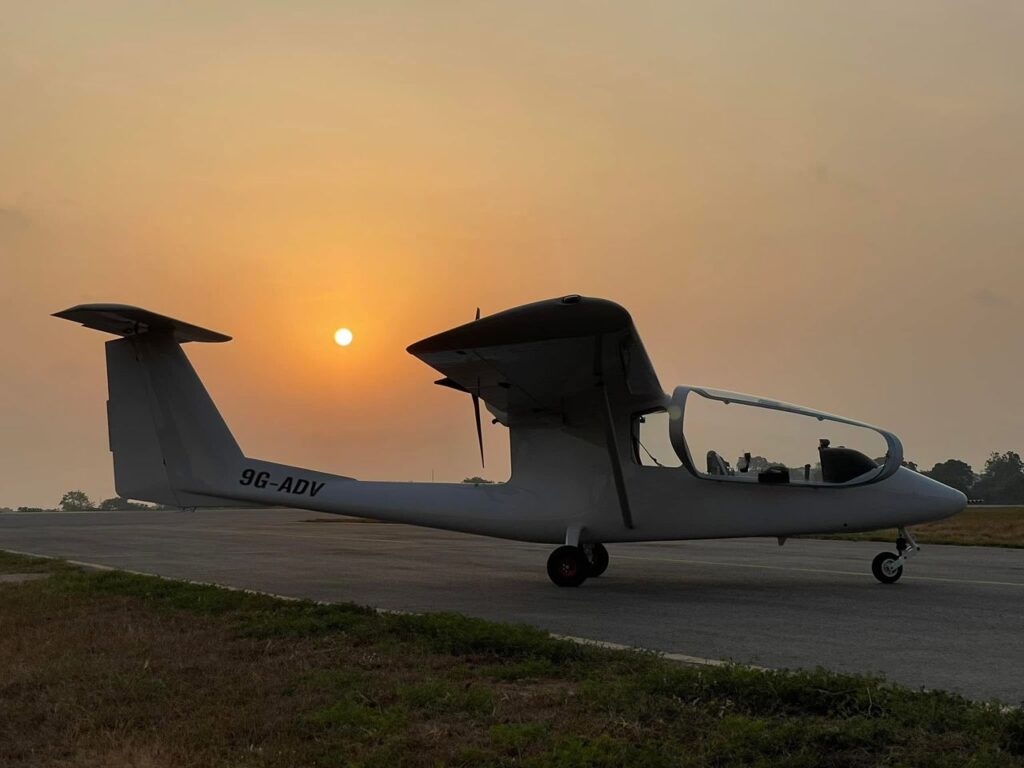
His younger brother, an unlicensed passenger, occupied the front pilot seat. The report does not explain why this seating arrangement was maintained for the return leg, though the Sky Arrow 650T is a tandem two-seater in which basic controls are accessible from either position.
The pilot’s medical certificate was current, having been renewed as recently as February 2026. Any relevant medical findings from the autopsy are listed as pending.
Investigation Continuing
AIB Ghana’s investigation team is still awaiting autopsy results, fuel sample test outcomes, and additional field investigation findings.
The bureau has indicated it expects to publish a final report, complete with safety recommendations aimed at preventing a recurrence, by May 29, 2026.
Italy, as the state of manufacture of the Sky Arrow aircraft, has appointed an accredited representative and advisor to participate in the process alongside Ghana Civil Aviation Authority focal persons.
The investigation’s stated objective, consistent with international civil aviation conventions, is to determine causes and contributing factors for safety purposes — not to assign blame or legal liability.
Those determinations, if any, will be a matter for other authorities.
This article was edited with AI and reviewed by human editors



Follow