


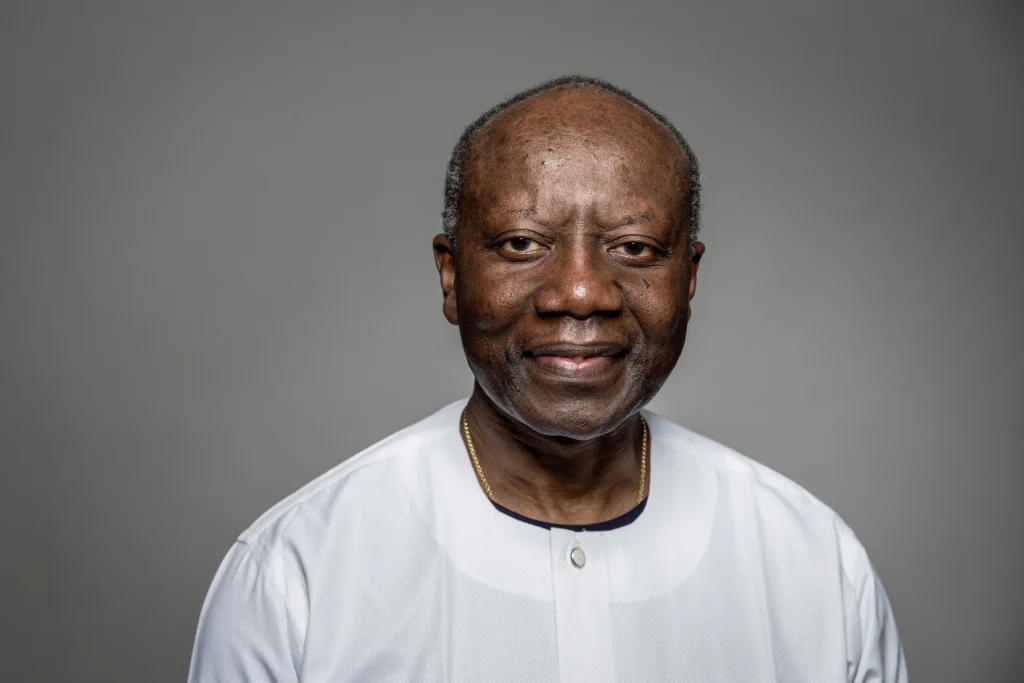
On January 13th, 2026, the Ghana Foreign Ministry published an interesting bit of news.
The Embassy of Ghana in Washington confirmed that it had received information about the detention of former Minister of Finance Ken Ofori-Atta in the custody of US agents.
The Minister of Foreign Affairs, Samuel Okudzeto Ablakwa, announced via social media that he had spoken with a US delegation. He confirmed the US government would not stand in the way of Ghana’s actions regarding the extradition of Ken Ofori-Atta.
“The United States Government has assured, that without prejudice to judicial processes, it will not stand in the way of Ghana as regards the removal of Ken Ofori-Atta and Sedina Tamakloe Attionu“, he said in his statement.
(Sedina Tamakloe Attionu was a former CEO of a government agency who had fled to the US to escape arrest relating to corruption charges.)
The detention of Ken Ofori-Atta seemingly brought an end to the pursuit of the former Minister of Finance after his prolonged stay in foreign lands.
Before his capture, the former minister had been summoned back to Ghana to answer for alleged crimes, including illegal payouts and financial loss to the state.
His legal team had stated that he was receiving medical care and could not return.
The man who had once been at the high seat in government was now involved in a back-and-forth with Ghana’s Attorney General and its prosecutors.
With his detention in the US, there are lingering questions on whether Ghana will be able to extradite the former Minister to his homeland to face prosecution.
A Man Educated in the Empire of Finance
Kenneth Nana Yaw Ofori-Atta was not born into obscurity. He arrived on November 7, 1959, in Kibi — a quiet town nestled in Ghana’s Eastern Region.
His father, Jones Ofori Atta, was both an economist and a politician. The Ofori-Atta name had long been synonymous with influence in Ghana: in politics, law, chieftaincy, and commerce.
He attended Achimota School, earning his O-Level and A-Level certificates in 1976 and 1978, respectively.
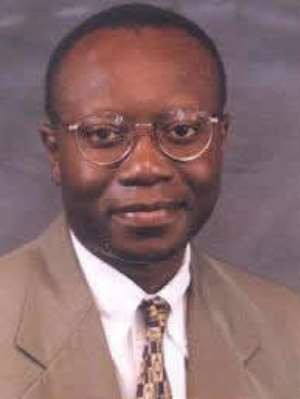
In August 1980, he enrolled at Columbia University in New York, where he pursued a Bachelor of Arts in Economics. By 1984, he had graduated and walked straight into the officers of Morgan Stanley on Wall Street.
It was at Salomon Brothers — another titan of American finance — that Ofori-Atta sharpened his understanding of capital markets.
In 1988, he earned an MBA from Yale University’s School of Management, cementing an academic pedigree that would later make him irresistible to Ghana’s political class.
Leaving Wall Street for Kantamanto
By his own telling, it was a visit home that undid the seductive comfort of New York. He returned to Manhattan, restless.
He began making exploratory trips to Washington, D.C., visiting the World Bank, the IMF, and USAID — anywhere that touched Ghana’s economic future.
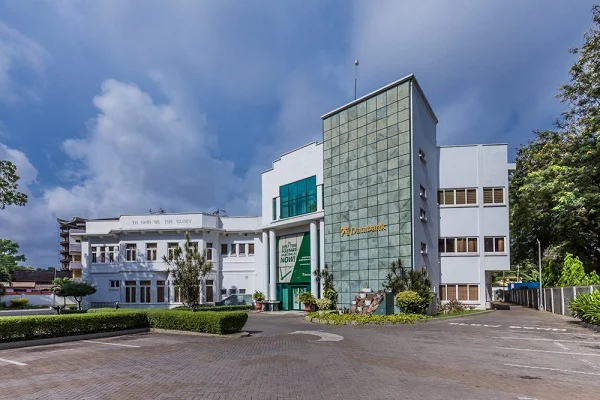
In 1990, armed with a borrowed $25,000 and a single rented room in Kantamanto at the heart of Accra, Ofori-Atta co-founded Databank Financial Services alongside Keli Gadzekpo and Togbe Afede XIV.
The firm was originally conceived as a research hub for foreign investors. It quickly became something far larger.
As Ghana’s stock market launched that same November, Databank pivoted to brokerage, then asset management, then investment advisory.
For two decades, Ofori-Atta was not a politician. He was a builder — of institutions, of markets, of a financial architecture that Ghana had never quite possessed.
He was the first African to testify before the United States Congress Ways and Means Committee in 1996 in support of the African Growth and Opportunity Act (AGOA).
PricewaterhouseCoopers Ghana twice named him one of the country’s top five most respected CEOs.
“He is a very capable man”
When Nana Akufo-Addo, Ofori-Atta’s paternal cousin, won Ghana’s presidency in December 2016, it was widely assumed that Ofori-Atta would follow into politics.
On January 10, 2017, Akufo-Addo nominated him as Minister for Finance and Economic Planning. He assumed the office on January 27.
The appointment was celebrated by some and criticized by others.
Supporters pointed to Ofori-Atta’s extraordinary private-sector record, his international networks, and his command of capital markets. Critics saw something else: a case of elite nepotism.
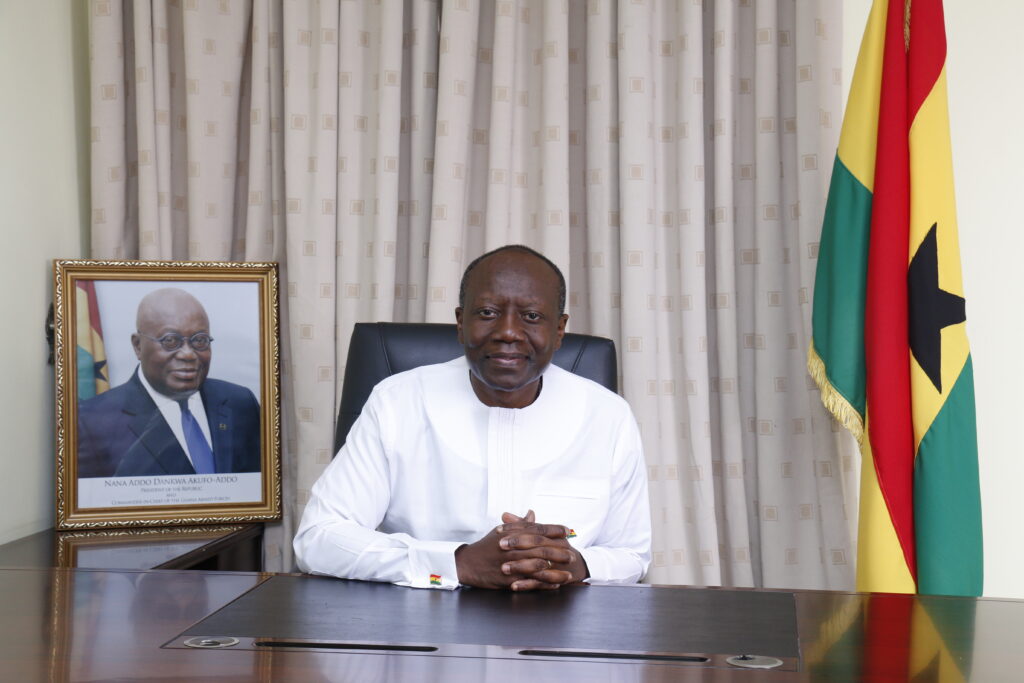
Here was the president appointing his own cousin — a man who had quietly bankrolled NPP campaigns for years — as the custodian of the national purse.
Akufo-Addo dismissed the skeptics. “He is not there because he is my cousin,” the president insisted publicly.
“He is a very capable man, the first investment banker in our country, built a very successful business and is extremely highly regarded in the world of finance.”
Early Economic Miracles
In those first years, the numbers seemed to vindicate the president’s choice.
Ofori-Atta inherited an economy that had required a $918 million IMF bailout as recently as 2015. Deficits were wide, growth was sluggish, and the cedi had been chronically unstable.
He moved quickly: tightening fiscal discipline, expanding the tax net, and promoting electronic payment systems to modernize revenue collection.
The results, at least on paper, showed results. Ghana’s economic growth more than doubled in its first three years. Inflation fell from 15.4 percent to 7.9 percent by the end of 2019. The exchange rate stabilized significantly.
Standard & Poor’s upgraded Ghana’s credit rating — for the first time in a decade — to B with a stable outlook.
In 2018, the World Bank named Ofori-Atta Africa Finance Minister of the Year. The same year, he was elected Chair of the World Bank/IMF Development Committee.
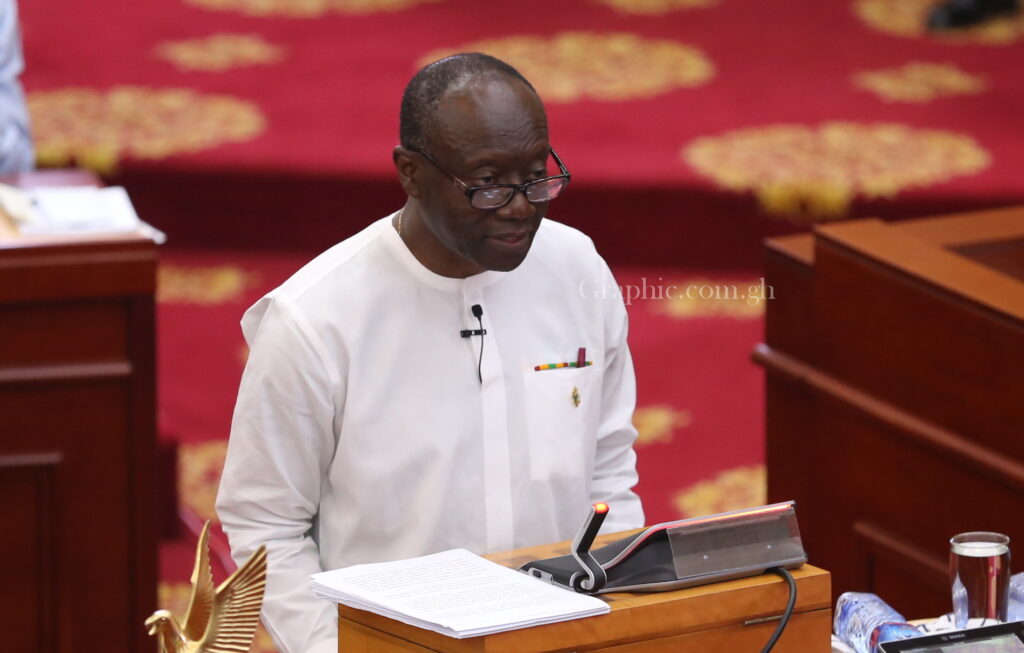
He was also, by all accounts, a distinctive figure in global financial diplomacy. Soft-spoken and deeply religious, he punctuated his speeches and press conferences with Biblical references.
He wore white almost exclusively in public — a choice, he explained, rooted in Ecclesiastes 9:8. He was, in his own telling, a man of faith managing Ghana’s fortunes.
The Honeymoon Ends
The vision was called ‘Ghana Beyond Aid.‘
Unveiled in 2018, it was Akufo-Addo’s declaration of economic sovereignty — a future in which Ghana would fund its own development, rejecting the constant practice of perpetual donor dependency. Ofori-Atta was its chief architect.
To realize the vision, his ministry issued multiple Eurobonds, raising billions of dollars on international capital markets to finance infrastructure and provide fiscal support.
It was an aggressive strategy, built on confidence in Ghana’s trajectory and on the assumption that growth would continue to outpace debt accumulation. For a time, it seemed to work.
But the cracks emerged slowly, then all at once.
The COVID-19 pandemic devastated revenues and compelled emergency borrowing. Global interest rates rose sharply.
Ghana’s currency, the cedi, began its long decline. Critics warned that debt was accumulating at an unsustainable pace — that the Eurobond strategy had mortgaged Ghana’s future to pay for its present.
Ofori-Atta pushed back, insisting the pandemic had disrupted an otherwise sound trajectory.
By mid-2022, the cost-of-living crisis had become a physical reality for millions of Ghanaians — visible in the price of bread, fuel, and school fees.
Civil society groups demanded accountability. And then, in May 2022, Ofori-Atta stood before cameras and uttered the words that would define a turning point in his legacy: “We are not going to the IMF. Whatever we do, we are not.”
The U-Turn and the Unraveling
Two months after that declaration, President Akufo-Addo directed his finance minister to engage the IMF formally.
The reversal was complete and damaging.
In December 2022, Ghana defaulted on most of its external debt — the first Ghanaian debt default in a generation.
The cedi became one of the worst-performing currencies in the world. The country that was meant to move beyond aid was now begging for a bailout.
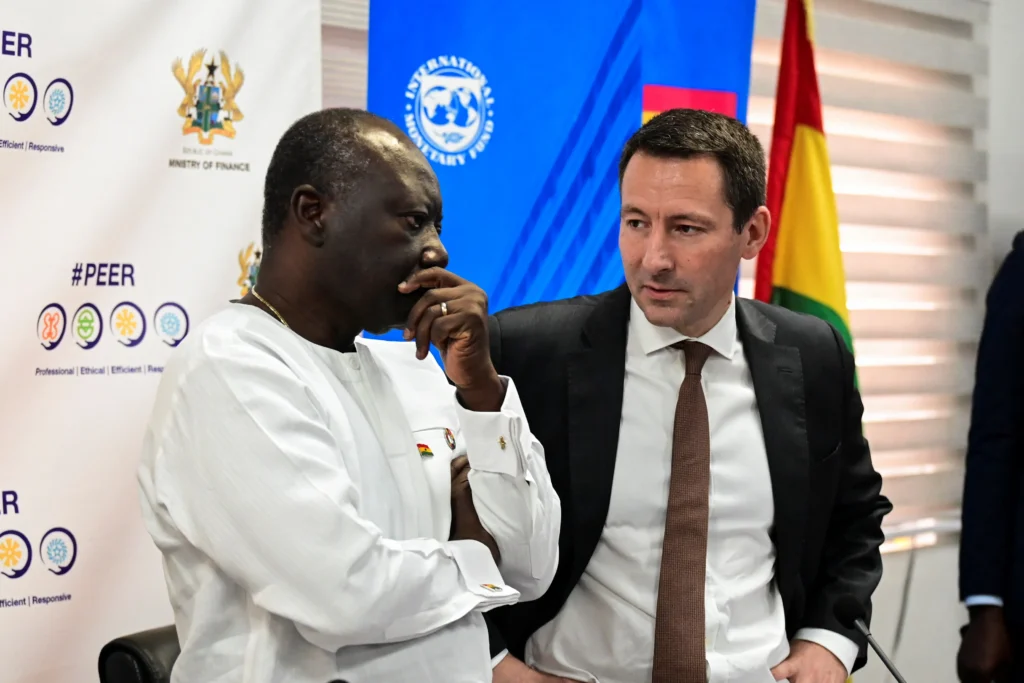
The political fallout was swift. On October 25, 2022, eighty of the 137 NPP lawmakers — members of Ofori-Atta’s own party — petitioned President Akufo-Addo to dismiss him, citing his inability to manage the economy.
Akufo-Addo refused, arguing that removing his finance minister at such a delicate moment would jeopardize IMF negotiations.
In November, Ghana’s Parliament launched a censure motion. In December, Ofori-Atta survived it (but barely) when NPP parliamentarians staged a walkout, robbing the opposition of the quorum needed to proceed.
He pressed on, and in May 2023, the IMF board approved a $3 billion Extended Credit Facility for Ghana — a rescue that required painful domestic debt restructuring, losses for bondholders, and severe austerity measures that fell hardest on ordinary Ghanaians.
It was, by any measure, a significant diplomatic achievement. It was also the culmination of a collapse that critics argued Ofori-Atta himself had engineered.
Conflicts of Interest
Even before the debt crisis, allegations of corruption had dogged the minister.
Critics noted that Databank — the firm he co-founded — continued to serve as a transaction advisor for government bond issuances even as he oversaw the ministry directing those same transactions. The potential for conflict of interest was difficult to ignore.
Ofori-Atta’s name also appeared in the leaked Panama Papers, linked to an offshore company in Bermuda called Songhai Financial Holdings, of which he and former Liberian President Ellen Johnson Sirleaf were listed as co-directors.
Both denied wrongdoing; the revelation nonetheless added texture to mounting questions about his financial dealings.
Most controversially, Ofori-Atta sanctioned the release of public funds — eventually totaling roughly $58 million — toward the construction of a National Cathedral on land in central Accra that had previously housed government buildings and judges’ residences.
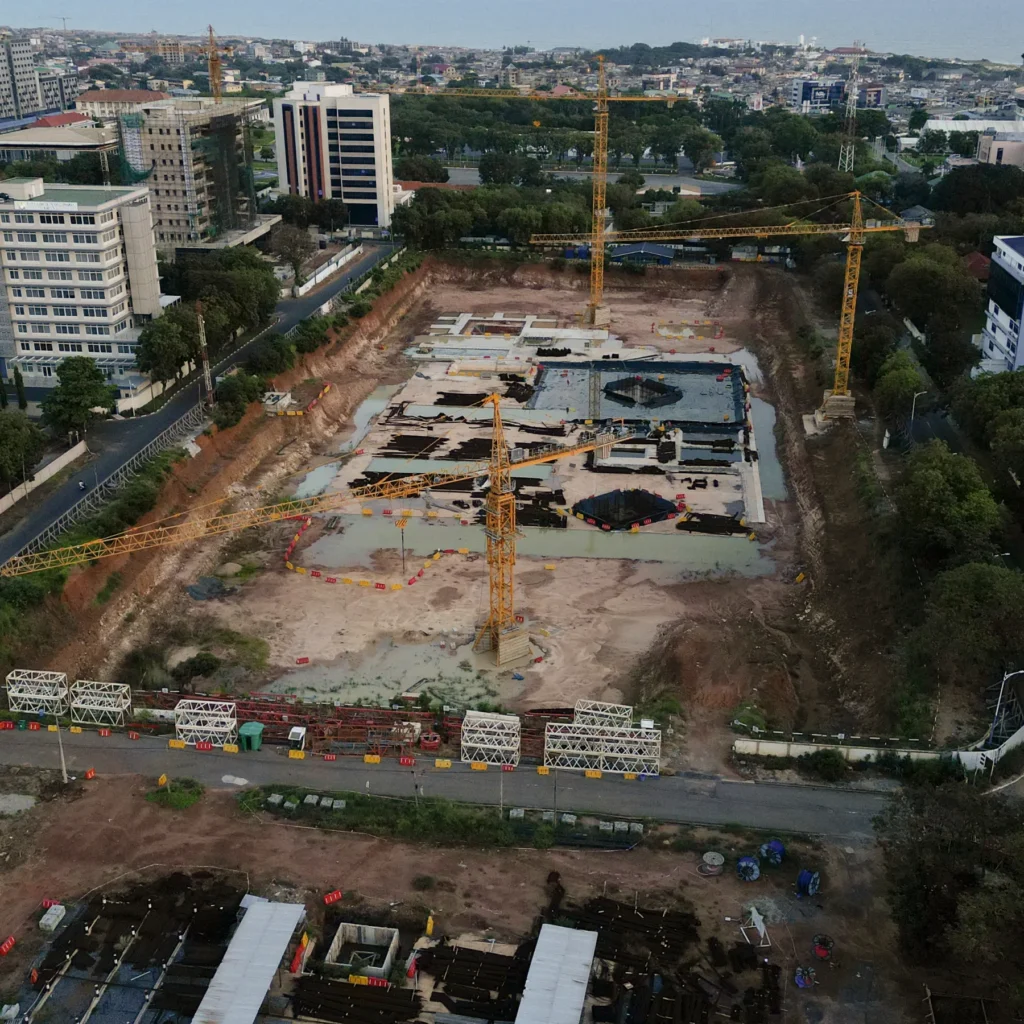
The cathedral, a personal project of President Akufo-Addo with estimated costs ultimately ballooning to $400 million, remained, by the time his tenure ended, little more than an open excavation in the earth.
A “Fugitive” On The Run
On February 14, 2024, Akufo-Addo finally relieved Ofori-Atta of his position, but appointed him to a new role: Senior Presidential Advisor and Special Envoy for International Finance and Private Sector Investments.
The National Patriotic Party (NPP) lost the December 2024 general election to John Mahama’s National Democratic Congress (NDC), and a new administration came to power with a clear mandate: accountability.
President Mahama launched Operation Recover All Loots (ORAL), tasking investigators with documenting alleged corruption during the previous government’s tenure. A February 2025 report claimed more than $20 billion had been stolen.
Ofori-Atta had departed Ghana in early January 2025, his lawyers said, for medical treatment in the United States — initially for prostate cancer, later described as a chronic liver condition requiring surgery.
When Ghana’s Office of the Special Prosecutor (OSP) summoned him to answer questions about alleged financial irregularities, his legal team responded that he was outside the jurisdiction indefinitely.
The OSP was unimpressed and resilient. On February 12, 2025, the office declared Ofori-Atta a fugitive — a label his lawyers contested vigorously. His name was briefly removed from the wanted list after he pledged to return voluntarily.
He did not return.
By June 2025, the OSP had secured a judicial arrest warrant and placed him on Interpol’s Red Notice database.
Officially Charged For Corruption
On November 18, 2025, the OSP formally charged Ofori-Atta and seven co-accused with 78 counts of corruption and corruption-related offences.
The charges encompassed conspiracy to manipulate the procurement process, causing financial loss to the state, and using public office for personal gain.
The specific contracts at the center of the case included the GHS 125 million revenue assurance agreement between the Ghana Revenue Authority and Strategic Mobilisation Limited, the National Cathedral project, ambulance procurement for the Ministry of Health, and an electricity company contract involving a Beijing-based technology firm.
In December 2025, Ghana submitted a formal extradition request to the United States Department of Justice.
The US State Department had already revoked Ofori-Atta’s visitor visa, according to Ghana’s Attorney General, Dr. Dominic Ayine — not due to a standard overstay, but through a deliberate revocation that set the stage for federal enforcement.
At approximately 11:00 a.m. on January 6, 2026, agents from US Immigration and Customs Enforcement (ICE), with reported assistance from the Federal Bureau of Investigation (FBI), arrested Ofori-Atta in Washington, D.C.
He was transported to the Caroline Detention Facility in Bowling Green, Virginia. ICE classified him as an ‘illegal alien’ who had overstayed his visa.
At 66 years old, the man who had once chaired the World Bank’s Development Committee and addressed Davos was wearing a dark jumpsuit and a face mask in a Virginia immigration court.
The Legal Battles From Behind Bars
Ofori-Atta assembled a formidable legal team. In Ghana, his counsel was Frank Davies. In the United States, he retained the law and lobbying firm of former US Attorney General and Missouri Senator John Ashcroft, alongside immigration attorney Enayatullah Qasimi.
The defense strategy was clear: challenge every dimension of the case. Davies insisted his client was a law-abiding man whose presence in the United States was a medical necessity, not an act of evasion.
The team filed for adjustment of immigration status, argued the extradition request was politically motivated, and hinted at invoking the ‘political offense exception.’
On January 20, 2026, a closed-door immigration hearing was held at the Annandale Immigration Court in Virginia — closed at the defense’s request, citing ‘sensitive issues.’
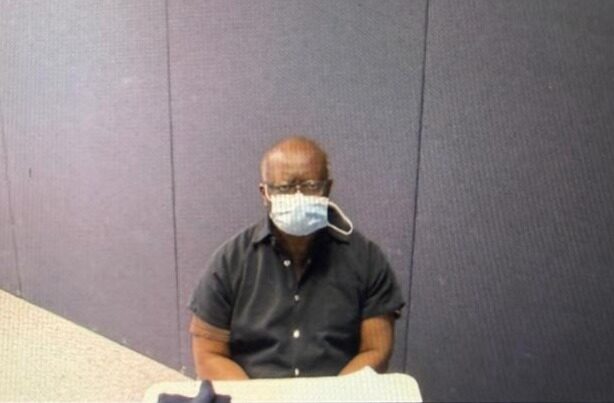
Ofori-Atta participated virtually from detention. His lawyers moved for bail. US federal attorneys opposed it, citing the pending extradition request.
US Judge David Gardey declined to grant bail, directing the US government to submit documentation supporting Ghana’s extradition claim by February 19.
He adjourned the main deportation hearing to April 27, 2026.
A significant legal development arrived on February 13, 2026, when Interpol permanently removed its Red Notice against Ofori-Atta.
The Commission for the Control of Interpol’s Files cited violations of ‘political neutrality’ rules, pointing to what it characterized as ‘polarized political statements’ from Ghanaian officials as evidence that the notice had been used for political ends.
His lawyers called it vindication.
As of late February, multiple bail applications had been denied, and Ofori-Atta remained in ICE custody — a deportation hearing looming in April.
A Tarnished Legacy
The story of Ken Ofori-Atta is the rise and fall of a man who flew too close to the sun.
He was, without question, a pioneer: the man who helped build Ghana’s capital markets from a borrowed room in Kantamanto, who brought Wall Street discipline to Accra, who for a period marshaled genuine international respect for Ghana’s economic ambitions.
His early years as finance minister produced real, measurable improvements. His negotiation of the 2023 IMF bailout, whatever its costs, required skill and credibility that few others in the country possessed.
And yet. The economy that he helped construct — on borrowed billions and bold declarations of self-reliance — collapsed under the weight of its own contradictions.
The cathedral that was never built, the cedi that crumbled, the bondholders who took losses, the pensioners whose savings evaporated: these, too, are part of his ledger.
Policy analyst Bright Simons of the Imani think-tank framed it differently: Mahama’s anti-corruption campaign, he noted, was a response to public anger at a ‘deepening sense of impunity’ among the political elite. ‘High-profile prosecutions are central to this strategy.’
As of this writing, Ken Ofori-Atta — Yale MBA, Aspen Fellow, Columbia University John Jay Award recipient, World Bank Development Committee chairman, former steward of the Ghanaian treasury — sits in a detention facility in Bowling Green, Virginia.
This article was edited with AI and reviewed by human editors



Follow