
STORY HIGHLIGHTS
- Defilement accounts for nearly 60% of all recorded child abuse cases in Ghana, per a landmark 2026 Child Rights International study
- A nationwide review found 286 child protection cases still pending in court, some for up to a decade
- Ghana’s DOVVSU first announced a sex offender registry in 2020; it has yet to materialise
- A police inspector was interdicted just days ago over allegations of defiling his own teenage daughter
- Only about 15% of child sexual abuse cases nationally result in a conviction, according to UNICEF
Disclaimer: This article features stories of abuse of children
Every year, thousands of Ghanaian children are subjected to one of the most devastating violations imaginable — yet the systems designed to protect them consistently fall short.
In 2025, Ransford Owusu Ansah, a 16-year-old who played for Siano Soccer Academy in Amasaman, Accra, passed away in March.
The cause of his death was linked to continuous sexual abuse by his coach, Ibrahim Anyass. The teen died at the Okomfo Anokye Teaching Hospital, succumbing to his injuries from his abuse.
Statistics show that defilement cases are on the rise in Ghana, with not enough being done by the State to stem the tide. The pattern is documented, debated, and deplored — and then largely left unaddressed.
The question many advocates are now asking openly: does Ghana have a structural problem with the sexual abuse of children, and if so, what will it take to confront it?
The Data Is Damning
A sweeping nationwide study released in May 2026 by Child Rights International (CRI) offers the starkest picture yet.
Defilement accounts for 59.4% of all offences committed against children in Ghana, making it the most common form of abuse recorded in the study, which reviewed 899 child protection cases across 10 regions.
Defined under Ghanaian law as the natural or unnatural carnal knowledge of any child under the age of 16 — with or without consent — defilement accounted for 534 out of the 899 cases profiled.
The CRI study also catalogued 23 other types of offences, including assault, indecent assault, abduction, trafficking, and child marriage.
A 2021 UNICEF Ghana country report estimated that nationally, only about 15% of child sexual abuse cases end in a conviction.
The Perpetrators Are Often Trusted Adults
Academic research makes another uncomfortable finding clear: in most cases, the abuser is someone the child knows.
A multi-method study analysing Ghanaian media reports from 2015 to 2020 found that perpetrators were predominantly male adults in low-income occupations who were known to the victims, while survivors were more likely to come from single-parent families living in poverty.
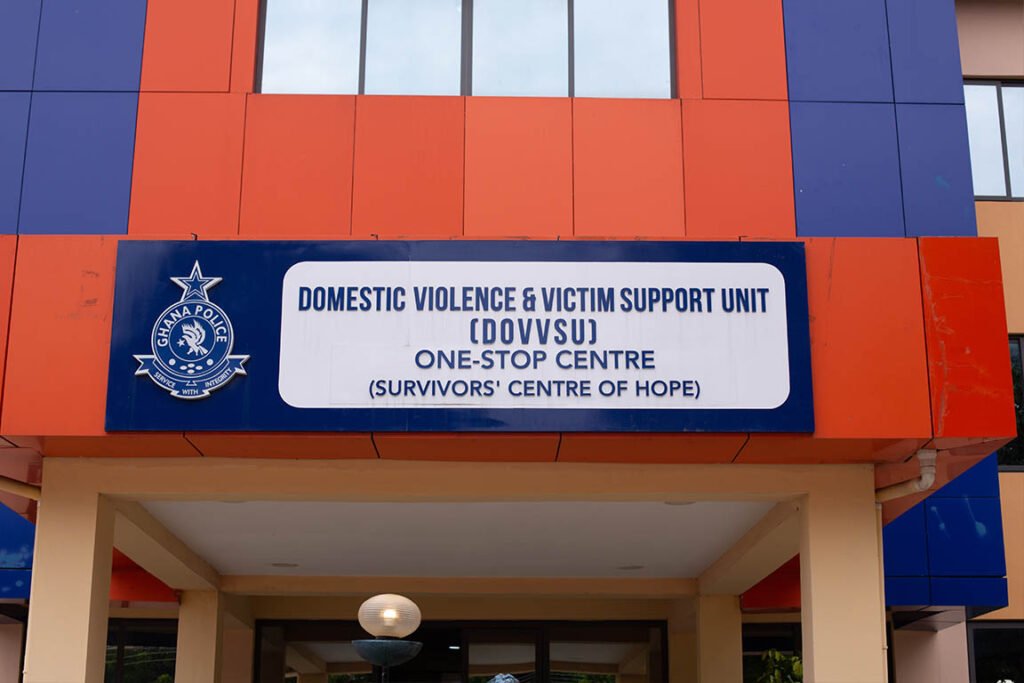
The link between child neglect and abuse is further reinforced by long-standing police data.
DOVVSU records show that in 2011, a total of 5,797 cases of child abandonment and neglect coincided with 1,168 defilement cases that year.
In 2012, 6,158 cases of non-maintenance were recorded alongside 1,111 defilement cases involving close family members.
High-profile prosecutions have occasionally pierced through public consciousness. In one widely reported case, a medical doctor named Sulley Ali-Gabass was found to have sexually abused a minor, infecting the child with HIV.
He was convicted and sentenced to 25 years imprisonment with hard labour.
In November 2025, an Amasaman Circuit Court sentenced 35-year-old Daniel Darkwa to 15 years in prison for defiling a 13-year-old girl he had groomed by posing as a family friend.
The Justice System Is Failing Victims
Convictions like those above are the exception, not the rule.
CRI Chief Executive Bright Appiah reported that 286 cases remain pending. He stated that some cases are languishing in the court system for between two and ten years, causing secondary victimisation as children are forced to relive trauma through repeated court appearances and frequent adjournments.
The financial burden is also prohibitive. Excluding legal fees, families spend between GHC 1,050 and GHC 2,540 per case on transportation, medical reports, forensic examinations, and lost income.
These costs frequently force families to settle outside the formal court system, allowing perpetrators to escape accountability.
Mr. Appiah has called for the establishment of specialised child protection courts, mandatory timelines for investigations, and a national digital case-tracking system.
The Registry That Never Came
Perhaps no gap in Ghana’s child protection architecture is more glaring than the long-promised sex offender registry.
In August 2020, the DOVVSU Director, Chief Superintendent Owusuaa Kyeremeh, announced that a sex offenders register was “on the drawing board” — designed to help prevent recidivism and serve as a reference point for employment checks.
Four years after that announcement, there had been no updates on the launch of the register or any new timeline — even as Ghana recorded 1,047 cases of female defilement and 305 female rape cases in 2020 alone.
Meanwhile, regional peers have moved forward: Kenya launched its first electronic sex offender registry in 2023, accessible to both legal officers and the public, while Nigeria had introduced a national database of sex offenders in some states as far back as 2019.
No One Is Beyond Suspicion
The problem is not confined to the margins of Ghanaian society. This month, the Ghana Police Service confirmed one of the most troubling defilement cases in recent memory.
Inspector Desmond Owusu Afriyie, stationed at the Mamponteng District in the Ashanti Region, was interdicted by the Ashanti North Regional Police Command on May 9, 2026, following allegations that he sexually abused his own 14-year-old daughter.
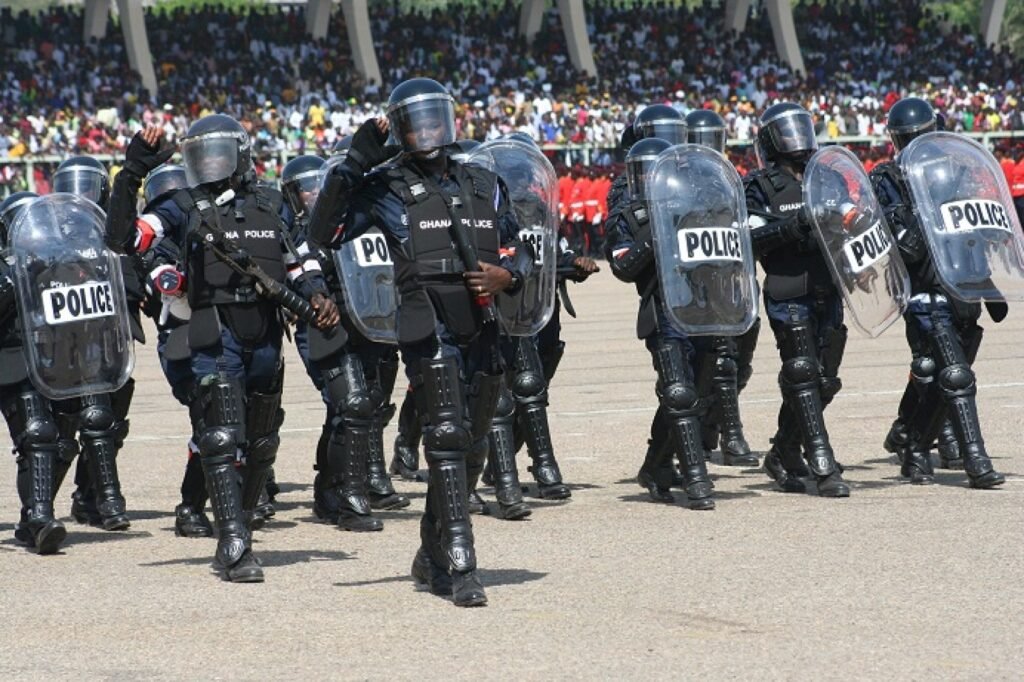
The complaint was filed in November 2025 by the girl’s mother; the inspector surrendered himself to DOVVSU in February 2026, denied the allegations, and was released on enquiry bail pending further investigation.
The case, still unresolved, has amplified calls for institutional reform — and underscored a point advocates have long made: when the people entrusted with enforcing protection laws are themselves under suspicion, the failures of the system go deeper than policy gaps.
What Must Change
Research has observed that the government has focused almost entirely on the criminal sanctions aspect of defilement.
It points out that the state fails to invest sufficiently in the sociological and psychological dimensions of the problem — including the cost of forensic medical examinations and trauma counselling for victims.
Child Rights International and allied organisations have been explicit in their recommendations: specialised courts, digital tracking systems, adequately funded forensic services, and — long overdue — a functioning sex offender registry.
Until Ghana matches its legal framework with enforcement infrastructure and genuine political will, the data will continue to tell the same grim story.
This article was edited with AI and reviewed by human editors