Story Highlights
- Bank of Ghana recorded a GH¢15.6 billion loss in 2025, up from GH¢9.5 billion in 2024
- Negative equity worsened to GH¢96.3 billion, deepening a financial hole that began with Ghana’s debt restructuring
- Gold sales generated nearly US$3.6 billion in revenue, emerging as the Bank’s most significant income line
- Government has committed to a phased recapitalization plan running through 2032
- The cedi appreciated from GH¢14.70 to GH¢10.45 per dollar by year-end 2025
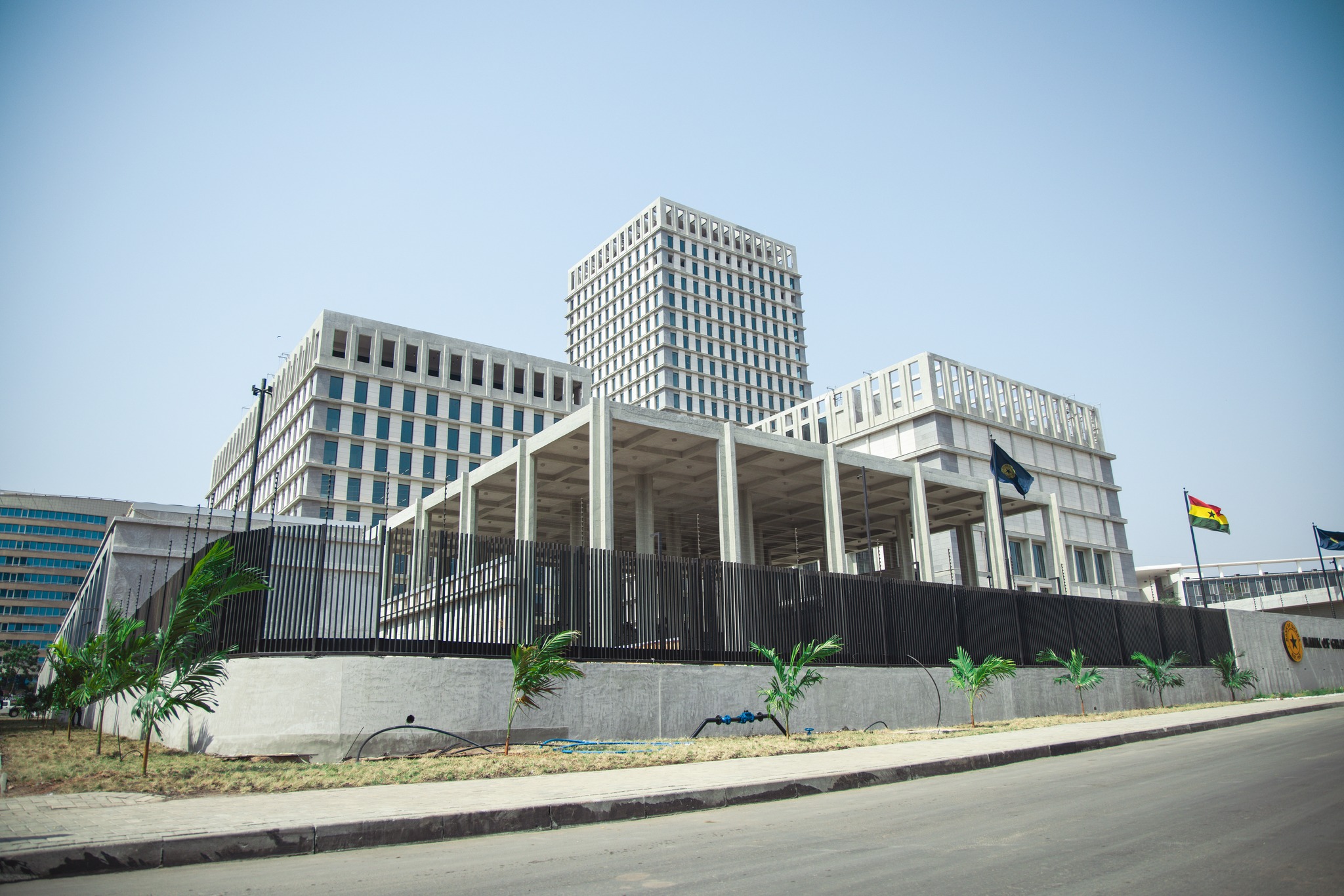
The Bank of Ghana recorded a net loss of GH¢15.6 billion for the year ending 31 December 2025, according to its newly published financial statements — a 65 percent deterioration from the GH¢9.5 billion loss posted in 2024.
The report, audited by KPMG and approved by the Board on 29 April 2026, lays bare the scale of the institution’s financial distress while making the case that the Bank remains operationally sound.
A Hole That Keeps Getting Deeper
The Bank’s negative equity — the gap between what it owns and what it owes — widened from GH¢58.6 billion to GH¢96.3 billion over the course of 2025. To put that in perspective, the Bank’s total assets stand at GH¢237 billion, but its liabilities exceed GH¢333 billion.
That imbalance, now stretching into a third consecutive year, traces directly to the fallout from Ghana’s 2023 Domestic Debt Exchange Programme, under which the government restructured debt held by the Bank — imposing a 50 percent haircut on bonds with a nominal value of GH¢67 billion.
The losses in 2025 were driven by two main forces. The cost of Open Market Operations — the mechanism through which the Bank issues bills to commercial banks to mop up excess money and control inflation — reached GH¢16.7 billion, nearly double the GH¢8.6 billion recorded in 2024.
As the Bank kept monetary policy tight to bring inflation down, that cost compounded. Combined revaluation and gold deal losses added a further GH¢14.5 billion to the expense column, partly a consequence of the cedi’s unexpected appreciation against the dollar during the year.
The Gold Lifeline
Against that backdrop, gold has emerged as the Bank’s most consequential income stream. During 2025, the Bank sold approximately 870,000 ounces of refined gold, generating revenue of around US$3.6 billion — equivalent to roughly GH¢40.3 billion.

The net gain on those sales reached GH¢9.57 billion, recorded in profit and loss for the first time as a standalone income line.
The Bank also purchased over 2.9 million fine ounces of doré gold through its Domestic Gold Purchase Programme — a strategic initiative launched in 2021 to strengthen foreign reserves without buying dollars on the open market.
The programme has materially reduced pressure on the cedi by allowing the Bank to accumulate foreign exchange through gold exports rather than currency market interventions.
The Gold for Oil programme, which used gold sales to finance petroleum imports, was discontinued in March 2025.
The Cedi’s Surprise Comeback
One of the more striking developments captured in the financial statements is the cedi’s sharp appreciation. The exchange rate closed 2025 at GH¢10.45 to the dollar, compared to GH¢14.70 at the end of 2024 — a roughly 29 percent strengthening.
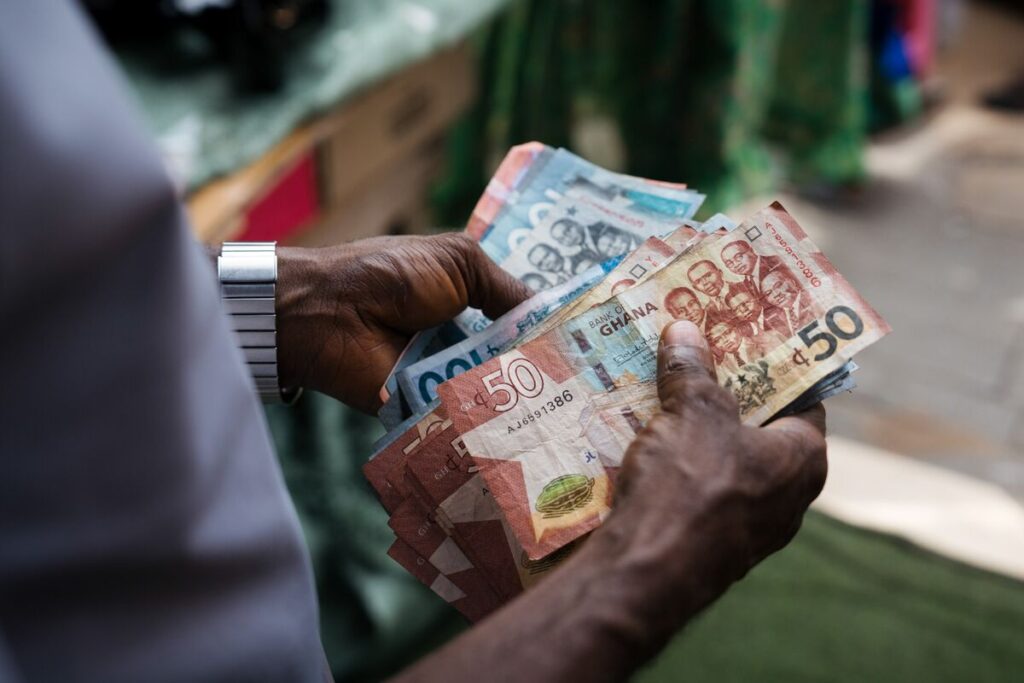
While that is broadly positive news for Ghanaian consumers and businesses importing goods, it contributed to the Bank’s accounting losses by reducing the cedi value of its dollar-denominated assets.
Can the Bank Still Function?
The Board of Directors and management are emphatic: yes. They draw a distinction between accounting solvency and what they term “policy solvency” — the Bank’s ability to fund its own monetary operations without resorting to money printing or emergency government bailouts.
On that measure, the Bank says 2025 was actually an improvement on 2024, supported by higher reserve income, expanded fee revenues, and the large inflow from gold sales.
The Road to Recovery
The Government of Ghana signed a Memorandum of Understanding with the Bank of Ghana in January 2025, committing to a phased capital injection through 2032.
The recapitalization will take the form of interest-bearing government securities, structured to avoid generating additional interest expense for the Bank.
The newly enacted Bank of Ghana Amendment Act, 2025, also raises the Bank’s minimum required capital from GH¢10 million to GH¢1 billion and creates a formal legal framework obligating the government to act within 90 days of any capital shortfall notification.
The Board projects that a combination of declining inflation, falling interest rates, continued gold income, and government capital injections will restore positive equity by 2032.
What It Means
The Bank of Ghana’s financial distress is real and, by conventional measures, significant. But central banks occupy a unique institutional space — they do not fail the way private banks do.
What matters most is whether the government delivers on its recapitalization commitments on schedule, whether inflation continues to decline, and whether the gold programme sustains the foreign exchange gains of 2025.
On all three counts, the trajectory is cautiously encouraging — but the margin for error is thin.
This article was edited with AI and reviewed by human editors