


STORY HIGHLIGHTS
- The U.S. State Department will reduce visa-processing embassies across Africa from nearly 50 to just 20 designated hubs
- The directive was approved by Secretary of State Marco Rubio last week; the transition is expected in June
- Ghana’s Accra is among the 20 retained hubs — a significant advantage for the country and the broader West Africa sub-region
- Citizens of non-hub countries will be required to travel internationally to process U.S. visa applications
- The move compounds existing restrictions, including a travel ban on select African nations and a $15,000 visa bond requirement
ACCRA, GHANA — In a sweeping policy shift that will reshape how Africans access the United States, the Trump administration is set to cut the number of U.S. embassies and consulates on the continent authorised to process visa applications by more than half — from nearly 50 facilities down to just 20.
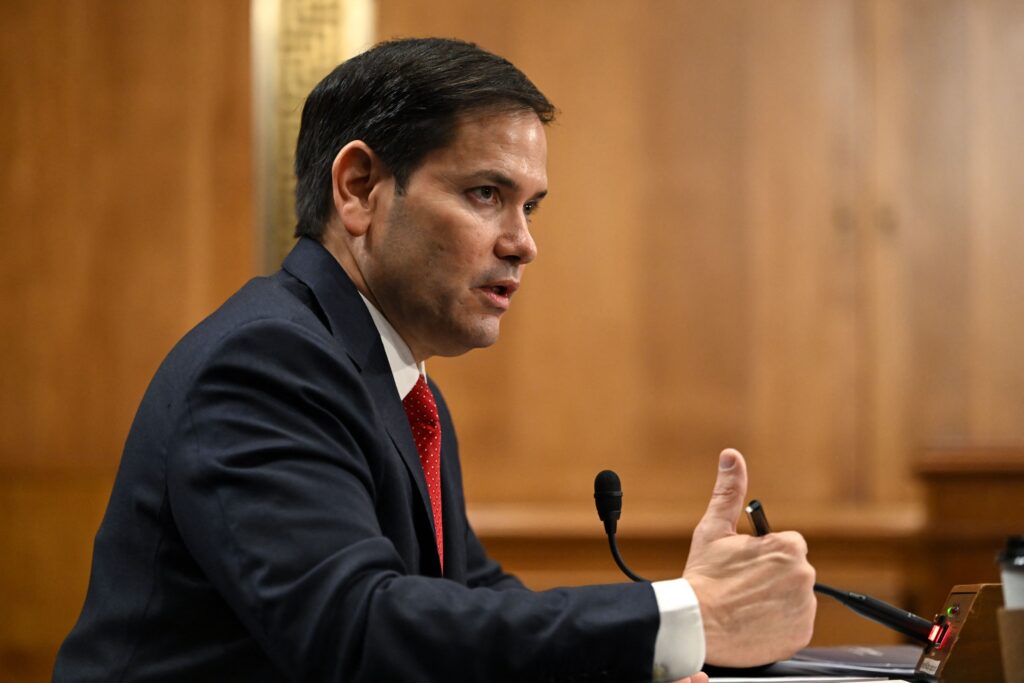
The directive, approved by Secretary of State Marco Rubio last week, will reduce consular operations in Africa to 20 designated “hubs,” according to three U.S. officials and an internal memo obtained by The Associated Press.
The change is expected to take effect sometime in June, though no fixed date has been announced.
The policy is the latest in a series of escalating immigration restrictions under President Donald Trump’s second administration — and among the most consequential for Africa, where demand for U.S. visas remains high despite a growing backlog and lengthening wait times.
A Directive Months in the Making
On a conference call last Friday, U.S. diplomats including consular chiefs were informed that Washington would be scaling back visa services across Africa.
The order came from the top: under a directive personally approved by Rubio, the State Department will limit full consular operations to the 20 approved sites.
The move is framed as part of the Trump administration’s broader effort to crack down on both immigrant and non-immigrant visa issuance, and to limit the number of travellers who enter the United States on temporary visas and subsequently overstay them.
The State Department, in a statement, declined to address the specifics of the memo but said it “is constantly evaluating its overseas operations in order to deploy taxpayer resources in a way that advances America’s priorities as efficiently and effectively as possible,” adding that this includes maintaining “rigorous standards of security screening and vetting.”
The policy builds on a troubling pattern. Visa processing in Africa had already been curtailed by a travel ban on certain countries, a requirement that applicants post bonds of up to $15,000, and, more recently, by restrictions linked to the Ebola outbreak.
The hub consolidation adds a structural layer to those barriers.
Who Keeps Access — and Who Loses It
The 20 embassies and consulates that will retain full visa processing authority span the continent unevenly. According to the memo, the approved hubs are:
- Abidjan (Côte d’Ivoire)
- Accra (Ghana)
- Addis Ababa (Ethiopia)
- Cape Town and Johannesburg (South Africa)
- Dakar (Senegal)
- Dar es Salaam (Tanzania)
- Djibouti, Kampala (Uganda)
- Kigali (Rwanda)
- Kinshasa (DRC)
- Lagos (Nigeria)
- Lomé (Togo)
- Luanda (Angola)
- Malabo (Equatorial Guinea)
- Monrovia (Liberia)
- Nairobi (Kenya)
- Port Louis (Mauritius)
- Praia (Cape Verde), and
- Yaoundé (Cameroon)
For Ghana, the inclusion of Accra is significant. It positions the country as a regional processing centre for West Africa, potentially drawing applicants from neighbouring countries such as Burkina Faso, Niger, Mali, Sierra Leone, and Guinea — nations that have lost, or were never granted, full consular access.
Notably absent from the hub list are countries across the Sahel and parts of North and Southern Africa. Countries including Sudan, Chad, Madagascar, Mozambique, and Zimbabwe appear to have been bypassed — though the full list of affected missions has not been officially released by the State Department.
A Logistical Burden Shifted to Applicants
Under the new rules, a citizen of a non-hub country who wishes to apply for a U.S. visa will have to travel to one of the 20 approved sites — a requirement that could pose formidable travel challenges and costs.
For applicants in landlocked or conflict-affected countries, even reaching the nearest hub may require expensive travel across international borders.
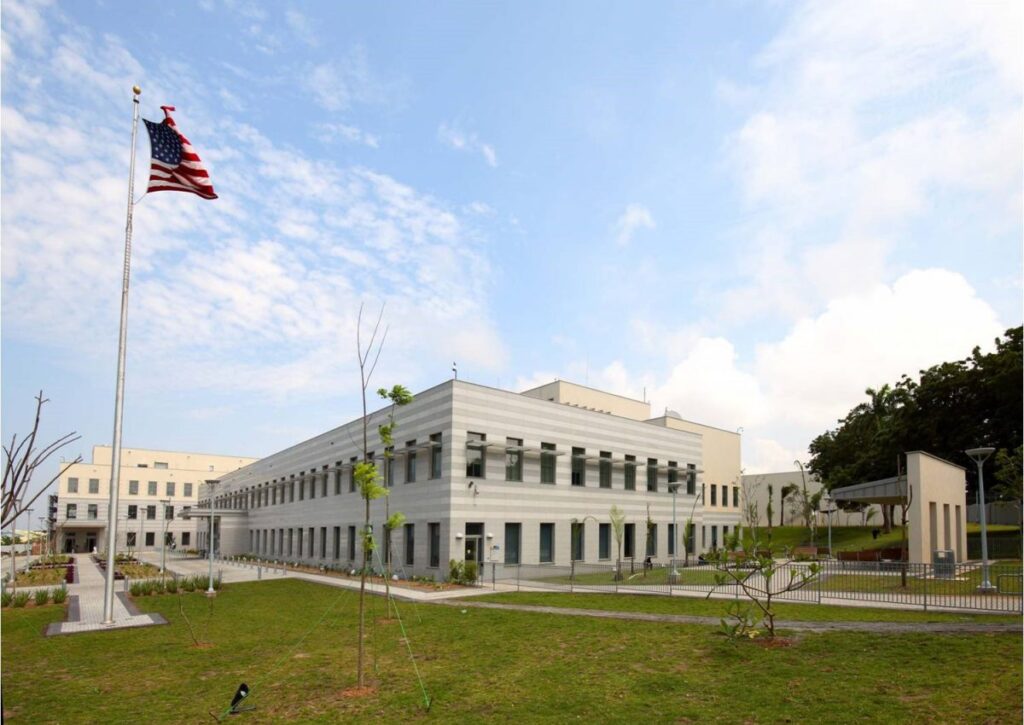
Consular sections in non-hub countries will remain open but with sharply reduced services — limited to passport renewals and emergency assistance for American citizens, as well as special national interest cases and diplomatic visa applications.
Ordinary visa seekers will have no local recourse.
The practical effect is a kind of soft closure: embassies will remain open in name, but stripped of one of their core functions for local populations.
The State Department has not confirmed which specific embassies will lose processing authority, and affected governments have not issued formal responses.
This article was edited with AI and reviewed by human editors



Follow